

Deadly Strikes or Overreach? US Military Targets Venezuela Drug Routes
Deadly Strikes or Overreach? US Military Targets Venezuela Drug Routes
AI Summary
The Trump administration's fifth kinetic strike near Venezuelan waters raises legal and ethical questions about military-led counter-narcotics operations, with 27 fatalities reported and growing international backlash over evidence standards.
Keywords
US Military Strikes on Alleged Drug Vessels Near Venezuela
Fifth Deadly Strike Against Trafficking Networks
The Trump administration's fifth kinetic strike in Caribbean waters—this time 30 nautical miles northeast of Maracaibo—follows a chillingly predictable pattern. Operational data reveals these maritime interdictions cluster near Venezuelan territorial waters like sharks circling prey, occurring at precise 7-10 day intervals since mid-September 2025. The body count now stands at 27 per BBC's casualty tally, with each engagement meticulously documented through the same black-and-white targeting footage—a macabre ritual where overhead projectile impacts replace courtroom indictments.
What's particularly jarring is the clinical efficiency: six fatalities here, eight there, all neatly tabulated in strike reports. The administration claims these vessels are floating narcoterrorist hubs, but let's be real—when you're designating targets via classified memos rather than judicial warrants, evidentiary standards get foggy faster than a Caribbean sunrise.
| Date | Location | Fatalities |
|---|---|---|
| Sep 15 2025 | 12nm NW of La Guaira | 5 |
| Sep 22 2025 | 18nm E of Puerto Cabello | 4 |
| Sep 29 2025 | International waters | 8 |
| Oct 6 2025 | 25nm S of Margarita Is. | 4 |
| Oct 14 2025 | 30nm NE of Maracaibo | 6 |
Legal Framework for Designating Traffickers as Combatants
Here's where it gets legally spicy—the administration dusted off post-9/11 AUMF precedents to declare drug cartels as combatants in a "non-international armed conflict." Translation: they've weaponized accounting standards, treating traffickers like ISIS cells rather than criminal defendants. Senator Schiff's crew is screaming about War Powers overreach, and frankly, they've got a point—when kinetic strikes become the default KPI for counter-narcotics success, due process becomes collateral damage.
The real kicker? This legal maneuvering creates a dangerous feedback loop. Every strike begets more classified memos, which justify more strikes, all while congressional oversight gets stonewalled. It's counterterrorism doctrine meets the war on drugs, with Venezuelan territorial waters as the testing ground.
International Backlash and Evidence Disclosure Demands
Venezuela Condemns Strikes as Regime Change Pretext
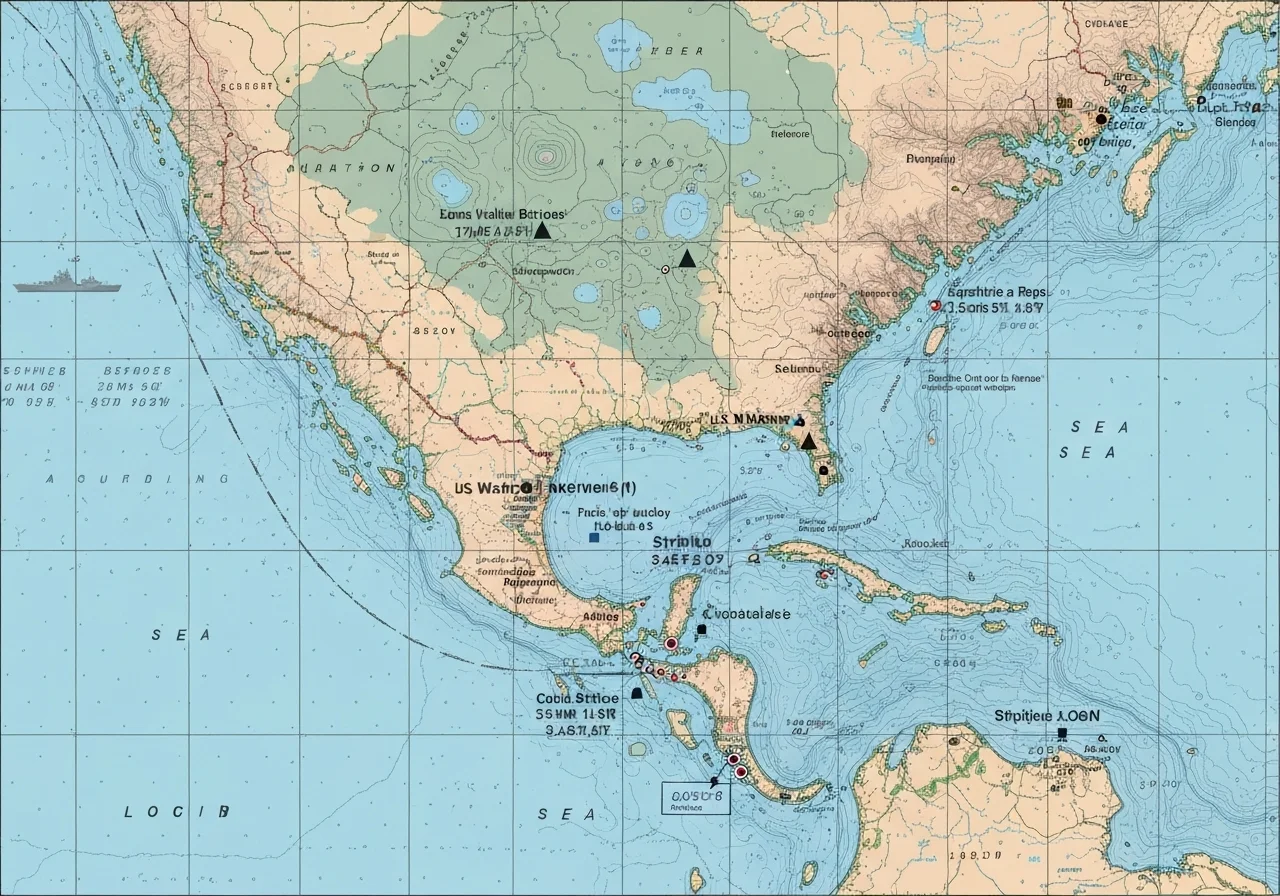
Venezuelan Defense Minister Vladimir Padrino has slammed recent U.S. military operations as "warmongering, rude, and vulgar" theatrics masking a regime change agenda. The Pentagon's Caribbean chessboard now features the USS Wasp amphibious group as its queen piece, conducting what Caracas views as sovereignty-violating patrols. This maritime muscle-flexing follows a troubling pattern—since March 2025, five vessels have been sunk under disputed "narcoterrorist" designations without public evidence dossiers.
Congressional Scrutiny Over Intelligence Verification
On Capitol Hill, bipartisan eyebrows are arching at the administration's classified "non-international armed conflict" memo—a legal Hail Mary that Senator Schiff argues "does not apply" to drug interdiction. The intelligence vacuum grows more conspicuous with each strike; BBC forensic analysis found zero open-source verification for the sunk vessels' alleged cartel ties. This evidentiary black hole fuels concerns about executive overreach in maritime law enforcement.
Strategic Implications of Maritime Narcotics Enforcement
Shift From Judicial to Military Drug Interdiction
The Trump administration's kinetic approach to drug interdiction marks a radical departure from traditional Coast Guard protocols, which emphasized evidence collection and judicial prosecution. According to reports from the South China Morning Post, the administration now treats alleged traffickers as "unlawful combatants," justifying military strikes under the law of armed conflict. This shift raises critical questions about proportionality and due process, particularly given the lack of publicly disclosed evidence linking targeted vessels to narcotics.
The "narcoterrorist" designation carries significant legal consequences, potentially expanding the scope of military engagement in counter-drug operations. As noted in Japan Today's coverage, this framework bypasses traditional judicial review, allowing lethal force based on executive branch assertions alone. Critics argue this erodes safeguards against extrajudicial killings, while proponents claim it disrupts trafficking networks more effectively.
Regional Security Dynamics in Caribbean Waters
Venezuela and Colombia have sharply condemned the strikes as violations of sovereignty, with Venezuelan Defense Minister Vladimir Padrino accusing the U.S. of seeking "regime change" through "warmongering" tactics, as reported by The Associated Press via Japan Today. The concentration of strikes near Venezuelan waters—five incidents resulting in 27 fatalities per BBC documentation—risks escalating tensions in a region already strained by migration crises and political instability.
Repeated military actions could destabilize bilateral agreements on maritime patrols and intelligence sharing. Colombia, despite its counter-narcotics partnership with the U.S., has expressed unease over the strikes' collateral effects. The absence of multilateral coordination, as highlighted in NDTV's report, undermines regional trust and may incentivize adversarial alliances between Venezuela and other anti-U.S. actors.
Evolving US Counter-Narcotics Doctrine Under Trump
Legal Framework for Designating Traffickers as Combatants
The Trump administration's recalibration of counter-narcotics strategy—treating drug traffickers as unlawful combatants—has sent shockwaves through legal circles. This doctrinal pivot hinges on a White House memo declaring a "non-international armed conflict," effectively applying wartime rules to maritime interdiction. Five kinetic strikes in Caribbean waters have yielded 27 fatalities per BBC reporting, though Congressional Democrats cry constitutional overreach after failed war powers resolutions. The administration counters with classified intelligence linking targets to transnational syndicates—a claim as murky as the waters they patrol.
<div data-table-slug="strike-legal-status">| Critic Group | Legal Basis | Resolution Attempt | Outcome |
|---|---|---|---|
| Congressional Democrats | Violation of international law | War powers resolution (failed) | Continued executive action |
| Venezuelan Government | Sovereignty infringement | UN diplomatic protests | No formal censure |
| Human Rights NGOs | Extrajudicial killings | ICC referral proposals | Preliminary examination |
| Republican Senators | Authorization ambiguity | Oversight hearings requested | Limited documentation |
Strategic Implications of Maritime Narcotics Enforcement
The shift from judicial to military-led interdiction isn't just tactical—it's tectonic. Coast Guard boarding protocols now play second fiddle to kinetic strikes against stationary vessels, a strategy laid bare in recent video footage. Venezuela's defense minister decries these actions as regime change theater, while the administration's refusal to disclose geospatial evidence turns regional allies like Colombia into reluctant spectators. This "narcoterrorist" designation could rewrite the global playbook—assuming the legal house of cards doesn't collapse first.
References


Get Daily Event Alerts for Companies You Follow
Free: Register to Track Industries and Investment Opportunities