

How Will Ukraine's Rafale Jets Transform Its Air Defense Against Russia?
How Will Ukraine's Rafale Jets Transform Its Air Defense Against Russia?
AI Summary
Ukraine's phased acquisition of 100 Rafale F4 jets by 2035, complemented by SAMP/T systems, enhances air defense against Russian 6,000 monthly glide bombs. Funding through frozen Russian assets and EU joint borrowing sets a precedent for collective defense procurement.
Keywords
Strengthening Ukraine's air defense capabilities
Rafale fighter jets acquisition timeline
Ukraine's phased acquisition of up to 100 Rafale F4 jets represents a strategic leap in aerial combat capabilities, with deliveries projected through 2035. This extended timeline reflects both production constraints and the need for concurrent infrastructure development, as highlighted in the BBC report on the historic defense pact. The interim solution of joint drone production commencing in 2024 addresses immediate battlefield needs against Russia's monthly deployment of 6,000 glide bombs, creating a layered defense approach that bridges current vulnerabilities with future air superiority.
The 11-year delivery schedule necessitates careful resource allocation, particularly given Ukraine's simultaneous integration of Swedish Gripen jets and US F-16s. As noted in The Hindu's coverage of the bilateral agreement, the phased approach allows for staggered pilot training cycles and maintenance hub development. This mitigates operational risks associated with rapid fleet expansion while ensuring continuous air defense coverage during the transition period.
Complementary defense systems package
The Rafale acquisition is bolstered by eight SAMP/T air defense systems and advanced radar networks, forming a comprehensive shield against Russian aerial threats. As detailed in NDTV's technical analysis of the deal, the inclusion of 200km-range air-to-air missiles directly counters Russia's 230km-range systems, neutralizing Moscow's current technological edge. This package creates a multi-layered interception capability, from long-range missile defense to close-air combat superiority.
RAFALE-SPECS-COMPARISON
| Specification | Rafale F4 | Russian Counterpart |
|---|---|---|
| Combat Radius | 1,850 km | 1,500 km |
| Weapon Stations | 14 | 12 |
| Air-to-Air Missile Range | 200 km | 230 km |
| Radar Detection | 200 km | 180 km |
The systems' interoperability with existing NATO-standard equipment in Ukraine's arsenal reduces integration challenges, though requires significant training investments. As emphasized in ABC News' report on the defense pact, the radar networks will dramatically improve early warning capabilities against cruise missiles and drones, filling critical gaps in Ukraine's current air surveillance infrastructure. This technological upgrade comes as Russian forces intensify attacks on energy infrastructure, making comprehensive air defense more urgent than ever.
Financial and geopolitical considerations
Funding mechanisms and controversies
The €140 billion elephant in the room—how to finance Ukraine's Rafale jets—has policymakers walking a tightrope between legal landmines and political minefields. France's bold play to tap frozen Russian assets smells like creative accounting but could trigger a legal quagmire when the dust settles. Brussels whispers suggest the EU's war chest isn't exactly overflowing, with Berlin playing the frugal German uncle opposing joint debt for weapons.
| Funding Stream | Controversy Level | Key Challenge |
|---|---|---|
| Frozen Russian assets (€140bn) | High | Legal restitution risks |
| EU joint borrowing | Moderate | German opposition |
| French national budget | Low | Limited capacity |
The real kicker? This asset seizure dance could set a precedent that comes back to bite Europe when Moscow starts filing retaliatory claims. The French presidency's vague pronouncements about "innovative financing" smell suspiciously like kicking the can down the road with phased commitments.
Strategic alignment with Western allies
Kyiv's playing 4D chess with its fighter jet portfolio—mixing French Rafales, Swedish Gripens, and American F-16s like a hedge fund diversifying assets. This triple-threat strategy isn't just about keeping the Russians guessing; it's supply chain risk management 101. France throwing SAMP/T systems into the deal mirrors Washington's Patriot play, creating an air defense lasagna against Putin's 6,000 monthly glide bomb deliveries.
The decade-long delivery schedule is pure political hedging—locking in commitments across multiple election cycles while Ukraine's pilots juggle Mirages today and Rafales tomorrow. Maintenance crews might need PhDs to manage this fourth fighter type, but the strategic symbolism of Western hardware integration is worth the logistical headaches.
Long-term security implications
Deterrence value against Russian aggression
Let’s cut through the noise—Ukraine’s Rafale deal isn’t just another arms purchase; it’s a financial hedge against aerial attrition. With Russia lobbing 6,000+ glide bombs monthly, the Rafale’s 200km-range air-to-air missiles act as a force multiplier, neutralizing threats before they breach Ukrainian airspace. The 10-year contractual lock-in, as Macron’s team emphasized, is structured like a sovereign bond—immune to political volatility. This isn’t just about jets; it’s about creating a deterrence premium that makes Russian aggression prohibitively expensive.
Training and logistical challenges
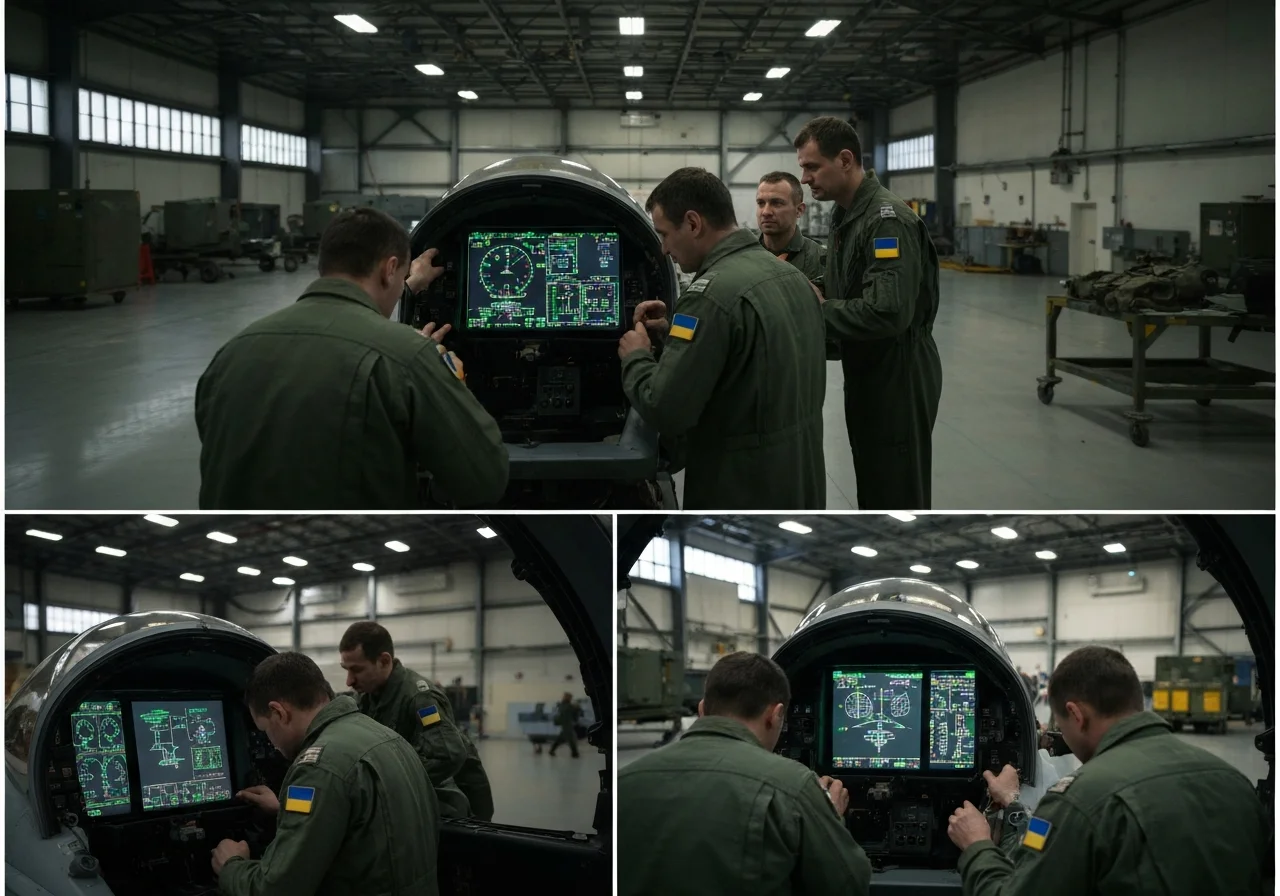
Here’s the rub: Western kit doesn’t come plug-and-play. Ukraine’s 18-24 month pilot training pipeline mirrors the F-16’s teething pains, where spare parts logistics proved as critical as the hardware. The phased training table below isn’t just a schedule—it’s a depreciation timeline for Ukraine’s Soviet-era fleet. Maintenance hubs must now handle everything from SAMP/T radars to stealth coating repairs, turning airbases into FinTech-worthy asset management hubs.
TRAINING TIMELINE
| Phase | Duration | Key Activities |
|---|---|---|
| Basic Familiarization | 6 months | Simulator training, language courses |
| Advanced Flight Training | 12 months | Combat maneuvers, weapons systems |
| Operational Deployment | 6 months | Squadron integration, live drills |
European security architecture evolution
Precedent for collective defense procurement
The France-Ukraine defense pact is shaking up the playbook for multinational arms financing—think NextGenerationEU meets NATO. By tapping into frozen Russian assets (€140bn) alongside joint EU borrowing, this deal is essentially stress-testing uncharted legal waters. As reported by France-Ukraine arms deal details, the move has Germany and others sweating over precedent-setting asset seizures. The phased delivery schedule (2035 completion) and joint drone production—with interceptor drones rolling out as early as 2024—show a masterclass in hybrid procurement. This isn’t just about jets; it’s a template for Eastern Europe’s security future, blending immediate firepower with long-term fiscal discipline.
Balancing immediate needs with future readiness
Here’s where the deal gets tactical: while Ukraine waits for Rafale jets (deliveries stretching to 2035), France is throwing them a lifeline with SAMP/T air defenses and 200km-range missiles to counter Russia’s 6,000 monthly glide bombs (source). The 18-24 month pilot training cycle for Western systems means Ukraine’s existing Mirage fleet has to hold the line—a classic "buy time, buy capability" move. Crucially, the pact ties defense upgrades to Ukraine’s anti-corruption reforms (source), creating a dual timeline where military modernization and EU accession march in lockstep. The drone co-production? That’s the cherry on top—accelerating capability while knitting Ukraine into Europe’s defense-industrial fabric.
References


Get Daily Event Alerts for Companies You Follow
Free: Register to Track Industries and Investment Opportunities