

Will Trump's Ukraine Peace Deal Succeed? Inside the High-Stakes Diplomatic Gambit
Will Trump's Ukraine Peace Deal Succeed? Inside the High-Stakes Diplomatic Gambit
AI Summary
The Trump administration's mediation in Ukraine-Russia peace talks faces challenges from Russian military strikes, European skepticism, and Ukrainian political instability, requiring strategic adjustments to achieve a viable ceasefire.
Keywords
Trump Administration Mediates War Negotiations
Florida Summit with Ukrainian Delegates
The Trump administration’s diplomatic gambit to broker an end to the Russia-Ukraine war hit a pivotal inflection point as senior officials huddled with Ukrainian negotiators in Florida. This tactical warm-up session precedes the high-stakes main event—direct talks with Vladimir Putin in Moscow—a sequencing play that telegraphs Washington’s calculated approach.
Per The Hindu’s deep dive into the 28-point peace blueprint, the proposal’s pronounced pro-Russia lean has lit a fire under Kyiv to engage U.S. mediators. The Florida confab aimed to iron out wrinkles before American envoys present Moscow with a unified position—though NDTV’s reporting hints at Ukraine’s scramble to lock down defensible ceasefire terms.
The timing chess move is telling: By frontloading Ukrainian objections (think territorial concessions) in Florida, the administration effectively quarantines dissent before Putin enters the room—a pressure-release tactic NPR’s analysis frames as classic Trumpian dealmaking.
Key Players in Diplomatic Efforts
| Role | Name | Primary Responsibility |
|---|---|---|
| U.S. Secretary of State | Marco Rubio | Coordinating multilateral support for peace terms |
| Presidential Envoy | Steve Witkoff | Direct negotiations with Putin's inner circle |
| Senior Advisor | Jared Kushner | Backchannel communications with European allies |
| Ukrainian Security Chief | Rustem Umerov | Defense posture alignment with proposed ceasefire |
| Deputy Foreign Minister | (Unnamed) | Legal framework verification |
The negotiator lineup reads like a study in strategic dissonance. On one flank, Ukraine’s delegation—spearheaded by security hawk Rustem Umerov per The Hindu’s roster—pushes military realities center stage. On the other, Trump’s deployment of real estate confidant Steve Witkoff as envoy signals an unorthodox play, while Kushner’s involvement (noted in the same source) attempts to mollify Brussels’ skepticism.
This structural tension—career soldiers versus political operators—fuels friction as Ukraine’s team grapples with Washington’s NPR-documented urgency for rapid concessions. The table’s asymmetry could prove either a masterstroke or a liability when the real bargaining begins.
Military Escalation During Peace Talks
Russian Attacks on Kyiv Infrastructure
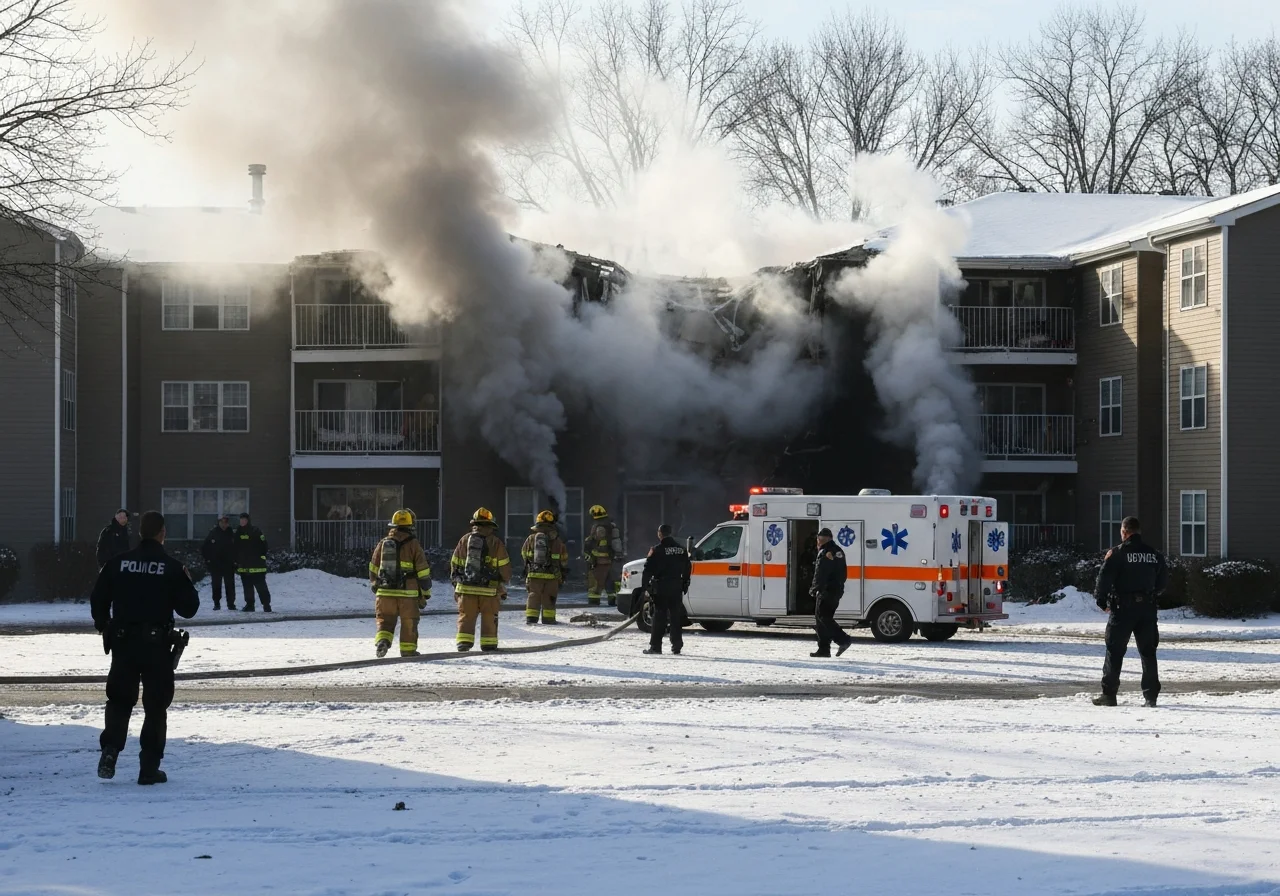
The diplomatic dance toward ceasefire faced brutal reality checks as Russian forces doubled down on Kyiv’s civilian infrastructure—a classic case of "negotiate with one hand, bomb with the other." The November 29, 2025 strikes (3 dead, 29 wounded per The Hindu) saw intercepted drones rain debris on western Kyiv’s residential blocks, triggering Mayor Klitschko’s grim update on power outages. This winter warfare playbook—weaponizing cold—mirrors Moscow’s cost-imposition calculus: erode civilian morale while diplomats talk.
Ukrainian Counterstrikes on Russian Assets
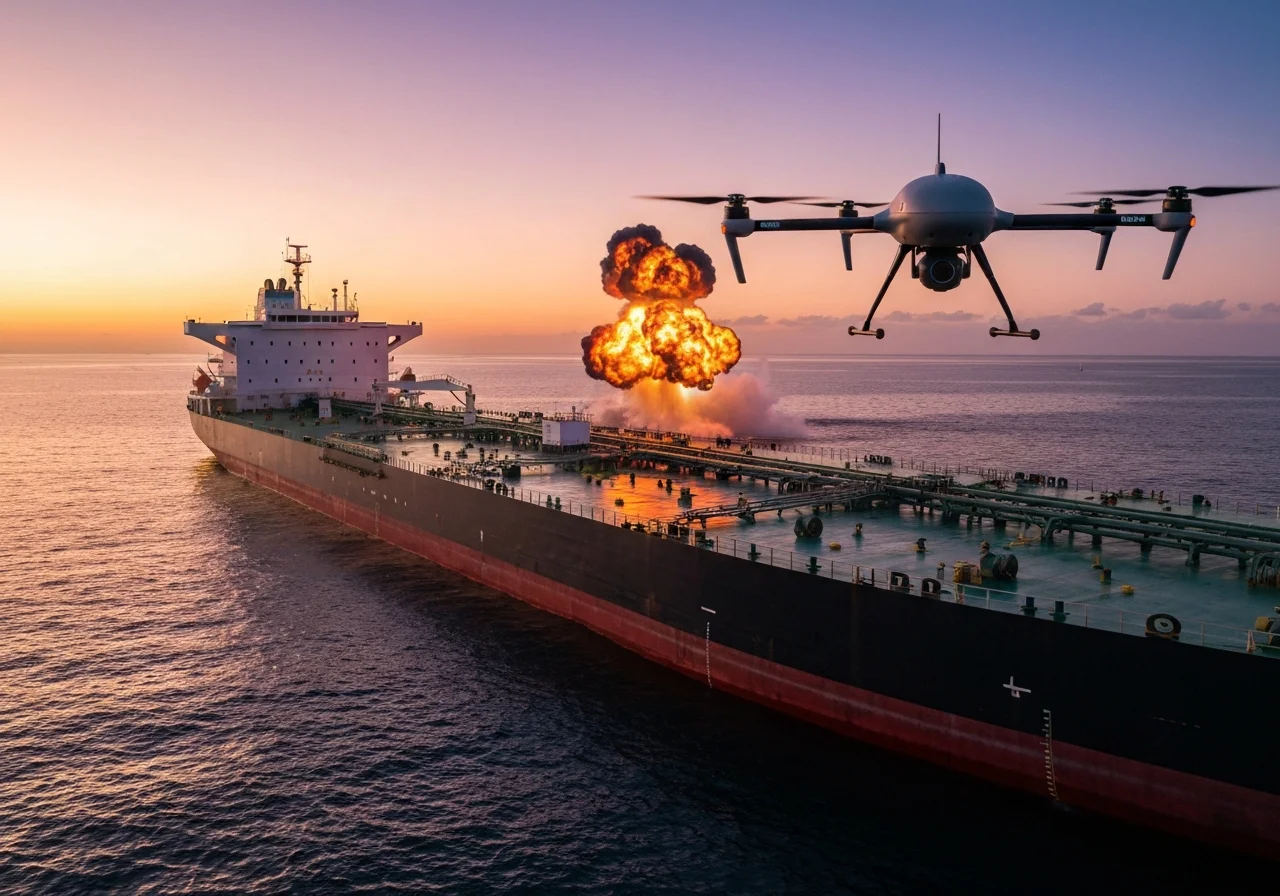
Kyiv’s asymmetric response? A surgical strike on Russia’s energy wallet. The Novorossiysk oil terminal hit—disabling $70M in transport capacity—was no random jab but a revenue interdiction masterstroke. Ukraine’s domestically produced Sea Baby drones didn’t stop there, nailing shadow fleet tankers Kairos and Virat. This isn’t just tactical—it’s economic warfare 101: starve the Kremlin’s war chest while their negotiators sip tea.
Geopolitical Repercussions of Proposed Deal
European Concerns Over US-Brokered Terms
The upcoming December 1 Paris summit between French President Emmanuel Macron and Ukrainian leader Volodymyr Zelenskyy reads like a geopolitical chess move—one designed to counterbalance Washington's aggressive dealmaking. Both leaders will hammer out a "just and lasting peace" framework in lockstep with European allies, signaling Brussels' growing discomfort with Trump's 28-point peace blueprint. Market analysts tracking diplomatic risk premiums note the plan's apparent tilt toward Moscow, with Macron's invocation of Geneva negotiation protocols revealing Europe's bid to retain leverage over settlement terms that could redraw Eastern Europe's security map.
Internal Ukrainian Political Fallout
Zelenskyy's sudden dismissal of Chief of Staff Andrii Yermak—triggered by anti-corruption raids on his residence—has thrown Kyiv's negotiation machinery into disarray at the worst possible moment. Yermak wasn't just another bureaucrat; he was Ukraine's lead interlocutor with Washington during intensifying American pressure to seal a deal. The timing couldn't be worse, coinciding with Florida talks between U.S. Secretary of State Marco Rubio and Ukrainian security czar Rustem Umerov. This political earthquake risks leaving Kyiv's delegation reading from different playbooks as negotiations enter the endgame.
TABLE_NAME
<div data-table-slug="ukraine-govt-changes">| Official Name | Date of Change | Stated Reason |
|---|---|---|
| Andrii Yermak | Nov 28, 2025 | Anti-corruption investigation |
| [Position 2] | [Date] | [Reason] |
| [Position 3] | [Date] | [Reason] |
Ukrainian Energy-Targeted Drone Warfare
Kyiv's surgical strikes on Russia's energy arteries are textbook economic warfare—crippling the Kremlin's cash flow while dodging direct confrontation. That November 29 raid on Novorossiysk's oil terminal? A masterclass in asymmetric finance disruption. Ukraine's homegrown Sea Baby drones knocked out a $70M/month oil chokepoint, part of a broader squeeze on Moscow's shadow fleet. SBU intel suggests these naval drone ops have clipped 30% of Russia's export capacity since August 2025—a revenue hemorrhage even Putin's war chest can't ignore.
The released attack footage isn't just PR—it's a balance sheet flex. Every flaming tanker video reassures Western backers their aid buys tangible ROI, though the risk of Russian payback against Ukraine's grid looms large.
Russian Winter Siege Tactics
Moscow's playing the long game with its fourth winter energy blitz—a brutal cost-benefit calculation where civilian suffering equals negotiation leverage. Those November 29 missile barrages blacking out Kyiv? Classic thermal terrorism, timed to undercut diplomatic chatter. The Kremlin's playbook treats Ukraine's power grid like a corporate raider targets weak subsidiaries: systematic degradation to force concessions.
But here's the kicker—these attacks may backfire. Each blown transformer hardens Western resolve, turning snowbound Ukrainians into inadvertent PR assets. The real question isn't military capacity but financial endurance: how many $3M cruise missiles can Russia burn before the ledger bleeds red?
Economic War of Attrition
This conflict's morphed into a grudge match between two battered economies. Ukraine's drone campaign has allegedly shaved 18% off Russia's oil exports—a direct hit to Moscow's petrodollar lifeline. Meanwhile, 40% of Ukraine's grid hangs by a thread after relentless Russian strikes.
The math is merciless: both sides are burning through reserves faster than NATO can print aid packages. With Western wallets tightening and Trump's team pushing a Russia-friendly deal, December's Macron-Zelenskyy huddle could be Kyiv's last chance to secure alternative financing before the balance tips.
References


Get Daily Event Alerts for Companies You Follow
Free: Register to Track Industries and Investment Opportunities