

Will Trump's New Tariffs Trigger Another Market Meltdown?
Will Trump's New Tariffs Trigger Another Market Meltdown?
AI Summary
Trump's tariff threats and China's rare earth export controls spark 2.7% S&P 500 drop, exposing tech sector vulnerabilities and shifting consumer spending patterns amid heightened volatility.
Keywords
Trade War Fears Resurface
Trump's tariff announcement rattles markets
The markets got a rude awakening when President Trump fired off his Truth Social post threatening a "massive increase" in China tariffs—classic Trump volatility striking again. This wasn't just another policy tweet; it torpedoed what had been a calm trading session, sending the S&P 500 into its worst single-day nosedive since April's infamous "Liberation Day" chaos. The cancellation of his Xi Jinping meeting—citing China's rare earth export restrictions as proof of trade hostility—was the knockout punch.
Traders initially shrugged off the morning's mild gains, only to get whiplash by midday. The president's abrupt declaration that "there seems to be no reason" to meet Xi erased any near-term hopes for détente. Markets hate uncertainty more than bad news, and this was uncertainty on steroids—a flashback to April's 12% S&P 500 plunge, though that carnage took weeks to recover.
Rare earths export controls escalate tensions
China just upped the ante in this high-stakes trade poker game with its expanded rare earth export controls. This isn't just about tariffs anymore—it's a surgical strike on the tech sector's lifeline. Beijing's new rules mandate government licenses for exporting products containing even 0.1% rare earth elements by value, effectively putting a chokehold on everything from defense systems to EV batteries.
The fallout was immediate and brutal: Alibaba and Baidu cratered 8% in U.S. trading as investors grasped the long-term implications. Unlike tariffs, these export controls expose an uncomfortable truth—Western manufacturers are shackled to China's mineral processing dominance. When Trump accused Beijing of holding the world "captive," he wasn't just blustering. This is economic warfare with supply chains as the battlefield.
MARKET-REACTION-COMPARISON
| Event Date | S&P 500 Drop | Dow Points Lost | Nasdaq Decline | Recovery Period |
|---|---|---|---|---|
| April 10, 2025 | 12% | 4,600 | 14.3% | 5 weeks |
| October 11, 2025 | 2.7% | 878 | 3.6% | Ongoing |
Major indices suffer steep declines
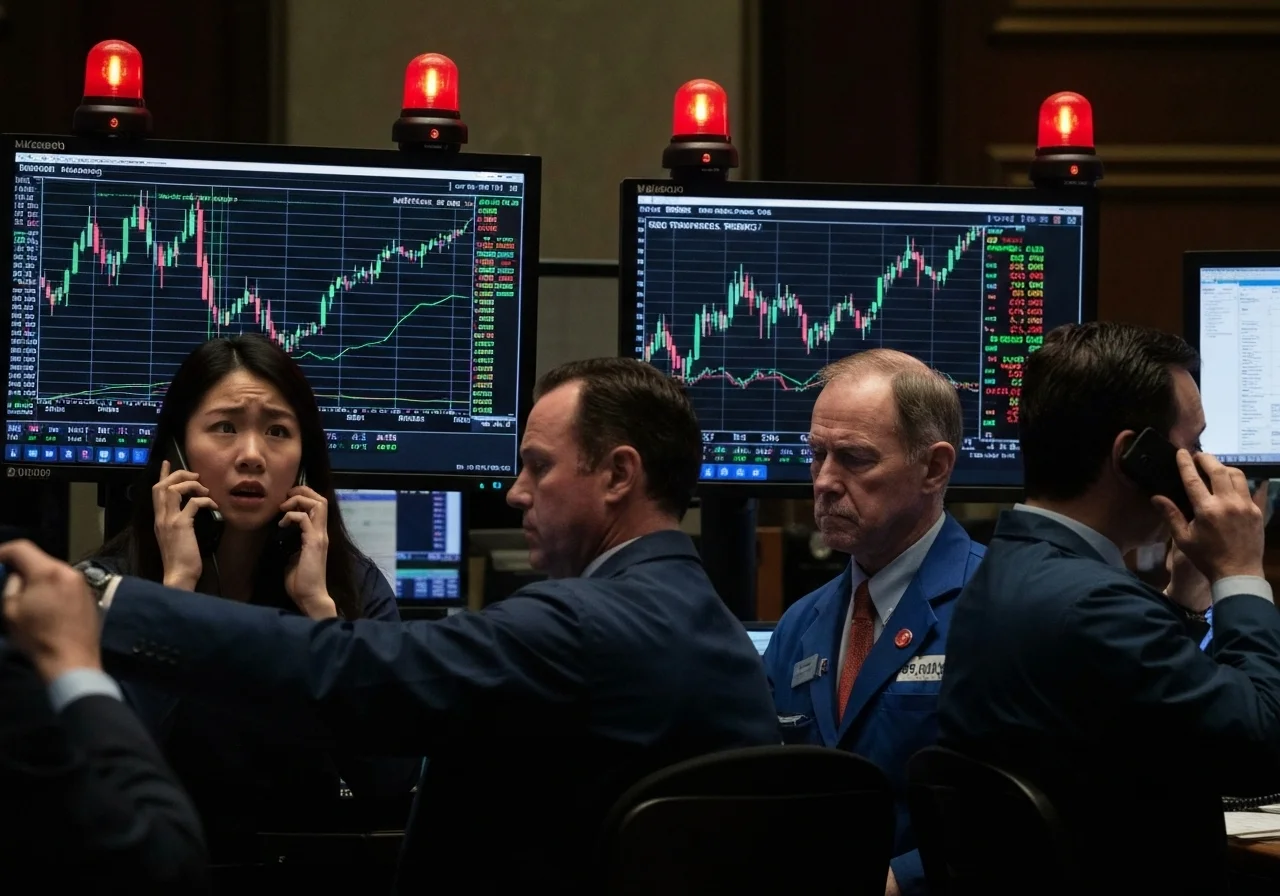
The Street got a brutal reminder that trade war ghosts never truly vanish. The S&P 500’s 2.7% nosedive to 6,552.51 marked its ugliest session since April’s "Liberation Day" meltdown, with the Nasdaq taking a 3.6% haircut (820 points) as algos went haywire. Context matters here: this wasn’t some garden-variety pullback—it vaporized $2.4 trillion in market cap, exposing how fragile the 35% post-April rally really was. Evidence? The VIX’s 35% spike screams panic, while skeptics’ warnings about stretched valuations suddenly look prescient. Wrap it up: when tariffs talk, markets walk—and this time, they sprinted.
Chinese tech stocks bear brunt
Beijing’s tech darlings got spanked hardest, with Alibaba and Baidu both cratering 8%—proof that trade tensions remain the kryptonite for China’s market recovery. Contextualize this: the iShares MSCI China ETF (MCHI) still sports a 32% YTD gain despite its 5.2% plunge, suggesting investors are playing a nervous game of wait-and-see. Evidence mounts with rare earth export controls threatening 60% of tech supply chains, sending JD.com and PDD down 6.6% and 5.2% respectively. The wrap? China’s stabilization narrative just hit a tariff-shaped pothole.
Economic Ripple Effects
Consumer spending patterns shift
The latest tariff shockwaves have laid bare what we on Wall Street call the "bifurcated consumer" phenomenon—Moody's Analytics data confirms the top 10% now drive half of all spending. This isn't your grandfather's inflation playbook. While luxury retailers like Tiffany & Co. barely flinch at price hikes (Fed Governor Waller called it "inelastic demand" on CNBC), discount chains are getting squeezed in what analysts term "the Walmart effect"—absorbing costs to protect their paycheck-to-paycheck shoppers. The April "Liberation Day" déjà vu hits hard here: Apollo's Slok noted tariffs became a cash cow for Treasury, yet affluent households kept swiping Amex cards like nothing happened.
Oil markets reflect trade concerns
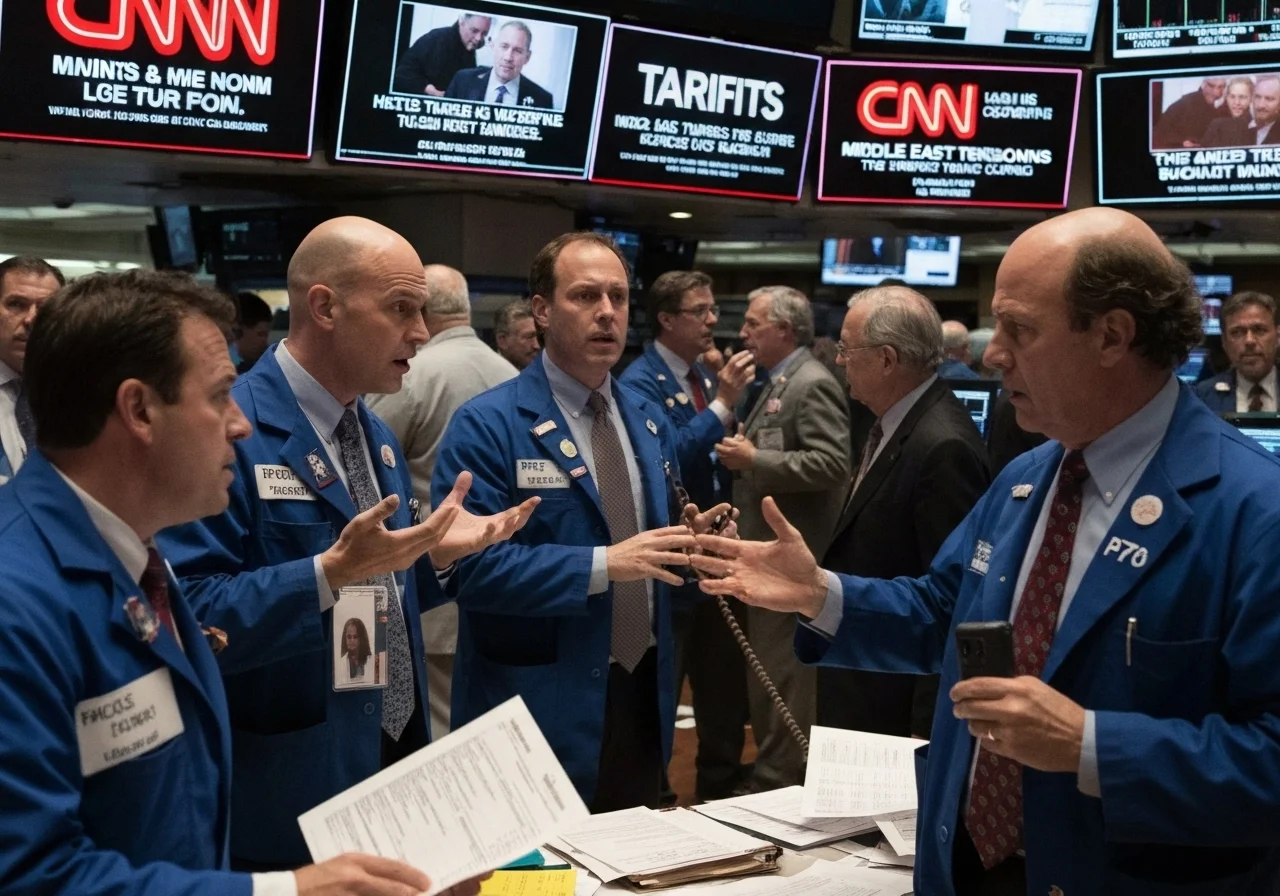
Traders got whiplash as crude prices nosedived 4.2%—the most since April's tariff tantrum—after Trump's Truth Social broadside. But here's the kicker: the selloff coincided with a Gaza ceasefire that normally would've stabilized prices. Instead, we saw Brent crude tank 3.8% as the market priced in reduced global trade volumes. This double-whammy proves geopolitics now rivals OPEC meetings in moving energy markets. The S&P 500 energy sector's underperformance tells the story—while Big Oil used to be a safe haven, today's algorithms treat pipelines like canaries in the trade war coal mine.

Geopolitical Uncertainty Prevails
Historical parallels raise concerns
The market's Friday nosedive gave seasoned traders déjà vu—we've seen this horror movie before. April's 12% market plunge following Trump's "Liberation Day" tariffs played out similarly, with the S&P 500 hemorrhaging trillions before staging a V-shaped recovery. This rinse-and-repeat pattern suggests markets are building muscle memory for trade war shocks, though Friday's velocity—with the Dow shedding 878 points in hours—shows nerves remain raw.
The critical divergence? Valuation altitude. April's selloff hit during an early-year rally, while October's drop comes after the S&P 500's 35% moonshot from April lows. Elevated P/E ratios mean less padding for the fall—like jumping from a third-story window versus ground floor.
Fed policy faces new complications
The Fed's walking a tariff tightrope without a net. Governor Waller's dissection of prior tariffs reveals a bifurcated consumer impact—luxury buyers absorb price hikes while discount chains eat margins. This creates policy schizophrenia: cutting rates risks unleashing inflation yet standing pat could crater consumer spending.
U. Michigan's latest sentiment data shows Main Street isn't buying the "soft landing" narrative. With inflation expectations still parked at 4.6% and job worries creeping in, the Fed's playbook looks increasingly outdated. The market's pricing in policy whiplash—expect more violent sector rotations until clarity emerges.
| Policy Option | Likelihood | Market Impact |
|---|---|---|
| Accelerated rate cuts | Low | Short-term relief, long-term inflation risk |
| Rate pause | High | Continued volatility, sector rotation |
| Hawkish guidance | Medium | Tech selloff, defensive rally |
Trade Policy Crossroads
Market volatility becomes new normal
The trading floors are buzzing with what veterans call "the new abnormal"—where AI-fueled rallies meet geopolitical landmines. The S&P 500's 2.7% nosedive, its steepest since April's tariff tantrum, reveals a market pricing in phantom earnings. As Federal Reserve Governor Chris Waller notes, tariffs are cleaving consumer markets: luxury brands laugh while discount retailers sweat. This aligns with Moody's Analytics data showing the top decile drives 50% of spending—a house of cards when trade winds blow.
Strategic mineral dependencies exposed
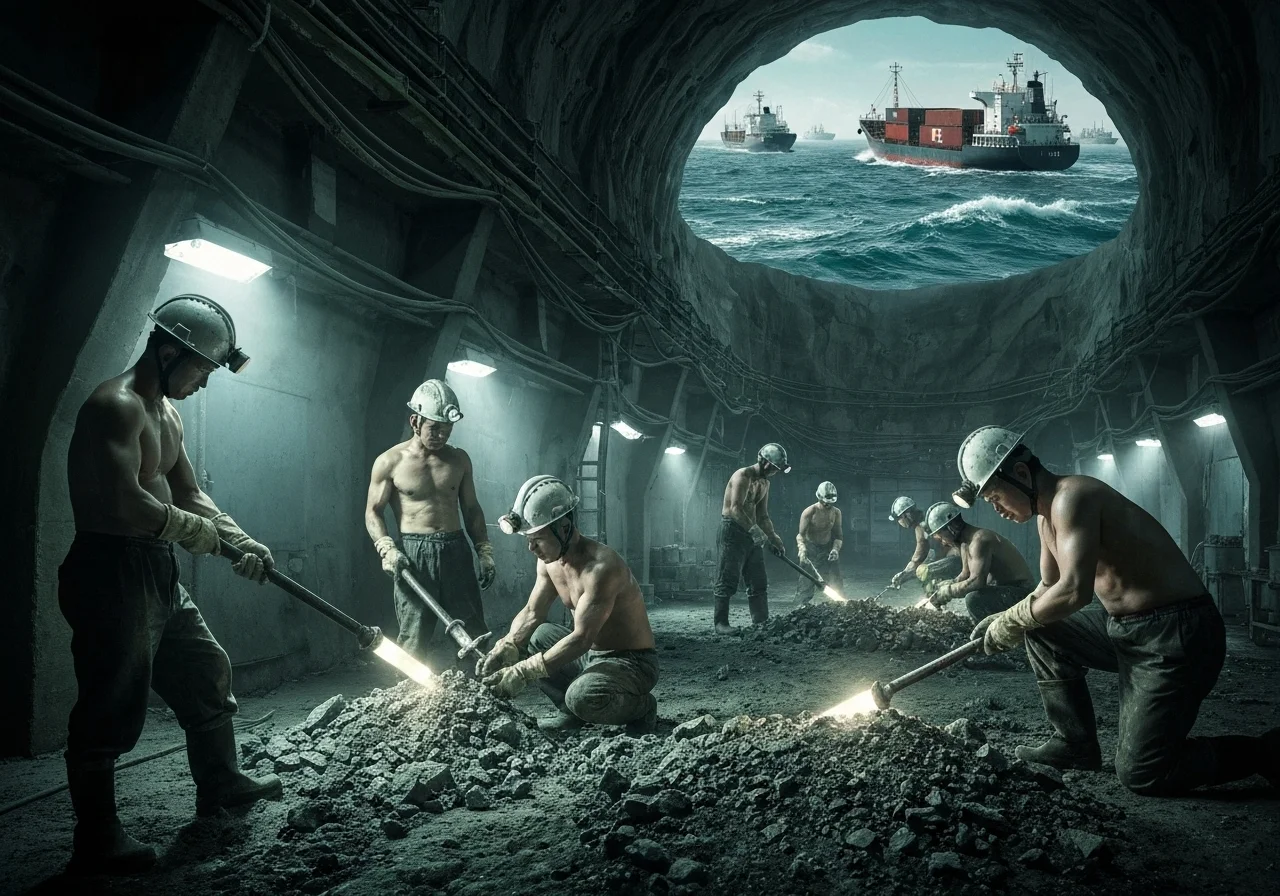
China just played its rare earth trump card, slapping export controls on materials with mere 0.1% content—a masterclass in supply chain judo. As CNBC reports, this move exposes the West's Achilles' heel: 85% of global processing sits behind the Great Firewall. The fallout? Chinese tech ADRs tanked 8%, proving even Trump's tariff threats can't mask this structural vulnerability.
GLOBAL RARE EARTH SUPPLY CHAIN
| Metric | China Share | Alternative Sources |
|---|---|---|
| Mining Output | 70% | Australia (12%), US (9%) |
| Processing Capacity | 85% | Malaysia (6%), Estonia (4%) |
| Magnet Production | 92% | Japan (5%), Germany (2%) |
| EV Battery Components | 78% | South Korea (11%) |
References


Get Daily Event Alerts for Companies You Follow
Free: Register to Track Industries and Investment Opportunities