

Trump Deploys Troops to Chicago Amid Federalism Clash
Trump Deploys Troops to Chicago Amid Federalism Clash
AI Summary
The White House deploys 300 National Guard troops to Chicago, citing lawlessness, while courts challenge the move under the Insurrection Act. Legal experts warn of federal overreach and threats to state sovereignty.
Keywords
Trump Authorizes Chicago Troop Deployment
National Guard Mobilization Rationale
Let’s cut through the political noise—the White House’s deployment of 300 Illinois National Guard troops hinges on a classic "law and order" playbook. Citing "ongoing violent riots and lawlessness", the administration leverages the Insurrection Act of 1807, a dusty statute last dusted off during the Rodney King riots. Legal eagles point out the shaky ground here—Chicago’s protests hardly meet the Act’s threshold for "rebellion." The move mirrors prior deployments in Portland and LA, suggesting a tactical blueprint for Democratic-led cities.
Border Patrol Shooting Incident
Here’s where the plot thickens: DHS’s claim of an "ambushed by domestic terrorists" showdown smells fishier than a Lake Michigan pier. Chicago PD’s counter-narrative—frozen out of the investigation—hints at federal overreach. No conclusive video? That’s a red flag for forensic analysts. This incident became the administration’s Exhibit A for troop deployment, but skeptics see it as political theater.
Deployment Timeline
| Date | City | Key Decision/Event |
|---|---|---|
| 2025-10-05 | Chicago | Trump authorizes 300 National Guard troops |
| 2025-10-05 | Portland | Federal judge blocks 200-troop deployment |
| 2025-10-05 | Chicago | DHS reports Border Patrol shooting incident |
Legal Challenges to Federal Interventions
Oregon court blocks troop deployment
The federal bench just dropped a constitutional bombshell—Judge Immergut slammed the brakes on deploying National Guard units to Portland, calling the White House's rationale "legally unmoored". This ruling creates a watershed precedent: property damage ≠ insurrection under the Insurrection Act. The court's 28-page order meticulously dissects the administration's overreach, noting Portland's protests lacked the organized violence threshold required for military intervention.
Constitutional separation of powers debate
Here's where it gets spicy—Judge Immergut's ruling exposes the fault lines in federalism, warning that unchecked troop deployments "erode the bedrock" of state sovereignty under the Posse Comitatus Act. The decision throws shade on using the Insurrection Act as a political cudgel, emphasizing that local PDs retain primary jurisdiction. This judicial skepticism could ripple through pending Chicago deployment challenges, particularly regarding what constitutes "lawlessness" versus constitutionally protected dissent.

Political Dynamics of Urban Deployments
Democratic-led City Targeting Pattern
The Trump administration’s National Guard deployments reveal a textbook case of political targeting—Chicago, Portland, and Los Angeles form a trifecta of Democratic strongpoints facing disproportionate mobilization. This isn’t just about crime stats; it’s a calculated chess move aligning with the White House’s broader narrative of urban "lawlessness." The Times of India’s analysis nails it: these deployments are less about public safety and more about federal overreach theater. The selection criteria? A mix of protest volume and local leadership party lines—creating a self-fulfilling cycle where deployments ignite tensions in jurisdictions already primed to resist.
State-Federal Jurisdiction Conflicts
When Illinois Governor J.B. Pritzker slams the Chicago deployment as a "manufactured crisis" (BBC report), he’s spotlighting a constitutional fault line. This isn’t just a turf war—it’s a stress test for the Posse Comitatus Act, with the administration exploiting gray zones between "protection" and military policing. The Oregon court’s rebuke of blurred civil-military boundaries echoes here, exposing the raw nerve of federalism: when D.C.’s security claims clash with states’ rights, who blinks first? Legal eagles warn this could rewrite the playbook on executive power—permanently.

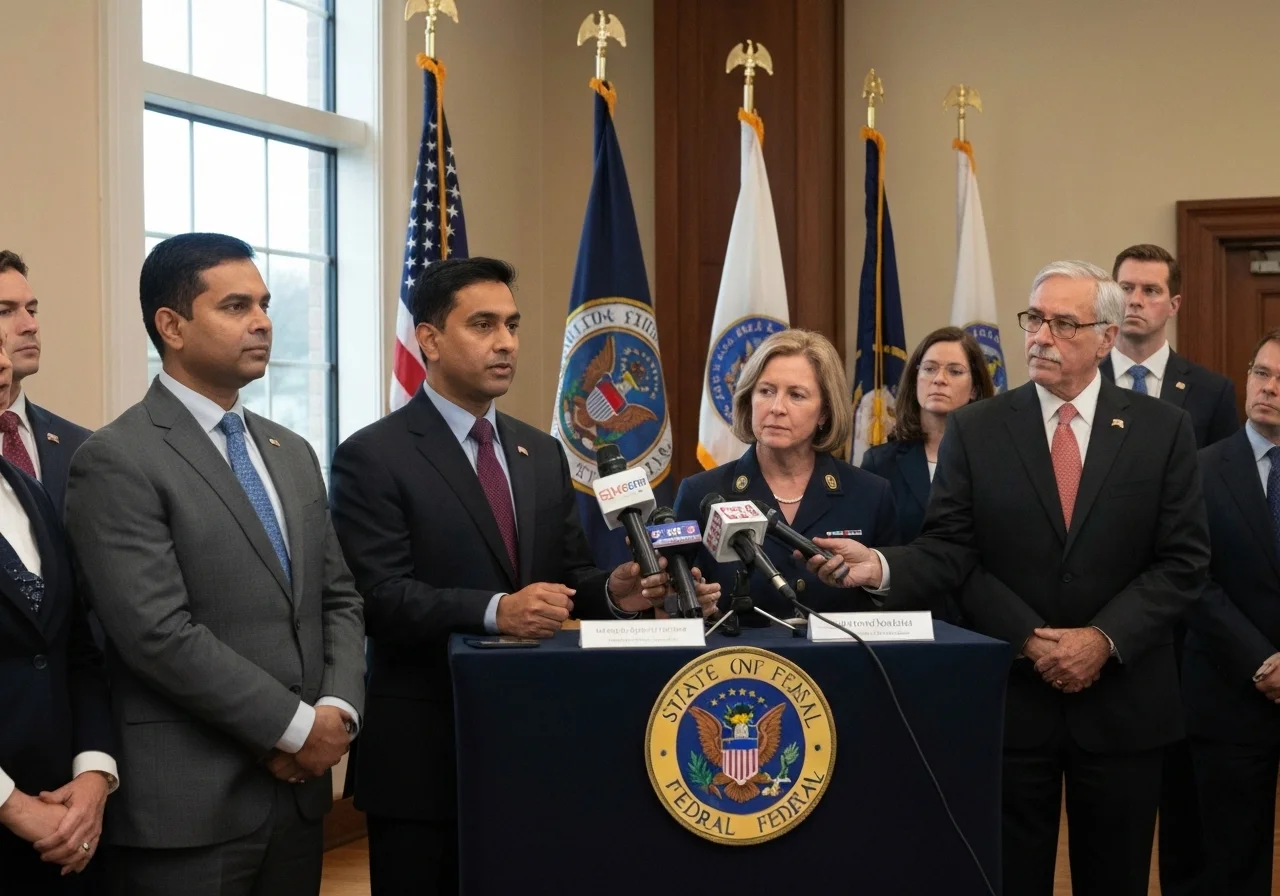
Federalism Under Executive Pressure
Constitutional separation of powers debate
The deployment of National Guard troops to Chicago has reignited the age-old federalism debate—where exactly does the federal government's authority end and state sovereignty begin? Federal Judge Karin Immergut's ruling in Portland threw cold water on executive overreach arguments, bluntly stating the administration's rationale "risk[s] blurring the line between civil and military federal power" (BBC News). This judicial smackdown exposes the raw tension between Article II's executive powers and the Tenth Amendment's states' rights protections—a constitutional tug-of-war that's playing out in real time.
Legal eagles are calling this a stress test for federalism, especially when state governors like Illinois' J.B. Pritzker are digging in their heels. The Brisbane Times report reveals Oregon's federal judge wasn't having it either, ruling the president's determination "simply untethered to the facts." These rulings could set precedent for judicial review of emergency deployments—a potential game-changer for checks and balances.
State-federal jurisdiction conflicts
Illinois Governor Pritzker's "manufactured crisis" remark (BBC) perfectly captures the widening rift between blue states and federal executive actions. Local officials increasingly view these troop deployments as political theater rather than legitimate law enforcement—a perception that's hardening into institutional resistance.
The jurisdictional mess gets murkier when you look at operational control. Chicago PD's quick distancing from the Border Patrol shooting (Times of India) shows what happens when federal forces operate against state objections—you get a patchwork of accountability that leaves everyone pointing fingers. These clashes raise serious questions about who calls the shots when the feds and locals are at odds.
References


Get Daily Event Alerts for Companies You Follow
Free: Register to Track Industries and Investment Opportunities