

How Did Trump's Knesset Speech Reshape Middle East Diplomacy?
How Did Trump's Knesset Speech Reshape Middle East Diplomacy?
AI Summary
Trump's Knesset address declared a new Middle East era, highlighting US-Israel security coordination and UNRWA funding controversies. Strategic shifts suggest lasting regional realignment.
Keywords
Analyzing Key Themes from the Speech
Declaration of New Middle East Era
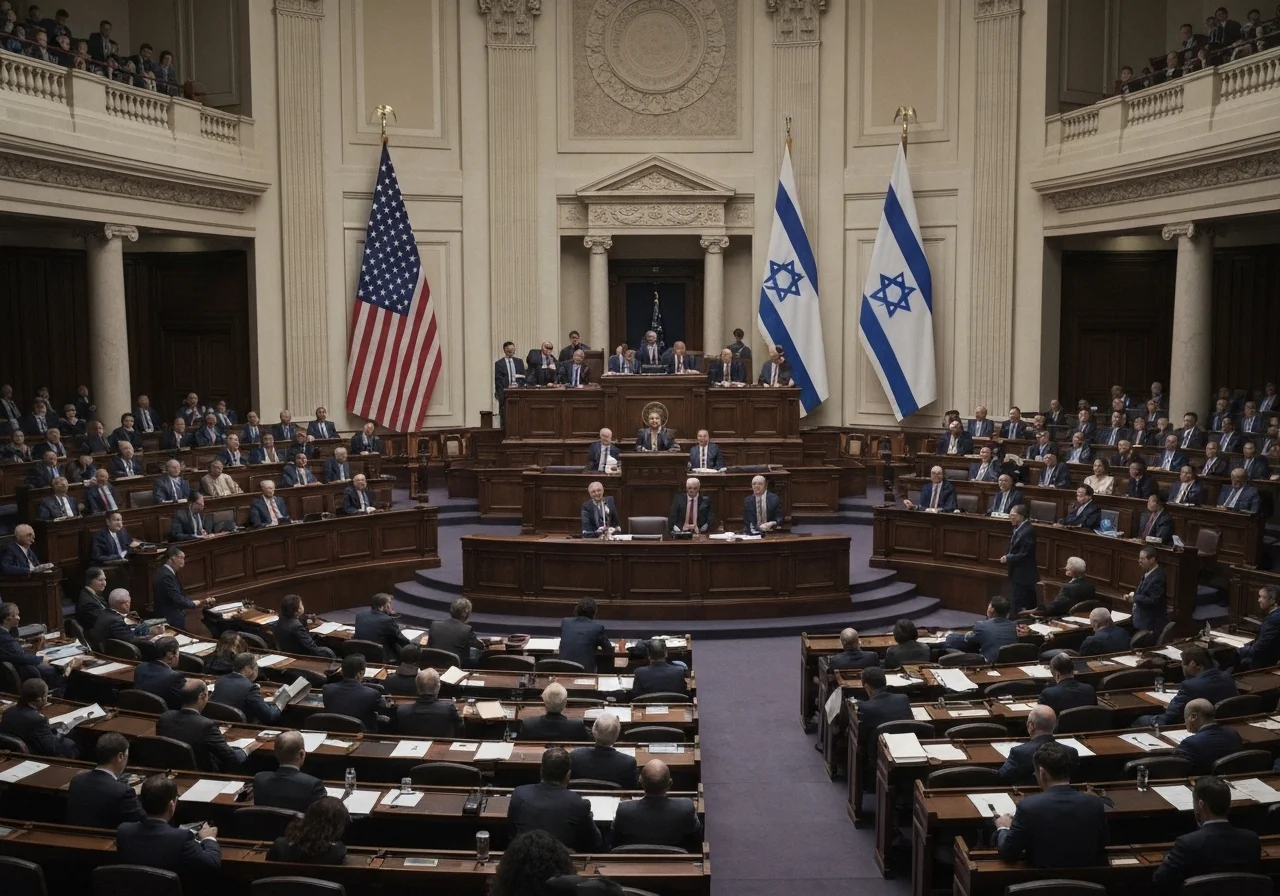
The Knesset address marked a watershed moment in Middle East diplomacy, with President Trump framing the hostage release as the dawn of a "golden age" for Israel and the region. This audacious claim, captured in his landmark speech, stands in stark contrast to the cyclical nature of regional conflicts. The theological undertones—invoking the "Almighty God of Abraham, Isaac and Jacob"—elevated the discourse beyond conventional statecraft, suggesting a paradigm shift in how geopolitical victories are narrativized.
TABLE_NAME
<div data-table-slug="us-israel-policy-comparison">| Policy Area | US Position (2024) | EU Position (2024) |
|---|---|---|
| Palestine Recognition | Opposed unilateral moves | Supported by France/UK |
| UNRWA Funding | Frozen pending dissolution | Continued with reforms |
| Iran Containment | Joint military operations | Diplomatic engagement |
US-Israel Strategic Alignment
The speech underscored the deepening US-Israel alliance, with Prime Minister Netanyahu's pointed contrast between Trump's approach and what he termed the "weak leadership" of European counterparts. As detailed in this analysis, the strategic divergence was most pronounced on Palestinian statehood—a flashpoint where US and EU policies now fundamentally diverge. The two-hour standing ovation for Trump in the Knesset wasn't just diplomatic theater; it was a tangible manifestation of this geopolitical realignment.
Controversies Surrounding UNRWA Funding
Terrorist Employment Allegations
The UNRWA's operational framework now teeters on the brink after explosive revelations tied agency personnel to the October 7 Hamas attacks. A State Department dossier paints a damning portrait, labeling the organization "institutionally compromised" with evidence showing staff facilitated the massacre of 1,200 Israelis. Israeli intelligence confirms at least 12 UNRWA employees directly participated in terror operations—a smoking gun that's triggered existential questions about the agency's Gaza operations. Defense analysts note the agency's infrastructure has become enmeshed with Hamas' military networks, creating what former Minister Yoav Gallant calls "a taxpayer-funded terror pipeline."
US Funding Freeze Ramifications
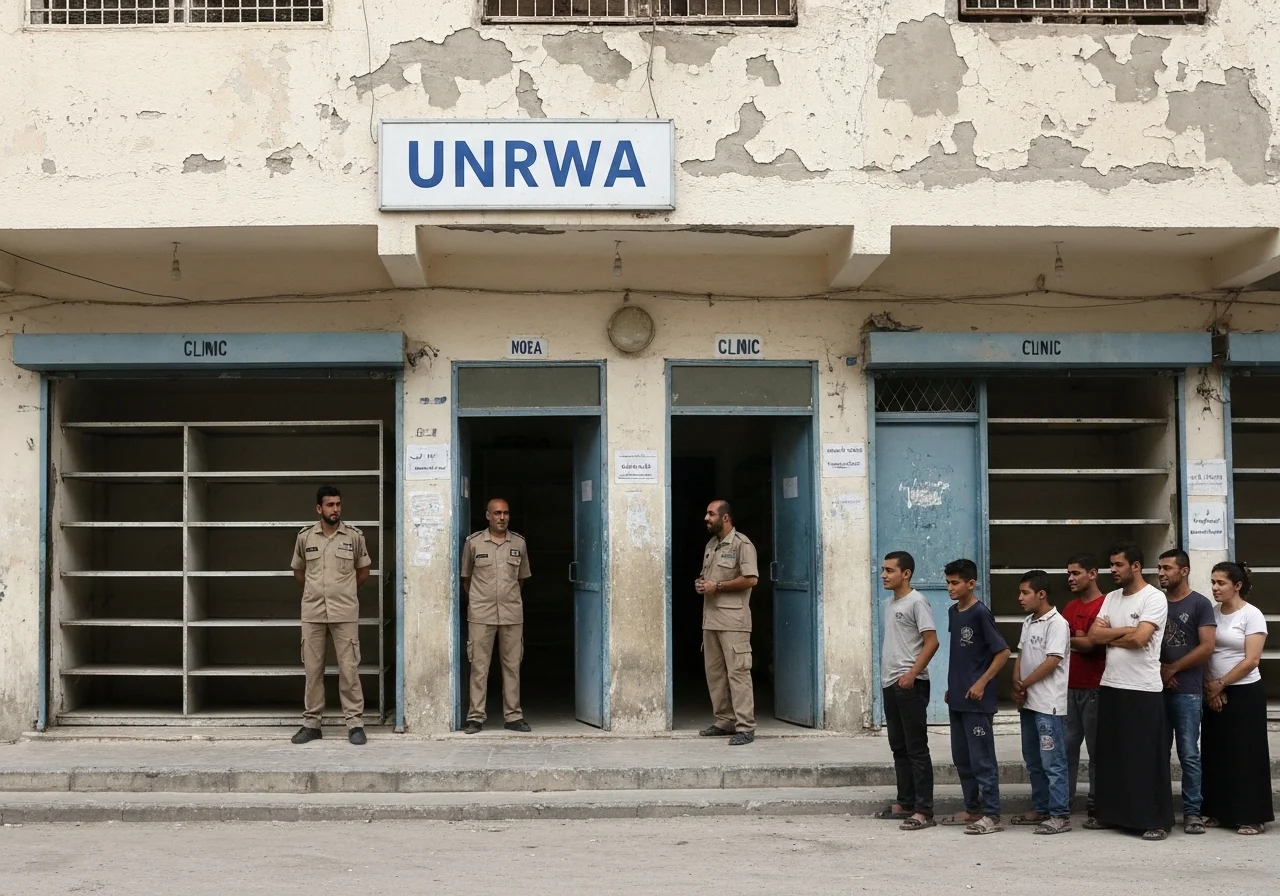
Washington's January 2024 funding suspension blew a $1 billion hole in UNRWA's budget, crippling services for 5.9 million registered refugees overnight. The Biden administration's prior allocations—which bankrolled 30% of operations—vanished alongside critical aid channels. Secretary Rubio's dissolution push sparked a domino effect, with Japan and Germany freezing $600 million in annual contributions. Compounding the crisis? UNRWA's failure to return $125 million in unspent U.S. funds—a Trump-era mandate now haunting relief efforts as 58 clinics shutter.
UNRWA FUNDING TIMELINE
| Fiscal Year | US Contribution | Operational Impact |
|---|---|---|
| 2021 | $318M | Maintained 700+ schools |
| 2022 | $401M | Expanded food aid programs |
| 2023 | $281M | Reduced healthcare services |
| 2024 | $0 | 58 clinics shuttered |
Geopolitical Repercussions of Hostage Resolution
Security Implications for Gaza
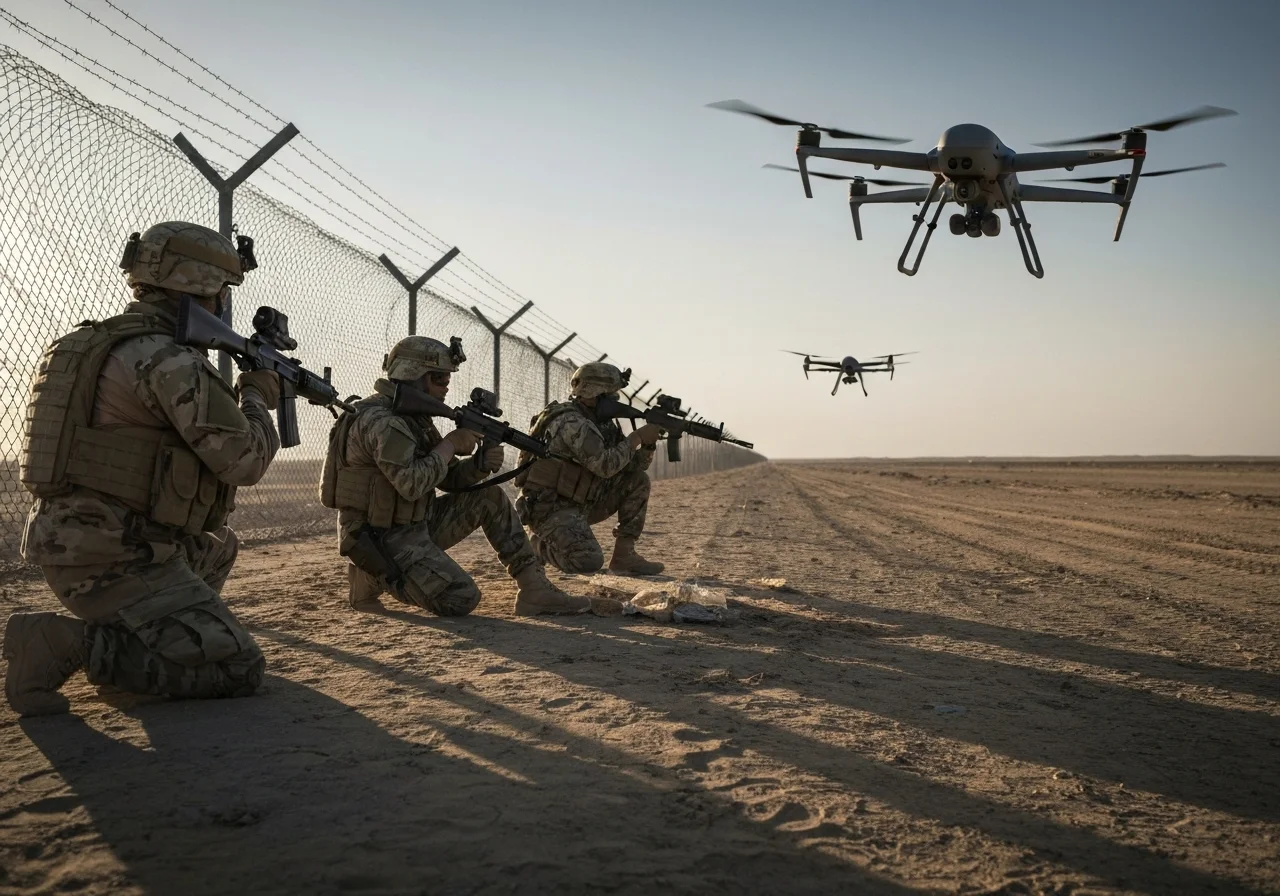
The release of 20 living Israeli hostages marks a watershed moment in Gaza's security calculus—what veteran conflict analysts might call a "force multiplier" for regional stability. President Trump's Knesset address framed this development as enabling long-term Hamas deterrence strategies, though the elephant in the room remains unresolved humanitarian concerns surrounding remaining captives. The joint US-Israel operational posture against Iranian nuclear facilities, referenced during the speech, suggests an expanded security paradigm stretching beyond Gaza's borders. This aligns with Netanyahu's doctrine of sustained military pressure to prevent terrorist regrouping, though skeptics warn such hardline approaches risk collapsing fragile humanitarian corridors like a house of cards.
Regional Power Dynamics Shift
Trump's "golden age" proclamation for Israel coincides with tectonic shifts in Middle Eastern alliances—what geopolitical traders might term a "realignment play." The joint US-Israel operations against Iranian nuclear sites demonstrate upgraded security coordination at DEFCON levels, while European leaders' recognition of Palestinian statehood creates diplomatic friction akin to arbitrage opportunities. Netanyahu's veiled criticism of "weak leadership" from figures like Starmer and Macron underscores Israel's strategic pivot toward US-aligned partnerships—a move that could marginalize traditional EU mediators in future peace processes. These developments suggest a new regional order where influence flows toward actors willing to play hardball.
Middle East Diplomatic Realignment Prospects
Security Implications for Gaza
The release of 20 living Israeli hostages marks a watershed moment in Gaza's security landscape—what veteran analysts might call a "tactical inflection point." While President Trump's Knesset address framed this as a decisive blow against Hamas, the real test lies in converting short-term wins into durable deterrence. As CBS News' analysis notes, expect upgraded counterterrorism protocols focusing on border tech and tunnel warfare. Netanyahu's government now walks a tightrope—capitalizing on this momentum while acknowledging Hamas' residual strike capacity. The subsequent chain reaction could redefine Gaza's security architecture for years.
Regional Power Dynamics Shift
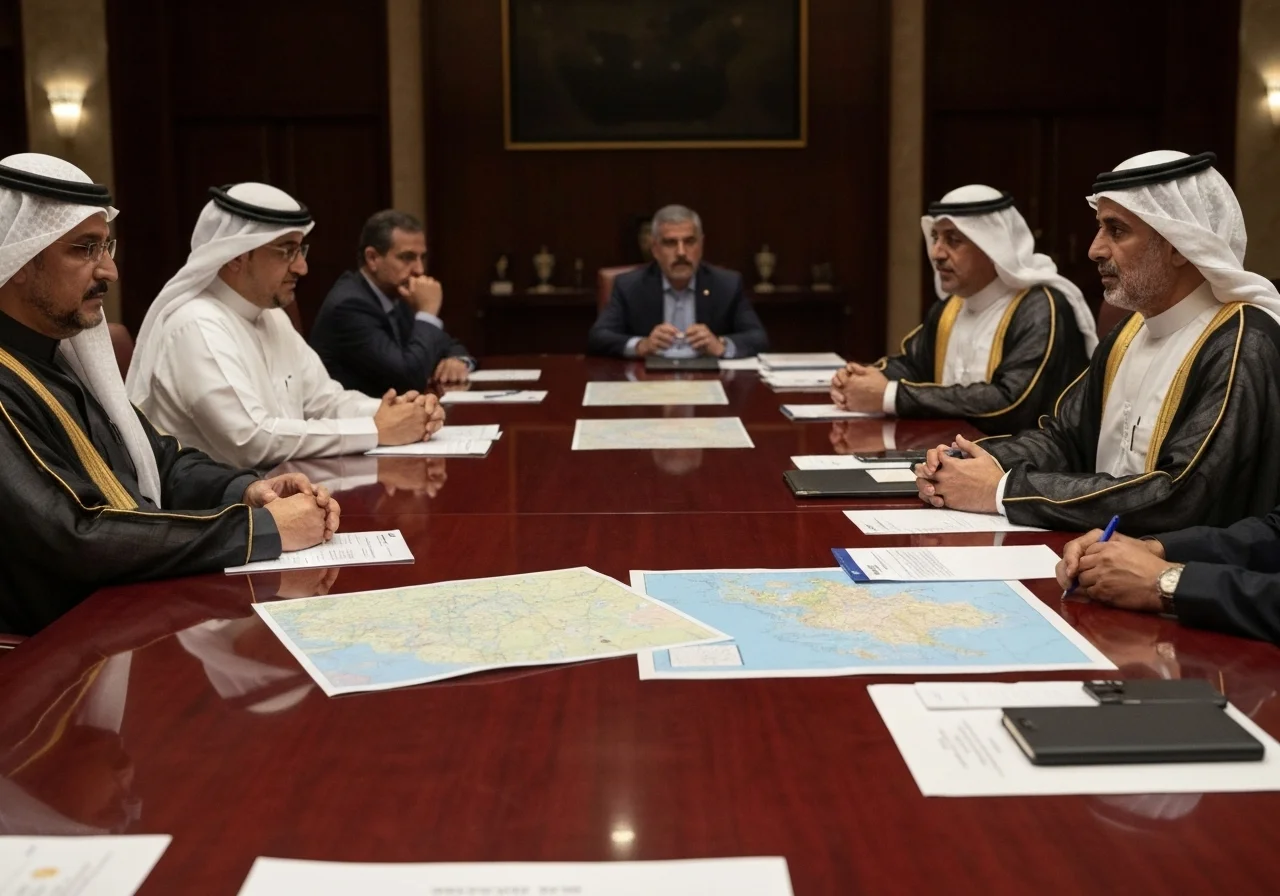
Trump's "golden age" rhetoric isn't just diplomatic flair—it's a strategic bet on US-Israel coordination against Iran's nuclear ambitions. The Daily Mail's report reveals joint ops targeting Iranian facilities, showcasing a harder line than Europe's conciliatory stance. Fundamentally, this dynamic pressures Gulf states to recalibrate alliances based on demonstrated US security commitments—a geopolitical chess move with trillion-dollar implications.
Projected security partnerships post-hostage deal
| Partnership Axis | Key Objectives | Likelihood Score (1-5) |
|---|---|---|
| US-Israel Intelligence | Counter Iranian nuclear proliferation | 4.8 |
| Israel-GCC Defense | Hamas containment strategies | 3.2 |
| EU-Palestinian Aid | Reconstruction funding oversight | 2.4 |
References


Get Daily Event Alerts for Companies You Follow
Free: Register to Track Industries and Investment Opportunities