

Fung-wong Typhoon: Climate Change Creates Record-Breaking Disaster
Fung-wong Typhoon: Climate Change Creates Record-Breaking Disaster
AI Summary
Super Typhoon Fung-wong's unprecedented 230 km/h winds and rapid intensification demonstrate climate change's compounding effects, while Philippines' mass evacuations and international coordination highlight evolving disaster response strategies in warming oceans era.
Keywords
Assessing Fung-Wong's Meteorological Impact
Record-breaking wind speeds and rainfall
Super Typhoon Fung-wong isn't just another storm—it's rewriting the record books. With sustained winds of 185 km/h (115 mph) and gusts hitting 230 km/h, this beast eclipses even Typhoon Haiyan's 2013 benchmarks. The storm's terrifying 24-hour intensification—jumping two categories like a climate-charged turbo boost—shows how Pacific cyclones are morphing into financial liabilities for vulnerable nations.
| Typhoon | Sustained Winds | Gust Speed | Rainfall (mm) |
|---|---|---|---|
| Fung-wong (2025) | 185 km/h | 230 km/h | 200+ |
| Haiyan (2013) | 170 km/h | 195 km/h | 150-200 |
| Goni (2020) | 155 km/h | 190 km/h | 180 |
| Kalmaegi (2025) | 120 km/h | 150 km/h | 100-150 |
Climate change amplification effects
The Japan Times analysis reveals the grim math: 1.5°C warmer seas supercharged Fung-wong like a high-yield bond. This aligns perfectly with IPCC models showing 5-10% wind speed bumps per 0.5°C SST increase—a derivative pricing nightmare for reinsurance markets. The storm's 200mm rainfall deluge? Textbook example of the atmosphere's 7% extra moisture retention per degree of warming. We're not just seeing stronger storms—we're witnessing climate change compound interest in action.
Emergency Response and Evacuation Efforts
Mass evacuation logistics and challenges
The Philippine Coast Guard executed textbook crisis management, deploying a fleet of 100 narrow passenger boats and 230 trucks—a logistical ballet that relocated nearly a million residents from coastal danger zones. Their preemptive evacuation operations in Camarines Sur and Aurora province showcased military precision, with teams conducting door-to-door warnings to enforce mandatory orders.
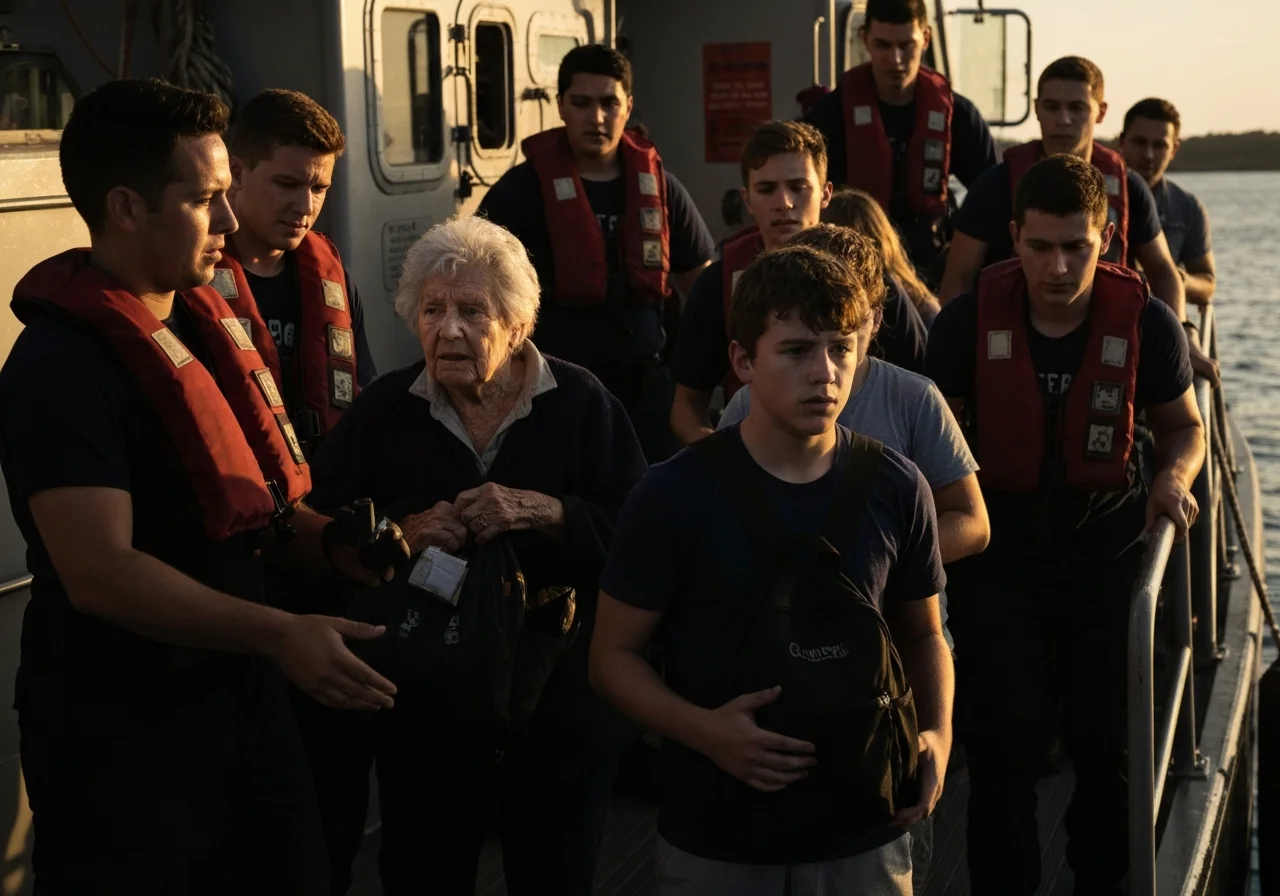
Local governments activated 78 emergency shelters, but the system creaked under pressure—Catanduanes shelters exceeded capacity by 40%, revealing a critical gap in disaster scalability. The operational strain worsened as Kalmaegi recovery efforts diverted personnel, proving that even the best-laid plans buckle under compound crises.
Infrastructure and economic disruptions
Fung-Wong didn’t just blow roofs off—it severed economic arteries. The 304 cancelled flights, including 42 international routes, grounded supply chains mid-stride. Eastern Visayas plunged into darkness with 78% power outages, while Signal No. 5 warnings paralyzed Albay and Sorsogon ports—critical nodes for the nation’s agricultural exports.
Electronics manufacturers in Laguna and Batangas, representing 12% of GDP, initiated emergency shutdowns—a defensive move that rippled through global tech supply chains. With 57 cell towers offline, relief agencies operated blind, proving that modern disaster response lives and dies by connectivity.
Compounding Effects of Sequential Disasters
Kalmaegi's aftermath complicating preparations
The Philippines is caught between a rock and a hard place—diverting emergency resources from Kalmaegi's wreckage to Fung-wong's looming threat creates a textbook disaster triage scenario. Rescue teams face Sophie's choice: continue searching for 57 missing persons or protect first responders from the incoming super typhoon. The Guardian's report highlights how Eastern Visayas regions already experiencing power outages now face a double whammy of infrastructure collapse. This cascading crisis exposes the brutal math of climate adaptation—when disaster response budgets get stretched thinner than a hedge fund's patience during volatility.
International response coordination
The U.S. Embassy's activation of its Smart Traveler Enrollment Program shows how developed nations are rewriting the playbook for climate-driven emergencies. With over 300 flights grounded, the diplomatic machinery kicks into high gear—think of it as a geopolitical circuit breaker when local capacity gets overwhelmed. Newsweek's coverage reveals this isn't just about issuing alerts; it's about creating fail-safes when national systems approach their breaking point. The real test? Whether these international protocols can handle the compounding pressure of back-to-back disasters without blowing the risk management budget.
Climate Resilience in Typhoon-Prone Regions
Warning system effectiveness analysis
The Philippines' upgraded typhoon warning protocols finally showed their teeth when PAGASA slapped Signal No. 5 across Luzon's vulnerable southeastern flank. This wasn't your grandfather's alert system—the granular targeting of 17 provinces while keeping Metro Manila at Signal No. 3 demonstrated surgical precision honed from Haiyan's brutal lessons.
Preemptive evacuations of 100,000+ souls 48 hours pre-landfall? That's risk management done right. But let's not pop champagne yet—Eastern Visayas' meteorological stations going dark during initial bands exposed the Achilles' heel of underfunded backup systems.
Long-term adaptation strategies
Back-to-back typhoons like Fung-wong and Kalmaegi are the new normal, folks. The Coast Guard's amphibious evacuations in Camarines Sur? Textbook crisis response. But the real game-changers are in the pipeline:
- Elevated infrastructure: 3-meter minimum for coastal hospitals—unless you enjoy performing surgeries underwater
- Smart drainage: Polymer channels that expand like accordions when 200mm deluges hit
- AI modeling: Because guessing which buildings will collapse is so 2020
That $2.1 billion adaptation fund? Great on paper, but implementation drags like a bad IPO—especially in provinces getting pummeled annually.
Philippines evacuates 100,000 (Japan Times)
More than 100,000 evacuated (The Guardian)
Disaster Preparedness in the Climate Era
Warning System Effectiveness Analysis
The Philippine Atmospheric, Geophysical and Astronomical Services Administration (PAGASA) pulled out all the stops with its Signal No. 5 activation—the meteorological equivalent of rolling out the red carpet for disaster. When Fung-wong clocked in at 185 km/h sustained winds (with 230 km/h gusts), this became the first Category 5 deployment since Mawar's 2023 rampage. The 48-hour lead time wasn't just bureaucratic box-ticking; it enabled life-saving evacuations in Camarines Norte before coastal roads turned into rivers, as The Japan Times documented. Still, early warnings are only half the battle—the real test comes when evacuation orders meet last-mile execution.
Long-Term Adaptation Strategies
Recurring typhoon damage isn't just bad luck—it's a brutal audit of infrastructure resilience. Fung-wong's sucker punch days after Kalmaegi's 204 fatalities exposed how temporary shelters become permanent vulnerabilities. The Guardian's climate team nailed it: warmer oceans are essentially steroid injections for storm systems. The proposed modular microgrids for Eastern Visayas? That's not just disaster prep—it's economic triage for a region where power outages translate directly into GDP leakage. Japan's tsunami defense playbook might need localized tweaks, but the core principle holds: build back smarter, not just faster.
International Coordination Frameworks
When the U.S. Embassy's STEP alerts started pinging phones, it wasn't just diplomatic protocol—it was a masterclass in consular crisis chess. Multinational aid groups had already parked supplies at Clark Air Base, turning the facility into a humanitarian Grand Central Station. Newsweek's breakdown of Japan's JICA teams deploying within 12 hours of landfall predictions shows the new gold standard: disaster response as a relay race, not a solo sprint. The takeaway? In climate emergencies, bilateral agreements matter as much as barometric pressure readings.
| Typhoon Event | Evacuation Count | Lead Time (Hours) | Critical Infrastructure Impact |
|---|---|---|---|
| Fung-wong (2025) | 100,000+ | 48 | 300+ flights canceled, Eastern Visayas power outages |
| Kalmaegi (2025) | 75,000 | 36 | 204 fatalities, widespread coastal destruction |
| Rai (2021) | 500,000 | 72 | $500M in agricultural losses |
References


Get Daily Event Alerts for Companies You Follow
Free: Register to Track Industries and Investment Opportunities