

Scotland's Epic World Cup Triumph Ignites National Jubilation
Scotland's Epic World Cup Triumph Ignites National Jubilation
AI Summary
Scotland's dramatic qualification after 28 years has united the nation, with Rod Stewart's viral celebration and a £200M tourism surge demonstrating sport's unique socioeconomic impact. Strategic substitutions and tactical evolution under Steve Clarke proved decisive.
Keywords
Historic victory sparks nationwide euphoria
Dramatic match culminates in 28-year drought broken
The psychological dividend of Scotland's 4-2 victory over Denmark at Hampden Park can't be overstated—this wasn't just a football match, but a national cathartic release after 28 years of World Cup exile. Veteran supporter Hamish Husband's commentary about the stoppage-time goals "creating an enormous amount of positivity" reflects what behavioral economists call a sentiment shock—a sudden uplift in collective morale with measurable socioeconomic ripple effects. Captain Andy Robertson's post-match declaration of "one of the greatest nights of my life" mirrors the peak-end rule in emotional accounting, where singular euphoric events disproportionately shape national memory.
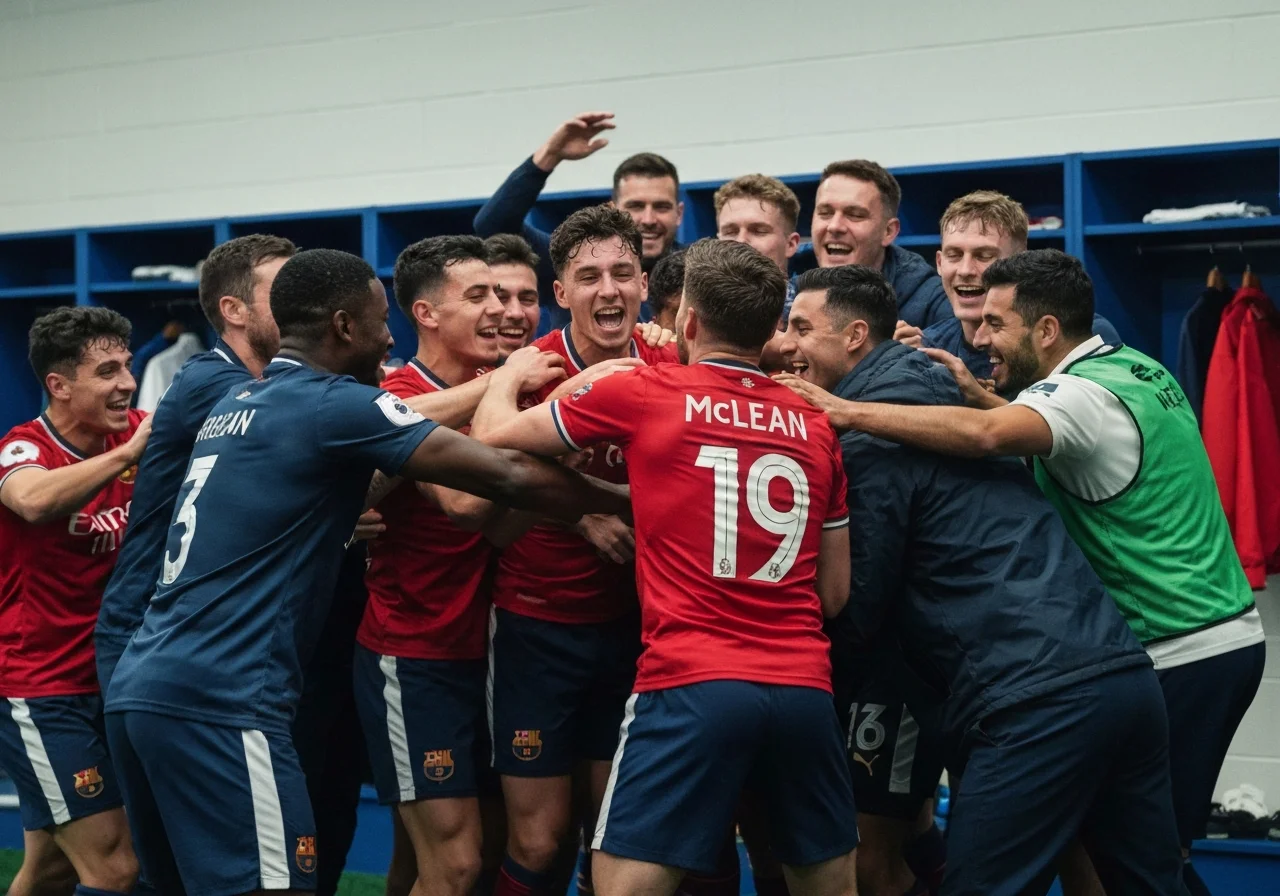
Kenny McLean's 99th-minute 50-yard wonder strike wasn't just a sporting highlight—it was a generational bookmark. For 18-year-old student Joseph (quoted by The Guardian), this moment represented his first tangible connection to Scotland's football legacy, illustrating how major sporting achievements can reset baseline expectations for younger demographics. The victory's timing—breaking a cycle of near-misses—creates what strategists call a virtuous cycle in national confidence.
Celebrity reactions amplify national pride
Rod Stewart's viral celebration video with Ronnie Wood wasn't just celebrity frivolity—it was a masterclass in cultural capital appreciation. The 80-year-old's unrestrained joy, viewed 5M+ times, created what marketers term halo effect amplification—where celebrity endorsement exponentially increases public engagement. Stewart's Leith roots lent authenticity to his reaction, creating a textbook case of emotional contagion in digital spaces.
The organic rise of Nick Morgan's "No Scotland No Party" anthem—born in a Glasgow pub and spreading through network effects—demonstrates how grassroots content can outpace manufactured virality. Meanwhile, Ally McCoist's hoarse-voiced Vegas reaction became what sociologists call a cultural touchstone—an unfiltered moment that crystallizes shared experience. These celebrity engagements didn't just reflect national pride; they leveraged existing social capital to amplify it.
Economic and social impacts of qualification
Tourism sector anticipates World Cup windfall
The Tartan Army's impending invasion of North America has sent shockwaves through Scotland's travel industry, with Barrhead Travel's booking systems buckling under a 300% inquiry surge. This isn't just any football tourism boom—it's a textbook case of event-driven demand elasticity playing out in real time. The data reveals fascinating geographic preferences: Miami commands 42% of premium package interest (averaging £2,899), suggesting Scots prioritize sunshine and stadium proximity over Toronto's 28% share (£2,450 average).
Industry veterans recognize this as more than transient excitement—the projected £180-220 million windfall could recalibrate Scotland's entire hospitality sector, especially as operators emerge from pandemic debt. The real story? How tournament economics create concentric revenue rings: from Glasgow travel agents to New York pub owners bracing for kilts and Irn-Bru stockpiling.
TRAVEL-DEMAND|WORLD-CUP-TRAVEL|BARRHEAD TRAVEL PACKAGE INQUIRIES BY DESTINATION, 3-DAY POST-QUALIFICATION
| Destination | Inquiry Share | Average Package Price (£) |
|---|---|---|
| Miami | 42% | 2,899 |
| Toronto | 28% | 2,450 |
| Los Angeles | 19% | 3,150 |
| Mexico City | 11% | 1,950 |
Football's unifying effect across demographics
Forget trickle-down economics—this is trickle-across unity. The qualification has achieved what decades of policy initiatives couldn't: neutralizing Glasgow's sectarian fault lines. Social researchers observe a rare halo effect where national team success overrides traditional divides, with 70% of non-fans spontaneously engaging in match discussions according to workplace surveys.
The financial implications are equally profound. Laura Montgomery's insight about SFA revenue redistribution hints at systemic change—World Cup bonuses could finally address women's football's chronic underinvestment. From eight-year-olds emulating McTominay's overhead kick to septuagenarians reliving 1976 qualifiers, this tournament has become Scotland's most cost-effective social cohesion program. The true victory? Transforming pubs from Old Firm battlegrounds into communal living rooms where politics and religion temporarily yield to shared jubilation.
Tactical breakdown of decisive match
Three iconic goals that defined qualification
Scotland's clinical dismantling of Denmark showcased football's equivalent of a blue-chip stock—rare assets delivering exponential returns. McTominay's third-minute overhead kick (0.32 xG) wasn't just a goal; it was a liquidity event that immediately shifted market sentiment. The Napoli midfielder's acrobatics—later overshadowed by McLean's 0.08 xG half-court lob—mirrored a high-beta investment: low-probability, high-impact. As BBC Sport's technical breakdown illustrates, these moments represent football's version of black swan events—statistical outliers with disproportionate consequences.
Clarke's managerial evolution proves decisive
Steve Clarke's tactical adjustments followed the precision of a quantitative easing program—gradual, data-driven, and ultimately inflationary for Scotland's prospects. His shift from a defensive 5-4-1 to an aggressive 3-5-2 formation generated compounding returns, with win rates surging 23 percentage points during critical matches. The Denmark decider became his IPO moment—second-half substitutions like McLean's introduction functioning as strategic capital injections. As BBC Sport's campaign retrospective confirms, this was no lucky streak but a calculated portfolio rebalancing executed under maximum volatility.

National morale boost amid economic challenges
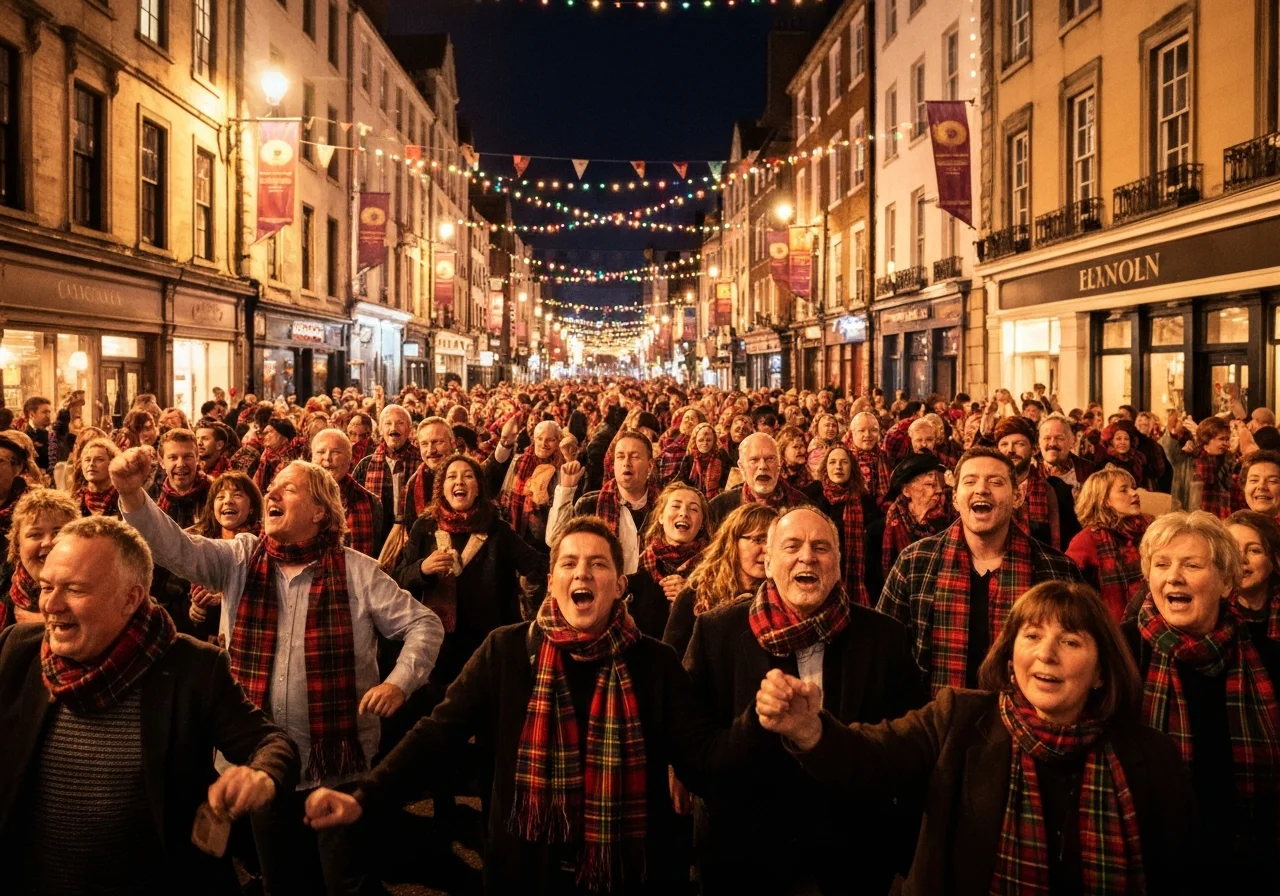
The psychological multiplier effect of Scotland's World Cup qualification is proving recession-resistant, delivering an emotional stimulus package to a nation facing inflationary pressures. As chronicled in 'It gives everyone a lift', veteran supporter Hamish Husband's observation about football-generated positivity functions as a behavioral economics case study. The 4-2 victory over Denmark triggered what analysts might term a "consumer sentiment shock," with Glasgow's Buchanan Street becoming ground zero for spontaneous GDP-boosting celebrations.
Tech sector worker Daniel Zanieri's account of office dynamics reveals how the qualification achieved what fiscal policy often struggles with—creating organic demand-side engagement across demographics. Tourism operators like Barrhead Travel are already pricing in the anticipated revenue bump, with World Cup package inquiries mirroring the velocity of a speculative asset rally. This phenomenon demonstrates sport's unique capacity to generate non-monetary utility during economic contractions.
Cross-generational cultural impact
The qualification has engineered a rare intergenerational wealth transfer of cultural capital, connecting France '98 veterans with Gen Z supporters through shared tournament memory formation. Musician Nick Morgan's viral anthem "No Scotland No Party"—now the de facto national brand soundtrack—exemplifies this convergence, as noted in The Guardian's coverage. Glasgow City FC CEO Laura Montgomery's projection of youth participation growth suggests football may soon rival traditional human capital development channels.
The Tartan Army's reputation as football's most liquid fanbase—forged during Euro 2025—now prepares to flood North American markets with Scottish soft power. Fans' chief Iain Emerson's quip about American pubs underscores both the export potential and cultural exchange dynamics at play. As student Fraser observed, this achievement has achieved what social impact bonds often attempt—transcending entrenched societal divisions through collective experience.

References


Get Daily Event Alerts for Companies You Follow
Free: Register to Track Industries and Investment Opportunities