

Explosive Voter Fraud Scandal Rocks Haryana Elections
Explosive Voter Fraud Scandal Rocks Haryana Elections
AI Summary
Congress leader Rahul Gandhi reveals shocking evidence of 12.7% disputed votes in Haryana, including duplicate entries and reused photos, while BJP highlights procedural lapses in objections. Analysts debate electoral transparency and youth engagement impacts.
Keywords
Rahul Gandhi Alleges Electoral Fraud
"Vote Chori" Claims in Haryana
Rahul Gandhi's bombshell presser in Haryana sent shockwaves through political circles, with the Congress leader brandishing what he calls "indisputable evidence" of systemic electoral fraud. The opposition heavyweight dropped a data bomb—alleging 2.54 million suspect votes in Haryana's electoral rolls, representing a staggering 12.7% of the voter base. His forensic breakdown revealed three smoking guns: 521K duplicate entries (2.6%), 93K invalid registrations (0.47%), and 1.93M bulk voters (9.6%).
The pièce de résistance? A jaw-dropping case of one individual allegedly registered 223 times across two booths—with identical photographs no less. Gandhi's surgical strike on electoral integrity included damning questions about the Election Commission's CCTV retention policies. His coup de théâtre came via a leaked video where Haryana CM Nayab Singh Saini cryptically references post-election "vyavastha"—a term Gandhi interprets as smoking-gun evidence of institutionalized manipulation.
BJP's Counterarguments on Due Process
The BJP's rapid response team hit back with procedural artillery, exposing Congress' curious failure to file even a single objection during the critical electoral roll revision window. Union Minister Kiren Rijiju delivered a masterclass in bureaucratic jujitsu, noting that legitimate grievances require channeling through formal ECI mechanisms rather than sensational press conferences.
Election Commission insiders revealed the knockout punch—Congress' booth-level agents (BLAs) went AWOL during the statutory claims-and-objections period. This operational detail torpedoes retrospective allegations, as BLAs serve as the frontline defense against voter roll anomalies. BJP President JP Nadda deftly pivoted to development optics, contrasting Congress' "Andhera Yug" with the NDA's infrastructure renaissance—a classic case of changing the conversation when you can't win the argument.
<div data-table-slug="haryana-voter-data">| Anomaly Type | Quantity | Percentage of Total Voters |
|---|---|---|
| Duplicate Entries | 521,000 | 2.6% |
| Invalid Registrations | 93,174 | 0.47% |
| Bulk Voters | 1,926,000 | 9.6% |
| Total Disputed | 2,540,174 | 12.7% |
Mystery Woman in Voter Records
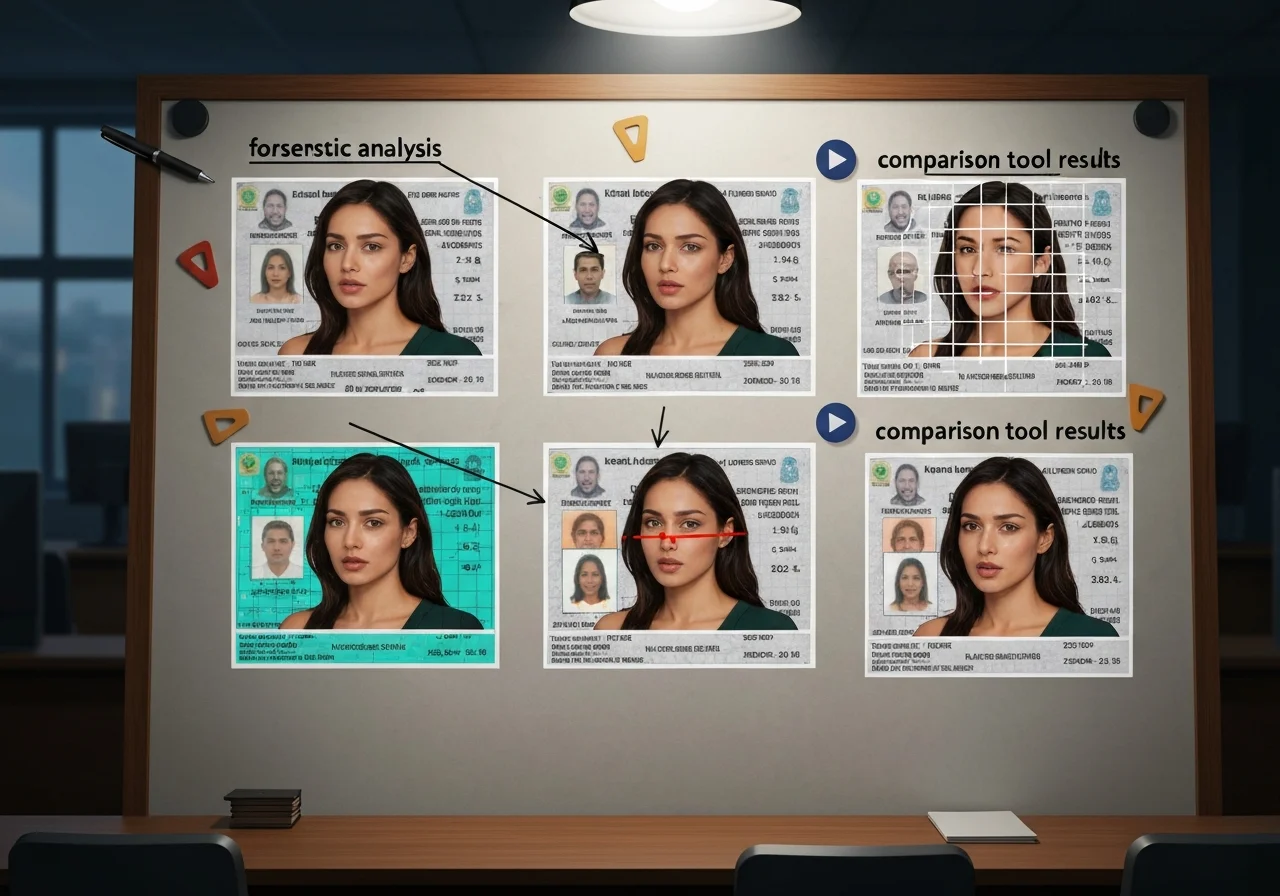
The political theater reached peak intrigue when Congress leader Rahul Gandhi's 'H-files' press conference dropped what they billed as a smoking gun—a single stock photo of Brazilian model Matheus Ferrero recycled across 22 voter IDs in Haryana. This wasn't just some bureaucratic snafu; we're talking about identical images slapped onto different identities—Seema, Sweety, Saraswati—across 10 polling booths. The opposition framed this as Exhibit A in their 25 lakh fraudulent voter entries narrative.
DUPLICATE-VOTER-VISUAL
<div data-table-slug="duplicate-voter-visual">| Voter Name | Booth Location | Photo Match |
|---|---|---|
| Seema | Gurugram 12 | Identical |
| Sweety | Faridabad 05 | Identical |
| Saraswati | Rohtak 08 | Identical |
The Election Commission fired back with procedural jiu-jitsu, noting political parties had months to flag discrepancies through their appointed booth-level agents. Forensic analysts added spice—the Ferrero image had been downloaded 400,000+ times globally, muddying waters between systemic fraud and lazy data entry. This evidentiary tug-of-war exposes fault lines in India's electoral transparency safeguards, where digital breadcrumbs meet political theater.
Political Repercussions and Rhetoric
BJP Accuses Opposition of Defamation
The BJP's counteroffensive against Rahul Gandhi's electoral fraud allegations showcases textbook crisis management—accusations of defamation paired with nationalist appeals. Union Minister Kiren Rijiju's "anti-India forces" rhetoric strategically elevates the dispute from partisan squabbles to sovereignty concerns, mirroring the party's playbook during previous controversies.
JP Nadda's infrastructure pivot—the HIRA (Highways, Internet, Railways, Airports) acronym—functions as a tangible rebuttal metric. His "Andhera Yug" metaphor contrasting Bihar's past power shortages with current 24-hour supply exemplifies the BJP's dual-track response: discrediting opponents while showcasing governance deliverables. This bifurcated approach effectively shifts media narratives from reactive defense to proactive agenda-setting.
Timing During Bihar Elections
The temporal alignment of Gandhi's allegations with Bihar's phased elections (October 28-November 11) raises strategic questions. Rijiju's claim about "diverting attention from Bihar" gains traction given the absence of formal EC complaints during Haryana's electoral roll revisions, as noted by The Times of India. The competing electoral calendars create a paradox: while Haryana's 2024 results are historical data, Bihar's real-time polls demand immediate voter persuasion—a dichotomy both parties weaponize for narrative advantage.
Electoral Transparency and Public Trust
Contrasting Narratives on EC's Impartiality
The Election Commission's rebuttal to Rahul Gandhi's allegations presents a textbook case of institutional credibility under fire. According to Election Commission sources, the absence of objections from Congress booth-level agents (BLAs)—political parties' frontline fraud detectors—during electoral roll revisions fundamentally weakens claims of systemic manipulation. The EC's procedural trump card? BLAs failed to file appeals against Haryana's voter lists, a safeguard Gandhi's team allegedly sidestepped.
This clashes violently with Gandhi's "smoking gun" narrative of 25 lakh fraudulent entries, including duplicate voters and a single stock photo reused 22 times. The procedural stalemate fuels polarization: BJP frames the EC as a neutral referee, while Congress cries "vote chori" (vote theft)—a PR disaster for institutional trust.
Implications for Gen Z Political Engagement
Gandhi's direct pitch to young voters—framing electoral integrity as existential—reveals generational fault lines. His press conference rhetoric weaponized youth disillusionment, warning flawed voter lists "sabotage democracy's foundation."
Yet BJP counterpunches with developmental optics—JP Nadda's "Andhera Yug" (era of darkness) analogy versus Bihar's 24-hour electricity claims. This forces Gen Z into a brutal cost-benefit analysis: procedural purity versus infrastructure gains, exacerbated by Rijiju's nationalism card. The Bihar election timing adds volatility, making youth mobilization a high-stakes gamble for both camps.

The subsequent chain reaction manifests in competing credibility metrics—EC's procedural rigor versus opposition's evidentiary claims. Fundamentally, this dynamic underscores democracy's fragile equilibrium between trust and verification.
References


Get Daily Event Alerts for Companies You Follow
Free: Register to Track Industries and Investment Opportunities