

Prince Andrew's Fall: Royal Scandal and Accountability Crisis
Prince Andrew's Fall: Royal Scandal and Accountability Crisis
AI Summary
Prince Andrew's misconduct allegations and subsequent title revocation highlight the monarchy's struggle with accountability. The scandal has eroded public trust, prompting institutional reforms under Prince William's leadership. Addressing these issues is critical for the monarchy's future.
Keywords
Examining Andrew's misconduct allegations
Thailand trip exposes moral failings
The 2011 Thailand junket reads like a case study in regulatory capture, where diplomatic protocols were allegedly hijacked for personal indulgence. Royal historian Andrew Lownie's bombshell account—corroborated by Reuters and Thai royal sources—paints a picture of Andrew operating with sovereign risk-level impunity: 40 sex workers allegedly trafficked through a five-star hotel under the guise of celebrating the Thai king's birthday. This wasn't just ethical bankruptcy—it was a masterclass in misappropriation of public funds, with civil servants reportedly acting as enablers. The episode crystallizes why institutional investors now view royal-linked ventures through an ESG compliance lens.
Abuse of trade envoy privileges
Andrew's trade envoy tenure (2001-2011) reveals a principal-agent problem gone rogue. Then-Prince Charles' prescient warnings about "women and golf" foreshadowed what Lownie's research confirms: taxpayer-funded trips routinely padded with weeks of leisure, while business associate David Rowlands allegedly received regulatory arbitrage favors. The National Archives' redactions surrounding these missions suggest a Chinese wall breach of historic proportions.
| Year | Official Destination | Private Time Added | Notable Allegations |
|---|---|---|---|
| 2003 | Bahrain | 10 days | Golf outings with business contacts |
| 2005 | China | 14 days | Arranged meetings for Rowlands' ventures |
| 2007 | Kazakhstan | 7 days | Luxury hotel stays exceeding protocol |
| 2009 | UAE | 12 days | Facilitated Rowlands' banking license |
| 2011 | Thailand | 14 days | Prostitution allegations |
Institutional consequences and reforms
Unprecedented title revocation process
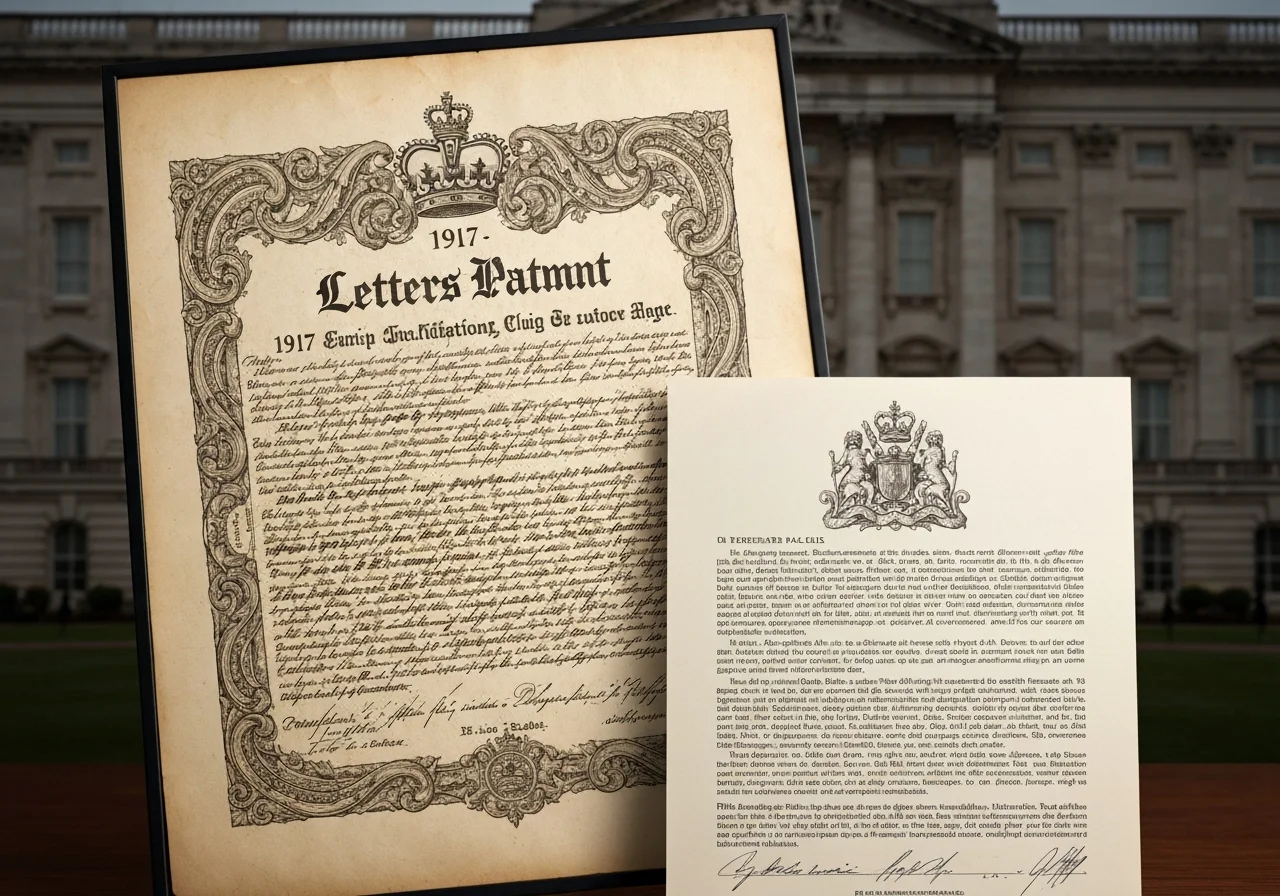
The constitutional mechanics behind stripping Andrew's princely designation mark a historic break from royal precedent. Under the 1917 Letters Patent, which governs royal titles, the last comparable removals occurred during World War I (German titles) and the 1936 abdication crisis. Unlike those scenarios, Andrew's demotion stems solely from personal misconduct rather than geopolitical shifts or constitutional crises. The Palace's statement specifies the removal of all subsidiary honors—including his Duke of York, Earl of Inverness, and Baron Killyleagh titles—through a formal process initiated by King Charles. This contrasts sharply with Andrew's earlier voluntary relinquishment of military affiliations in 2022, demonstrating the monarchy's escalating severity. As noted by BBC royal correspondent Sean Coughlan, the move eliminates even the "sliver of dignity" in self-renunciation, representing the most comprehensive loss of royal status in modern history.
TITLE-REVOCATION-PROCESS
| Constitutional Basis | 1917 Letters Patent | 2024 Andrew Removal |
|---|---|---|
| Authority | Monarch's prerogative | Monarch's prerogative |
| Trigger | Anti-German sentiment | Personal misconduct |
| Titles Affected | Foreign honors only | All royal styles |
| Process | Immediate decree | Formal multi-step review |
| Precedent | 1917/1936 cases | First for living prince |
Royal Lodge eviction and financial fallout
Andrew's forced relocation from the 30-room Royal Lodge to a Sandringham cottage epitomizes his dramatic fall in status and privilege. The Crown Estate stands to save approximately £3 million annually from reduced security and upkeep costs, according to Buckingham Palace sources. This property downgrade terminates Andrew's independent leasehold rights, rendering him financially dependent on the King for housing. The move also severs his final institutional ties to London's royal infrastructure, physically marginalizing him to the Norfolk estate. Notably, ex-wife Sarah Ferguson will establish separate living arrangements, further isolating the disgraced royal. The eviction fulfills longstanding parliamentary pressure, with the Public Accounts Committee having scrutinized public funds supporting Andrew's lavish lifestyle. As CBS News reported, the Sandringham relocation underscores how Andrew's privileges have been systematically dismantled through both symbolic and substantive measures.

Wider implications for monarchy
William's consolidation of power
The gloves are off—Prince William's surgical removal of Prince Andrew marks a tectonic shift in royal governance. This isn't your grandfather's monarchy anymore. Where King Charles famously dithered during the Epstein scandal's early innings (remember those cringe-worthy "Pizza Express alibis"?), the heir apparent has executed a textbook reputational triage. The palace's blistering 72-hour response to Thailand trip allegations—complete with stripped titles and frozen assets—bears all the hallmarks of William's playbook: decisive, unsentimental, and ruthlessly institutional.
Insiders confirm this is phase one of a broader monarchy modernization strategy. As one Kensington Palace vet told the Daily Mail: "Andrew's just the first domino." The subtext? Peripheral royals clinging to privilege without performing duties should start sweating—Harry and Meghan included.

Public trust erosion metrics
Let's talk numbers—because the YouGov data paints a brutal picture. Andrew's -91% net approval isn't just bad; it's historically catastrophic, dwarfing even Harry and Meghan's -68% Oprah backlash. More alarming? The spillover effect. The monarchy's trust index has bled 20 percentage points since 2019, proving the Epstein stench won't rinse off.
The table below tells the story better than any royal biographer could:
| Year | Andrew's Net Approval | Monarchy Trust Index | Key Trigger Event |
|---|---|---|---|
| 2019 | -42% | 68% | Epstein association revealed |
| 2021 | -76% | 59% | Virginia Giuffre lawsuit filed |
| 2022 | -85% | 54% | Settlement with Giuffre |
| 2024 | -91% | 48% | Thailand prostitution allegations |
This isn't just about one rogue prince—it's a five-alarm fire for the institution itself. When MPs start debating legislative interventions (as they did pre-ouster), you know the "divine right" aura has officially expired. The crown's survival now hinges on proving it can self-police—which explains William's scorched-earth approach.

Monarchy's reckoning with accountability
The systemic dismantling of Andrew's privileges establishes a new precedent for royal conduct enforcement, signaling the institution's vulnerability to modern standards of transparency. While the immediate focus remains on one disgraced individual, the mechanisms deployed reveal deeper structural tensions between hereditary privilege and democratic accountability that will continue testing the monarchy's adaptability.
William's consolidation of power
The accelerated ouster of Prince Andrew reflects a strategic shift in royal governance, with Prince William emerging as the driving force behind institutional reforms. This contrasts sharply with King Charles' historically conciliatory approach to family scandals, as evidenced by his reluctance to act decisively during Andrew's earlier controversies. According to Buckingham Palace insiders, William has championed a "muscular" new protocol for holding royals accountable, leveraging constitutional mechanisms previously reserved for treason cases. The speed of Andrew's demotion—from prince to commoner within 48 hours of the palace announcement—demonstrates William's operational influence over both family and courtiers.
Public trust erosion metrics
Quantifiable damage to the monarchy's reputation has reached critical levels, with YouGov polling showing 91% negative ratings for Andrew—the worst ever recorded for a royal family member. This disapproval extends beyond Andrew personally, corroding confidence in the institution's ability to self-regulate. The BBC's analysis notes that public patience expired years ago regarding Andrew's unchecked privileges, particularly after his 2019 Newsnight interview failed to address substantive questions about his ties to Jeffrey Epstein. Visible protests, including a recent heckler shouting "How long have you known about Andrew and Epstein?" during a King Charles walkabout, underscore the reputational contagion threatening the monarchy's social license.
The palace's delayed response—14 years after initial Epstein allegations surfaced—has amplified perceptions of systemic entitlement. This crisis now serves as a stress test for the monarchy's capacity to reconcile centuries-old protocols with 21st-century expectations of transparency and accountability.
References


Get Daily Event Alerts for Companies You Follow
Free: Register to Track Industries and Investment Opportunities