

Can Presidents Levy Taxes? The $194.9B Tariff Power Struggle
Can Presidents Levy Taxes? The $194.9B Tariff Power Struggle
AI Summary
The Supreme Court scrutinizes Trump's tariff authority, impacting $194.9B in duties and potentially redefining executive power. Section 301's unlimited rates clash with constitutional limits, while tariffs create regressive taxes and accidental climate benefits. Businesses pursue legal challenges as hedge funds bet on refunds.
Keywords
Assessing presidential tariff authority
Constitutional separation of powers debate
Let’s cut through the legalese—this is about whether the White House can play tax collector without Congressional approval. The $194.9 billion question (literally, that’s how much customs duties flowed into Treasury coffers in 2025) hinges on whether the 1977 IEEPA morphs trade policy into taxation. When Solicitor General Sauer tried selling tariffs as "regulatory tools" during oral arguments, Justice Sotomayor shot back with the fiscal truth bomb we’re all thinking: "That’s exactly what they are." This isn’t just legal nitpicking—it’s a full-blown constitutional cage match over Article I’s "power of the purse" clause, with echoes of the landmark Youngstown case that clipped presidential wings in 1952.
Judicial skepticism during oral arguments
November 5th’s SCOTUS showdown revealed something rare: bipartisan judicial side-eye. Chief Justice Roberts didn’t mince words—tariffs are Congress’s "core power," period. Meanwhile, the liberal bloc eviscerated the "regulatory tariffs" doublespeak like a hedge fund shorting weak arguments. The real tell? Multiple justices name-checked that brutal 8-1 appellate smackdown of IEEPA’s alleged taxing powers. As court watchers noted, this skepticism cuts deeper than partisan divides—it’s about preserving the institutional guardrails against executive overreach.
Section 301 Trade Remedy Provisions
The Trade Act of 1974’s Section 301 remains the Swiss Army knife of U.S. trade enforcement—versatile but unwieldy. The mechanism mandates that the USTR conduct thorough investigations before slapping tariffs, creating a paradox: while it offers unlimited tariff ceilings (a trader’s dream), the evidentiary rigor turns it into a bureaucratic slog. As The Hindu’s analysis notes, former USTR counsel John Veroneau nailed it: targeting multiple countries under 301 is like herding cats—possible but exhausting. The four-year expiration window? More of a gentle nudge than a hard stop, given how easily administrations renew them.
National Security Justification (Section 232)
Here’s where things get creative. Section 232 of the 1962 Trade Expansion Act has morphed from protecting steel mills to justifying tariffs on bathroom vanities—all under the elastic banner of "national security." As Newsweek’s climate analysis highlights, courts rarely push back, deferring to the executive’s "expertise." The Commerce Department’s self-directed investigations are a masterclass in control: no rate caps, no expiry dates. Recent applications to furniture imports stretch credibility, but that’s the beauty (or absurdity) of 232—it bends without breaking.
TABLE_NAME
| Authority | Investigation Required | Maximum Rate | Duration Limit | Renewal Process |
|---|---|---|---|---|
| Section 301 | Yes (USTR) | None | 4 years | Extendable |
| Section 232 | Yes (Commerce) | None | None | N/A |
| Section 122 | No | 15% | 150 days | Non-renewable |
Consumer price inflation effects
Let’s cut through the noise—Trump’s tariffs didn’t just tweak import costs; they detonated them. The average tariff rate rocketed from a sleepy 2.5% pre-Trump to a jaw-dropping 17.9% in 2025 (Yale Budget Lab), levels last seen during the Smoot-Hawley era. Here’s the kicker: while businesses like Learning Resources fight for refunds in court, Main Street eats the cost—permanently. That $194.9 billion in 2025 customs duties? A stealth regressive tax hitting everything from Halloween candy to sofas, with zero reimbursement pipelines. Even Justice Sotomayor called it: tariffs "[generate] revenue from American citizens." Translation: households fund this trade war twice—at checkout and through lost purchasing power.
Unintended carbon pricing consequences
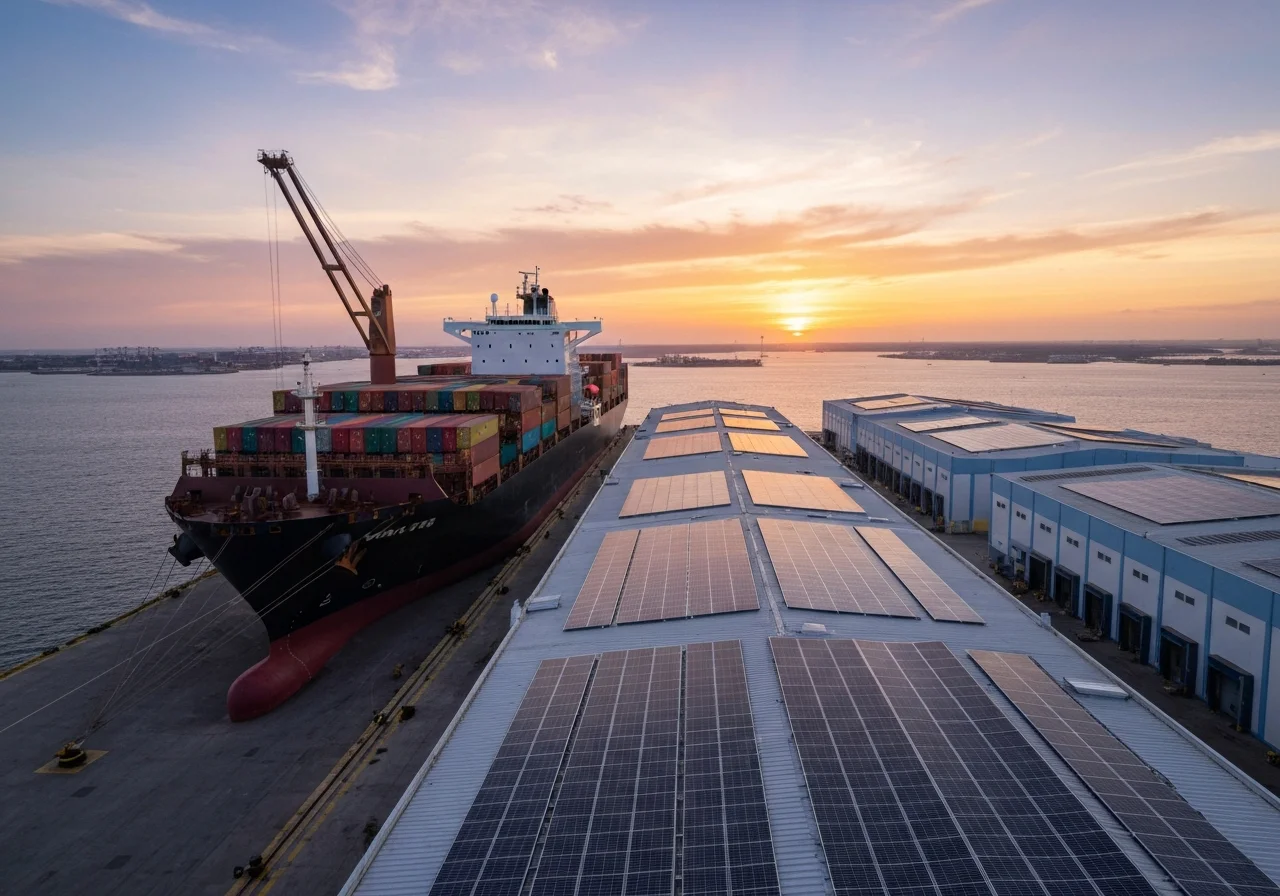
Talk about accidental climate policy—Trump’s tariffs sliced global CO₂ emissions by 0.3% (Carbon Brief), thanks to trade slowdowns hammering coal-heavy economies like China. The irony? Nearshoring to cleaner North American grids created a de facto carbon adjustment, despite Trump’s “No and No” stance on climate taxes. Shorter Mexico supply chains cut ton-miles (ocean freight’s efficiency be damned), mirroring the Cassidy-Graham “Foreign Pollution Fee” blueprint. Now Treasury’s eyeing Section 338 tariffs—Smoot-Hawley’s ghost could institutionalize this unplanned green dividend.
Precedent for executive power limits
The Supreme Court's scrutiny of Trump's tariff authority could redefine presidential power boundaries, potentially invoking the Youngstown Sheet & Tube doctrine—a legal relic from Truman's era that still haunts executive overreach. During oral arguments, justices grilled whether the International Emergency Economic Powers Act (IEEPA) morphs emergency powers into unchecked taxation, a constitutional red line. Chief Justice Roberts didn’t mince words: tariffs are Congress’ "core power," not the White House’s playground.
Legal eagles see three exit ramps:
- A full IEEPA takedown, sparking a $194.9 billion refund frenzy
- A surgical rewrite allowing tariffs only for bona fide emergencies
- A procedural punt forcing congressional buy-in
Georgetown’s Kathleen Claussen nails it—the Court seems allergic to the administration’s "boundless authority" claims (The Hindu). This isn’t just about tariffs; it’s about clipping presidential wings for the next century.
Business community's legal counterstrategies
While corporate giants played the lobbying game, Learning Resources went full David-vs-Goliath, sinking millions into a lawsuit against 25% import cost hikes (The Guardian). Their genius? Attacking statutory overreach instead of crying over margins—a masterclass in legal judo.
TABLE_NAME
| Industry Sector | Avg. Tariff Increase | Primary Legal Challenge |
|---|---|---|
| Consumer Goods | 22.1% | Section 301 overreach |
| Automotive | 18.7% | National security misuse |
| Steel | 25.0% | Price-fixing allegations |
| Agriculture | 12.3% | WTO compliance disputes |
Hedge funds smelled blood, snatching tariff refund rights at fire-sale prices—a $100M bet that could 4x if SCOTUS rules against Trump (Newsweek). Who knew trade policy could birth a derivatives market?
References


Get Daily Event Alerts for Companies You Follow
Free: Register to Track Industries and Investment Opportunities