

Nowgam Blast Exposes Deadly Gaps in Explosive Handling Protocols
Nowgam Blast Exposes Deadly Gaps in Explosive Handling Protocols
AI Summary
The Nowgam police station explosion killed 9 and injured 32, revealing critical failures in ammonium nitrate storage and transport. Forensic audits uncovered terror financing via medical supply chains, demanding urgent reforms in hazardous material protocols and public safety communications.
Keywords
Assessing the accidental explosion incident
Explosion timeline and immediate impact
The Nowgam Police Station blast at 11:20 pm on November 14, 2025, wasn’t just another incident—it was a systemic failure with human costs. Nine lives vanished in an instant, including three forensic specialists who knew the risks but trusted the protocols. The concussive force didn’t discriminate, flattening the station and rattling adjacent buildings like dominos. Thirty-two injured—mostly cops who’d signed up for duty, not suicide missions—now bear the scars of what the Ministry of Home Affairs calls an "accidental" chain reaction.
| Category | Count |
|---|---|
| Fatalities | 9 |
| - Forensic staff | 3 |
| - Crime photographers | 2 |
| - Revenue officials | 2 |
| - Civilians | 1 |
| Injuries | 32 |
| - Police personnel | 27 |
| - Revenue officials | 2 |
| - Civilians | 3 |
Handling protocols for seized explosives
Here’s the irony: 2,900 kg of ammonium nitrate—enough to level city blocks—was deemed "secure" in an open police compound. The transport logs show airtight containers, but protocols failed to account for chemical instability during interim storage. Joint Secretary Lokhande’s insistence on "expert supervision" rings hollow when the standard operating procedures lacked stabilization mandates. This wasn’t negligence; it was institutional complacency meeting volatile chemistry.
Investigating the terror module connection
White-collar terror network origins
The Nowgam police station blast investigation reveals a chilling nexus between professional networks and terror financing. Forensic auditors tracing FIR No. 162/2025 uncovered a sophisticated operation where medical supply chains allegedly facilitated explosive material transfers. The arrest of Dr. Adil from Saharanpur—following earlier detentions in Shopian and Ganderbal—exposed what investigators term a "white-collar jihad" model. Dr. Muzammil Ganaie of Al-Falah Medical College reportedly exploited pharmaceutical logistics to move 2,900 kg of chemicals, turning legitimate commerce into a terror supply line. This modus operandi mirrors global patterns of professional network exploitation but with alarming local adaptations.
Inter-state explosives transportation risks
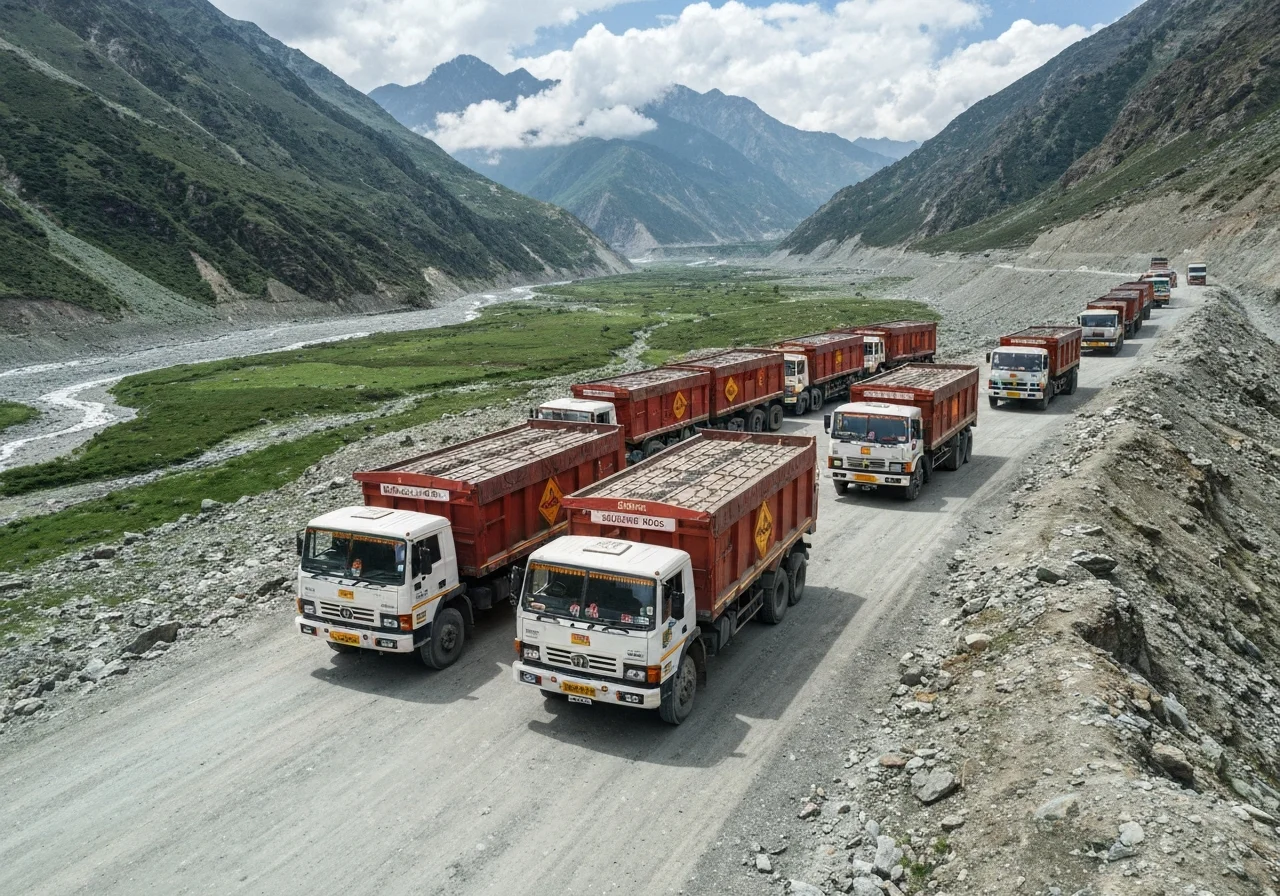
The 700-km journey of 360 kg ammonium nitrate from Faridabad to Srinagar reads like a logistics nightmare. While officials touted air-tight containers, the reality involved temperature swings at Sonipat (+8°C) and altitude pressure changes at Banihal Pass. The decision to use standard Tata 407 trucks—rather than specialized hazmat vehicles—contradicted UN transport guidelines.
EXPLOSIVE-TRANSPORT-ROUTE
| Checkpoint Location | Risk Factor | Time Spent |
|---|---|---|
| Faridabad Loading | Container Integrity Verification | 2 hours |
| Sonipat Weigh Station | Temperature Fluctuation (+8°C) | 45 min |
| Jammu Security Check | Multiple Handling Events | 3 hours |
| Srinagar Unloading | Altitude Pressure Changes | 1.5 hours |
Forensic evidence handling reforms
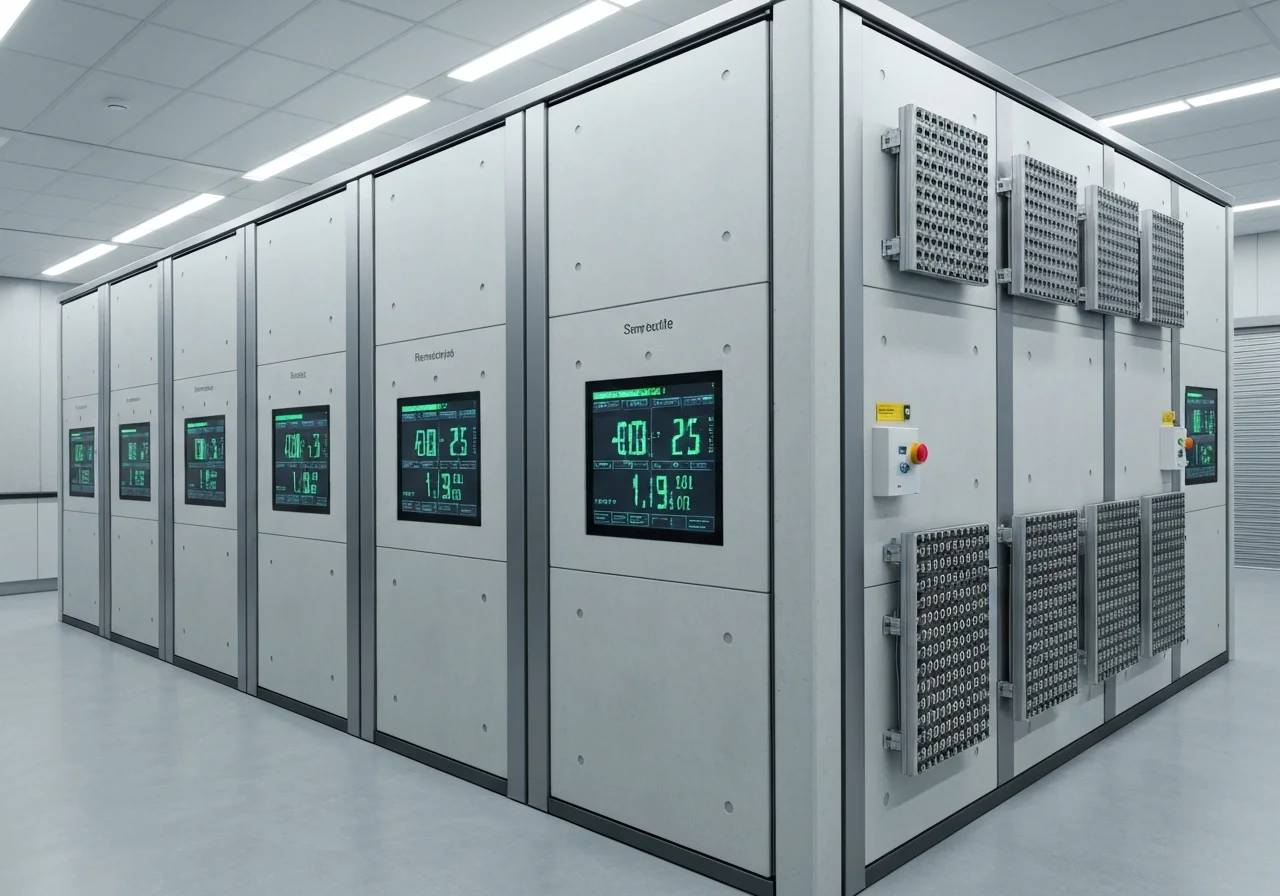
The Nowgam blast was a wake-up call for evidence custodians—storing 2,900 kg of volatile chemicals like ammonium nitrate in a police station’s open area was playing Russian roulette with public safety. Despite airtight container protocols during the Faridabad-to-Srinagar transfer, the incident exposed gaping holes in hazardous material storage. The solution? Three-pronged hardening: blast-proof district storage bunkers, IoT sensors for real-time volatility tracking during FSL transfers, and mandatory off-site quarantining for high-risk seizures like Dr. Muzammil’s 360 kg inflammable cache.
Public communication strategies
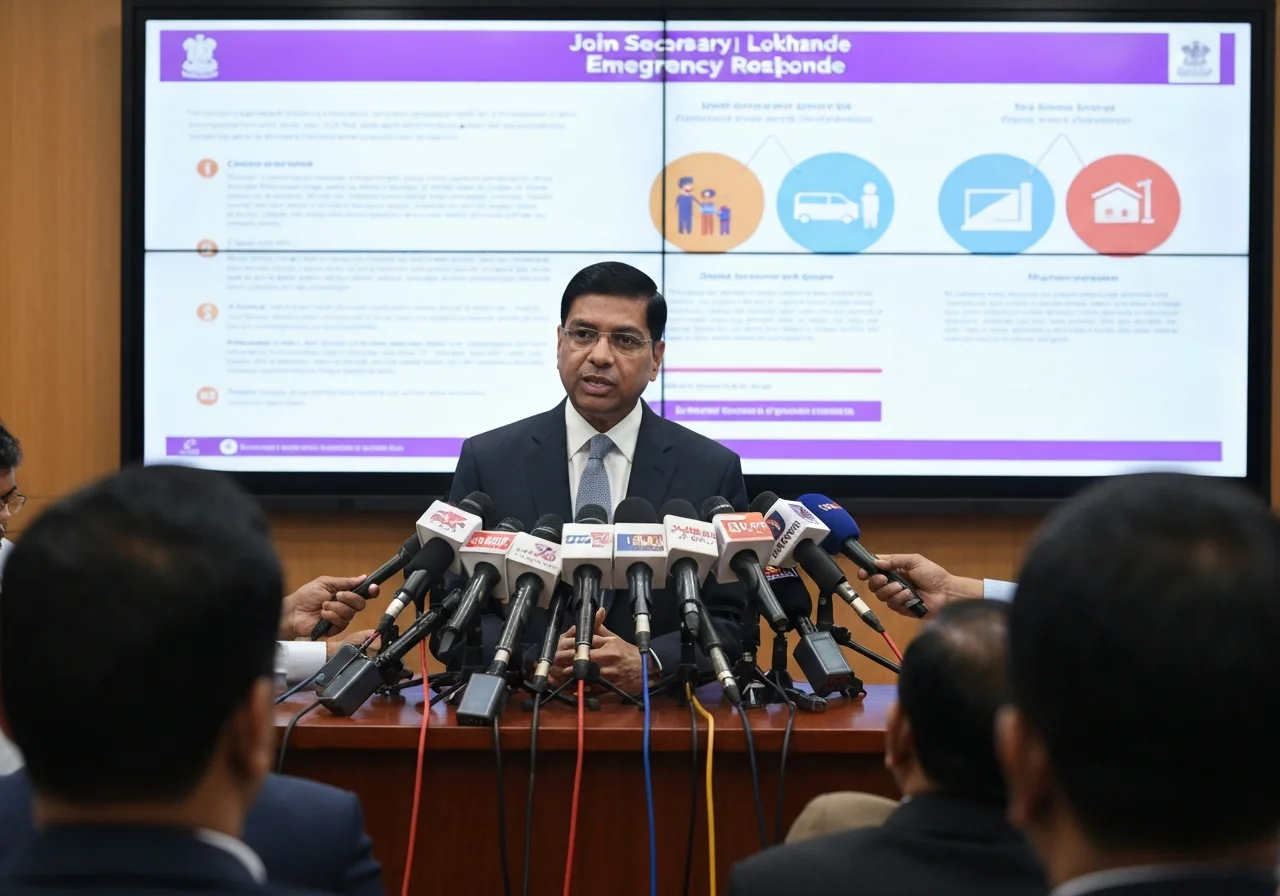
MHA’s Joint Secretary Lokhande nailed the crisis comms 101—his swift "no terror angle" declaration at the November 15 briefing effectively capped speculation, despite the explosives’ link to FIR 162/2025’s terror probe. But the 12-hour radio silence post-blast and vague risk disclosures during evidence processing left locals fuming. Future playbooks need automated SMS alerts for affected neighborhoods and standardized risk transparency protocols—because in crisis PR, silence isn’t golden, it’s gasoline.
Handling protocols for seized explosives
Let’s cut through the bureaucratic fog—storing 2,900 kg of ammonium nitrate in a police station’s open area is like parking a fuel truck in a fireworks factory. The Nowgam blast wasn’t just an accident; it was a systemic failure dressed in protocol.
Context: The Ministry of Home Affairs insists materials were in "air-tight containers," but forensic teams were repackaging them—a critical vulnerability.
Evidence: The J&K Police’s logistics required temporary open storage for sampling, ignoring the volatility of chemicals like ammonium nitrate. Secondary blasts (Times of India) confirm the domino effect of poor containment.
Wrap: This isn’t about rogue chemicals—it’s about protocols written for paperwork, not physics. Until regional hazardous hubs replace ad-hoc police storage, we’re gambling with lives.
Forensic evidence handling reforms
The Nowgam blast exposed a truth as old as forensics itself: evidence chains break when logistics ignore chemistry.
Context: DNA India reports explosives were "case properties," legally requiring police custody—but custody shouldn’t mean catastrophe.
Evidence: Proposed reforms like on-site forensic triage and IoT-enabled sensors (J&K Police statement) address symptoms, not the disease: non-specialized facilities handling specialized risks.
Wrap: Blast-resistant containment isn’t optional—it’s the price of doing business when evidence could level city blocks.
References


Get Daily Event Alerts for Companies You Follow
Free: Register to Track Industries and Investment Opportunities