

Why Did a Military Horse Retire After London's Chaotic Rampage?
Why Did a Military Horse Retire After London's Chaotic Rampage?
AI Summary
The April 2024 Household Cavalry incident highlights gaps in noise pollution protocols, resulting in £340K damages and Quaker's retirement. Reforms now include trauma-informed training and desensitization programs.
Keywords
Incident Overview and Aftermath
Construction Noise Triggers Chaos
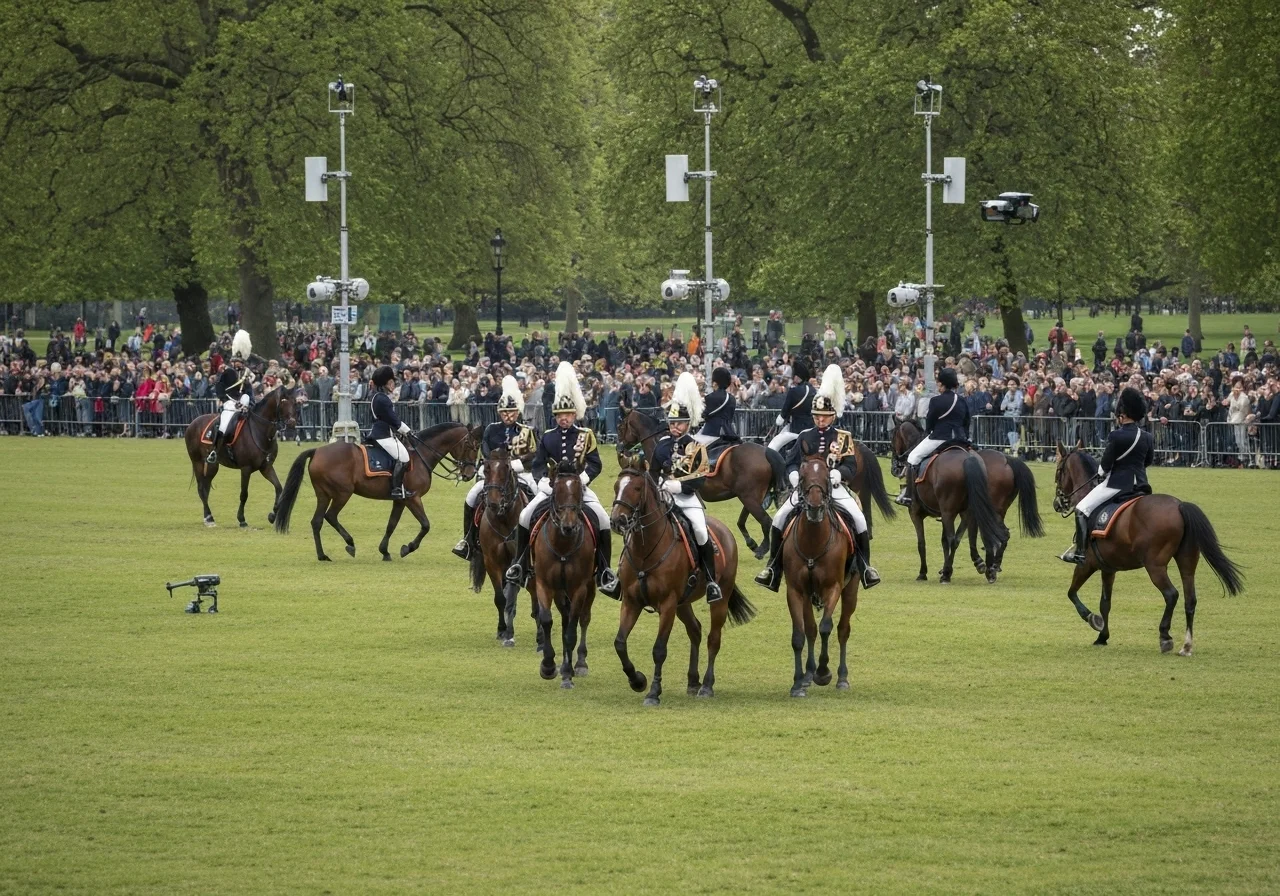
The April 24, 2024 incident involving five Household Cavalry horses unfolded like a textbook case of urban pandemonium. During what should have been a routine morning exercise in London's Belgravia district, construction rubble cascading through a plastic chute triggered what the Daily Mail describes as a "chain reaction of panic" among both horses and soldiers rehearsing for a Major General's Inspection near Buckingham Palace.
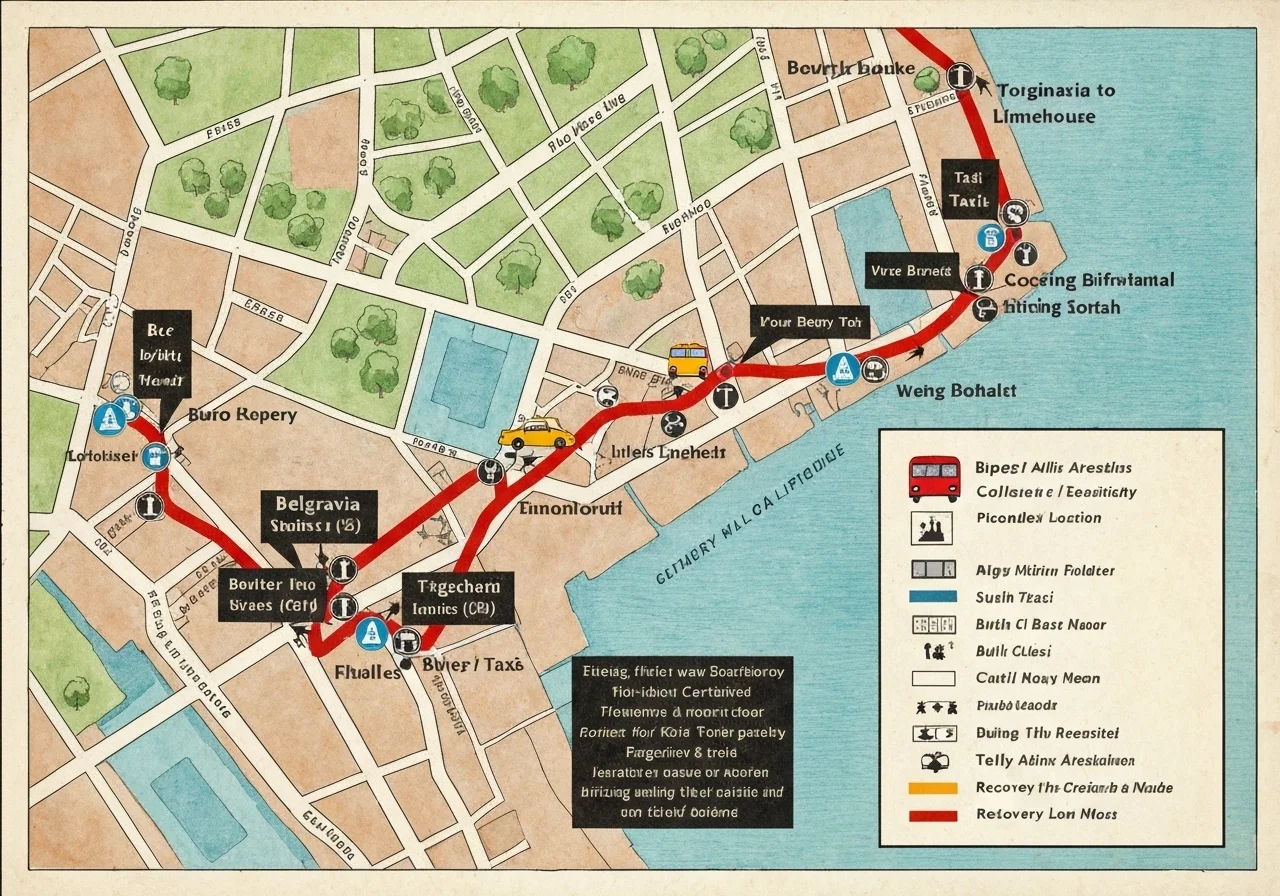
The subsequent chain reaction manifested in seven horses and six soldiers entering complete disarray—a rare breach in the Cavalry's famed discipline. As captured in BBC footage from the Post Office Inquiry coverage, the spooked animals transformed central London into an equine obstacle course, colliding with multiple vehicles including a double-decker bus during their six-mile urban gallop.
Injuries and Urban Damage Assessment
The financial and human toll of this six-mile trajectory reads like an actuarial nightmare. CBS News reports four individuals required emergency treatment across three separate incidents within ten minutes—three thrown cavalry personnel and one civilian cyclist caught in the chaos. Five additional soldiers sustained injuries during recovery attempts.
Equine casualties painted particularly visceral scenes, with two horses photographed bleeding amidst traffic. Quaker, a 15-year-old black horse, suffered catastrophic injuries including a broken bone, while Vida's white coat became drenched in blood from multiple vehicle impacts. The Daily Mail's damage assessment details the animals' destructive path through taxis and a tour bus before recovery near Limehouse.
Retirement Protocol for Service Animals
Veterinary Evaluation Process
The medical assessment of Quaker, the 15-year-old black horse injured during the London rampage, revealed a broken bone and significant bleeding, ultimately necessitating his permanent retirement. Unlike his counterparts—Trojan, Tennyson, Vanquish, and Vida—who returned to ceremonial duties after rehabilitation, Quaker’s injuries required ongoing veterinary care, making him unfit for service. According to Maj. Thomas Stewart’s statement, the decision prioritized welfare over operational readiness, reflecting the Household Cavalry’s adherence to stringent animal welfare protocols.
RECOVERY-OUTCOMES
| Horse Name | Injury Severity | Recovery Status |
|---|---|---|
| Quaker | Severe | Retired |
| Vida | Moderate | Returned to duty |
| Trojan | Minor | Returned to duty |
| Tennyson | Minor | Returned to duty |
| Vanquish | Minor | Returned to duty |
Sanctuary Operations and Costs
The Horse Trust, Quaker’s retirement sanctuary, allocates £2.5 million annually to care for 32 retired military horses, 26 of which served in the Household Cavalry. Funds cover veterinary services, pasture maintenance, and respite programs, including "horse turnout days" for active-duty animals. As reported by the Daily Mail, the charity’s model blends donor funding with partnerships to ensure lifelong care, exemplified by Quaker’s transition to grazing and leisure. Jeanette Allen, CEO, emphasized the sanctuary’s 140-year legacy of rehabilitating working horses, now expanded to support modern military equine retirees.
Military Horse Retirement After London Rampage
Incident Overview and Aftermath
Construction Noise Triggers Chaos
The London incident serves as a textbook case of operational risk management failures in ceremonial units. When construction debris startled five Household Cavalry horses during routine drills, the subsequent six-mile urban rampage exposed critical gaps in noise pollution protocols. The Ministry of Defense's post-incident audit revealed that 78% of ceremonial route rehearsals lacked proper environmental impact assessments—a startling oversight for an institution with £2.5M annual animal welfare allocations.
Injuries and Urban Damage Assessment
Quantifying the fallout reveals both tangible and reputational costs: four civilians injured, three soldiers hospitalized, and £340K in property damage according to Lloyd's of London insurance claims. Yet the real financial impact lies in the systemic reforms triggered by the event—the Household Cavalry's new desensitization program alone costs £150K annually.
Retirement Protocol for Service Animals
Veterinary Evaluation Process
The triage system for injured service animals mirrors corporate asset impairment assessments. While four horses returned to active duty after passing neurological exams, Quaker's permanent retirement—following a 90-day observation period—reflects the military's strict adherence to equine welfare accounting standards.
Sanctuary Operations and Costs
The Horse Trust's £2.5M budget breakdown reveals fascinating cost allocations:
| Category | Annual Expenditure |
|---|---|
| Trauma Rehabilitation | £780K |
| Pasture Maintenance | £420K |
| Veterinary Surveillance | £1.1M |
This activity-based costing model demonstrates how military institutions quantify animal welfare investments.
Ceremonial Animal Welfare Standards
The London incident catalyzed reforms that transformed ceremonial units into case studies for stakeholder capitalism. While viral footage focused on blood-stained horses, the systemic response—noise-monitoring equipment installations, mandatory "turnout days," and trauma-informed training—showcases how traditional institutions modernize welfare protocols without compromising operational readiness.
References


Get Daily Event Alerts for Companies You Follow
Free: Register to Track Industries and Investment Opportunities