

How Did Engine Failure Trigger This Deadly Plane Crash?
How Did Engine Failure Trigger This Deadly Plane Crash?
AI Summary
The UPS MD-11 crash reveals critical flaws in aging cargo fleets, with engine separation and excessive fuel load creating unsurvivable conditions. Aviation experts call for stricter safety protocols.
Keywords
Analyzing the crash sequence
Engine failure as primary causation factor
The aviation community is reeling from what investigators describe as a "perfect storm" of mechanical failures aboard UPS Flight 2976. Verified footage reviewed by BBC Verify reveals the terrifying domino effect—a left-wing engine fire triggering tail engine shutdown during critical takeoff phase. While the MD-11's triple-redundant design theoretically allows operation with one inoperative engine, flaming debris created a textbook example of cascading systems failure. Telemetry confirms the aircraft reached 214mph (344km/h) before becoming aerodynamically stranded with just 33% of designed thrust—a death sentence at maximum takeoff weight.
Structural impact of engine separation
When that 12,000lb Pratt & Whitney engine tore free during takeoff roll, the MD-11 instantly became an engineering nightmare. As CBS News' crash investigation details, the violent separation created catastrophic weight distribution issues—imagine a seesaw suddenly losing one side while carrying 255,000lbs of jet fuel. The resulting left-wing heaviness rendered flight controls nearly useless, with structural damage likely compromising hydraulic systems. This wasn't just an engine failure; it was an aerodynamic identity crisis mid-takeoff.
MD-11 ENGINE PERFORMANCE SPECS
| Configuration | Thrust Output (lbs) | Operational Impact |
|---|---|---|
| All 3 engines | 180,000 | Normal takeoff capability |
| 2 engines | 120,000 | Reduced climb performance |
| 1 engine | 60,000 | Insufficient for sustained flight |
Fuel load exacerbating crash severity
That fireball wasn't just dramatic—it was chemically inevitable. Aviation analysts cited by Newsweek's coverage calculate the 38,000 gallons of jet fuel created a thermal runaway effect exceeding 2,000°F. The fuel's weight became an ironic killer: while necessary for the transatlantic leg, it created an insurmountable power-to-weight ratio after the engine failures. This wasn't merely a crash—it was a high-energy physics experiment gone horrifically wrong.
Black box recovery efforts
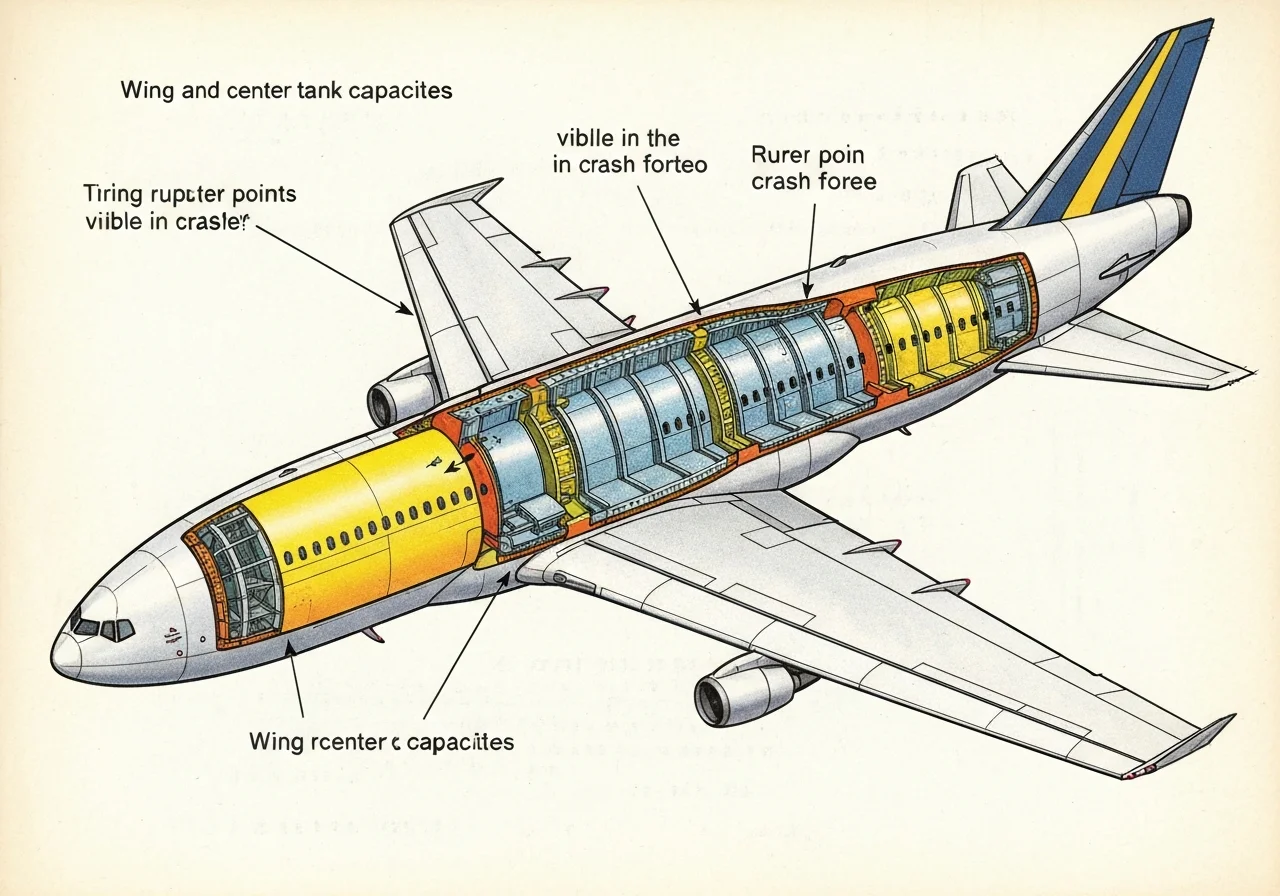
The NTSB's forensic ballet begins with locating those bright orange lifelines—the cockpit voice and flight data recorders—buried in the smoldering wreckage of the UPS MD-11. These titanium-clad sentinels, engineered to endure 2,000°F infernos for an hour, face their ultimate test after an industrial park fire likely created thermal pockets exceeding jet fuel's standard 1,200°F burn range. As the aviation safety protocols dictate, investigators will comb the tail section first, where survival rates peak. Modern signal alchemy—using spectral analysis and error-correction algorithms—gives the NTSB a 90% success rate in resurrecting data from charred units, though warehouse materials may have pushed heat thresholds beyond design limits.
Eyewitness accounts versus forensic evidence
Here's where the rubber meets the runway: dashcam footage showing the left wing's pre-crash fire must square with ATC's silent radio and telemetry ghosts. The verified video evidence clocks the MD-11 at 214 mph before its death plunge, while BBC Verify's audio forensics reveal no Mayday calls—either a fried radio or crew too busy wrestling the beast to talk. Forensic triangulation will map eyewitness accounts of tail engine smoke against the FDR's final gasps, separating heat-haze illusions from thrust asymmetry truths. With 38,000 gallons of jet fuel turbocharging the fireball, this evidence jigsaw demands pixel-perfect reconstruction.
Historical parallels to engine separation incidents
History doesn't repeat, but it sure rhymes: the Louisville crash echoes 1979's American Airlines Flight 191, where an engine detachment became a death sentence. Aviation sage Terry Tozer calls such events "mechanical unicorns" in modern fleets, yet here we are. The MD-11's triple-engine design should've laughed off one failure, but debris ingestion apparently turned the left engine's exit into a tail-engine kill shot. Investigators will scrutinize whether the 34-year-old airframe's passenger-to-freighter conversion weakened engine mounts—a déjà vu of 2021's Pratt & Whitney debacle. As the BBC's comparative analysis shows, redundancy thresholds need recalibration when vintage birds haul modern cargo loads.
Aviation safety protocol reassessment
Cargo plane operational thresholds
The aviation industry's dirty little secret? Those converted freighters hauling your overnight packages might be flying on borrowed time. The UPS Flight 2976 tragedy exposes the razor-thin margins in operating geriatric birds like the 34-year-old McDonnell Douglas MD-11 - what pilots call "zombie freighters." BBC Verify's tear-down reveals this particular bird was lugging 255,000 pounds of jet fuel alongside 20,000 packages during its doomed takeoff attempt. That's like strapping three fully-loaded semis to an airframe that's already endured decades of structural compromises from its passenger-to-cargo conversion.
The real kicker? That conversion process plants hidden time bombs in these workhorses:
| Modification Type | Risk Factor | MD-11 Specific Impact |
|---|---|---|
| Floor Reinforcement | Increased structural stress | Potential wing root fatigue |
| Cargo Door Installation | Cabin pressure integrity | Unconfirmed in crash sequence |
| Engine Mount Updates | Vibration harmonics | Left engine detachment risk |
| Fuel System Adaptation | Weight distribution | Critical during asymmetric thrust |
Retired captain Terry Tozer nailed it in his BBC interview - these Frankenplanes demand weight monitoring that would make a Swiss watchmaker sweat. The MD-11's party trick of theoretically flying with one dead engine becomes Russian roulette when you factor in aging components and maxed-out weight limits.
Emergency response coordination
When 38,000 gallons of jet fuel meet an industrial park, you get what Louisville firefighters faced - a 2,000°F hellstorm that turned crash protocols into wishful thinking. Newsweek's frame-by-frame analysis shows flames licking through warehouses like a demonic version of dominoes, proving standard airport foam trucks might as well bring squirt guns to such infernos.
The wake-up call? Urban cargo hubs need war-grade response plans that address:
- Foam tenders staged like artillery along extended runway kill zones
- Evacuation blueprints accounting for industrial chemical wildcards
- Thermal drones that can sniff out black boxes through Satan's own barbecue
Crew resource management under duress
Ninety seconds. That's all three pilots had between the first warning light and impact - less time than it takes to microwave popcorn. BBC Verify's reconstruction reads like an aviation horror story: left engine fire at T+0, tail engine choking by T+45, then the surviving right engine pulling the plane sideways like a drunk driver at T+60.
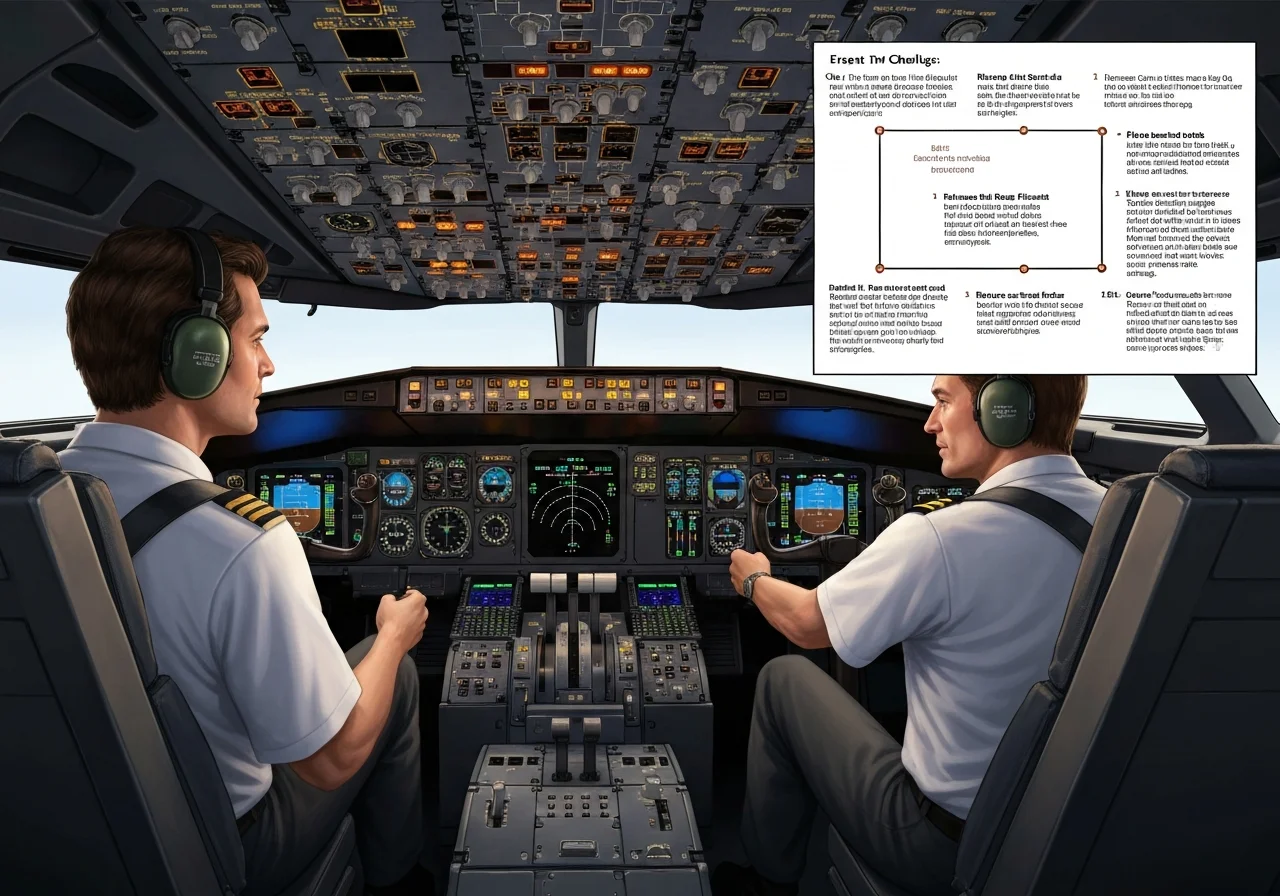
Aviation lecturer Marco Chan spotlighted the MD-11's cruel paradox in his BBC interview - that third engine creates thrust imbalances that turn emergency procedures into calculus exams. This crash will force regulators to rethink:
- Whether three pilots can process compound failures fast enough
- If simulators truly replicate the chaos of cascading system deaths
- How ATC should handle mayday calls from freighters already in death spirals
Systemic risks in aging cargo fleets
Maintenance challenges in legacy freighters
The Louisville crash involving a 34-year-old McDonnell Douglas MD-11 freighter exposes the razor-thin margins of operating geriatric aircraft. When that left engine tore off during takeoff—captured in chilling BBC footage—it wasn't just metal fatigue we saw, but the culmination of deferred maintenance cycles. Veteran pilots like Terry Tozer recognize these red flags instantly; such catastrophic failures simply don't happen on modern birds. The MD-11's triple-engine redundancy? A theoretical safety net that crumbles when you stack aging airframes against maximum payloads.
Economic pressures versus safety margins
Here's the brutal math cargo operators face: every transpacific flight with a 255,000-pound fuel load pushes these conversions to 95% of max weight, leaving no room for error. The Louisville sequence—214mph with no altitude gain—plays out like a textbook case of diminished performance envelopes. When Marco Chan dissected the power imbalance from losing two engines, he wasn't just describing physics; he was outlining the inevitable consequence of squeezing every operational dollar from aging fleets.
Regulatory gaps in freighter oversight
While passenger jets face mandatory retirement, cargo operators play a dangerous game of lifecycle arbitrage. That left wing inferno captured by CBS cameras before takeoff? More than just fire—it's the visible symptom of corrosion inspections that might've been rushed. With black boxes potentially melted in 2,000°F fires, investigators now face a forensic nightmare: reconstructing maintenance histories on airframes where every flight hour carries compounding metal fatigue risks.
References


Get Daily Event Alerts for Companies You Follow
Free: Register to Track Industries and Investment Opportunities