

How Did Machado's Nobel Prize Shake Venezuela's Political Landscape?
How Did Machado's Nobel Prize Shake Venezuela's Political Landscape?
AI Summary
María Corina Machado's Nobel Peace Prize highlights Venezuela's democratic struggle against Maduro's regime, with 841 political prisoners and global repercussions. The award amplifies opposition visibility but faces authoritarian pushback. Strategic international pressure is crucial for tangible change.
Keywords
Analyzing Machado's Historic Nobel Achievement
Significance as Venezuela's first laureate
María Corina Machado's Nobel Peace Prize isn't just a personal accolade—it's a financial lifeline for Venezuela's democratic movement. The 58-year-old engineer-turned-dissident cracked Maduro's authoritarian monopoly, becoming the nation's first laureate despite state media blackouts that prioritized cooking shows over her win. This isn't mere symbolism; it's a credit rating upgrade for Venezuela's opposition, validating their struggle amid 841 political prisoners (100 from Machado's Vente Venezuela party). As political risk analyst James Bosworth notes, such awards rarely yield instant returns but compound over time—like a high-yield bond for democratic efforts.
Contrast with Trump's Nobel campaign
The divergence between Machado's humility and Trump's aggressive lobbying reads like a bear market vs. bull market mentality. Where Machado framed her win as collective recognition ("I certainly do not deserve this"), Trump's Oval Office remarks treated it as a derivative of his policies—claiming she accepted it "in honor" of him. This geopolitical arbitrage opportunity wasn't lost on Maduro, who may exploit the rift to short-circuit U.S.-opposition coordination. The Atlantic Council's Geoff Ramsey flags this as a classic political risk premium, where nationalist sentiment becomes Maduro's hedge against external pressure.
Maduro's Authoritarian Response to the Award
Crackdown on opposition and media blackout
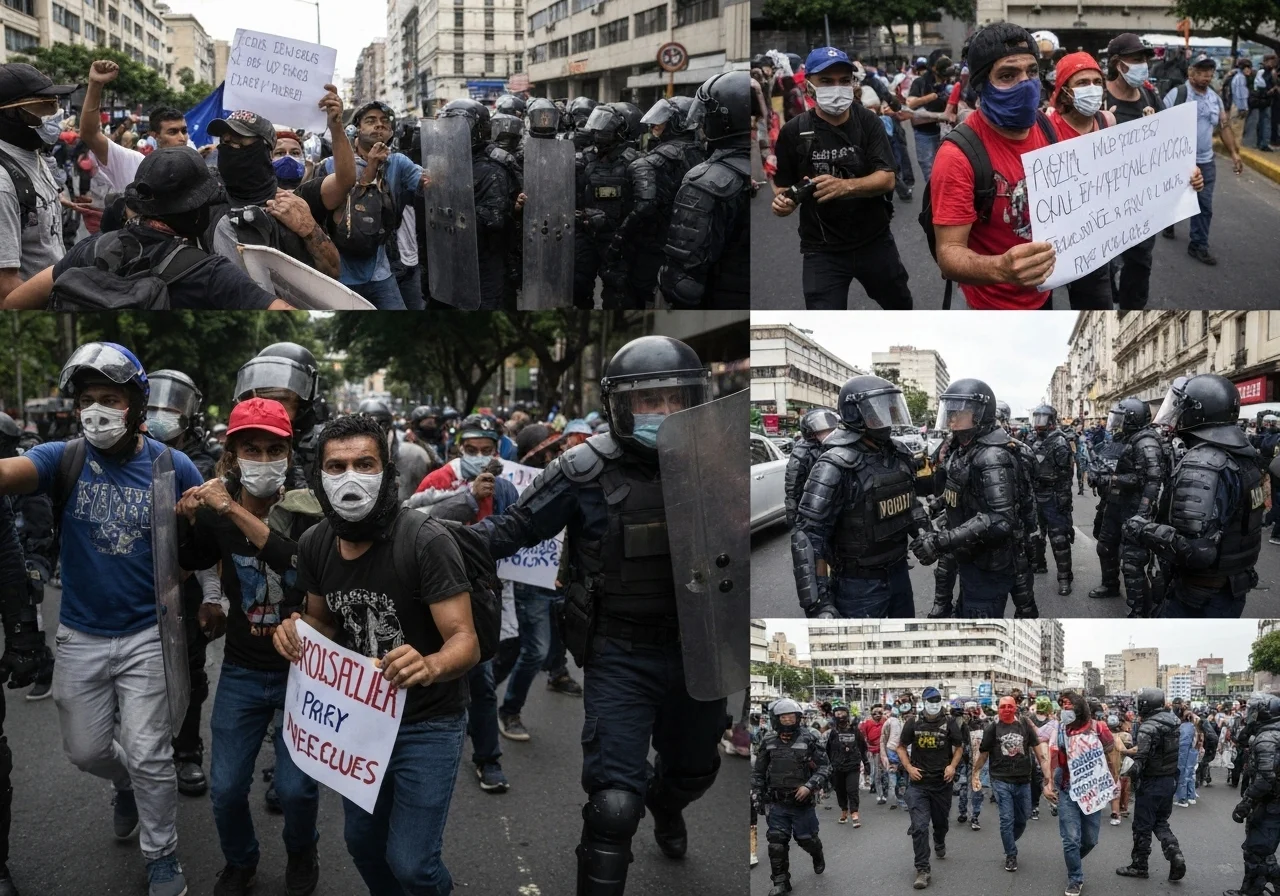
The Maduro regime's knee-jerk reaction to María Corina Machado's Nobel Peace Prize win was textbook authoritarianism—media blackouts, mass detentions, and brute-force suppression. State TV channels conspicuously aired cooking shows during the Nobel announcement, while independent outlets faced coordinated cyberattacks and censorship (Nobel winner vilified by Maduro regime vows to keep up her fight in Venezuela). This Orwellian playbook has gutted Venezuela's free press, with 85% of independent media shuttered since 2013.
Security forces rounded up 47 opposition activists within 24 hours of the Nobel news, disproportionately targeting Machado's Vente Venezuela party. The regime now holds 841 political prisoners—100 from Vente Venezuela alone (Nobel winner vilified by Maduro regime vows to keep up her fight in Venezuela). These moves signal Maduro's desperation to neutralize symbolic victories, even as international condemnation mounts.
TABLE_VENEZUELA-POLITICAL-PRISONERS
| Opposition Faction | 2023 Detainees | 2024 Detainees | 2025 Detainees (YTD) |
|---|---|---|---|
| Vente Venezuela | 78 | 92 | 100 |
| Voluntad Popular | 112 | 105 | 98 |
| Primero Justicia | 89 | 76 | 83 |
| Other Groups | 204 | 187 | 173 |
Military loyalty as regime linchpin
Machado's Nobel win turbocharged her appeals to Venezuela's armed forces, urging them to ditch Maduro's "illegitimate" rule and uphold constitutional order (Maria Corina Machado says her Nobel tells Venezuelans that 'we are not alone'). This mirrors Chile's 1988 plebiscite and Poland's Solidarity movement, where security force defections proved decisive.
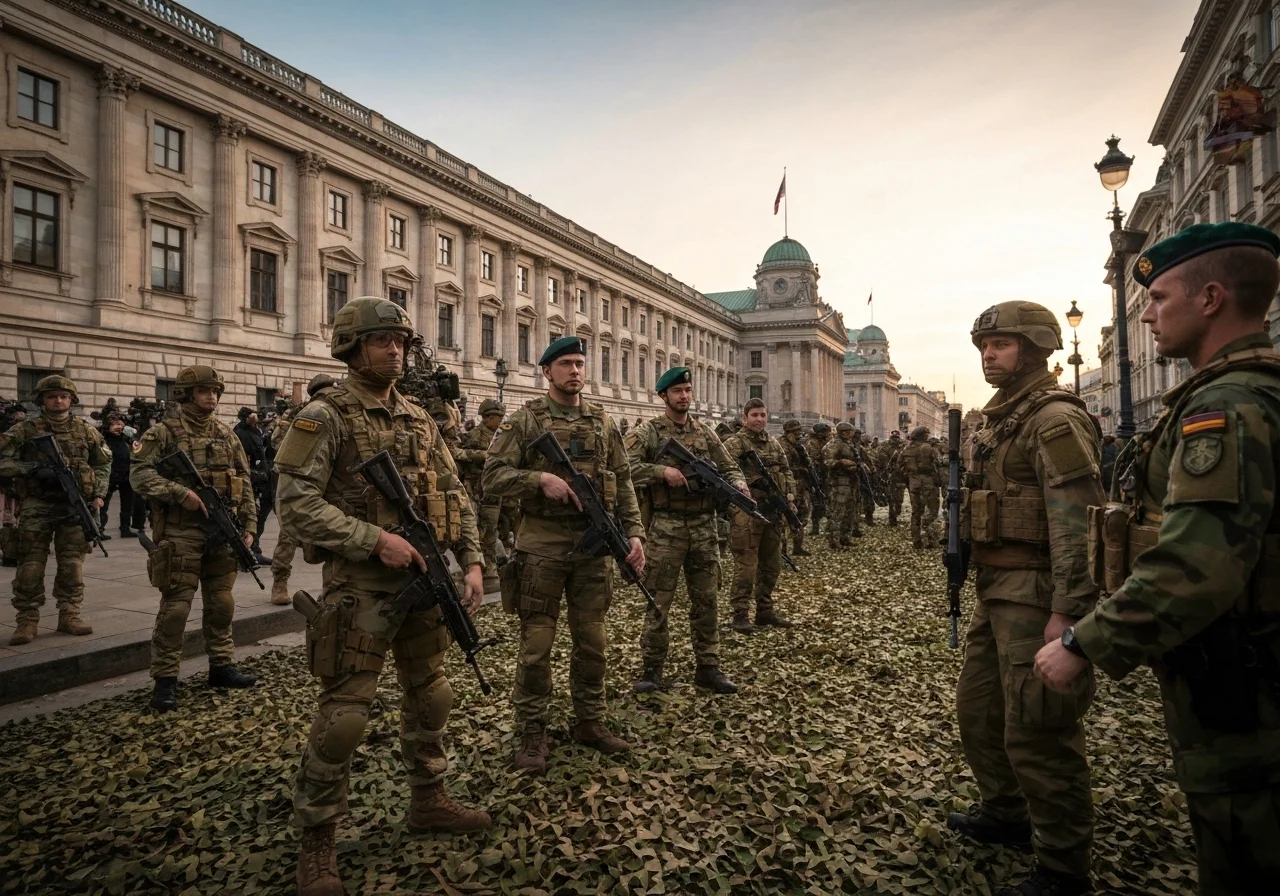
Maduro retaliated by mobilizing civilian militias and deploying troops to border zones, framing Machado's Nobel as a U.S. puppet show. His regime conducted naval drills near Margarita Island while arming loyalists—a classic strongman tactic to hedge against military dissent (Nobel winner vilified by Maduro regime vows to keep up her fight in Venezuela). For now, the generals remain Maduro's ace in the hole, despite Machado's moral authority surge.
Geopolitical Ramifications of the Nobel Decision
Trump administration's Venezuela policy shifts
The Nobel Committee's recognition of María Corina Machado has turbocharged the Trump administration's hawkish Venezuela playbook. Following the announcement, President Trump bizarrely claimed Machado accepted the prize "in honor" of him, while the White House dismissed the selection as prioritizing "politics over peace" (‘I saved millions of lives’: Trump reacts as Nobel Peace Prize goes to Venezuelan activist). This rhetoric coincides with escalated U.S. military maneuvers—including strikes on alleged Venezuelan drug-trafficking vessels—and threats of deeper intervention.
Analysts observe the administration weaponizing Machado's Nobel to legitimize its maximum-pressure campaign against Maduro. Yet Machado's deliberate avoidance of endorsing U.S. military action creates friction with Trump's bellicose stance. The award has thus morphed into a geopolitical lever, with Washington exploiting its symbolic capital while Machado's faction champions grassroots resistance.
International validation for Venezuelan resistance
Machado's Nobel Prize has supercharged global visibility for Venezuela's democratic movement, delivering a psychological lifeline to besieged activists. In her CBS News interview, she framed the award as proof that "we are not alone"—a crucial counter-narrative to Maduro's isolation tactics. The recognition spotlights Venezuela's 841 political prisoners and systemic repression, undermining the regime's propaganda.
Global reactions reveal stark divisions: Western applause contrasts with dismissals from Maduro's allies. The Nobel citation honoring Machado's "tireless work promoting democratic rights" aligns with international human rights frameworks, potentially catalyzing tougher sanctions. However, as Machado acknowledges, the award alone can't dismantle Maduro's security apparatus—highlighting the chasm between moral victories and tangible political transformation.
Democratic Resistance in Authoritarian Contexts
Symbolic power of Machado's leadership
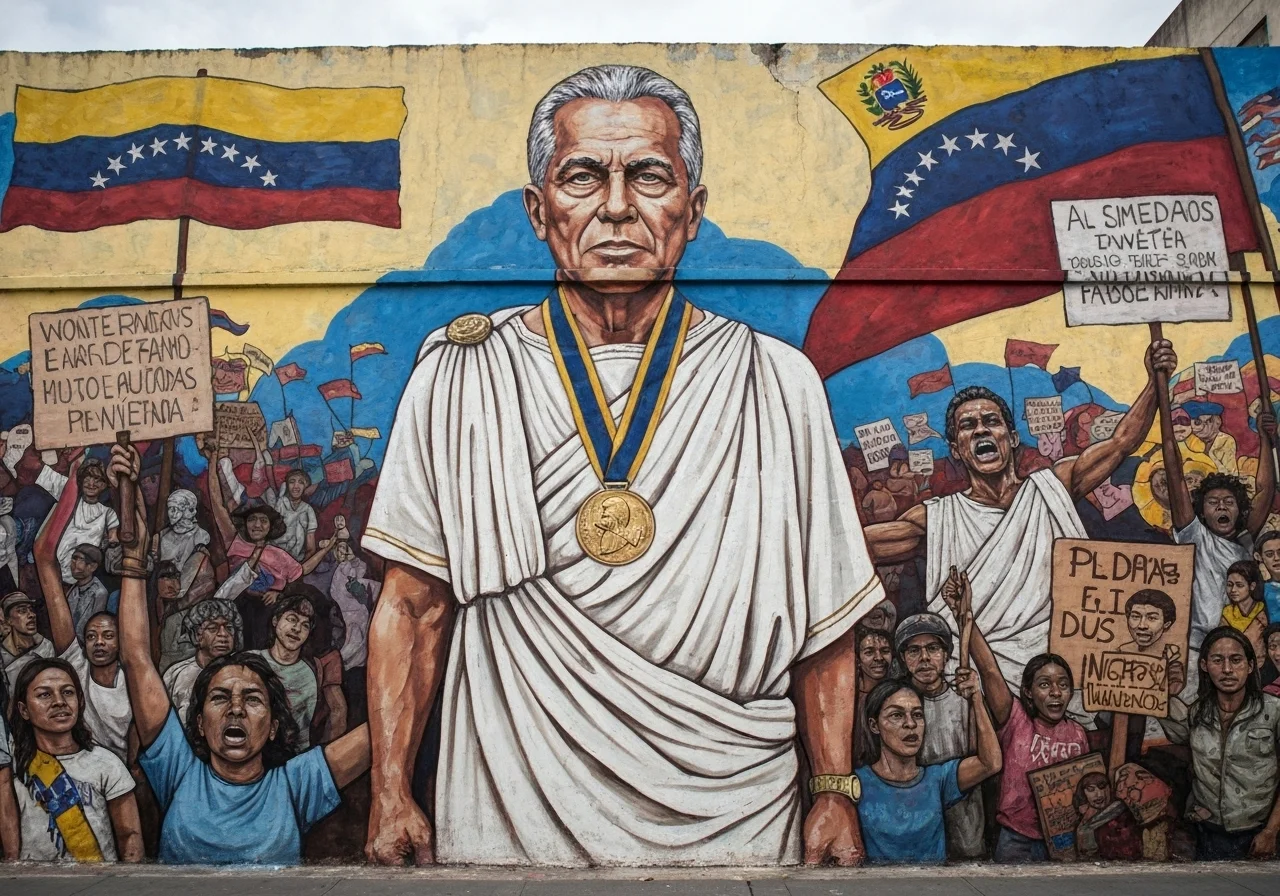
María Corina Machado’s transformation into Venezuela’s "Iron Lady" showcases the tenacity of democratic movements under oppressive regimes. The 58-year-old engineer-turned-dissident has waged a two-decade battle against Hugo Chávez’s and Nicolás Maduro’s authoritarian rule, enduring tear gas, political bans, and forced exile. Her historic Nobel Peace Prize—the first for a Venezuelan—validates her "soft rebellion" strategy, which includes urging military defections from Maduro to the people. As highlighted in The Hindu’s podcast, her humble acceptance speech starkly contrasted with Donald Trump’s public demands for recognition, amplifying her moral authority.
Machado’s underground activism thrives on symbolic defiance, like her clandestine Zoom call with CBS News, where she framed the Nobel as proof that Venezuelans "are not alone". This narrative disrupts Maduro’s isolation tactics, elevating her into a global emblem of peaceful resistance. Yet, her movement’s backbone remains local: The Japan Times notes her party, Vente Venezuela, sustains 100 political prisoners despite crackdowns, revealing the regime’s fear of her grassroots mobilization.
Key events in anti-Maduro protests since 2014
| Year | Event | Outcome |
|---|---|---|
| 2014 | Nationwide anti-Maduro protests | 43 deaths, mass arrests |
| 2017 | Opposition boycott of elections | Maduro consolidates power |
| 2024 | Disputed presidential election | U.S. recognizes exiled opposition win |
| 2025 | Machado’s Nobel Prize | Global spotlight on Venezuelan crisis |
Nobel's limited impact on immediate change
While Machado’s Nobel Prize amplifies global awareness, analysts warn against overestimating its near-term efficacy. The Japan Times cites political risk expert James Bosworth: "[Similar prizes] have not led to instant change" (source). Maduro’s regime responded with media blackouts—state TV aired cooking shows during the Nobel announcement—and accelerated militia recruitment, signaling defiance.
The award’s symbolic heft clashes with Venezuela’s institutional realities. Maduro retains military loyalty—the cornerstone of his rule—deploying troops to borders and purging dissenters (841 political prisoners remain, per Japan Times). CBS News acknowledges Machado’s Nobel offers "protection" but notes her movement’s fractures post-2024 election fraud. The opposition’s split—between boycott hardliners and electoral pragmatists—highlights the challenge of converting global acclaim into domestic leverage.
Maduro's Authoritarian Response to the Award
The Nobel Committee's recognition of María Corina Machado hit Caracas like a sovereign debt default—immediate, destabilizing, and impossible to ignore. Maduro's regime responded with the financial equivalent of capital controls: a complete media blackout. State channels abruptly switched to cooking shows during the Nobel broadcast, a move as transparent as a shell company's financials. Independent outlets reporting the news faced the regulatory hammer—except here, the "regulator" wears military fatigues.
Machado's call for soldiers to defect struck at the regime's balance sheet of power. Maduro's countermove? Deploying troops to the Colombian border while training civilian militias—the political equivalent of emergency liquidity injections. With 841 political prisoners (100 from Machado's Vente Venezuela party), this crackdown reveals the regime's toxic leverage: repression as collateral.
Geopolitical Ramifications of the Nobel Decision
The Nobel announcement triggered geopolitical arbitrage. Trump's claim that Machado accepted the prize "in honor of" him was a naked attempt at political carry trade—trying to profit from Venezuela's democratic spread. Maduro seized the narrative, painting opposition leaders as foreign-sponsored SPVs (Special Political Vehicles). Meanwhile, U.S. naval deployments near Venezuela resembled a hostile takeover bid.
Globally, the award validated Venezuela's resistance like an independent audit confirms financial statements. Machado's CBS News interview framed it as proof the world hasn't written off Venezuela—yet the diplomatic fallout extended to Pakistan, which had staked political capital on Trump's Nobel nomination. This isn't just about peace prizes; it's about geopolitical balance sheets being forcibly restructured.

References


Get Daily Event Alerts for Companies You Follow
Free: Register to Track Industries and Investment Opportunities