

Historic Breakthrough! Israel-Hamas Deal Unlocks Path to Peace!
Historic Breakthrough! Israel-Hamas Deal Unlocks Path to Peace!
AI Summary
The landmark Israel-Hamas agreement features a 1:100 hostage-prisoner swap and phased troop withdrawals, with Gulf states funding Gaza's reconstruction. While cautiously optimistic, experts question the deal's durability and Trump's Nobel Prize motives. Monitor implementation timelines closely.
Keywords
Key Components of the Historic Agreement
Phase One Hostage-Prisoner Exchange
The opening gambit of this geopolitical chess match hinges on an asymmetrical 1:100 swap ratio—20 living hostages for approximately 2,000 Palestinian detainees. As President Trump's Truth Social announcement reveals, the exchange machinery kicks off Monday pending Israeli cabinet ratification. What makes this deal tick? Third-party validators from Qatar, Egypt, and Turkey will enforce compliance through Red Cross health checks and forensic audits—a textbook example of conflict resolution leverage points.
HOSTAGE RELEASE MILESTONES
| Phase | Action | Verification Mechanism |
|---|---|---|
| 1 | Hamas releases 20 living hostages | Red Cross medical examinations |
| 2 | Israel releases 1,700 detainees | Palestinian Authority documentation review |
| 3 | Remains exchange (28 Israelis for 420 Gazans) | DNA matching by neutral forensics team |
Israeli Military Withdrawal Terms
The IDF's retrograde movement to pre-October 2023 positions along the Green Line isn't just about territory—it's a carefully choreographed risk mitigation exercise. Egyptian-Qatari observer units will monitor the buffer zones while Gulf capital flows into Gaza's reconstruction, creating a classic "security-for-prosperity" quid pro quo. The withdrawal timetable's linkage to hostage releases? That's contract theory in action—mutually assured performance through sequenced deliverables.
Political Reactions to the Deal
Bipartisan US Support with Reservations
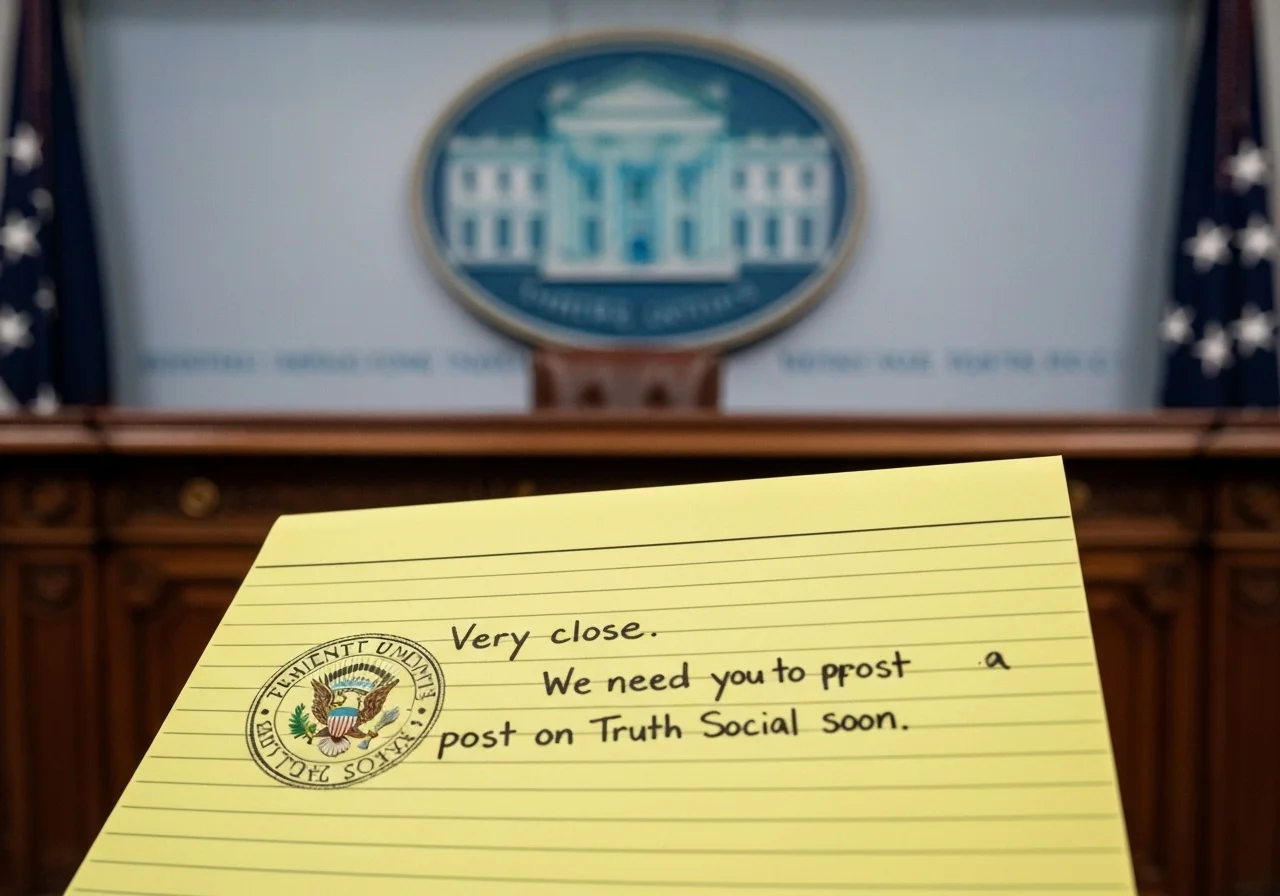
The political theater surrounding the deal reveals fascinating fault lines. Senator Fetterman’s public endorsement of Trump’s deal—a rare bipartisan olive branch—highlights the enduring pro-Israel consensus in Washington. Yet the real eyebrow-raiser came from Rep. Fine’s 22nd Amendment gambit, framing Nobel recognition as insufficient for such geopolitical heavy lifting. Commerce Secretary Lutnick’s emotional Nobel push during hostage family calls, per Daily Mail, adds another layer to the legacy-building narrative.
International Community's Cautious Optimism
UN chief Guterres’ measured support contrasts sharply with Hamas’ maximalist demands for prisoner releases—a classic good cop/bad cop dynamic. The real tell comes from Cairo, where Sisi’s "encouraging" assessment suggests regional powers see this as their best near-term off-ramp.
Geopolitical Implications Moving Forward
Testing the "Everlasting Peace" Framework
The durability of President Trump's 20-point peace plan faces immediate scrutiny when stacked against the graveyard of failed ceasefires in 2023 and 2024. While the current agreement mandates hostage releases and Israeli troop withdrawals to an "agreed upon line," Hamas' prisoner list demands introduce operational landmines absent from earlier deals. Prime Minister Netanyahu's "historic achievement" rhetoric rings hollow when juxtaposed with Hamas official Zaher Jabarin's conditional stance—the devil's in the detainee details.
The phased approach—hostage returns kickstarting Monday, followed by Palestinian prisoner releases—attempts to bake in confidence measures that crumbled during the November 2023 and January 2024 ceasefires. But requiring Israel to release nearly 2,000 prisoners, including violent offenders, is political nitroglycerin. Trump's Truth Social declaration of "Everlasting Peace" feels particularly rich given how previous agreements collapsed faster than meme stocks during a Fed meeting.
Nobel Prize Controversy and Legacy Building
The Nobel Peace Prize chatter surrounding Trump's mediation smells suspiciously like Henry Kissinger's controversial 1973 award for Vietnam negotiations—a case study in premature celebration. Commerce Secretary Howard Lutnick's cheerleading contrasts sharply with Crikey's takedown of the prize as geopolitical whitewash. Trump's unorthodox claim that tariffs catalyzed the breakthrough—"The tariffs have brought peace to the world"—would be laughable if it weren't such masterful narrative arbitrage.
| Recipient | Year | Conflict Context | Outcome |
|---|---|---|---|
| Henry Kissinger | 1973 | Vietnam Peace Accords | War continued until 1975 |
| Barack Obama | 2009 | "Promoting Nuclear Nonproliferation" | Iran nuclear deal collapsed |
| Aung San Suu Kyi | 1991 | Myanmar Democracy Movement | Rohingya genocide occurred |
| Donald Trump | 2025 | Israel-Hamas Peace Plan | Pending implementation |
| Abiy Ahmed | 2019 | Ethiopia-Eritrea Reconciliation | Tigray War erupted 2020 |
GOP Rep. Randy Fine's suggestion to repeal the 22nd Amendment instead of pursuing a Nobel Prize reveals the deal's polarized reception. Trump's timing—announcing the deal two days before the 2025 Nobel revelation—smacks of documented prize ambitions, risking substantive progress being overshadowed by legacy-building optics.
Middle East Conflict Resolution Pathways
Reconstruction Economics in Post-War Gaza
The Trump-brokered deal flips the script on postwar recovery, swapping traditional UN aid pipelines for Gulf sovereign wealth funds—a move that could either turbocharge Gaza’s rebuild or become a logistical minefield. As Trump quipped on Fox News, regional players have "tremendous wealth" to deploy, but Israeli security hawks won’t forget Hamas’ history of repurposing cement shipments into attack tunnels. The Sydney Morning Herald notes Phase One’s troop withdrawals hinge on Byzantine import controls—think blockchain-tracked steel beams and AI-monitored concrete mixers.
Diplomatic Normalization Prospects
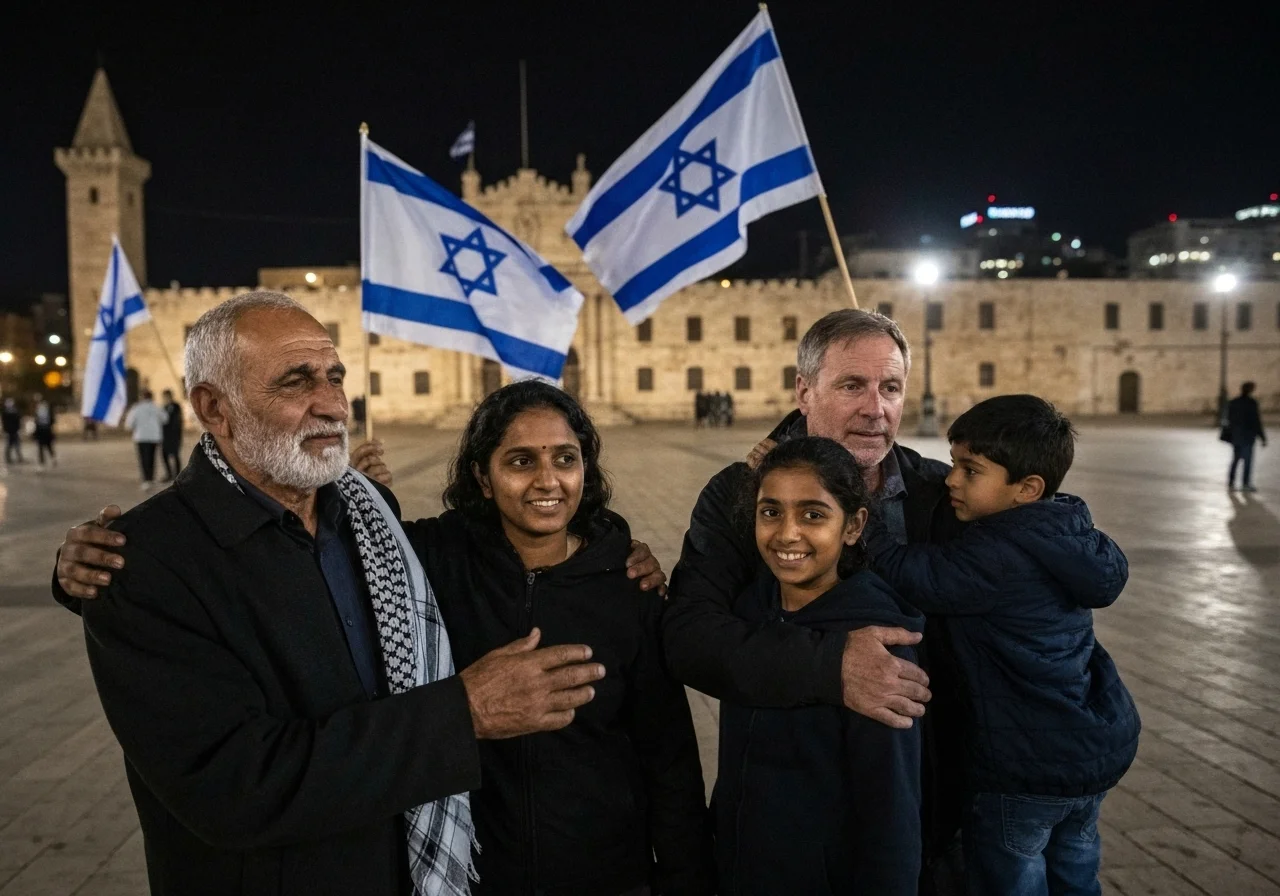
Qatar and Turkey’s hostage-deal breakthrough just greased the skids for Saudi Arabia to join the Abraham Accords club. A Times of India scoop captured Rubio’s frantic note-passing to Trump—the kind of backchannel hustle that makes diplomats sweat. Hamas’ rare shoutout to Arab mediators (via Daily Mail) suggests they’re reading the room: the petrodollar diplomacy train is leaving the station.
Strategic Communication of Breakthrough
Truth Social as Diplomatic Tool
The State Department’s playbook got a 21st-century rewrite when Secretary Rubio’s scribbled note—leaked via AP photographer—urged Trump to "announce deal first" on Truth Social. This wasn’t just about beating the press cycle; it signaled a tectonic shift in statecraft. Where Foggy Bottom traditionally relies on secure channels, the administration weaponized viral immediacy, bypassing diplomatic red tape to claim narrative ownership. The subsequent chain reaction manifested in Trump’s real-time announcement of the Israel-Hamas accord—a masterclass in controlling the geopolitical optics playbook.
Media Narrative Control Tactics
Fundamentally, this dynamic underscores how outlets weaponized framing biases. Conservative stalwarts like Fox News and Daily Mail played the heartstrings with hostage-family vignettes, while the Sydney Morning Herald dissected Rubio’s note as a "history heaved" artifact. The disparity wasn’t accidental—it reflected calculated curation. Right-leaning media amplified Trump’s peacemaker brand through emotional close-ups, whereas international press deployed wide-angle lenses on conflict cycles.
| Outlet | Primary Narrative Angle | Emotional Tone | Geopolitical Depth |
|---|---|---|---|
| Fox News | Presidential leadership | Triumphant | Limited |
| Daily Mail | Hostage family relief | Sentimental | Minimal |
| Sydney Morning Herald | Historical turning point | Reflective | High |
| Times of India | Diplomatic urgency | Neutral | Moderate |
| Crikey | Nobel Prize politicization | Critical | Analytical |
| AP | Process-focused | Factual | Contextual |
References


Get Daily Event Alerts for Companies You Follow
Free: Register to Track Industries and Investment Opportunities