

Deadly Islamabad Bombing Sparks Regional Security Meltdown!
Deadly Islamabad Bombing Sparks Regional Security Meltdown!
AI Summary
A suicide attack at Islamabad's court complex kills 12, with TTP claiming responsibility, exacerbating Pakistan-Afghanistan tensions and regional instability. Financial markets react as security measures escalate.
Keywords
Suicide Attack Triggers National Security Crisis
Court Complex Bombing Kills 12
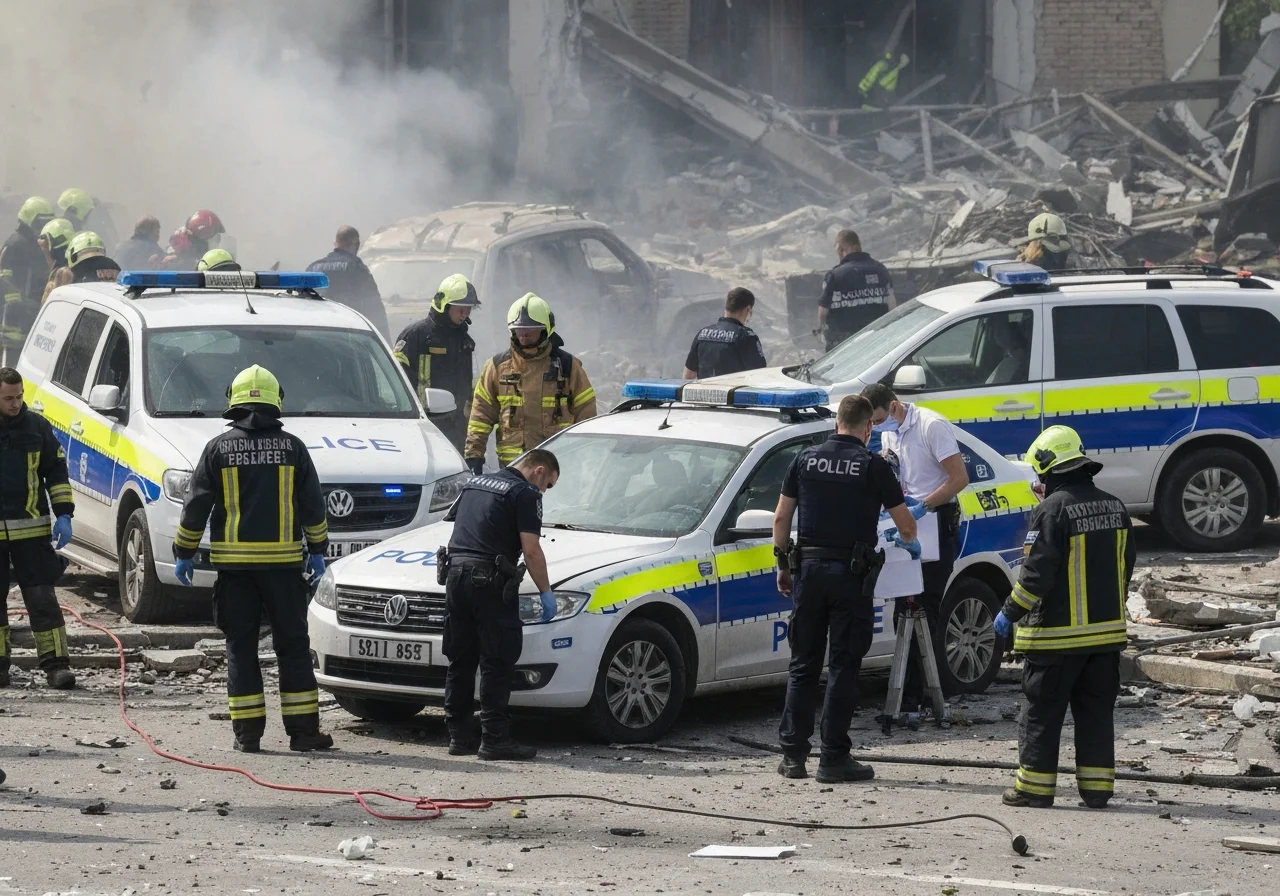
The financial markets hate uncertainty, and the midday explosion at Islamabad's G-11 judicial complex delivered it in spades. When the suicide bomber detonated near a police vehicle at 12:39 PM local time, the immediate human toll—12 dead, 27 injured—was just the opening act of a broader security sell-off. Like a sudden black swan event, the attack caught traders off guard, with CCTV footage later revealing the assailant aborting his original courthouse entry to target the checkpoint instead.
Eyewitness accounts from lawyers like Mohammed Shahzad Butt, who reported "[seeing] at least five dead bodies lying at the front gate," read like a grim earnings call transcript. Forensic teams compounding the shock by recovering the attacker's severed head—a macabre dividend from Pakistan's first major suicide bombing since December 2022.
TTP Claims Responsibility Amid Militant Resurgence
The Tehrik-e-Taliban Pakistan (TTP) isn't just another bad actor—it's a systemic risk with a clear investment thesis. Their claim of targeting "judges and lawyers enforcing un-Islamic laws" functions like a prospectus for further violence, demanding Sharia implementation as their version of shareholder demands.
But here's the bear case: Pakistani officials are short-selling Kabul's narrative, accusing the Afghan Taliban of harboring TTP operatives. Defense Minister Khawaja Asif's statement that Afghanistan "has the ability to prevent terrorist attacks inside Pakistan" reads like a short squeeze in geopolitical tensions. The parallel Wana military college attack—a tactical callback to the TTP's 2014 Peshawar school massacre—only compounds the volatility.
RECENT TERROR ATTACKS
| Date | Location | Casualties | Perpetrator |
|---|---|---|---|
| Nov 11, 2025 | Islamabad District Courts | 12 dead, 27 injured | TTP (claimed) |
| Nov 10, 2025 | Wana Military College | 3 dead | Unidentified militants |
| Oct 15, 2025 | Pakistan-Afghan Border | 70+ dead | Crossfire between states |
Geopolitical Fallout Intensifies
Pakistan Accuses Afghanistan of Complicity
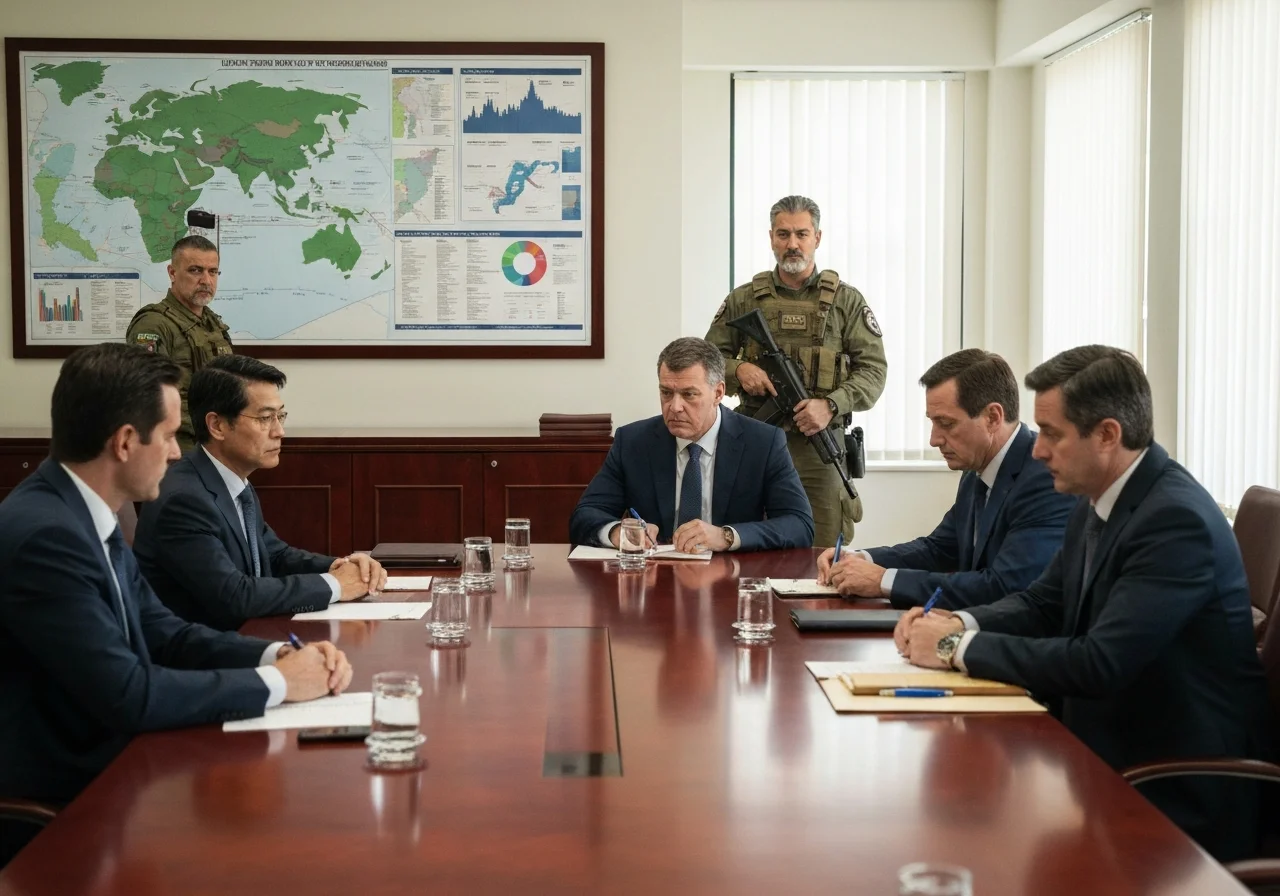
The diplomatic temperature spiked when Defense Minister Khawaja Asif took to social media with a loaded assertion: "Kabul has the ability to prevent terrorist attacks inside Pakistan." This wasn't just finger-pointing—it was a calculated indictment of Afghan negligence following the Islamabad bombing. The subtext? A complete breakdown in bilateral talks where Pakistan demanded written security guarantees against cross-border militancy, a non-starter for Kabul. Add October's bloody border skirmishes (70 casualties per UN reports), and you've got a trust deficit wider than the Durand Line.
India Allegations Complicate Regional Dynamics
Interior Minister Mohsin Naqvi's claim of "Indian-backed elements" in the court bombing wasn't just geopolitical theater—it was a strategic gambit. The timing was telling, coming mere hours after Delhi's Red Fort blast killed eight. This reciprocal blame game isn't new—it's straight from the Kashmir conflict playbook, where both nations routinely accuse each other of proxy warfare. By framing domestic terrorism through a regional lens, Pakistan's narrative effectively boxes itself into a corner where de-escalation requires third-party mediation.
Escalating Counterterrorism Measures
Military Operations Expand Nationwide
Pakistan's armed forces are doubling down on counterterrorism ops, with Defense Minister Khawaja Asif touting their "daily sacrifices" in Balochistan and Khyber Pakhtunkhwa. The current blitzkrieg mirrors the 2014 Peshawar school massacre playbook—think rapid reaction units and hyper-localized strikes. Case in point: security forces flawlessly evacuated 300+ during the Wana military college attack, showcasing crisis protocols refined through trial by fire.
Diplomatic Channels Collapse
The gloves are off after Islamabad's suicide bombing, with Asif declaring talks "futile" in a policy broadside. Kabul's retort? Calling Pakistan's demand for written security guarantees "unrealistic"—a diplomatic stalemate that's left the region teetering. October's border clashes, which UN reports claim killed 70+ civilians, now loom large as both sides dig in.
REGIONAL CONFLICT ZONES
| Conflict Zone | Recent Incidents (2025) | Militant Groups Active |
|---|---|---|
| Khyber Pakhtunkhwa | 18 suicide attacks | TTP, IS-K |
| Balochistan | 7 IED explosions | BLA, TTP |
| Afghanistan-Pakistan border | 3 cross-border raids | Afghan Taliban, TTP |

Pakistan's Shift to Conventional War Posture
The Islamabad court bombing isn't just another blip on the security radar—it's a full-throated declaration that Pakistan's playing a new game. Defense Minister Khawaja Asif's "state of war" proclamation signals a strategic pivot from surgical counterinsurgency to all-in conventional warfare. The army's boots-on-ground surge in Balochistan and Khyber Pakhtunkhwa—where daily TTP skirmishes now resemble trench warfare—proves this isn't posturing. That Wana military college attack? A carbon copy of the 2014 Peshawar school bloodbath, confirming the playbook's been dusted off. Security analysts note the eerie parallels: when body counts replace precision strikes, the calculus changes.
Proxy Warfare Risks with Afghan Taliban
Pakistan's throwing down the gauntlet with Kabul, explicitly accusing the Afghan Taliban of running a TTP safehouse franchise. Asif's blunt "has the ability to prevent terrorist attacks" remark isn't diplomacy—it's a receipts demand after October's peace talks imploded over written guarantees. The UN-documented border clashes that left 70 civilians dead reveal the proxy war's brutal exchange rate. Kabul's counterargument—that Pakistan wants moon-on-a-stick security—rings hollow when TTP fighters treat the Durand Line like a revolving door.
Nuclear Tensions with India Amid Concurrent Attacks
The Islamabad-Delhi attack sequence (24 hours apart) has turned South Asia's nuclear tripwire into a live wire. Interior Minister Naqvi's "Indian-backed elements" claim—despite TTP's admission—isn't just sabre-rattling; it's Kashmir grievance politics on steroids. When geopolitical reports note both PMs vowing retaliation, the dual-front dilemma (Afghanistan west, India east) becomes a doomsday clock. May 2024's cross-border strikes showed restraint—this time, the fuse is shorter.
References


Get Daily Event Alerts for Companies You Follow
Free: Register to Track Industries and Investment Opportunities