

India Defies Trump! Russian Oil Imports Still Dominate!
India Defies Trump! Russian Oil Imports Still Dominate!
AI Summary
Despite Trump's claims, India maintains 40% Russian crude imports as trade tensions with the US escalate. Strategic energy autonomy clashes with geopolitical pressures, revealing contradictions in global oil markets.
Keywords
Trump Claims Influence Over Indian Oil Imports
US President's Assertion on Russian Oil Phase-Out
The geopolitical chessboard shook when Trump dropped his October 2025 bombshell—claiming Modi had pledged to axe Russian oil imports. This wasn’t just a breach of diplomatic decorum; it was a full-blown fait accompli maneuver straight out of the Oval Office playbook. Behind the bravado lies a critical question: Why would India, a nation that’s built its foreign policy on strategic autonomy, let Washington unilaterally redraw its energy blueprint?
Newsweek’s scoop reveals the fallout—Indian oil execs were blindsided, with three refinery chiefs confirming zero directives to halt Russian crude. The disconnect between Trump’s proclamation and on-ground reality smacks of geopolitical theater.
India's Official Response to Energy Policy Claims
MEA’s Shri Jaiswal served up a masterclass in bureaucratic judo—neither confirming nor denying Trump’s claim while touting India’s "diversified energy strategy." The subtext? A 40% surge in Russian crude imports since 2022, per the table below, tells its own story.
| Year | Russian Crude Share (%) | Annual Change (pp) |
|---|---|---|
| 2022 | 38.7% | +37.9 |
| 2023 | 42.1% | +3.4 |
| 2024 | 39.8% | -2.3 |
The Hindu’s coverage exposes the cognitive dissonance: Jaiswal’s "broad-basing" rhetoric clashes with India’s de facto pivot to discounted Urals barrels.
Political Backlash Over Perceived Sovereignty Erosion
Opposition leaders aren’t buying the ambiguity. Rahul Gandhi’s "frightened" jab and Jairam Ramesh’s "56-inch chest" taunt frame this as sovereignty erosion—a theme NDTV amplifies with Operation Sindoor parallels. The backlash spotlights India’s precarious tightrope walk between energy pragmatism and geopolitical optics.
The data doesn’t lie: even with a slight 2024 dip, Russian crude still dominates 40% of India’s import basket. That’s not diversification—it’s dependency with a diplomatic fig leaf.
Russia's Measured Response to Trade Uncertainty
The Kremlin's poker-faced response to Trump's India oil claims reveals Moscow's delicate balancing act. Peskov's "guided by official statements" line isn't just diplomatic fluff—it's a calculated hedge protecting Russia's $15B/month energy lifeline to Asia. With Europe's doors slammed shut, that 78% export pivot to China and India isn't just strategic, it's existential. The real tell? Russia's refusal to bite on Trump's bait keeps New Delhi's 1.76M bpd purchases flowing while testing Washington's bluff.
US-India Trade Tensions Over Energy Security
Washington's 50% tariff hammer on Indian goods reeks of geopolitical hypocrisy. While punishing New Delhi for Russian crude, America quietly imported $1.2B in Kremlin uranium last year. This double standard fuels India's inflation-defense narrative—those $22/barrel Urals discounts cushion 1.4B consumers from OPEC+'s $90+ price surges. The trade war's collateral damage? An 18% bilateral commerce nosedive that risks becoming structural.
Strategic Implications for Global Energy Markets
If India blinks, the energy dominoes start falling fast. China's 950M-barrel strategic reserves could swallow Russia's displaced exports whole, but the real game-changer lurks in payment rails. That 65% rupee-ruble trade bypass might morph into full petroyuan adoption—a direct threat to dollar hegemony. Meanwhile, Europe's G7 price-cap handcuffs leave refiners watching Asia pocket 20% crude discounts, proving sanctions often ricochet unpredictably.
Bilateral Relations in an Era of Energy Nationalism
Diplomatic Calculus Behind Modi-Trump Dynamics
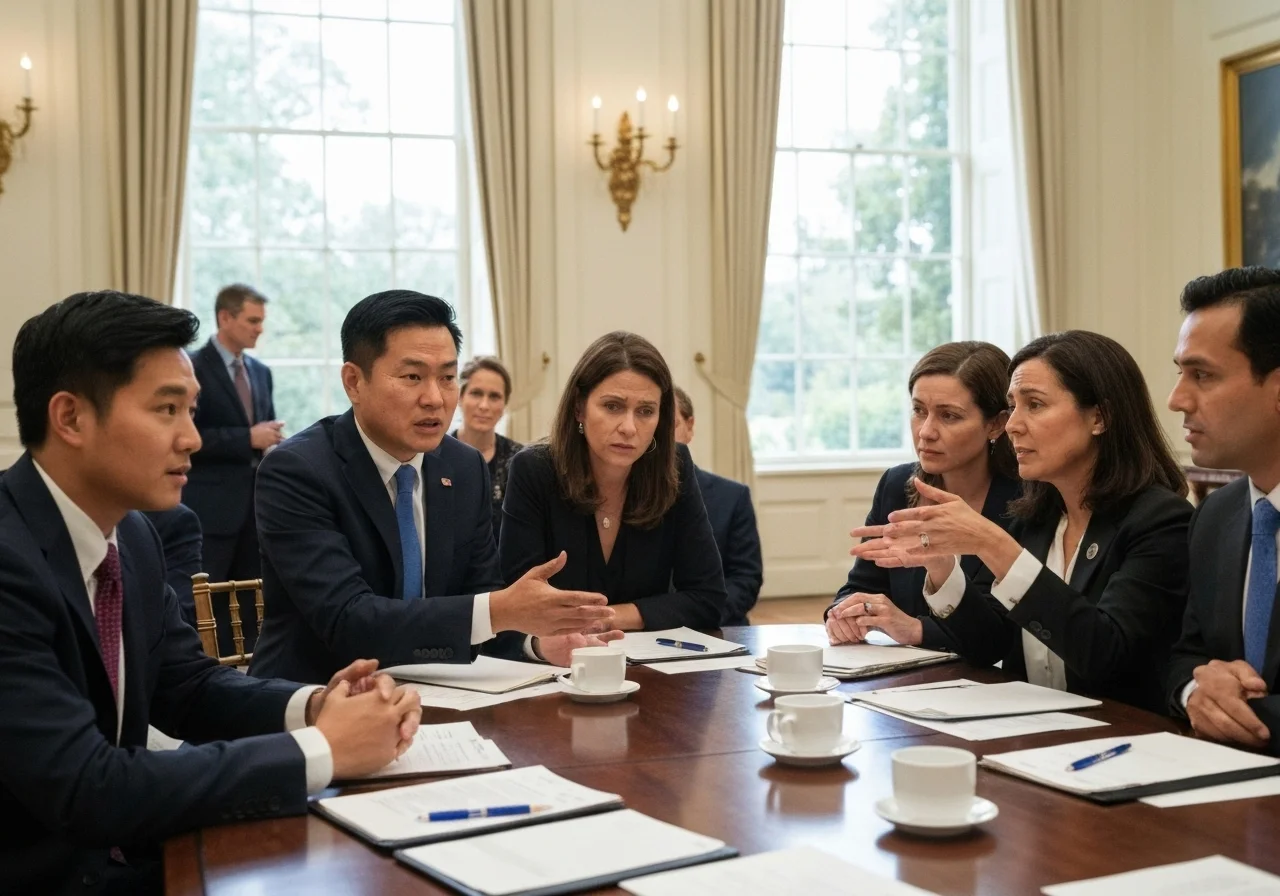
The Modi-Trump tango reveals more than just diplomatic pleasantries—it’s a high-stakes game of realpolitik chess. Rahul Gandhi’s "frightened" barb (The Hindu) cuts to the core of India’s tightrope walk between strategic autonomy and economic pragmatism. Trump’s unilateral oil import announcement wasn’t just protocol malpractice; it was a power flex that exposed structural vulnerabilities in the bilateral dynamic.
Modi’s congratulatory message spree amid cancelled ministerial visits (remember the vanished Finance Minister trip?) suggests either masterful restraint or troubling deference. Through a neorealist lens, India’s behavior mirrors classic secondary state maneuvering—adapting to U.S. energy nationalism while preserving strategic ambiguity. The Sharm el-Sheikh no-show and Operation Sindoor silence speak volumes about unspoken redlines.
Contradictions in US Energy Policy Enforcement
Washington’s sanctions playbook reeks of geopolitical favoritism—slapping India with 50% tariffs (August 2025) while quietly importing $1B in Russian uranium. The numbers don’t lie:
| Country | Tariff Increase | Energy Import Restrictions | Secondary Sanctions |
|---|---|---|---|
| India | 50% (Aug 2025) | Crude oil targeted | None |
| China | 0% | None | None |
As CREA data via NDTV shows, India’s Russian crude imports ballooned to 40% post-2022—yet China faces zero restrictions as Moscow’s top fossil fuel buyer. This isn’t just hypocrisy; it’s raw power economics dressed in moralizing rhetoric.
Long-Term Consequences for Non-Aligned States
The BRICS glue is weakening under dollar dominance pressures. Kremlin spokesperson Peskov’s measured tone (Newsweek) masks strategic patience—Russia knows energy markets always balance. India’s potential Russian crude phase-out (800k bpd) could trigger seismic shifts:
- Rupee-ruble mechanisms insulating 12% of India’s trade from greenback volatility
- China-Russia energy symbiosis absorbing displaced volumes
- OPEC+ pricing models destabilized by demand reallocation
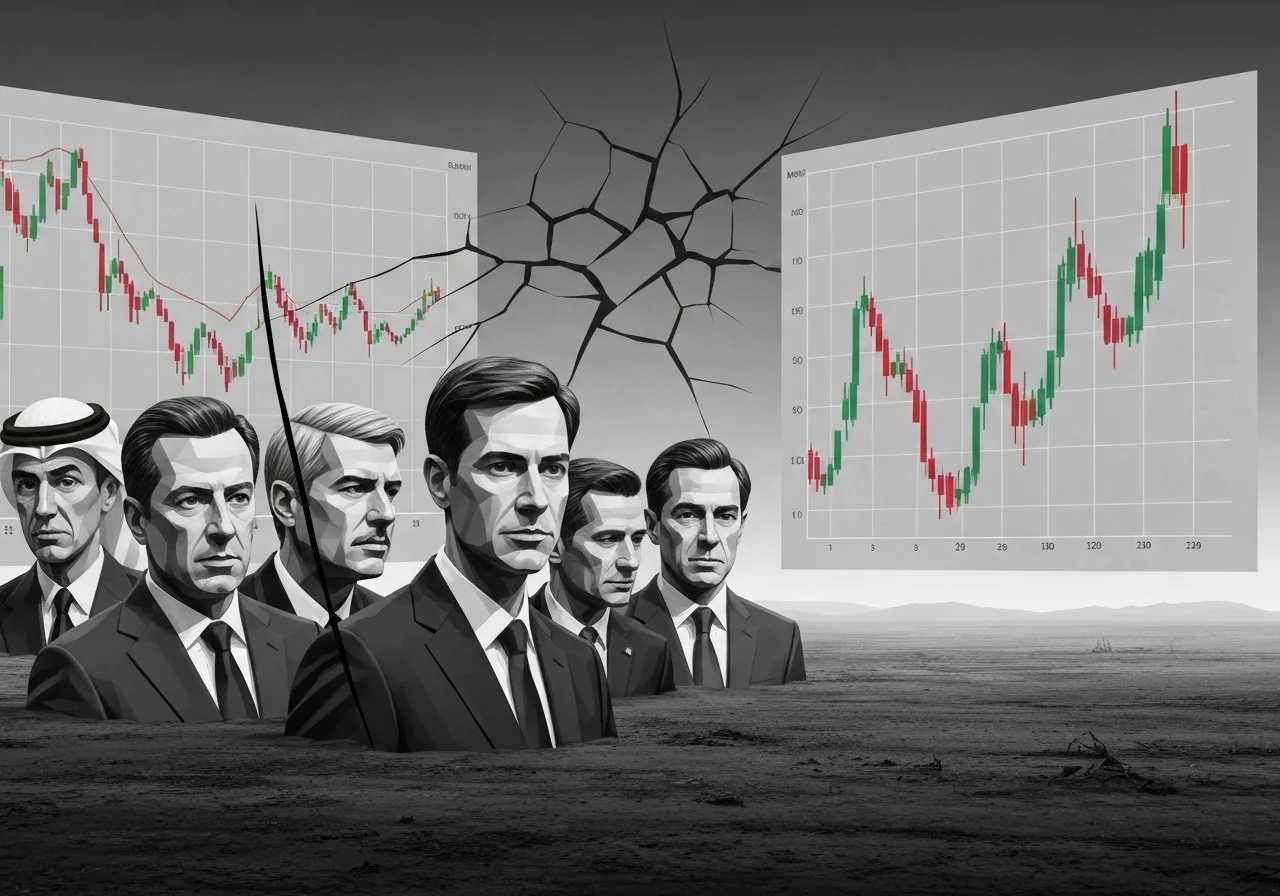
This isn’t mere trade wrangling—it’s the birth pangs of a multipolar energy order. As Washington tightens the screws, Delhi’s non-alignment doctrine faces its sternest stress test since the Cold War.
References


Get Daily Event Alerts for Companies You Follow
Free: Register to Track Industries and Investment Opportunities