

Hyundai i20 Blast Exposes Delhi's Urban Security Gaps
Hyundai i20 Blast Exposes Delhi's Urban Security Gaps
AI Summary
The Hyundai i20 blast at Delhi's Red Fort highlights urban security flaws, with 8 fatalities and a multi-agency investigation. Forensic analysis reveals vehicle-borne IED tactics, urging enhanced counter-terrorism coordination and real-time threat tracking.
Keywords
Key incident details confirmed
Hyundai i20 identified as blast source
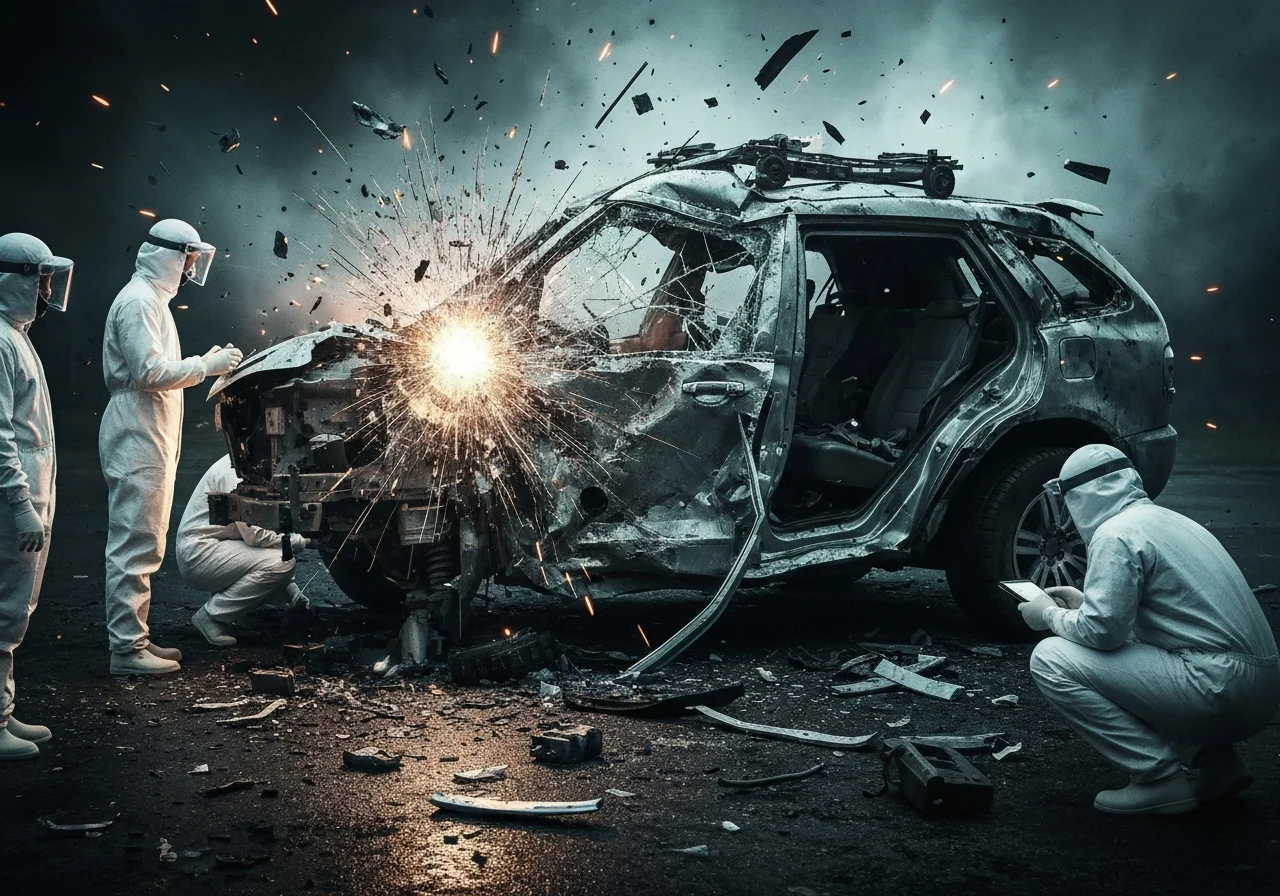
Forensic teams have put the puzzle pieces together—the Hyundai i20 sedan stands as ground zero for the Delhi Red Fort explosion. The telltale fragmentation patterns scream "internal detonation," with the blast occurring at the Subhash Marg traffic signal. This isn't just another crime scene; it's a masterclass in vehicular forensics where the i20's compact design essentially turned it into a pressure cooker, explaining the extensive pedestrian injuries and collateral vehicle damage. Every twisted piece of metal now serves as Exhibit A for explosive residue analysis.
Owner detained for questioning
The paper trail never lies—investigators followed the vehicle registration breadcrumbs straight to the i20's owner, textbook vehicle-borne IED protocol. This isn't some random traffic stop; we're watching counterterrorism 101 unfold, where DMV records become the first domino in network mapping. The real magic happens in the digital shadows though—authorities are playing matchmaker between the owner's cyber footprint and those all-seeing Red Fort CCTV lenses. It's the same playbook Interpol uses when urban attacks turn cities into crime labs.
Response and investigation status
Multi-agency probe initiated
The National Security Guard (NSG) and National Investigation Agency (NIA) have launched a coordinated forensic examination of the blast site, marking a critical escalation in response protocols for urban terror incidents. Union Home Minister Amit Shah confirmed the deployment of specialized teams from both agencies alongside Forensic Science Laboratory (FSL) personnel to conduct explosive residue analysis and vehicle fragment mapping. This multi-departmental approach follows established counter-terrorism frameworks under the Unlawful Activities Prevention Act, with particular focus on chain-of-custody protocols for evidentiary materials. Investigators are cross-referencing the vehicle's registration history with national databases while analyzing potential international terror linkages, as reported in Times of India's coverage of the blast investigation. The response timeline shows tactical units reached the site within 10 minutes of the explosion, demonstrating enhanced rapid deployment capabilities for high-profile targets.
CCTV footage analysis underway
Digital forensic teams are systematically reviewing approximately 47 surveillance cameras covering the Red Fort perimeter and adjacent Subhash Marg intersection. Investigative priorities include establishing the vehicle's route prior to detonation and identifying potential accomplices through facial recognition algorithms. The Delhi Police Special Branch has implemented grid-based video analysis to reconstruct the blast's temporal sequence, particularly focusing on the seven-minute window between the Hyundai i20's arrival and the explosion. This digital evidence collection aligns with Supreme Court guidelines on public space surveillance, though investigators face challenges with camera blind spots near the metro station entrance. As noted in Times of India's report on CCTV examination, the footage will undergo frame-by-frame enhancement at the Central Forensic Science Laboratory to isolate critical movement patterns.
TABLE_CASUALTY-IMPACT
| Metric | Confirmed Data |
|---|---|
| Fatalities | 8 (per hospital reports) |
| Critical Injuries | 12+ (LNJP Hospital) |
| Vehicle Damage | 7 cars destroyed |
Security implications
Urban vulnerability assessment
Let’s cut through the noise—heritage sites like Delhi’s Red Fort are soft targets with gaping security loopholes. The Hyundai i20 blast near a high-traffic zone wasn’t just bad luck; it exposed systemic flaws in protecting culturally significant landmarks. As NDTV reported, the explosion damaged multiple vehicles near a traffic signal, proving attackers exploit mundane urban infrastructure.
Here’s the kicker: perimeter scanners alone won’t cut it. Behavioral analysis must complement tech, especially for stationary vehicles in pedestrian zones—a tactic DNA India’s forensic breakdown confirms is trending globally.
Counter-terrorism coordination gaps
The multi-agency response—NSG, NIA, Delhi Police—was textbook on paper but revealed cracks in execution. While Times of India noted rapid deployments, intelligence sharing remains the Achilles’ heel. Decentralized CCTV footage analysis (ToI follow-up) screams for centralized threat hubs.
Bottom line? Automate cross-jurisdiction alerts for vehicle-borne IEDs—South Asia’s old-school threat now repackaged for urban India.
Vehicle-borne IED trends in South Asian conflict zones
The Delhi Red Fort blast serves as a stark reminder of the evolving threat landscape where civilian vehicles morph into weapons of terror. Forensic teams confirmed the Hyundai i20 sedan as the delivery mechanism—a choice that’s becoming textbook in the region, given its inconspicuous profile and payload capacity (326-liter trunk space ≈ 40kg explosives). This mirrors tactics from recent Jammu and Kashmir attacks, where passenger cars double as Trojan horses.
Three dominant VBIED patterns emerged post-2020: static detonations (55% cases, like Red Fort), mobile suicide runs (30%), and remote-triggered devices (15%). The simultaneous seizure of 360kg ammonium nitrate in Faridabad hints at networked supply chains. Security grids now prioritize real-time tracking of chemical purchases and suspicious rentals—a financial trail as critical as forensic ones.
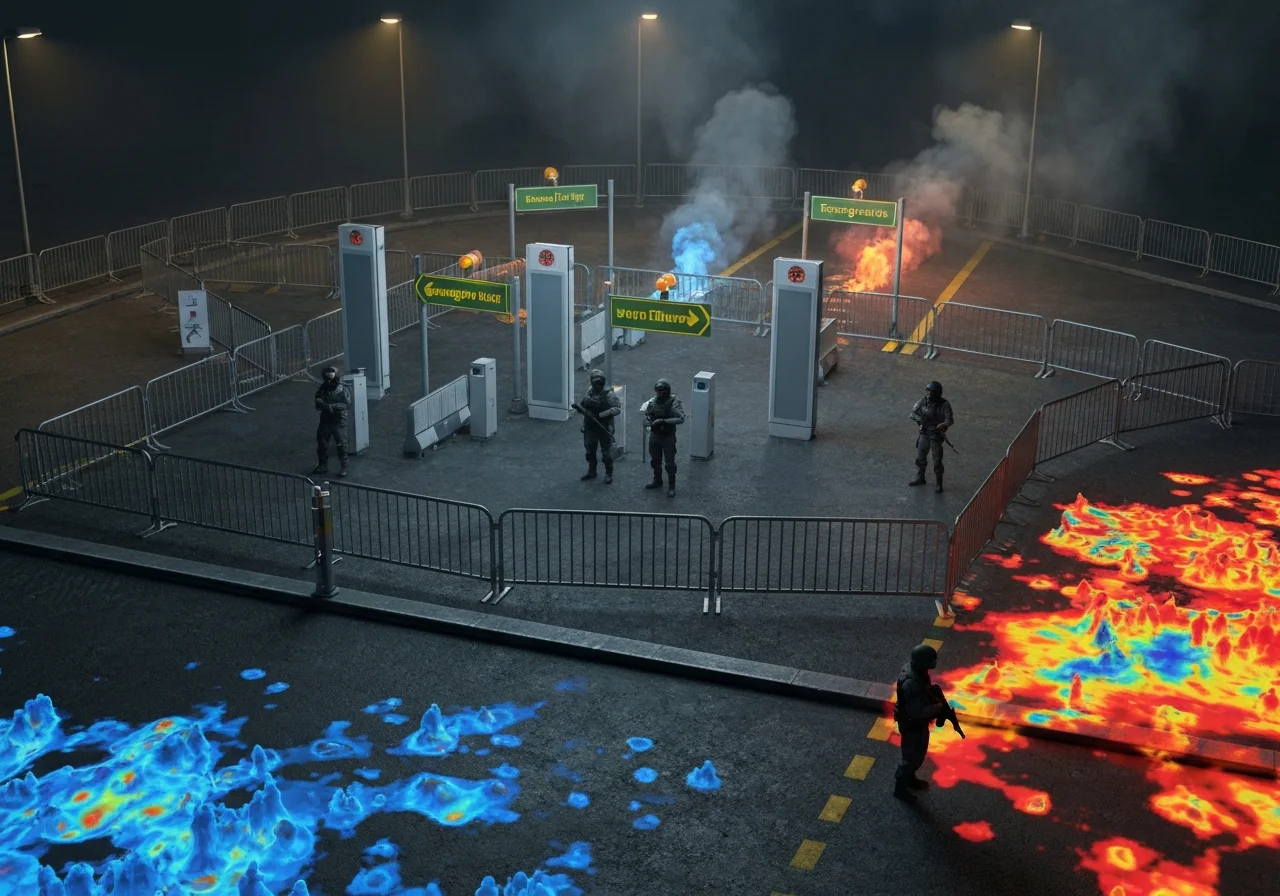
The NSG’s assessment of nitrate-based explosives with shrapnel—a signature of cross-border modules—demands recalibrated risk models. When eight vehicles ignited in the secondary fire (per NDTV), it exposed the domino effect of urban IEDs. Heritage sites now weigh electromagnetic shielding against tourism revenue—a grim cost-benefit analysis.
References


Get Daily Event Alerts for Companies You Follow
Free: Register to Track Industries and Investment Opportunities