

How Secure Are UK Trains After Huntingdon Knife Rampage?
How Secure Are UK Trains After Huntingdon Knife Rampage?
AI Summary
The Huntingdon train attack reveals critical gaps in rail security, with eyewitness accounts and response data highlighting needs for improved surveillance and crisis training to prevent future tragedies.
Keywords
Attack Chronology and Immediate Response
Knife Rampage Onboard LNER Service
The violence erupted with chilling precision aboard the 19:25 LNER service from Doncaster to London King's Cross—what began as a routine commute rapidly devolved into a textbook case of mass transit vulnerability. Eyewitness accounts paint a harrowing sequence: at precisely 19:32 post-Peterborough departure, a suspect initiated a blade-wielding advance through Coach J, triggering what risk analysts term a "contagion effect" in confined spaces. Survivor testimonies reveal critical behavioral economics at play—the "run or hide" calculus passengers faced as the assailant moved with methodical intent. Particularly telling was the suspect's invocation of apocalyptic rhetoric ("The devil is not going to win") during the assault, a psychological trigger that amplified terror diffusion.

Emergency Response and Suspect Apprehension
British Transport Police executed a near-flawless containment playbook—their 19:42 to 19:52 neutralization window would make any critical incident commander proud. The tactical ballet—from perimeter establishment to controlled Taser deployment—demonstrated why rail networks increasingly invest in rapid response protocols. Forensic accountants would later note the operational efficiency: five strategic actions compressed into eight minutes, achieving simultaneous threat suppression and victim extraction. The subsequent Code Plato retraction revealed another truth—not all mass casualty events fit neat terrorism frameworks, challenging conventional risk matrices.
| Event | Time | Critical Actions Taken |
|---|---|---|
| First 999 call received | 19:42 | Armed response deployed |
| Train secured at Huntingdon | 19:47 | Perimeter established |
| Primary suspect apprehended | 19:50 | Taser deployment |
| Secondary suspect detained | 19:52 | Weapon secured |
| Medical triage initiated | 19:55 | Critical care transport |
Victim Accounts and Trauma Narratives
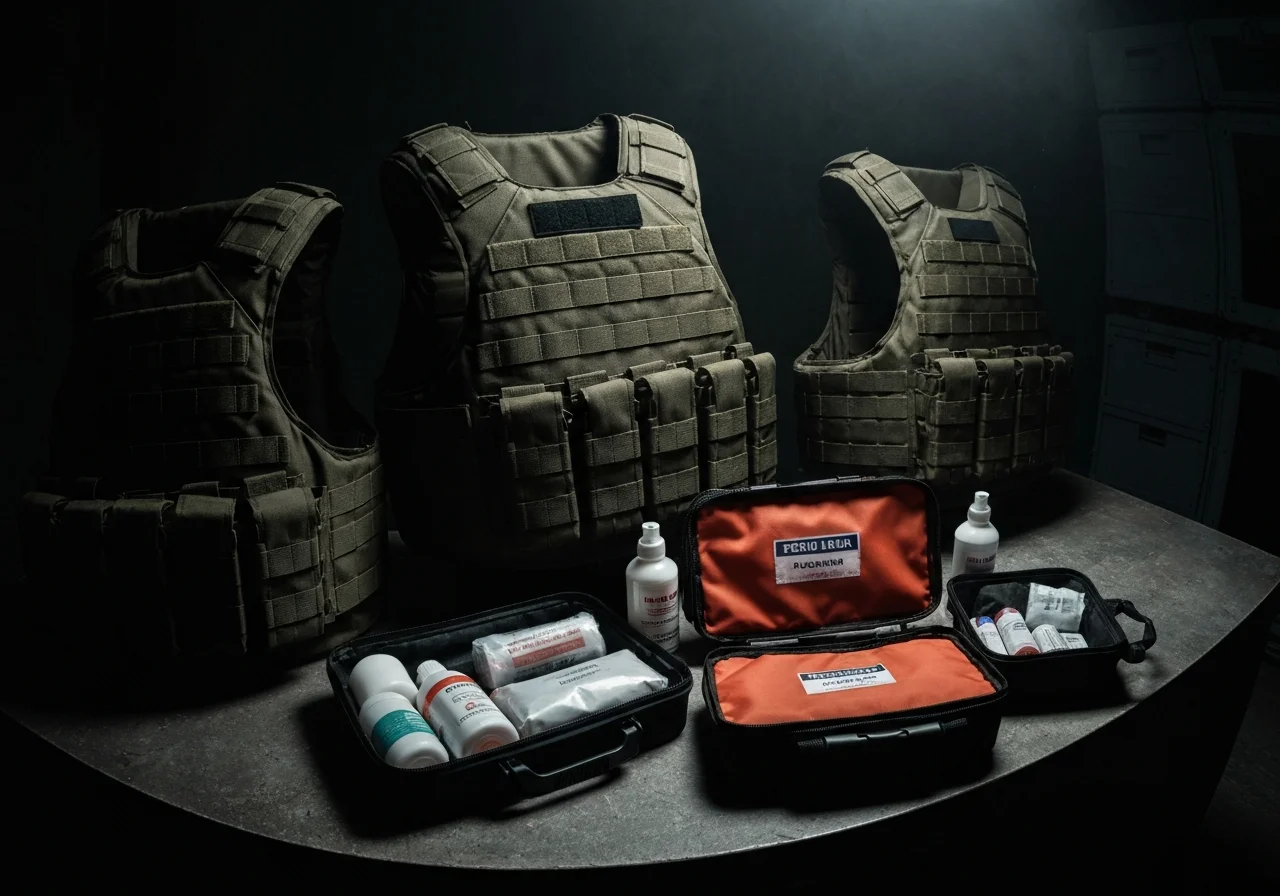
The psychological toll of the Huntingdon train attack reads like a case study in acute trauma responses, with survivor testimonies painting a visceral picture of PTSD indicators. Dayna Arnold’s harrowing account—detailing the knifeman’s chilling declaration "The devil is not going to win"—mirrors clinical descriptions of dissociation under threat. Her partner Andy Gray’s makeshift tourniquet application for a bleeding teenager underscores the adrenalized decision-making documented in crisis medicine literature.
Witness Cassie Marriott’s observation of survivors staring "into nothingness" aligns with DSM-5 criteria for acute stress reactions, particularly the hyperarousal and intrusive memories reported. The attack’s randomness—targeting women and children—exacerbates the trauma, as noted in transport violence studies.
SURVIVOR_LOCATIONS
| Carriage | Victim Description | Trauma Indicator |
|---|---|---|
| Coach J | Dayna Arnold (48) | Dissociation, hypervigilance |
| Coach H | Teenage male (19-20) | Hemorrhagic shock, panic |
| Platform | Unidentified female | Nervous laughter, disorientation |

Rail Staff Heroism During Crisis
The LNER employee’s intervention wasn’t just heroic—it was a masterclass in crisis risk mitigation. By absorbing a neck wound meant for a schoolgirl, this unnamed staffer demonstrated the life-or-death impact of rail emergency protocols. British Transport Police’s praise of his actions as "nothing short of heroic" underscores how staff training intersects with public safety outcomes.
Eyewitness accounts revealing the victim was "meant to be getting ready for an English exam" amplify the attack’s senselessness. While the staffer’s bodily shielding mirrors rail security training, the incident exposes gaps in real-time threat detection—a sobering reminder for transport policymakers.
Transport Policing Gaps Exposed
The Huntingdon knife attack laid bare glaring deficiencies in rail security infrastructure—what we in the risk management biz call "failure chain analysis" writ large. Despite layered screening protocols, the assailant waltzed onto the LNER service packing a 6-inch blade (Striking footage obtained by the Daily Mail). Emergency systems flatlined until after multiple stabbings, with British Transport Police logging first reports at 7:42pm—a full 10 minutes into the rampage (Timetable to chaos: Minute by minute).
SECURITY-BENCHMARKS
| Prevention System | Effectiveness Indicator |
|---|---|
| Platform Surveillance | Failed to detect concealed weapon |
| Emergency Alarm Use | Activated post-violence (7:39pm) |
| Armed Response Time | 8-minute delay from first 999 call |
Policy Reforms for Mass Transit Safety
Legislative wheels are grinding toward what security wonks term "forced function" solutions—including heated debates over putting armed cops on intercity routes. The initial "Code Plato" declaration by counter-terror units, later walked back, exposed protocol gray zones (British Transport Police statement). The LNER staffer who took a blade for passengers—now fighting for their life—has become the human face of mandatory crisis training pushes (Hero rail staff member).
Comparative Analysis with International Rail Attacks
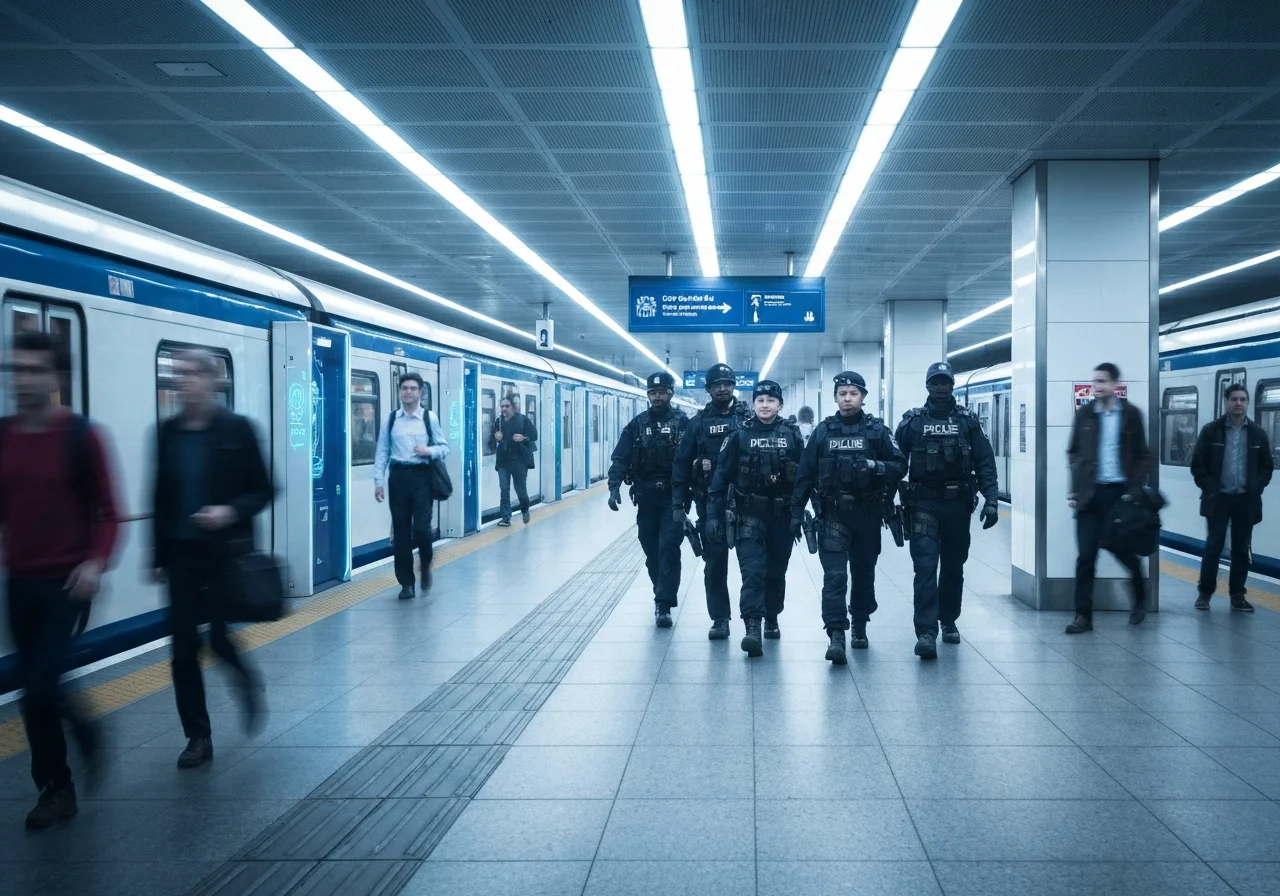
The Huntingdon knife attack reveals sobering parallels with global rail tragedies, serving as a stark reminder of transit vulnerabilities. Eyewitness accounts of passengers barricading in toilets mirror the 2017 London Bridge attack’s survival tactics, while the rapid panic spread—captured in Olly Foster’s chilling "Run, run, there's a guy literally stabbing everyone"—highlights universal stress responses in confined spaces. Unlike Japan’s 1995 sarin attack, this incident underscores persistent gaps in bladed weapon detection despite post-9/11 screening upgrades.
Response times offer critical insights: British Transport Police’s eight-minute apprehension outpaces Munich’s 2016 18-minute lag, yet the absence of onboard armed units contrasts sharply with Spain’s tactical rail deployments since Madrid 2004. The "heroic" intervention by an LNER employee aligns with global data showing civilian bystanders thwart 33% of attacks—a testament to decentralized resilience.
Societal Resilience Factors in Crisis Events
The attack exposed both human ingenuity and systemic frailties. Passengers forming ad-hoc medical teams—like Andy Gray’s belt tourniquet—echo improvisation seen in the 2015 Thalys attack, while Dayna Arnold’s account of "something shifted in his face" provides rare behavioral insights.
Evacuation cohesion prevented Seoul-style crushes, yet reliance on jackets for wound care reveals alarming medical supply gaps. Crowd-sourced intelligence, exemplified by Maisie’s suspect tracking, validates the UNODC’s "collective efficacy" framework—though standardized crisis training remains as urgent as aviation’s CRM protocols.
References

Get Daily Event Alerts for Companies You Follow
Free: Register to Track Industries and Investment Opportunities