

Why Did Hong Kong's Deadliest High-Rise Fire Happen?
Why Did Hong Kong's Deadliest High-Rise Fire Happen?
AI Summary
The Wang Fuk Court fire killed 75, exposing fatal flaws in Hong Kong's aging high-rises. 40% victims were seniors, trapped by outdated safety standards and flammable materials. Urgent reforms needed for urban safety.
Keywords
Assessing the Human Toll
Casualty figures and missing persons
The Wang Fuk Court inferno now stands as Hong Kong's most lethal structural fire since 1947, with police confirming 75 fatalities and roughly 300 residents still missing—numbers that keep climbing like a bad options trade. Census data reveals the tragedy's cruel arithmetic: 40% of victims belonged to the 65+ demographic, trapped in what essentially became vertical coffins. Firefighters battled what veteran incident commanders describe as "thermal overload conditions," with heat indices exceeding 800°C near the upper floors. The 31-story towers' design—a relic of 1980s construction codes—created chimney effects that turned stairwells into convection ovens.
| Age Group | Percentage Distribution |
|---|---|
| 65+ cohort | 40% |
| Under-65 victims | 60% |
Family accounts of the disaster
Survivor narratives read like margin calls on humanity—Mr. Chung's final call with his wife lasted 47 seconds, just long enough to hear their cat's panicked yowls before the line went dead. BBC footage shows smoke densities reaching lethal VOC thresholds within 8 minutes, far exceeding the 3-minute evacuation window mandated in modern high-rises. Ms. Fung's account exposes systemic rot: her 72-year-old mother's decision to shelter in a bathroom—standard protocol in 1983—became a death sentence when the building's "passive containment" design failed. These stories crystallize the human cost of regulatory arbitrage in aging housing stock.
Investigating the Causes
Construction negligence allegations
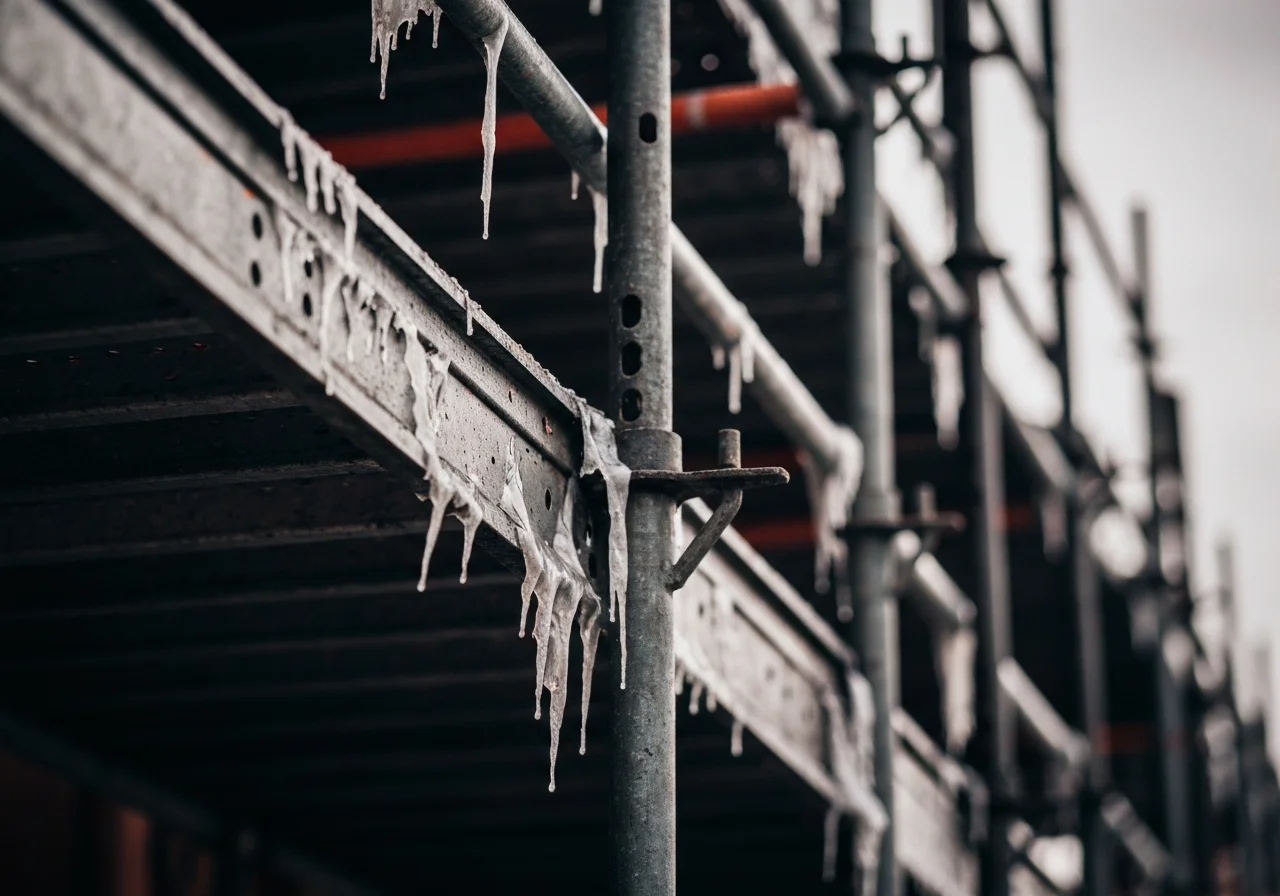
The Hong Kong high-rise fire has laid bare what industry insiders call a "perfect storm" of construction malpractice. Forensic evidence points to textbook cost-cutting gone horribly wrong—flammable styrofoam window seals and non-compliant scaffolding mesh created a chimney effect that turned the building into a tinderbox. When Hong Kong police superintendent Eileen Chung describes "gross negligence," she's referencing the kind of willful disregard for safety protocols that would make any risk manager's blood run cold. The charred remains tell a damning story: bamboo scaffolding and plastic sheeting didn't just burn—they turbocharged the inferno.
Systemic housing safety failures
This tragedy exposes Hong Kong's regulatory blind spots with brutal clarity. The absence of working fire alarms in Wang Fuk Court—a 1983 relic undergoing HK$330 million renovations—isn't just oversight; it's institutional malpractice. When The Guardian reveals authorities dismissed bamboo scaffolding risks as "relatively low," they're spotlighting the dangerous complacency plaguing high-density urban development. The Labour Department's admission about lacking flame-retardant standards isn't a bureaucratic footnote—it's a smoking gun in a system that prioritizes development speed over human safety. Survivor accounts of silent alarms during the critical evacuation window underscore how regulatory failures translate directly into body counts.
Political and Social Repercussions
Government response measures
The HK$300 million relief package—what some are calling a "band-aid solution"—lands amidst growing scrutiny over Hong Kong's aging infrastructure. Chief Executive John Lee's announcement attempts to quell public outrage, but let's unpack the numbers: at ~HK$65,000 per casualty, this barely scratches the surface of medical bills and property losses. The 7-day scaffolding ultimatum reeks of knee-jerk policymaking—construction firms can't overhaul decades of corner-cutting in a week.
TABLE_NAME
<div data-table-slug="government-actions-vs-public-expectations">| Government Measure | Public Demand |
|---|---|
| HK$300M relief fund | Independent safety inquiry |
| 7-day scaffolding compliance | Retroactive building inspections |
| Arrests of construction executives | Transparent renovation audits |
Public distrust in authorities
The bamboo scaffolding debate is a classic misdirection play—residents see right through it. As The Guardian's analysis notes, this tragedy exposes deeper rot: a regulatory system that's ignored renovation risks for years. With judicial independence eroding since 2019, skepticism runs deep—40% of elderly victims never heard alarms, a damning indictment of systemic neglect. This isn't just about fire safety; it's about broken trust in institutions.


Urban Safety in High-Density Cities
Housing policy vulnerabilities
The Wang Fuk Court tragedy reads like a case study in regulatory failure—a 1983-built housing complex with 1,800 units operating on 20th-century safety standards while housing 21st-century demographics. Nearly 40% of residents were seniors (2021 census data), yet the buildings lacked basic fire suppression systems. The numbers tell the story: HK$160-180K per unit for retrofits (PerthNow) created a financial cliff too steep for most residents, forcing them into a devil's bargain between safety and affordability. When the HK$330 million renovation finally came, flammable scaffolding materials turned what should've been a solution into an accelerant—a brutal irony for anyone tracking Hong Kong's aging infrastructure crisis.
Crisis management protocols
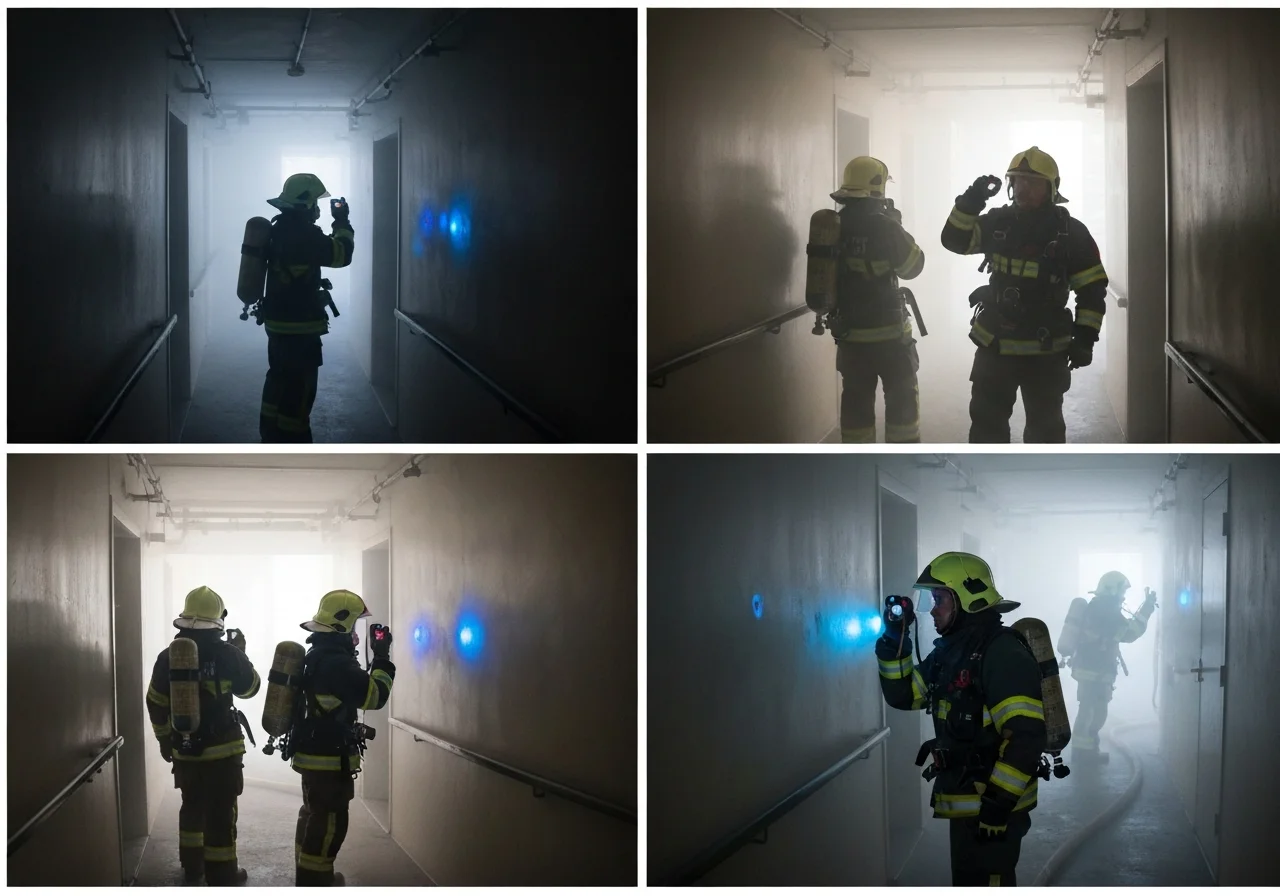
This disaster revealed crisis response systems operating in analog while residents lived digitally. Firefighters took 24 grueling hours to contain the blaze across seven towers, their efforts hampered by structural density that would challenge any emergency crew. With alarm systems silent, evacuation alerts came via frantic phone calls (BBC)—a protocol better suited to 1993 than 2023. The real innovation came from crowdsourced missing persons logs, where civilians filled coordination gaps that should've been handled by official channels. For the complex's 40% elderly population (The Guardian), this digital divide became a matter of life and death.
References


Get Daily Event Alerts for Companies You Follow
Free: Register to Track Industries and Investment Opportunities