

How Did G20 Outmaneuver Trump on Climate Deal?
How Did G20 Outmaneuver Trump on Climate Deal?
AI Summary
The Johannesburg Declaration marks a seismic shift in climate governance as 19 nations implement fossil fuel phase-out despite US boycott, signaling rising Global South influence in energy transition negotiations and fracturing traditional multilateral frameworks.
Keywords
Global Leaders Defy Trump on Climate Accord
Key Provisions of Johannesburg Declaration
The Johannesburg Declaration wasn't just another climate communiqué—it was a financial markets earthquake wrapped in diplomatic parchment. G20 heavyweights, including Australia's Anthony Albanese, doubled down on the Paris Agreement framework while quietly rewriting the rules of engagement for carbon-intensive industries. The real kicker? That voluntary fossil fuel phase-out roadmap, which sent shockwaves through energy trading desks from Sydney to São Paulo.
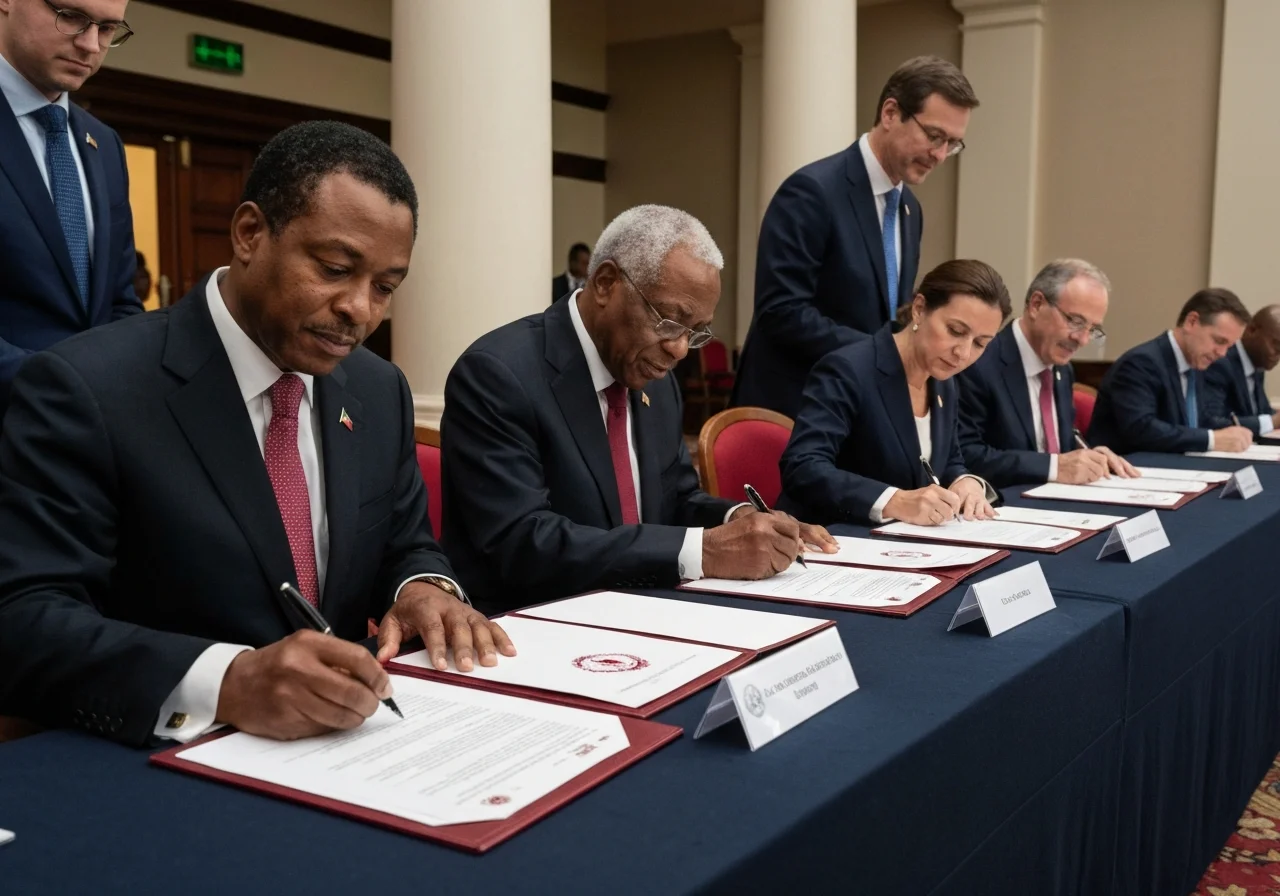
Diplomatic Tensions Over Consensus Model
When South Africa's Cyril Ramaphosa kept fossil fuel language in the final text, it wasn't just a climate win—it was a masterclass in geopolitical jujitsu. The Trump administration's boycott, ostensibly over Afrikaner policies, smelled suspiciously like sour grapes from an administration watching its energy dominance narrative unravel. As the Japan Times reported, this was the moment the G20's consensus model got a voluntary emissions reduction target of its own.
| Milestone | Date/Phase | Significance |
|---|---|---|
| Draft text circulation | Pre-summit week | Excluded US input per South Africa |
| Early adoption vote | Summit Day 1 | Break from traditional closing procedure |
| Fossil fuel clause added | Final negotiations | Voluntary commitment mechanism created |
| US diplomatic protest | Post-adoption | White House condemns consensus breach |
Strategic Implications of US Absence
Energy Transition Leadership Shifts
The geopolitical chessboard just got reshuffled—Australia’s Energy Minister Chris Bowen stepping up as head negotiator for global climate talks isn’t just a personnel change, it’s a tectonic power shift. Bowen’s appointment, detailed in the Brisbane Times, coincides with developing nations aggressively pushing for climate financing mechanisms. With the US sitting this round out, emerging economies are seizing the moment to embed critical mineral supply chains and green energy partnerships into the Johannesburg Declaration.
Digging into the G20 summit proceedings, it’s clear developing countries outmaneuvered historical roadblocks—securing adaptation financing frameworks that the Trump administration typically vetoed. The unanimous net-zero language adoption sans US participation? That’s the sound of Western leverage crumbling in real-time.
Geopolitical Realignment Risks
South Africa’s refusal to water down declaration text despite US pressure, as reported by Japan Today, isn’t just diplomatic posturing—it’s a potential death knell for consensus-based G20 governance. The summit’s controversial early adoption of the declaration sets a dangerous precedent: majority rule that could sideline dissenters permanently.
The fallout extends beyond policy—Pretoria’s snub of a US embassy-level handover of the G20 presidency, paired with Macron’s plea for multilateral continuity cited here, signals fractures in the Bretton Woods order. When the world’s economic heavyweights start building parallel climate financing platforms, you know the old playbook’s being torched.
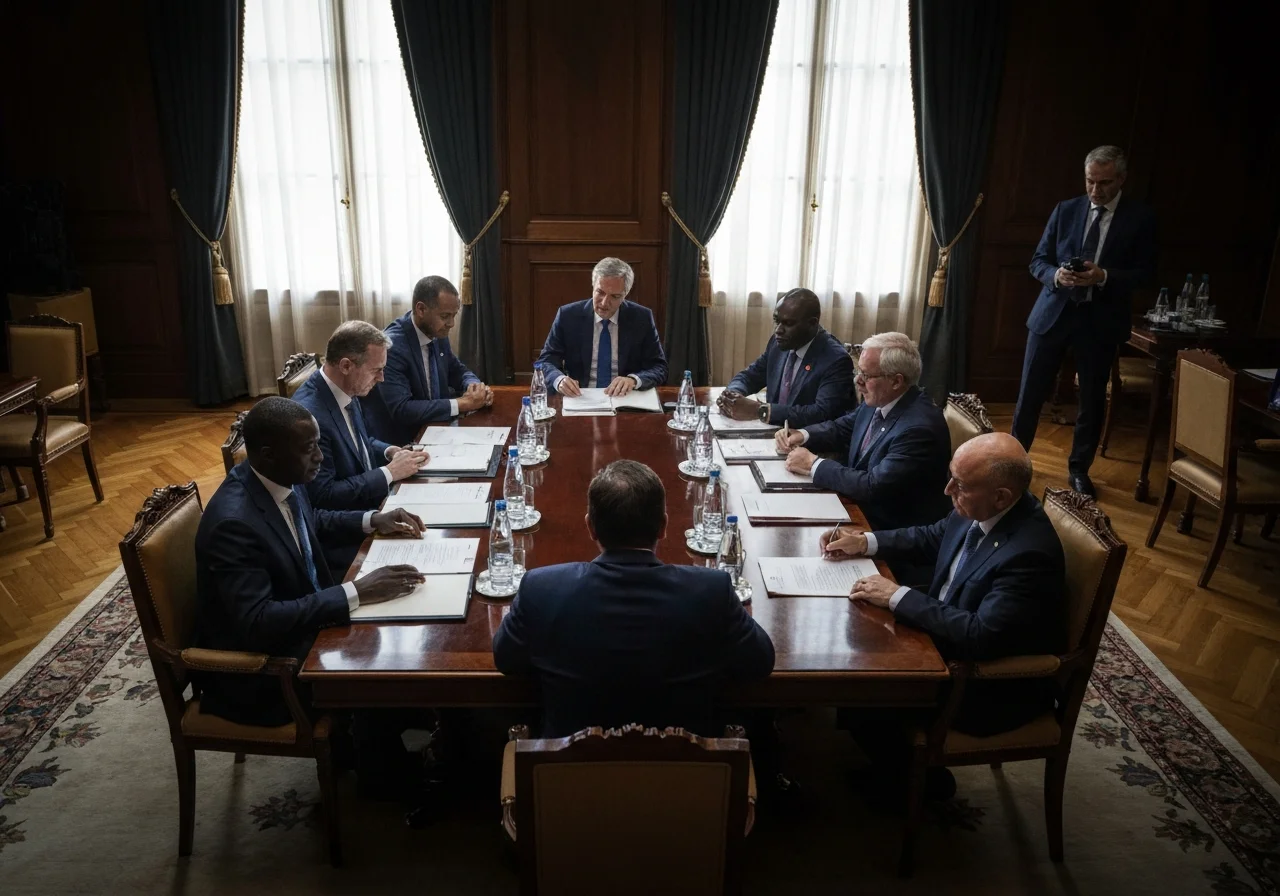
Africa's Rising Climate Governance Role
Johannesburg Summit as Turning Point
The tectonic plates of global climate diplomacy shifted when South Africa hosted the first African G20 summit with climate change as its centerpiece. Behind the scenes, negotiators worked overtime to transform the continent's $1.2 trillion critical mineral reserves into bargaining chips for renewable energy supply chains. The summit's crowning achievement—a surprise inclusion of voluntary fossil fuel phase-out language—demonstrated Africa's newfound leverage in energy transition geopolitics. Energy Minister Chris Bowen's ascension to climate negotiation leadership signaled that the Global South now holds real influence over decarbonization frameworks.
Consensus-Building Without US Participation
The summit's 19-nation consensus became a masterclass in climate diplomacy despite the Trump administration's conspicuous absence. French President Emmanuel Macron's multilateralism rallying cry exposed the growing fracture in Western climate alignment. South Africa's refusal to soften declaration language or conduct traditional protocol handovers with U.S. officials marked a watershed moment—developing nations are no longer content to be rule-takers in climate governance. The early adoption of the summit declaration, typically a closing ceremony formality, sent an unmistakable signal about determination to advance climate action without American participation.
<div data-table-slug="member-positions">| G20 Member | Climate Policy Stance (2025) | Net-Zero Commitment |
|---|---|---|
| South Africa | Just transition with fossil fuel phase-out | 2050 (conditional) |
| Brazil | Amazon protection focus | 2050 |
| France | Carbon border adjustment advocate | 2050 |
| United States | Energy dominance strategy | N/A (boycotted) |
Multilateralism Tested by Climate Urgency
Global Leaders Defy Trump on Climate Accord
The Johannesburg G20 summit became a high-stakes poker game where 19 economies called the Trump administration's bluff on climate obstruction. Prime Minister Anthony Albanese and counterparts doubled down on the Paris Agreement, folding in a bold net-zero emissions pledge by 2050—a move that caught even seasoned climate hawks off guard with its voluntary fossil fuel phase-out roadmap. The real kicker? This happened while the U.S. delegation was busy boycotting over South African policy spats, leaving 19 of 21 G20 members to reshuffle the geopolitical deck.
Diplomatic Tensions Over Consensus Model
South Africa's Cyril Ramaphosa played the ultimate wildcard, refusing to let consensus norms become a straitjacket for climate action. When U.S. diplomats pushed for a watered-down host statement, Ramaphosa's "we will not be bullied" retort exposed the raw nerve of multilateralism—proving 85% of global GDP can move the needle without Washington's buy-in. The White House's decision to downgrade its presence to embassy-level reps wasn't just a snub; it was a strategic miscalculation that handed the climate vanguard a PR win.
Strategic Implications of US Absence
With Australia's Chris Bowen now holding the climate negotiation chips, the game board favors developing nations hungry for energy transition financing. Johannesburg's focus on critical minerals wasn't accidental—it's Africa's ace in the hole as supply chain reshuffling goes parabolic. The real test comes when the U.S. takes the G20 presidency: will they fold their obstructionist hand, or double down and risk becoming the table's lone outlier?
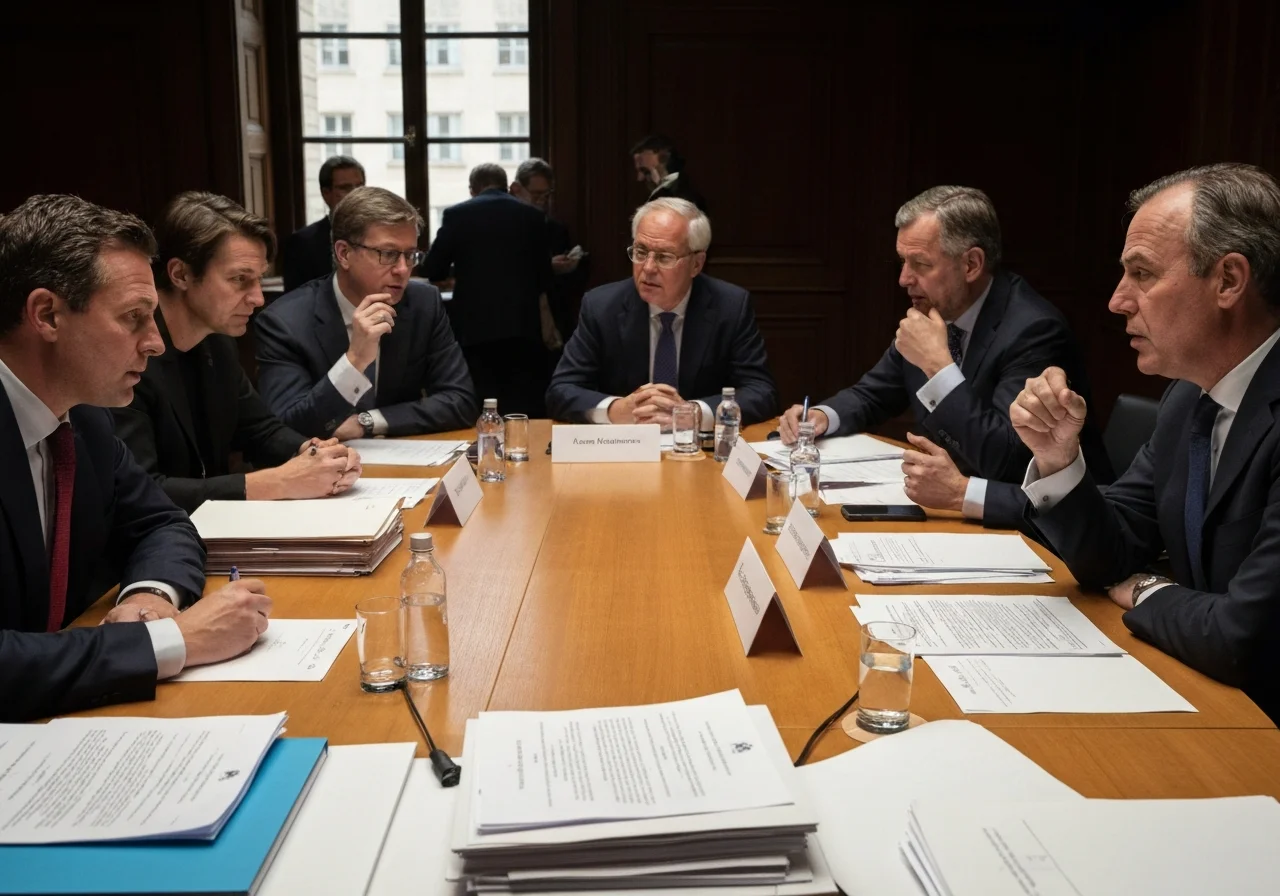
Energy Transition Leadership Shifts
Bowen's ascension as climate negotiation chair signals a tectonic power shift—the Global South now holds more chips at the green energy poker table. The Johannesburg text didn't just talk the talk on critical minerals; it put African lithium and cobalt reserves squarely in the decarbonization spotlight.
Geopolitical Realignment Risks
Ramaphosa's refusal to dilute declaration language wasn't mere posturing—it was a calculated bet that climate-vulnerable nations can rewrite multilateral rules mid-game. When Macron framed Trump's absence as no excuse for inaction, he wasn't just virtue-signaling; he was acknowledging the new calculus where 19 economies outweigh one obstructionist superpower.
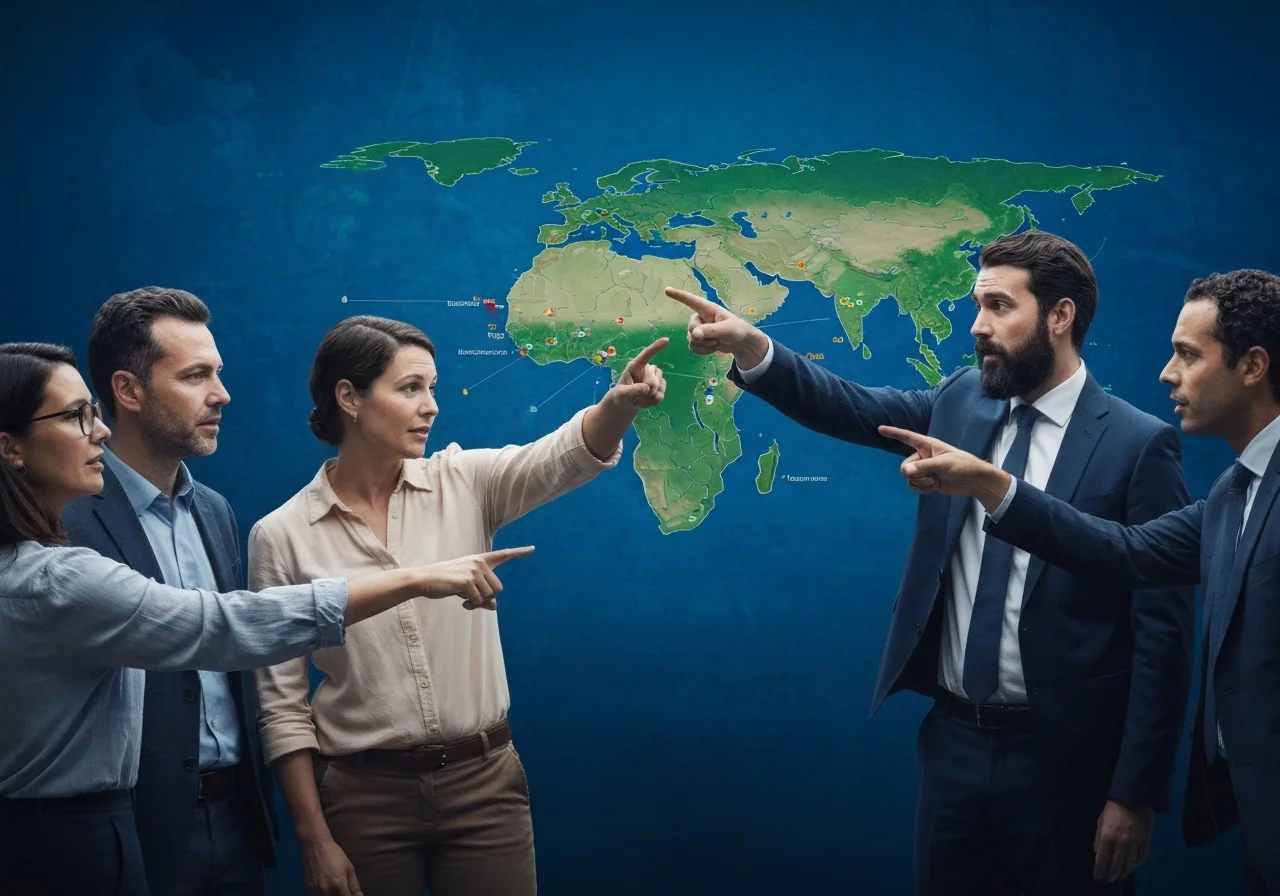
Consensus-Building Without US Participation
The 85% GDP bloc that backed Johannesburg's declaration just proved multilateralism isn't on life support—it's evolving beyond veto-player paralysis. Macron's call for sustained engagement wasn't empty rhetoric; it's the new playbook for circumventing climate obstructionism through critical mass momentum.
References


Get Daily Event Alerts for Companies You Follow
Free: Register to Track Industries and Investment Opportunities