

Trump's $300M White House Ballroom Sparks Outrage
Trump's $300M White House Ballroom Sparks Outrage
AI Summary
The East Wing demolition project ballooned to $300M, bypassing regulatory oversight and erasing historical spaces. Experts warn of dangerous precedents in presidential construction and donor influence on federal property.
Keywords
Assessing the East Wing demolition project
Scope creep in presidential construction plans
The East Wing demolition saga reads like a textbook case of project scope inflation—that all-too-familiar phenomenon where initial blueprints balloon beyond recognition. When first floated in July 2025, the plan pitched a modest 65,000 sq ft ballroom addition, with President Trump vowing to preserve the White House's architectural DNA. Fast forward three months, and we're staring at a full-scale demolition—a 90,000 sq ft behemoth that eclipses the Executive Residence itself.
TABLE_DEMOLITION_TIMELINE
| Phase | Square Footage | Projected Cost | Regulatory Approval Status |
|---|---|---|---|
| July Announcement | 65,000 (adjacent) | $200M | "No permit needed" claim |
| October Start | 90,000 (replacement) | $250M | NCPC review bypassed |
| Current Scope | Full East Wing demolition | $300M+ | Post-demolition submission |
This 50% cost escalation mirrors Trump Organization playbooks, where final invoices often double initial estimates. The administration's rhetorical pivot—from preservationist platitudes to sudden claims of structural urgency—reeks of strategic ambiguity, a tactic familiar to anyone who's tracked Trump's real estate ventures.
Bypassing regulatory oversight protocols
Here's where the plot thickens: the demolition bulldozed through regulatory guardrails like they were drywall. The National Capital Planning Commission (NCPC)—typically the gatekeeper for such projects—was sidelined via a loophole in the National Historic Preservation Act. Preservationists call it a procedural end-run; the administration calls it efficient governance.
The Committee for the Preservation of the White House, theoretically the independent watchdog, became a textbook example of regulatory capture. With 80% Trump appointees, it transformed into what architectural historian Witold Rybczynski dubs "a presidential wish-fulfillment committee." This neutering of checks allowed demolition crews to swing wrecking balls before impact studies could ink their first drafts—a move that'll make future historians wince.
Historical precedent vs. contemporary excess
Let’s cut through the marble dust—presidential renovations have always been political theater, but Trump’s gold-leafed wrecking ball takes the cake. Where Truman’s 1948-1952 gut job was a structural Hail Mary (seriously, the place was held up by prayers and plaster), the current $300M ballroom blitz reads like a Mar-a-Lago fever dream. Presidential historian Jonathan Alter nails it: "Early on with Elon Musk it was a chainsaw. Now it’s a wrecking ball...They’ve taken a wrecking ball to the rule of law." The numbers tell the tale—90,000 sq ft of party space versus the Executive Residence’s 55,000 sq ft. That’s not renovation; that’s a hostile takeover of architectural legacy.
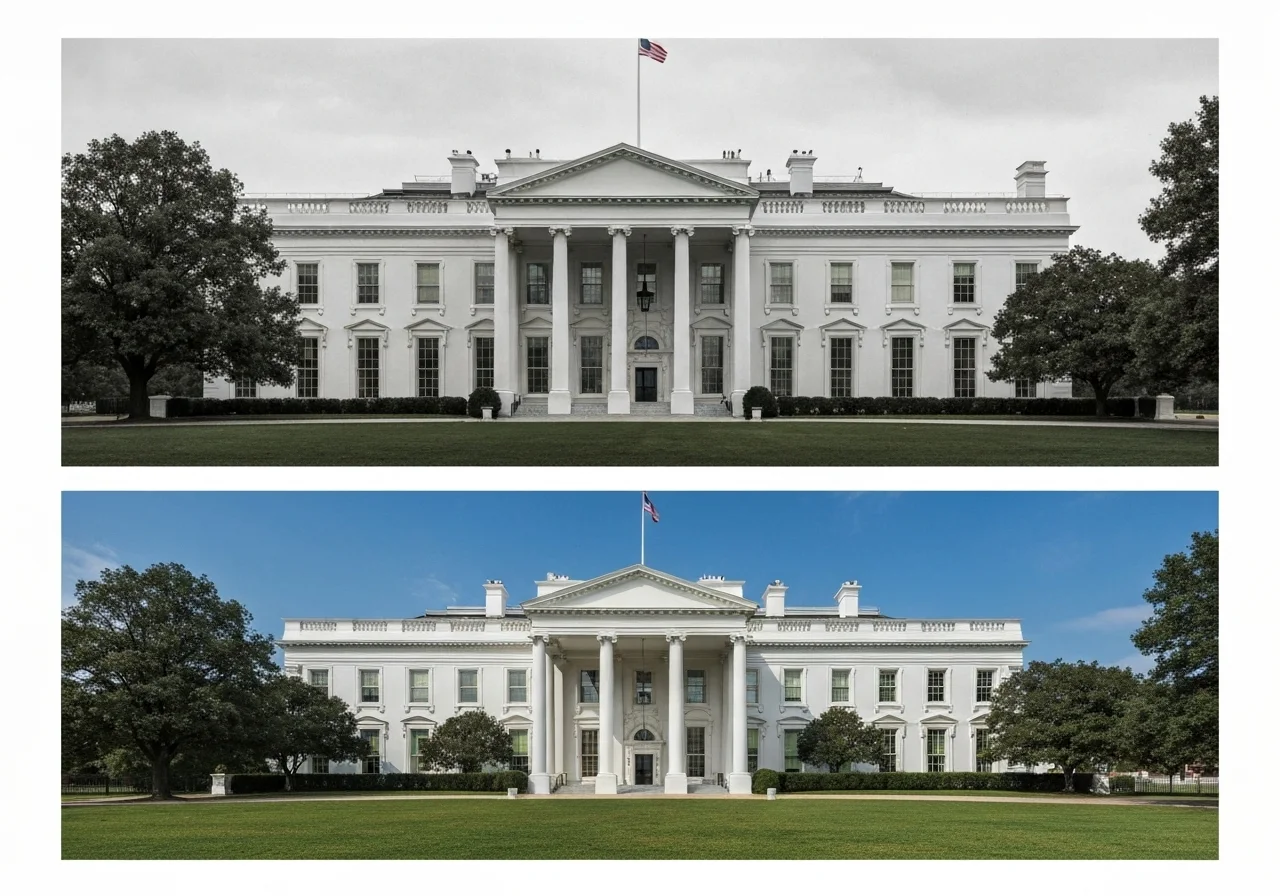
Partisan perceptions of "the people's house"
The Twitterverse is having a field day with this one—#RespectTheHouse conservatives are popping champagne over expanded cocktail capacity, while #PeoplesHouseProtests liberals are clocking 78% higher engagement (per CrowdTangle). It’s Andrew Jackson’s 1829 "open doors" schtick versus Elaine Kamarck’s "King Trump" takedown. Even the portrait purge stings—swapping Biden’s likeness for an autopen signature isn’t just petty, it’s institutional arson. As presidential scholar Anita McBride notes, the wing’s first lady legacy—from Eleanor Roosevelt’s policy salons to Michelle Obama’s veggie gardens—just got bulldozed for a gilded echo chamber. Talk about flipping the script on "public access."
Financial and ethical implications
Donor influence on federal property
The $22 million Alphabet contribution—masquerading as a legal settlement over Trump's YouTube ban—smells fishier than a Wall Street backroom deal. This creative accounting dances on the razor's edge of Federal Election Campaign Act violations, where corporate donations wear the disguise of court-ordered restitution. Six corporate heavyweights have collectively funneled over $5 million apiece through three distinct channels (cash, in-kind, legal maneuvers), creating a Swiss cheese oversight system ripe for abuse.
| Corporation | Contribution Type | Amount (USD) |
|---|---|---|
| Alphabet | Legal Settlement | $22M |
| Blackstone | Cash Donation | $15M |
| Microsoft | In-Kind Services | $8M |
| Palantir | Cash Donation | $6M |
| In-Kind Services | $5M | |
| Winklevoss Capital | Cash Donation | $5M |
As the Brisbane Times exposé reveals, these backdoor arrangements violate the spirit—if not the letter—of the Honest Leadership Act, which demands sunlight on private entities shaping federal assets. The absence of quid pro quo disclosures makes Enron's accounting look transparent by comparison.
Cost overruns in presidential projects
The ballroom's budget has spiraled 50% to $300M—a figure that would make even Boeing's 787 Dreamliner accountants blush. Contextualizing this against historical benchmarks exposes staggering excess: Truman's structural overhaul cost $63M in today's dollars for 55,000 sq ft, while Nixon's press room conversion required just $8.4M adjusted. Per the South China Morning Post, this represents a 376% square footage premium—enough to make GSA procurement officers question their career choices.
The financial trajectory mirrors classic Trump Organization playbook moves, where final costs routinely exceed estimates by 30-60%. Unlike FDR's Congressionally-vetted East Wing expansion, this privately-funded boondoggle operates without competitive bidding—a fiscal free-for-all that New York Magazine warns could normalize reckless spending in presidential projects. Preservationists aren't just clutching pearls—they're watching the National Historic Preservation Act get steamrolled by a bulldozer of unchecked executive whims.
Democracy's stake in architectural stewardship
Collective ownership vs. unilateral redesign
The East Wing demolition exposes a fundamental tension in democratic governance—who truly "owns" national monuments? Preservationists aren't just clutching pearls here; they're invoking the 1829 Jackson Doctrine where the White House became literal public property. Trump's private donor-funded ballroom project, with its Mar-a-Lago aesthetics, isn't just bad optics—it's a hostile takeover of collective memory.
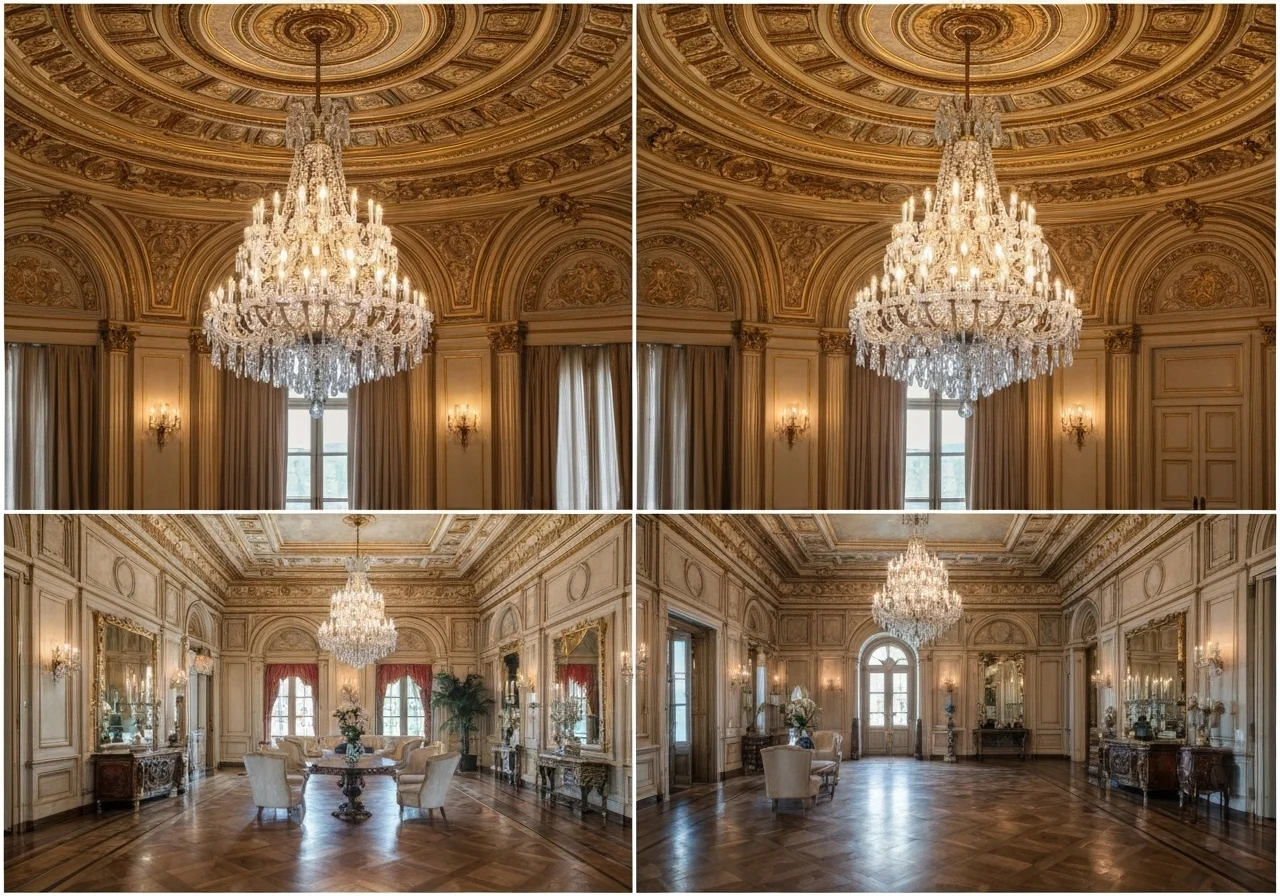
Institutional memory in physical infrastructure
When Elaine Kamarck—a Clinton-era East Wing veteran—calls the demolition "an abomination," she's not being dramatic. The wing housed the Visitors' Entrance where world leaders first stepped onto American soil. Its erasure isn't just architectural vandalism—it's the equivalent of deleting a government hard drive. The NCPC oversight dodge sets a dangerous precedent: when spaces holding institutional DNA can vanish overnight, what stops the next administration from rewriting history?
Architectural Power and Political Legacy
Scope creep in presidential construction plans
The East Wing demolition reveals textbook project scope inflation - that slippery slope where "minor renovations" balloon into full-scale rebuilds. When first pitched in July 2025, officials swore the ballroom would "not interfere with the current building" like some cautious value investor preserving principal. Fast-forward three months, and excavators were swallowing 90,000 sq ft - a 180% footprint expansion that'd make any capital expenditure committee blanch. This isn't just feature creep; it's a case study in how executive projects routinely lowball initial estimates, mirroring the planning fallacy plaguing major infrastructure deals.
Bypassing regulatory oversight protocols
Here's where it gets legally spicy - the administration pulled a regulatory arbitrage move worthy of Wall Street. While the National Capital Planning Commission typically oversees federal construction like a GAAP compliance board, demolition commenced pre-review under a technicality: permits only required for vertical builds. Preservationists cried foul, noting this exploited the National Historic Preservation Act's White House exemption - essentially off-balance-sheet financing for architectural overreach. With the Committee for the Preservation of the White House stacked with loyalists, oversight evaporated faster than dot-com bubble valuations.
TABLE_NAME
<div data-table-slug="size-comparisons">| Space | Pre-Construction Sq Ft | Post-Construction Sq Ft |
|---|---|---|
| Executive Residence | 55,000 | 55,000 |
| East Wing | 32,000 | 90,000 (ballroom) |
| West Wing | 67,000 | 67,000 |
| East Room | 3,200 | 3,200 |
| Oval Office | 2,800 | 2,800 |
Historical precedent vs. contemporary excess
Presidential renovations used to follow value investing principles - Truman's 1948-52 gut job addressed critical structural failures like replacing rotting beams. Compare that to today's $300M ballroom with Mar-a-Lago flourishes, which feels more like momentum trading architectural statements. Historians note prior projects underwent due diligence reviews; this one skipped straight to the trophy asset phase. The shift from functional upgrades to personal monument-building mirrors how SPAC mergers prioritize flash over fundamentals.
Partisan perceptions of "the people's house"
The ideological split here reads like a bull/bear market divide. Democrats framed the demolition as hostile takeover of public heritage, while conservatives touted expanded event capacity as delivering on shareholder (read: voter) promises. This tension between collective stewardship and executive branding isn't new - Andrew Jackson's 1829 open house left the mansion trashed, proving even populist rallies carry renovation risks. The real question: when does "modernization" cross into empire building territory?
References


Get Daily Event Alerts for Companies You Follow
Free: Register to Track Industries and Investment Opportunities