

Why Did Netherlands Seize Nexperia? Tech Cold War Escalates
Why Did Netherlands Seize Nexperia? Tech Cold War Escalates
AI Summary
Dutch authorities used 1950s emergency laws to take control of Chinese-owned Nexperia, triggering market panic and rare earth countermeasures while rewriting global tech investment rules.
Keywords
Analyzing the emergency intervention
Invoking national security provisions
The Dutch government's bold play—dusting off the 1950s-era Goods Availability Act—shows how far nations will go to protect critical tech infrastructure. This Cold War relic, typically reserved for wartime commodity shortages, just got its first semiconductor-era workout. The move allows temporary external management of Nexperia's operations, including personnel and business decision oversight—a clear escalation in the global chip wars.
TABLE_NAME
| Year | Key Event | Regulatory Impact |
|---|---|---|
| 2019 | Wingtech acquires Nexperia | Dutch approval with standard conditions |
| 2023 | Nowi acquisition probe | Dutch regulators approve after 8-month review |
| Dec 2024 | Wingtech added to US Entity List | Export restrictions imposed on subsidiaries |
| Sept 2025 | Dutch seizure under Goods Availability Act | External management imposed for 12 months |
Alleged governance failures at Nexperia
The Dutch Economic Affairs Ministry's vague citation of "acute governance shortcomings" smells fishy to anyone tracking Nexperia's compliance track record. Since its 2019 acquisition, the chipmaker cleared multiple regulatory hurdles—including a grueling 8-month antitrust review for its Nowi purchase. The timing reeks of geopolitical theater, coming right after China's rare earth export curbs hit Europe's auto sector. Wingtech's WeChat outburst calling this "geopolitical bias" gains credibility when officials won't produce evidence—raising serious questions about procedural transparency under emergency powers.

Geopolitical ramifications
US-China trade tensions intensify
This seizure isn't happening in a vacuum—it's part of Washington's coordinated squeeze on China's tech ambitions. The Dutch move follows the U.S. Commerce Department's 2024 Entity List designation of Wingtech for alleged military ties. When you connect the dots, it reveals a troubling pattern: Western nations are rewriting the rules of economic engagement in real-time.
Rare earths and automotive sector vulnerabilities
Beijing's counterpunch—restricting neodymium magnet exports—shows how quickly this conflict escalates. These materials aren't just nice-to-haves; they're the lifeblood of EV motors and wind turbines. Europe's manufacturers are now caught in the crossfire of what's becoming a full-blown economic cold war.
Market and legal repercussions
Immediate financial impact
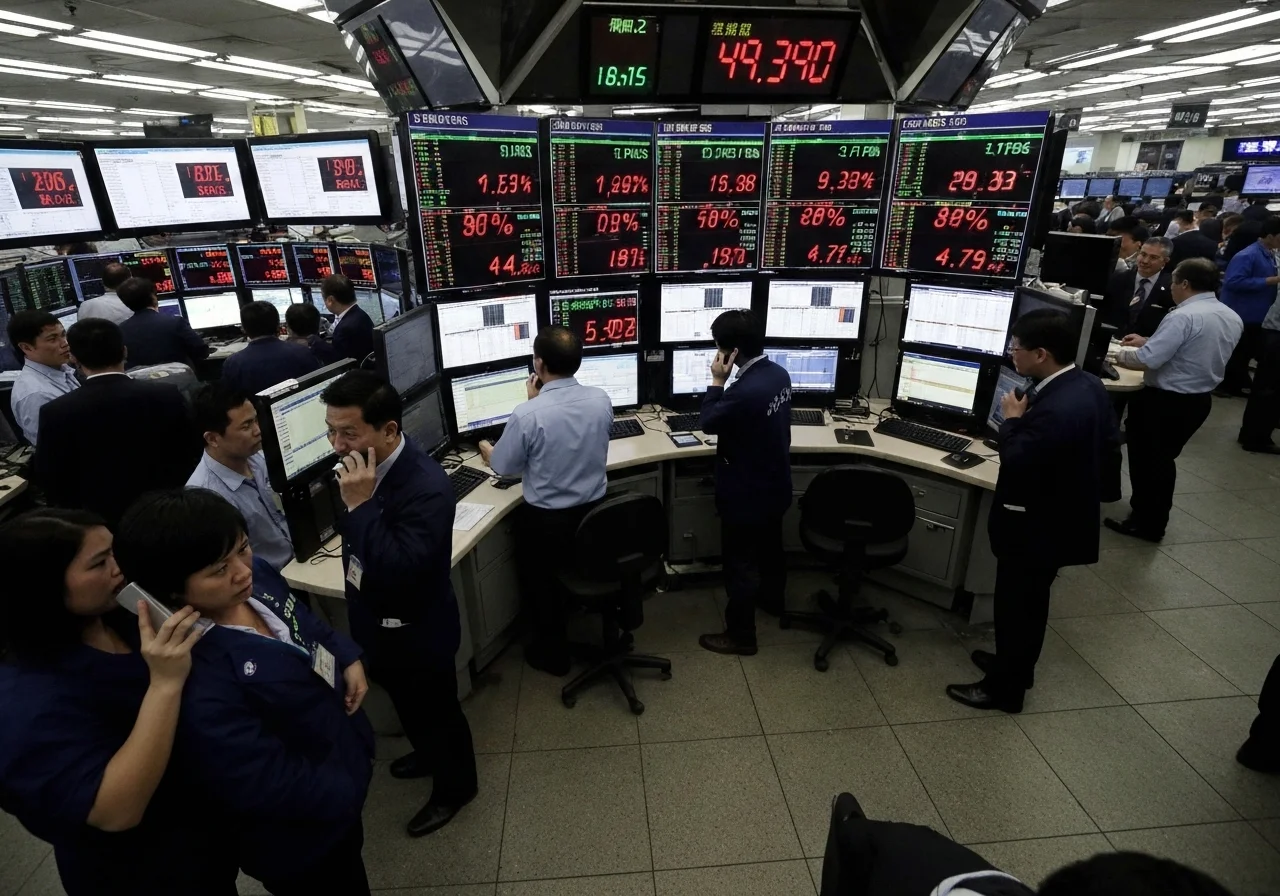
Wingtech's 10% Shanghai nosedive tells the real story—investors are pricing in systemic risk for Chinese tech firms operating abroad. The market hates uncertainty, and this intervention sets a dangerous precedent for cross-border investments in strategic sectors.
Pending legal challenges
Wingtech's promised legal battle could become a landmark case testing the limits of national security justifications. Their "discriminatory treatment" argument gains traction when examining the lack of due process—but courts often defer to national security claims, creating a legal gray zone.
Strategic Implications for Tech Sovereignty
We're witnessing the death of tech globalization as we knew it. The Dutch intervention establishes a playbook for Western nations to counter Chinese expansion—using emergency economic powers as the new normal. This isn't just about chips anymore; it's a fundamental rewrite of how nations balance market principles against strategic control. The genie won't go back in the bottle.

Geopolitical ramifications
US-China trade tensions intensify
The Dutch government's seizure of Nexperia isn't just another regulatory hiccup—it's a calculated move in the high-stakes poker game of semiconductor dominance. This intervention dovetails perfectly with Washington's December 2024 crackdown on Wingtech subsidiaries, creating a transatlantic pincer movement against China's tech ambitions. What we're witnessing is the financial equivalent of coordinated central bank actions, except this time it's about choking off access to advanced node manufacturing rather than liquidity. The timing screams geopolitical choreography, with Europe finally picking sides in the silicon cold war.
Rare earths and automotive sector vulnerabilities
China just played its trump card—rare earth exports—and the automotive sector is feeling the squeeze. With 90% of global rare earth processing under Beijing's thumb, those neodymium magnets for EV motors are suddenly political leverage. This isn't just tit-for-tat—it's supply chain judo, where Europe's dependence on both Nexperia's chips and Chinese minerals creates a perfect storm. The takeaway? When tech sovereignty clashes with just-in-time manufacturing, everybody loses.
SEMICONDUCTOR SUPPLY CHAIN
| Region | Market Share (2024) | Key Specializations |
|---|---|---|
| East Asia | 63% | Advanced logic chips |
| North America | 12% | Chip design/IP cores |
| Europe | 9% | Automotive semiconductors |
| China | 16% | Mature node manufacturing |

Market and legal repercussions
Immediate financial impact
Wingtech's stock got absolutely hammered on the Shanghai exchange, hitting the dreaded 10% daily limit—a gut punch not seen since its IPO debut in 2020. This isn't just a bad hair day; it's a full-blown investor freakout over Western regulators tightening the screws on Chinese tech plays, especially in the semiconductor endgame. The bloodbath mirrors Wingtech's December 2024 Entity List nightmare, which vaporized 15% of its valuation overnight. According to CNBC's market autopsy, this regulatory ambush has already torched $2.4 billion in market cap, with traders bracing for more fireworks as trade tensions hit DEFCON levels.
Pending legal challenges
Wingtech's legal eagles are firing on all cylinders—throwing Hail Mary petitions at Dutch courts while Beijing's commerce heavyweights warm up in the bullpen. Their since-deleted WeChat broadside (archived by Pekingnology) screams "geopolitical asset grab," but here's the rub: enforcing those bilateral investment treaties is like herding cats when national security trumps all. The Financial Post's deep dive reveals the plot twist—alleged insider cooperation from Wingtech's European execs, turning this legal showdown into a corporate Game of Thrones. Mark your calendars for November 2025 when Amsterdam's courts become the semiconductor industry's courtroom drama stage.
Emergence of Tech Protectionism
The Dutch seizure of Nexperia under the Goods Availability Act isn’t just another regulatory hiccup—it’s the financial equivalent of flipping the chessboard. This 1950s-era legislation, dusted off for the semiconductor age, marks a hard pivot from market-driven globalization to strategic muscle-flexing. The move mirrors Washington’s CHIPS Act playbook, but with a European twist: using legacy laws as crowbars to pry open supply chain bottlenecks.
What’s particularly telling is the timing—coming hot on the heels of Beijing’s gallium export curbs, this intervention reveals how rare earth dependencies are rewriting the rules of tech investment. The 10% nosedive in Wingtech’s shares? That’s the market pricing in the new reality: industrial policy now trumps shareholder primacy.
Legal Precedents and Investor Risks
Here’s where it gets legally spicy—the Netherlands invoked emergency powers without laying all its cards on the table. This sets a dangerous precedent where governance allegations become the new WMDs of economic warfare. The parallels with the UK’s Newport facility divestment order suggest coordinated Western legal maneuvering, effectively creating a tech investment risk premium for China-linked firms.
Investors are right to sweat—when 70-year-old laws can be weaponized overnight, due process takes a backseat to geopolitical expediency. The coming legal battles will test whether emergency clauses become the new normal in cross-border M&A.
Strategic Decoupling Dynamics
This is where rubber meets the road in the great tech decoupling. The Dutch action isn’t isolated—it’s part of a synchronized Western push combining export controls, investment screening, and now outright seizures. We’re witnessing the birth of a bifurcated tech ecosystem, with China and the West building parallel semiconductor universes.
The real kicker? This economic judo move comes just as Beijing tightened rare earth exports—a clear signal that supply chain weapons cut both ways. For automakers and AI hardware firms, this escalating tit-for-tat spells margin compression ahead.
TABLE_NAME
<div data-table-slug="global-chip-control-measures">| Measure Type | Jurisdiction | Year Enacted | Key Provisions |
|---|---|---|---|
| Goods Availability Act | Netherlands | 2024 | Allows state takeover of critical tech firms during emergencies |
| CHIPS Act | United States | 2022 | $52B subsidies with strict export control clauses |
| Semiconductor Export Ban | China | 2023 | Restrictions on gallium/germanium exports |
| EU Chips Act | European Union | 2023 | €43B investment with national security screening |
References


Get Daily Event Alerts for Companies You Follow
Free: Register to Track Industries and Investment Opportunities