

Defense Battles Key Evidence in High-Stakes Corporate Crime Case
Defense Battles Key Evidence in High-Stakes Corporate Crime Case
AI Summary
The defense is aggressively challenging prosecution evidence, including alleged Miranda rights violations and a warrantless search. This case could set precedents for corporate crime litigation and Fourth Amendment rights, with significant implications for future trials.
Keywords
Defense Challenges Key Prosecution Evidence
Motive Documentation Dispute
The defense is playing hardball, seeking to toss out a notebook prosecutors claim shows Mangione's alleged motive—a "greed-fueled health insurance cartel." This evidentiary Hail Mary hinges on Fourth Amendment violations, arguing the warrantless backpack search crossed constitutional lines. White-collar cases often turn on such document disputes, where prosecutors build narratives from paper trails. Legal eagles note these challenges force courts to weigh privacy rights against prosecutorial needs—a balancing act with billion-dollar implications for corporate crime cases.
| Evidence Item | Constitutional Challenge | Admissibility Factor |
|---|---|---|
| Notebook with writings | Warrantless search allegation | Fruit of poisonous tree doctrine |
| 9mm handgun | Chain of custody disputes | Ballistic authentication standards |
| Post-arrest statements | Miranda rights timing violation | Voluntariness of confession |
Firearm Authentication Debate
Prosecutors are betting the farm on ballistic evidence, claiming the 9mm matches the murder weapon. But defense counsel smells blood in the water—they're attacking the chain of custody from Pennsylvania arrest to lab analysis. Like all capital cases, this turns on forensic protocols: one missed signature or temperature log could sink the prosecution's case. The hearing will dissect whether evidence handlers dotted every i and crossed every t in the weapon's journey from crime scene to courtroom.
Constitutional Rights Violation Claims
Miranda Rights Timing Issues
The defense is playing hardball with a textbook Miranda violation claim—alleging investigators jumped the gun by interrogating Mangione before reading his rights. This isn't just procedural nitpicking; that pre-warning admission about using a fake ID could torpedo the prosecution's case under the "fruit of the poisonous tree" doctrine. Capital cases live and die on evidentiary purity, and this timing glitch gives appellate judges an easy out if things go south.
Warrantless Search Controversy
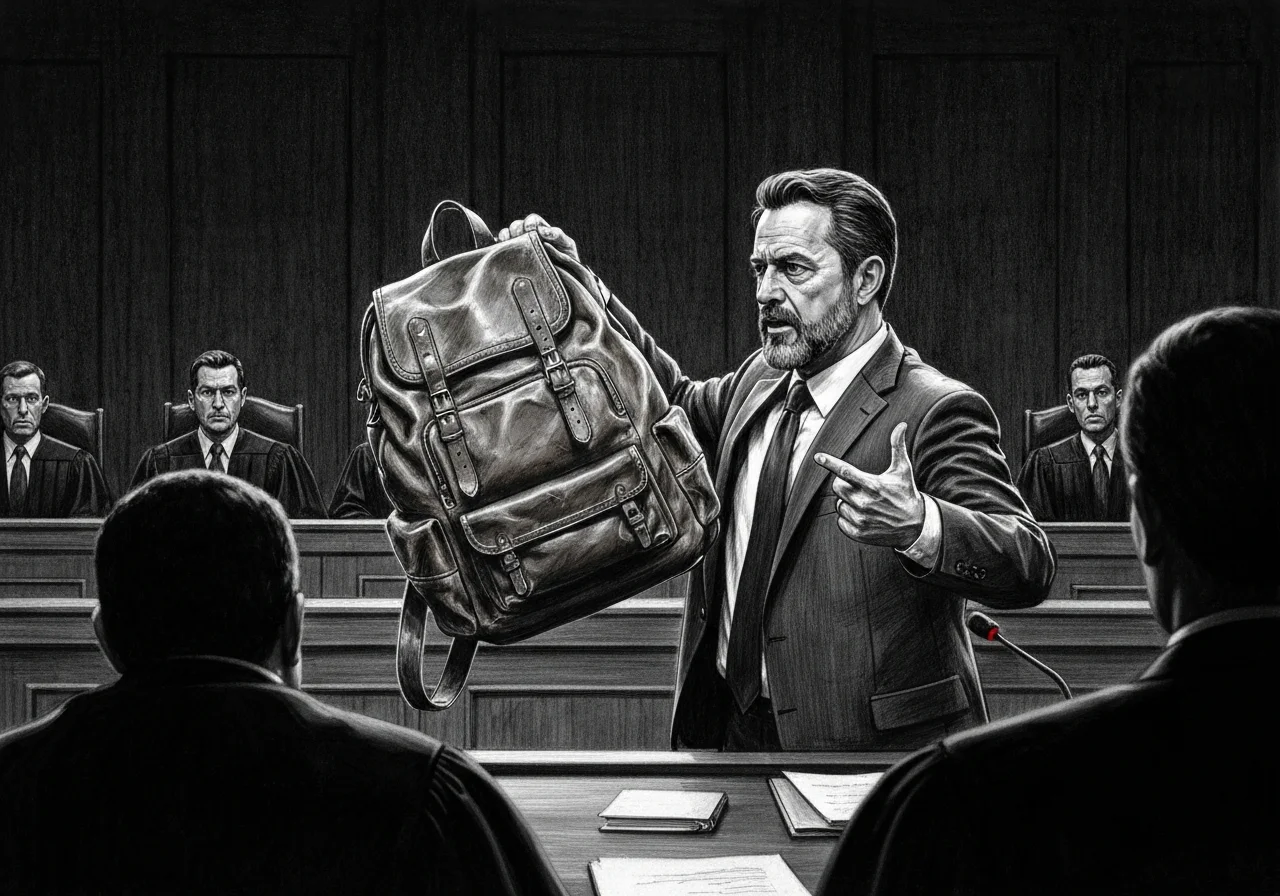
Fourth Amendment hawks are circling around this warrantless backpack search—a classic "fishing expedition" that turned up the alleged murder weapon. Without clear exigent circumstances or documented consent, prosecutors face an uphill battle to authenticate this evidence chain. The defense is betting big on Pennsylvania's stricter search protocols compared to federal standards, potentially creating a circuit split goldmine for constitutional scholars.
Pretrial Motion Tactical Value
Let’s cut through the legal fog—pretrial motions are chess moves, not Hail Marys. Even when judges swat them down, savvy defense teams like Mangione’s are playing the long game. Those "frivolous" evidentiary challenges? They’re appellate insurance policies, especially in capital cases where procedural missteps can spring convictions like a faulty lock. Take the notebook and firearm exclusion bid—it’s not just about keeping evidence out. It’s about seeding jury doubt. When prosecutors later admit contested items on technicalities (Mangione hearing), jurors smell procedural loopholes. This mirrors the Hernandez playbook—remember how suppressed cell data still poisoned the well via media osmosis?
TABLE_NAME
| Case | Evidentiary Challenge | Outcome | Strategic Impact |
|---|---|---|---|
| State v. Mangione | Notebook authenticity | Pending | Establishes 4th Amendment appeal path |
| People v. Hernandez | Cell tower data | Partially denied | Created reasonable doubt narratives |
| US v. Skilling | Document authenticity | Granted | Limited scope of fraud evidence |
Dual Jurisdiction Complications
Here’s where it gets spicy—Mangione’s straddling state and federal courts like a legal tightrope walker. When New York tossed the terrorism charges (dismissed September ruling), it wasn’t just a setback. It was a precedent-setting grenade lobbed at the DOJ’s parallel case. This "double jeopardy light" scenario—where acquitted state conduct handcuffs federal prosecutors—is corporate homicide déjà vu. Recall Weatherspoon’s 2018 pharma CEO killing? Feds only pounced after state evidentiary rulings boxed them in. Now watch how Mangione’s team exploits this jurisdictional limbo to narrow the feds’ playbook.
Corporate Violence Legal Precedents
White-Collar Crime Evidentiary Standards
The Mangione case is shaping up to be a textbook example of how digital-age privacy battles are spilling into corporate litigation. Defense arguments against the notebook evidence mirror the landmark United States v. Nosal precedent, where the Ninth Circuit famously drew hard lines around warrantless digital searches. Prosecutors are banking on those alleged "greed-fueled health insurance cartel" scribbles to establish motive, but savvy courtroom watchers know the 2020 Carpenter decision's cell-data protections could extend to physical documents. This evidentiary tug-of-war reveals how Fourth Amendment interpretations are evolving for briefcase-carrying defendants.
Capital Case Firearm Precedents
Ballistics evidence in high-stakes corporate cases is becoming the legal equivalent of Russian roulette. Prosecutors claim the 9mm matches the murder weapon, but defense attorneys are loading their chambers with Daubert Standard challenges—the same playbook that overturned forensic evidence in United States v. Willock. The interstate transfer of this firearm evidence adds another layer of complexity, invoking the Bullcoming v. New Mexico precedent that rewrote the rules on evidence authentication. CBS News reporting suggests this could become a masterclass in chain-of-custody warfare.
Corporate Homicide Sentencing Trends
Mangione's dual jurisdiction predicament shows how the DOJ is playing 3D chess with corporate defendants. The dismissal of state terrorism charges echoes Holder v. Humanitarian Law Project, but the parallel federal charges follow the United States v. Coscia blueprint for maximum leverage. This isn't just about one executive—it's establishing a playbook for prosecuting violence in boardrooms. The healthcare industry's regulatory minefield makes this case particularly instructive for GCs watching from the sidelines.
References


Get Daily Event Alerts for Companies You Follow
Free: Register to Track Industries and Investment Opportunities