

How Can a Tiny Nation Control the Rare Earth Market?
How Can a Tiny Nation Control the Rare Earth Market?
AI Summary
The Cook Islands hold 15% of global seabed rare earth deposits, strategically playing US and China against each other while enforcing strict environmental safeguards—a blueprint for microstate resource sovereignty.
Keywords
Superpowers Compete for Rare Earth Access
Strategic Seafloor Mapping Efforts
The Cook Islands have emerged as an unlikely chessboard in the U.S.-China critical minerals showdown, with research vessels from both nations conducting near-identical seabed surveys within weeks of each other. The Wall Street Journal's scoop reveals a high-stakes game of underwater cartography—the U.S. vessel in October 2023 prioritized open-data partnerships, while China's November mission tied surveys to bilateral infrastructure deals.
This synchronized activity targets the archipelago's 7 billion tons of polymetallic nodules—essentially battery metal piñatas containing enough cobalt, nickel, and rare earth elements to electrify global EV production twice over. Maritime lawyers whisper these surveys could lock in first-mover mining rights under International Seabed Authority rules, turning sonar pings into future billion-dollar claims.
Cook Islands' Geopolitical Leverage
Don't let the 15,000 population fool you—this microstate holds mineral leverage that would make OPEC blush. Their 1.8 million sq km EEZ contains seabed riches valued at 100x current GDP, strategically straddling Asia-Americas shipping lanes like a tollbooth on the Pacific highway.
The real genius? Playing both sides flawlessly. While negotiating with U.S.-backed The Metals Company, they're simultaneously entertaining Chinese state miners—all while enforcing environmental safeguards and local hiring quotas. This "Switzerland of the Pacific" approach could net $7 billion in royalties, proving that in the new resource wars, the smallest players often hold the wildest cards.

Economic Windfall Potential for Microstates
Rare Earth Market Projections
The Cook Islands are sitting on a geological goldmine—or more accurately, a seabed treasure chest. With USGS data showing rare earth demand skyrocketing 300% by 2030 for green tech alone, this microstate's 15% share of global seabed deposits could rewrite Pacific economics. The numbers speak volumes:
| Critical Mineral | Primary Sector | 2030 Demand (Metric Tons) |
|---|---|---|
| Cobalt | EV Batteries | 250,000 |
| Tellurium | Solar Panels | 8,400 |
| Neodymium | Wind Turbines | 35,000 |
| Dysprosium | Defense Tech | 5,200 |
| Terbium | Consumer Electronics | 3,800 |
This isn't just about minerals—it's about geopolitical leverage. As the WSJ reports, controlling 40% of Western supply chains turns a nation of 15,000 into an economic heavyweight.
Sovereignty vs. Resource Extraction
The Cook Islands are playing 4D chess with mineral rights. Their 5% royalty rate—higher than regional peers—comes with environmental teeth: 20% project-value bonds funding a $120 million sovereign wealth fund by 2025 (Marine Minerals Act 2021).
This contrasts sharply with China's equity-for-access playbook, which the Cooks famously rejected. With jurisdiction over seabed territory rivaling Mexico's landmass, they're proving microstates can punch above their weight—provided they play the long game. The WSJ's deep dive shows how this Pacific David outmaneuvers Goliaths at the negotiating table.
Microstates Reshaping Resource Geopolitics
The Cook Islands' meteoric rise as a rare earth heavyweight is flipping the script on mineral dominance—proving that in today's resource game, size doesn't matter nearly as much as strategic positioning. This Pacific microstate, with a population smaller than a mid-sized university, sits atop an estimated 7% of global rare earth deposits, according to geopolitical mineral analysts. It's part of a startling trend where nations with fewer than 100,000 residents control nearly 12% of critical minerals powering everything from Tesla batteries to F-35 fighter jets.
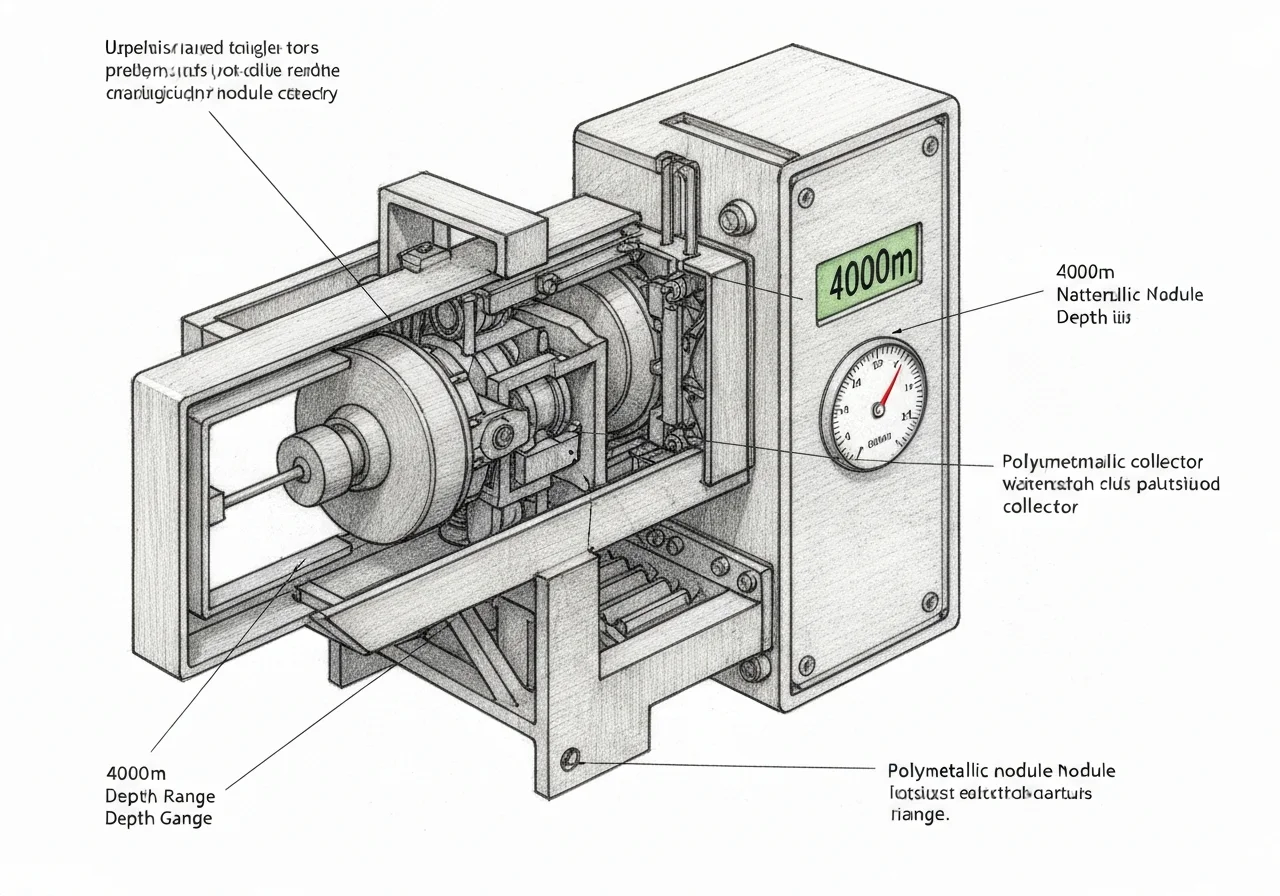
Three disruptive forces are at play:
- Regulatory First-Mover Advantage: The Cook Islands' deep-sea mining regulations have become the de facto blueprint, forcing majors to adapt to microstate rules
- The Art of Asymmetric Diplomacy: Simultaneously playing Washington and Beijing against each other, this microstate showcases negotiation tactics that would make any Fortune 500 boardroom proud
- Economic Alchemy: Projected $2.4 billion in seabed royalties could turn this nation into the Qatar of the Pacific—a GDP multiplier that makes Silicon Valley startups look sluggish
The underlying dynamic mirrors IFRS accounting standards—it's not about who owns the seabed, but who controls access. As superpowers scramble for mapping rights, these microstates are writing the new playbook for 21st-century resource geopolitics.

Get Daily Event Alerts for Companies You Follow
Free: Register to Track Industries and Investment Opportunities