

Explosive Showdown: Comey's High-Stakes Battle Against DOJ Overreach
Explosive Showdown: Comey's High-Stakes Battle Against DOJ Overreach
AI Summary
Former FBI director James Comey faces federal charges amid allegations of political prosecution, with his defense team highlighting witness credibility gaps and constitutional challenges that could redefine DOJ independence standards.
Keywords
Comey Pleads Not Guilty to Federal Charges
Core allegations against former FBI director
The legal storm surrounding James Comey boils down to two explosive charges: allegedly cooking the books on his congressional testimony and throwing sand in the gears of a Senate probe. Prosecutors claim the ex-FBI boss lied through his teeth about greenlighting media leaks during the Clinton email investigation, particularly regarding his deputy's Wall Street Journal briefings. With each count carrying a five-year prison sentence, this case could become the ultimate reckoning for the bureau's most polarizing director since Hoover.
Initial court proceedings and defense strategy
Comey's legal dream team, led by courtroom heavyweight Patrick Fitzgerald, came out swinging with a not-guilty plea and a jury trial demand. They're loading the legal cannon with constitutional challenges, questioning whether this prosecution passes the smell test given the unusual staffing shuffle that saw career Virginia prosecutors bow out. As Lawfare notes, these moves echo historic defenses against politically-tinged indictments—a high-stakes gamble that could either torpedo the case or backfire spectacularly.
Political context of indictment timing
The indictment dropped like a political grenade, landing just as Trump renewed his crusade against "deep state" foes. The timing reeks of score-settling, especially with AG Bondi simultaneously targeting other Trump critics—a pattern that's got even Reuters/Ipsos showing cratering public trust in DOJ impartiality. This legal firestorm now threatens to become Exhibit A in the debate over weaponized justice, with Comey's fate potentially setting precedent for how far executive branch influence can reach into judicial proceedings.
<div data-table-slug="comey-indictment-details">| Charge Type | Statutory Basis | Maximum Penalty | Key Evidentiary Element |
|---|---|---|---|
| False Statements to Congress | 18 U.S.C. § 1001 | 5 years | 2020 Senate testimony on media leak authorization |
| Obstruction of Congressional Proceeding | 18 U.S.C. § 1505 | 5 years | Alleged attempt to influence Judiciary Committee investigation |
Weaknesses in Prosecution's Case Emerge
Problems with key witness testimony
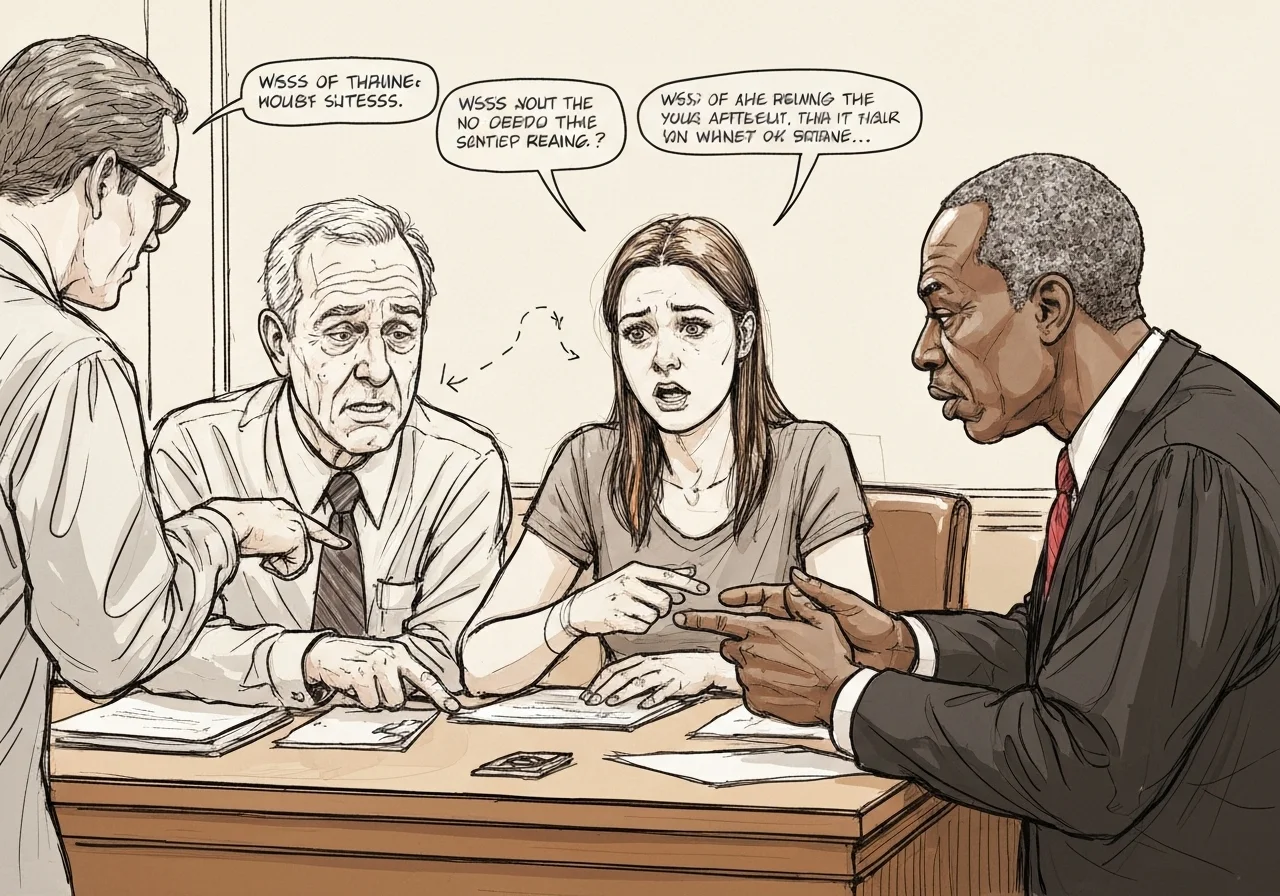
The prosecution's case against James Comey is showing cracks in its foundation—and not the kind you can patch with legal duct tape. At the heart of the matter is Daniel Richman, the law professor turned human reasonable doubt generator. His courtroom denial of receiving leak authorization from Comey (per ABC News) created what prosecutors privately called an "insurmountable" credibility gap in their memo to U.S. Attorney Halligan. This evidentiary sinkhole aligns with NYMag’s scoop about DOJ insiders flagging Richman’s testimony as potentially case-killing. When your star witness’s statements crumble like a stale shortbread cookie during cross-examination, even the most aggressive prosecutors start sweating through their pinstripes.
Unusual prosecutorial appointments
The DOJ’s staffing choices for this case reek of desperation—like watching someone assemble a dream team from the legal equivalent of a clearance bin. Per Politico, they had to import North Carolina attorneys Lemons and Diaz after Virginia’s seasoned prosecutors noped out—a move that makes as much sense as bringing minor league pitchers to the World Series. Then there’s lead prosecutor Halligan, whose trial experience according to the Daily Mail amounts to exactly zero high-stakes cases. When you’re facing Comey’s legal A-team led by Patrick Fitzgerald, this isn’t just putting rookies in the bullpen—it’s handing them a grenade without the pin. The whole setup screams "prosecutorial Hail Mary" rather than a meticulously constructed indictment.
Broader Implications for DOJ Independence
Erosion of prosecutorial norms
The Comey case has become the canary in the coal mine for institutional decay, with over 1,000 former Justice Department officials—spanning multiple administrations—signing a scathing letter condemning the prosecution as an unprecedented assault on the rule of law. This revolt from within the ranks mirrors alarming Reuters/Ipsos data showing just 25% of Americans believe the DOJ operates free from political meddling. The appointment of Lindsey Halligan—a greenhorn prosecutor with zero trial experience—after her predecessor refused to target Trump critics, smacks of banana republic tactics. Legal eagles note this violates post-Watergate norms against weaponizing indictments, a red line that's held for decades until now.
Potential legal challenges ahead
Comey's legal dream team, led by courtroom legend Patrick Fitzgerald, is loading constitutional cannons to blast this case apart. Lawfare's deep dive reveals they'll argue selective prosecution, pointing to Trump's very public demands to jail political foes like Adam Schiff and Letitia James. The defense may also nuke Halligan's appointment under the Appointments Clause—her lack of Senate confirmation and thin resume make her a sitting duck. These arguments gain teeth from the prosecution's Hail Mary staffing move: importing out-of-state attorneys after Virginia's career prosecutors wanted no part in this mess, a maneuver Politico exposed as highly irregular.
| Case | Key Irregularities | Political Context |
|---|---|---|
| Comey Indictment | Unqualified lead prosecutor; witness credibility issues | Followed Trump's social media demands targeting critics |
| Letitia James Probe | No public evidence of criminal conduct | James led civil fraud case against Trump |
| Adam Schiff Inquiry | Opened after Trump called him "treasonous" | Schiff chaired Trump impeachment hearings |
Constitutional Clash Over Presidential Influence
The courtroom drama unfolding here isn't just legal theater—it's a stress test for America's institutional guardrails. Career prosecutors reportedly sounded the alarm weeks before indictment about evidentiary landmines (ABC News), yet the show rolled on. This prosecutorial dissonance mirrors broader erosion of public trust, with Reuters/Ipsos data showing just 1 in 4 Americans believe the DOJ operates free from political meddling. The plot thickens with Lindsey Halligan's eyebrow-raising appointment—a rookie prosecutor whose resume reads more like an insurance claims adjuster than a federal litigator. When the legal eagles start squawking about procedural red flags, even Wall Street pays attention—these are the same institutional safeguards that protect market stability.
Judicial Independence Under Stress Test
Peel back the procedural curtain and you'll find internal DOJ memos (ABC News) forecasting "insurmountable problems" with star witness Daniel Richman—the legal equivalent of shorting your own case pre-trial. The judicial branch now faces its own liquidity crunch of credibility, pressured to rule on defense motions challenging both Halligan's questionable credentials and allegations of political targeting. The optics worsen with the emergency dispatch of North Carolina prosecutors after Virginia's seasoned attorneys walked away—a maneuver so irregular that 1,000+ DOJ alumni have publicly condemned it as institutional malpractice.
Systemic Implications for Rule of Law
This case could become the precedent that keeps on taking—establishing dangerous leverage points for executive interference in prosecutorial discretion. The prosecution's curious focus on 2020 media leak testimony rather than the Russia investigation smacks of legal arbitrage, dodging constitutionally sensitive terrain. Yet the damage may already be priced in—with witness contradictions and procedural red flags creating a credibility deficit that no verdict can remedy. When political demands start dictating prosecutorial decisions, it's not just the legal system that suffers—market confidence in equitable enforcement takes a haircut too.
References


Get Daily Event Alerts for Companies You Follow
Free: Register to Track Industries and Investment Opportunities