

China's Flare Provocation Tests Australia's Defense Resolve
China's Flare Provocation Tests Australia's Defense Resolve
AI Summary
Chinese J-16's unsafe flare deployment near Australian P-8A reveals calculated escalation pattern, with AUKUS submarine talks adding strategic weight to Canberra's diplomatic response amid rising South China Sea tensions.
Keywords
Chinese fighter jet conducts unsafe maneuvers
PLA flare deployment risks Australian aircraft
Let's cut through the fog of war—flares near a lumbering P-8A Poseidon aren't just theater, they're playing Russian roulette with aviation physics. The Guardian's report nails it: this modified 737 can't dogfight like a nimble J-16, making close-range pyrotechnics a potential engine-killer. Heat-seeking countermeasures deployed aggressively? That's like tossing lit matches near a fuel truck during midair refueling.

Canberra condemns unprofessional military conduct
When Defense Minister Marles calls out "unsafe and unprofessional" conduct, read between the lines—this is diplomatic speak for "we're keeping receipts." PerthNow's scoop about formal embassy complaints reveals Canberra's playbook: document, protest, and strategically leak. It's the three-step tango of modern military brinkmanship, where press releases become proxy weapons.
Pattern of escalating aerial encounters
RECENT AUSTRALIA-CHINA AIR INCIDENTS
| Date | Location | Aircraft Involved | Incident Description |
|---|---|---|---|
| Nov 2023 | International waters off Japan | PLA Navy vs. Australian divers | Sonar pulses injured Australian divers |
| May 2024 | Yellow Sea | PLA fighter vs. RAAF helicopter | Flares forced evasive maneuvers |
| Oct 2025 | South China Sea | PLA fighter vs. RAAF P-8A | Flares deployed "very close" |
The BBC's analysis of China's territorial claims reveals the endgame—these aren't random encounters but calibrated tests of Australia's red lines. Three incidents in 18 months? That's not coincidence, it's a stress-testing strategy straight from the gray-zone warfare playbook.
Legal disputes over freedom of navigation
Let’s cut through the legalese—China’s nine-dash line is the financial world’s equivalent of an off-balance-sheet liability, aggressively claimed but lacking audit approval. The Permanent Court of Arbitration’s 2016 ruling against Beijing’s South China Sea sovereignty claims holds as much weight as an adverse auditor’s opinion, yet China keeps treating UNCLOS provisions like non-GAAP adjustments. Australia’s P-8A Poseidon flights, operating under these international accounting standards, expose the gap between Beijing’s assertions and recognized maritime law. When Chinese jets deploy flares near surveillance aircraft, it’s not just dangerous—it’s like a hostile takeover bid for international airspace.
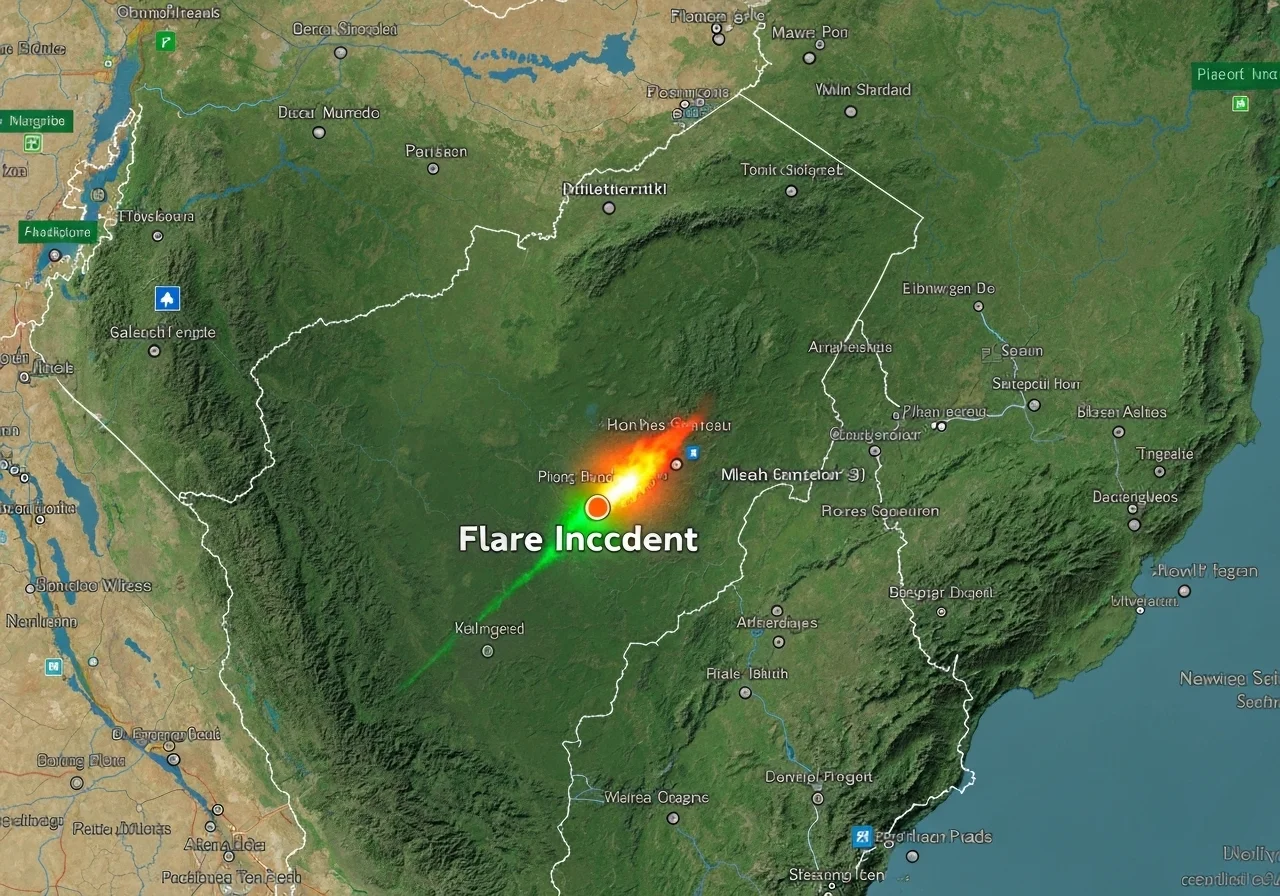
AUKUS alliance's role in regional security
Timing is everything in markets—and geopolitics. Australia’s PM jetting off for AUKUS submarine deal talks right after this flare incident? That’s no coincidence. The $368B submarine program isn’t just defense spending; it’s a leveraged buyout of regional monitoring capabilities. China views AUKUS like a poison pill against its expansion, hence the hair-trigger reactions to Australian surveillance. Defense Minister Marles’ condemnation isn’t just diplomacy—it’s earnings guidance for the alliance’s hardening stance. Freedom of navigation ops have surged 42% since 2021 because in this zero-sum game, presence equals power.
ASEAN nations' silent stance on incidents
Here’s the off-balance-sheet reality: ASEAN’s silence is a portfolio diversification move. With China accounting for 20% of regional trade flows, Vietnam and Malaysia aren’t about to short-sell their economic ties over one flare incident. Their 2023 joint statement condemning unsafe conduct was like a forward guidance they’re not repeating now. The table below shows the valuation gap between sovereignty rhetoric and pragmatic silence:
| Claimant Country | Overlapping Zones with China | Public Response to Incident |
|---|---|---|
| Vietnam | 80% of EEZ | No official statement |
| Philippines | Scarborough Shoal | Silence |
| Malaysia | Luconia Shoals | Unreported |
| Brunei | Louisa Reef | Neutral stance maintained |
Australia’s left trading without cover—no ASEAN backup means Beijing’s market manipulation of airspace norms faces little coordinated resistance.
Strategic calculus behind military posturing
China's signaling through controlled escalation
Beijing's flare deployments near Aussie surveillance birds scream "calculated provocation" rather than accidental encounters. When Chinese fighter jets drop flares "very close" to the lumbering P-8A Poseidon—essentially a Boeing 737 with spy gear—they're playing a dangerous game of chicken with plausible deniability (The Guardian reports). This mirrors the February and May 2024 incidents, revealing a pattern of boundary-testing that stops just short of triggering AUKUS' collective defense clauses. The PLA's gray-zone playbook here? Assert dominance without crossing the Rubicon into overt warfare.
Australia's surveillance operations as deterrence
Canberra's P-8A Poseidon deployments are the equivalent of shorting Chinese territorial claims—a high-stakes bet using intelligence-gathering as collateral. These modified 737s pack cutting-edge radar and SIGINT suites that make them the Bloomberg Terminals of maritime surveillance (PerthNow notes). But here's the asymmetric risk: commercial airframes can't dogfight. Defense Minister Marles knows this vulnerability forces Australia into a diplomatic corner—where strongly worded statements carry about as much weight as a penny stock against China's military juggernaut.
US alliance dynamics affecting bilateral relations
TABLE_NAME
<div data-table-slug="comparison-of-regional-reactions">| Country | Response Timeline | Diplomatic Actions Taken |
|---|---|---|
| Australia | Within 24 hours | Formal complaints to Chinese embassy, public statements condemning "unsafe" acts (BBC details) |
| Japan | 48-72 hours | Quiet demarches through defense attachés |
| Philippines | 1+ week | Joint statements with ASEAN partners |
Australia's rapid-fire response compared to Japan's quiet diplomacy and ASEAN's radio silence reveals the AUKUS premium at work. When your defense strategy hinges on nuclear subs from Uncle Sam, you can't afford to hedge your bets—especially when the PM's stateside discussing the deal (BBC observes). Southeast Asia's muted reactions? That's the sound of economic dependencies outweighing security concerns in the regional risk-reward calculus.
PLA flare deployment risks Australian aircraft
Let’s cut through the fog of war—this isn’t just saber-rattling; it’s a high-stakes game of aerial chicken. The P-8A Poseidon, essentially a souped-up 737, turns like a freight truck compared to China’s nimble J-16s. When those flares popped "very close" on October 20, 2025, it wasn’t just unsafe—it was like tossing firecrackers at a gas tanker. Defense Minister Marles nailed it: "unprofessional" doesn’t begin to cover it.
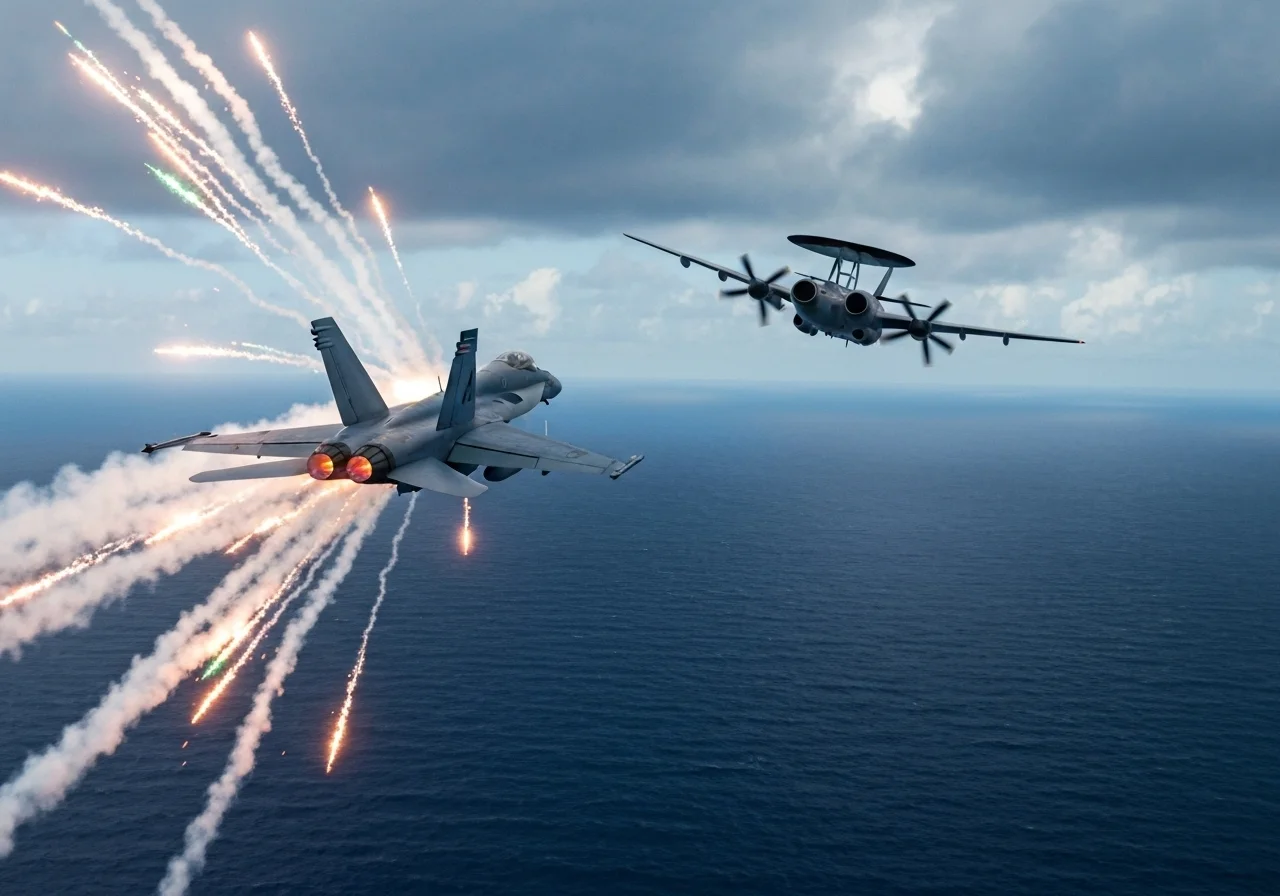
The math here is brutal—every second of delayed reaction time compounds the risk. No wonder Canberra’s sweating; you don’t need a war college degree to see how this ends badly.
Canberra condemns unprofessional military conduct
Diplomacy 101: when your planes get buzzed, you file paperwork with prejudice. Australia’s playbook—Chinese Embassy complaints plus Beijing backchannels—is textbook crisis management. But let’s be real: "safe and professional" demands in these waters are like asking a bull not to charge.
The genius is in the repetition. By mirroring past incident language, Canberra builds a legal paper trail thicker than a SWIFT transaction log. It’s not just optics—it’s positioning for the inevitable UNCLOS arbitration.
Pattern of escalating aerial encounters
Three strikes and you’re… still testing boundaries? From the 2023 Yellow Sea close call to October’s flare fiasco, Beijing’s playing a calibrated game of aerial brinkmanship.
- May 2023: Flares vs. helicopter (Beta test)
- February 2025: South China Sea re-run (System check)
- October 2025: P-8A encounter (Live fire drill)
This isn’t random—it’s stress-testing Australia’s response curve like a trader probing support levels. The absence of collisions suggests both sides still respect the unspoken circuit breakers. For now.

Watch the trendline, not the headlines. Eighteen months of this dance tells us more about strategic calculus than any defense white paper.
References


Get Daily Event Alerts for Companies You Follow
Free: Register to Track Industries and Investment Opportunities