

Power or Protest? Cameroon's Election Sparks Chaos and Controversy
Power or Protest? Cameroon's Election Sparks Chaos and Controversy
AI Summary
Paul Biya's contested election victory in Cameroon has ignited protests and allegations of fraud, exacerbating governance issues and economic instability. Analysts warn of deepening political and social fractures.
Keywords
Biya Secures Eighth Presidential Term
Election results and disputed claims
The Constitutional Council's declaration of Paul Biya's victory with 53.7% of the vote—while opposition leader Issa Tchiroma Bakary secured 35.2%—has sparked fierce debate over electoral integrity, as reported by BBC News. The subsequent chain reaction manifests in Tchiroma Bakary's explosive fraud allegations, claiming a 54.8% lead based on his team's parallel tabulation covering 80% of ballots, per The Guardian. Fundamentally, this dynamic underscores the ruling CPDM party's dismissal of opposition claims as "statistical hallucinations," urging citizens to await certified results.
ELECTION-RESULTS-BREAKDOWN
<div data-table-slug="election-results-breakdown">| Candidate | Vote Share (%) | Margin vs. Runner-Up |
|---|---|---|
| Paul Biya (CPDM) | 53.7 | +18.5 |
| Issa Tchiroma Bakary | 35.2 | -18.5 |
| Bello Bouba Maigari | 11.1 | -42.6 |
Historical context of prolonged rule
At 92, Biya cements his legacy as the world's oldest sitting head of state—a title held since 1982. Notably, this paradigm shift traces back to the 2008 constitutional amendment scrapping term limits, enabling his eighth consecutive win. The governance calculus grows thornier as critics highlight systemic corruption and youth unemployment rates exceeding 30%, particularly in northern regions where opposition sentiment simmers. As the BBC notes, Biya's prolonged rule now faces its sternest test yet: reconciling institutional authority with deepening societal fractures.
Post-Election Violence and Civil Unrest
Deadly clashes in urban centers
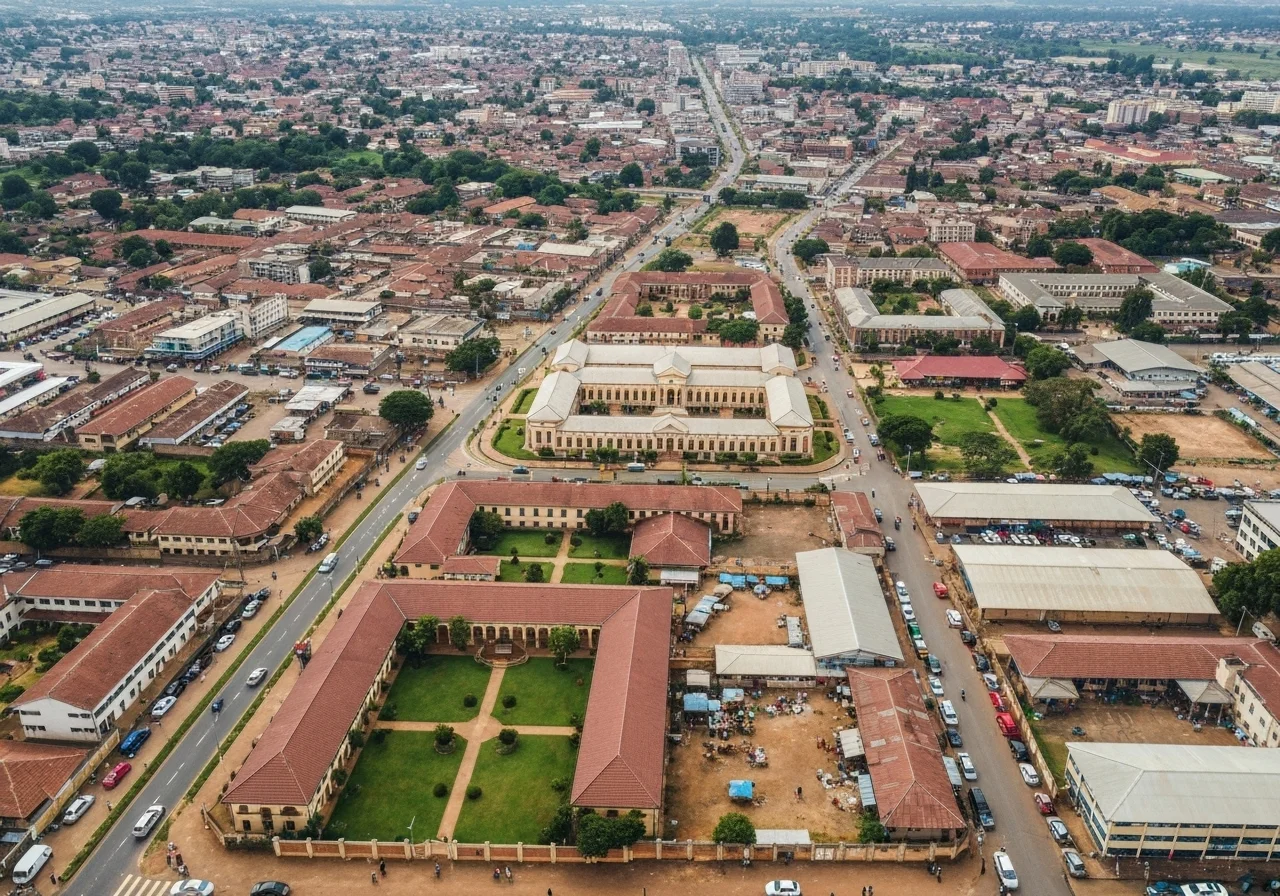
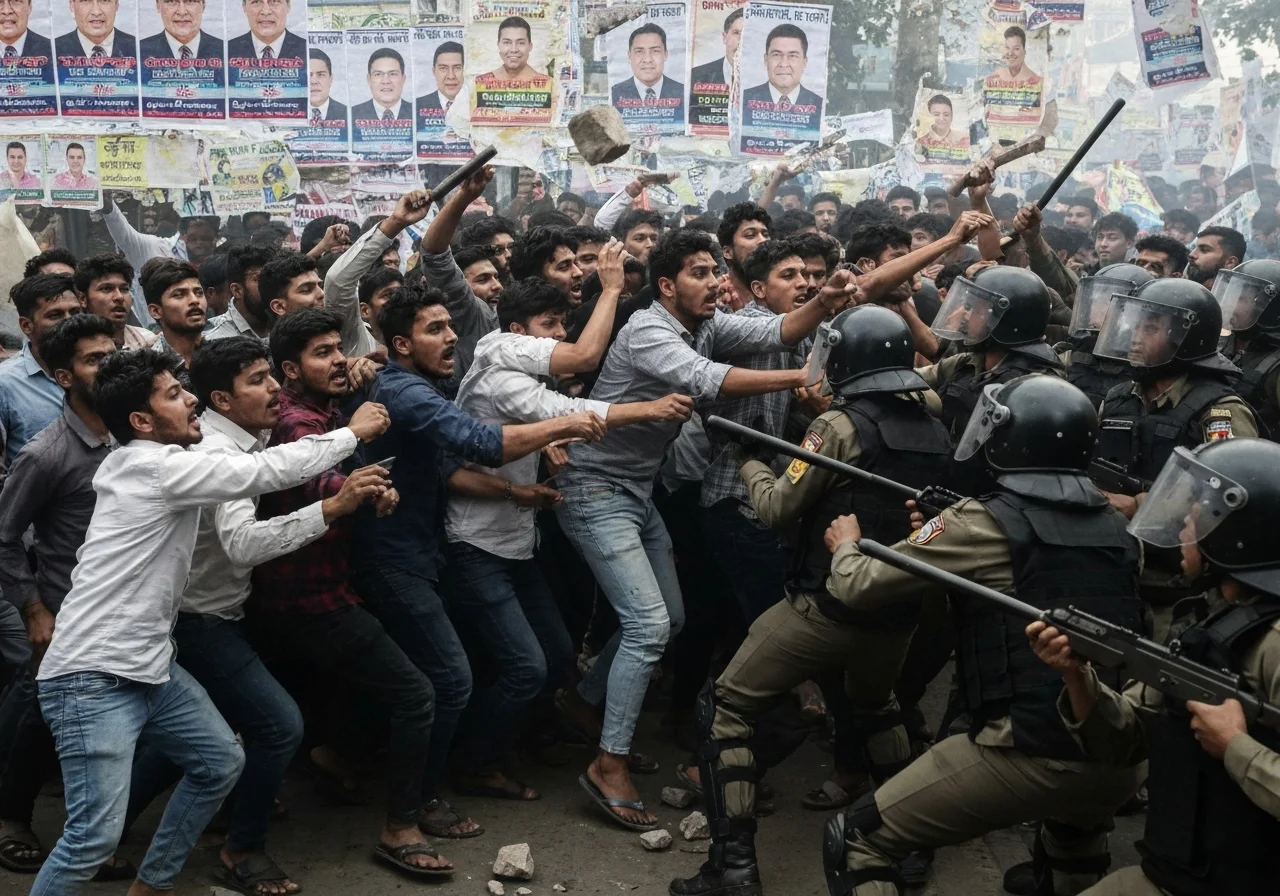
The powder keg of post-election tensions detonated across Cameroon’s urban centers, with Douala—the nation’s economic engine—bearing the brunt. Regional governor Samuel Dieudonné Diboua confirmed four fatalities during clashes between security forces and protesters alleging electoral fraud, though eyewitnesses described a lopsided crackdown. The violence wasn’t confined to Douala; near opposition leader Issa Tchiroma Bakary’s Garoua residence, local journalists documented chilling accounts of sniper fire against civilians. Bakary’s social media posts amplified these claims, accusing authorities of point-blank targeting—a narrative the government swiftly dismissed.
PROTEST-GEOGRAPHY
| City | Incident Type | Casualties |
|---|---|---|
| Douala | Security force engagement | 4 fatalities |
| Garoua | Sniper fire allegations | Unconfirmed |
| Yaoundé | Business disruptions | N/A |
| Bafoussam | Sporadic clashes | Minor injuries |
Economic and social repercussions
Yaoundé’s eerie "graveyard silence" post-results speaks volumes—businesses shuttered, schools closed, and civil servants AWOL. This paralysis isn’t just symbolic; it’s a direct hit to an economy already reeling from 6.2% youth unemployment and systemic corruption. Resident Amungwa Nicodemus nailed it: the unrest exposes how political instability throttles commercial activity, creating a vicious cycle where economic discontent fuels protests, which in turn deepen the downturn. Northern regions, where opposition support runs hot, now face compounded risks—vanishing livelihoods and fractured public services.
Governance Challenges Under Extended Rule
Public discontent with political stagnation
The writing's on the wall—Cameroon's economic malaise under President Biya's 43-year reign has become a textbook case of governance decay. What started as murmurs about systemic corruption has snowballed into full-blown public outrage, particularly among the youth demographic bearing the brunt of 45% unemployment. The northern regions tell the real story, where opposition leader Issa Tchiroma Bakary's rallying cry against "another nightmare" of declining living standards (as quoted by the BBC) resonates strongest. This isn't just political fatigue—it's a generation watching their GDP growth slow to 2.3% while corruption scores nosedive to 21/100.
International scrutiny of electoral integrity
When the Constitutional Council rubber-stamps Biya's 53.7% victory while dismissing 10 petitions, the institutional rot becomes impossible to ignore. The opposition's parallel tally showing 54.8% for Tchiroma Bakary (per The Guardian) isn't just a numbers dispute—it's Exhibit A in Cameroon's electoral integrity crisis. Security forces clashing with protesters in Douala and Garoua? That's the market reacting to bad governance fundamentals. The Political Stability Index tanking to -1.58 tells you everything about investor confidence in this political stalemate.
| Indicator | 2023 | 2024 | 2025 (Projected) |
|---|---|---|---|
| Corruption Perception | 25/100 | 23/100 | 21/100 |
| Youth Unemployment | 38% | 42% | 45% |
| GDP Growth | 3.1% | 2.7% | 2.3% |
| Political Stability | -1.32 | -1.45 | -1.58 |
| Electoral Integrity | 3.8/10 | 3.5/10 | 3.2/10 |
Cameroon's Controversial Election Outcome
Election results and disputed claims
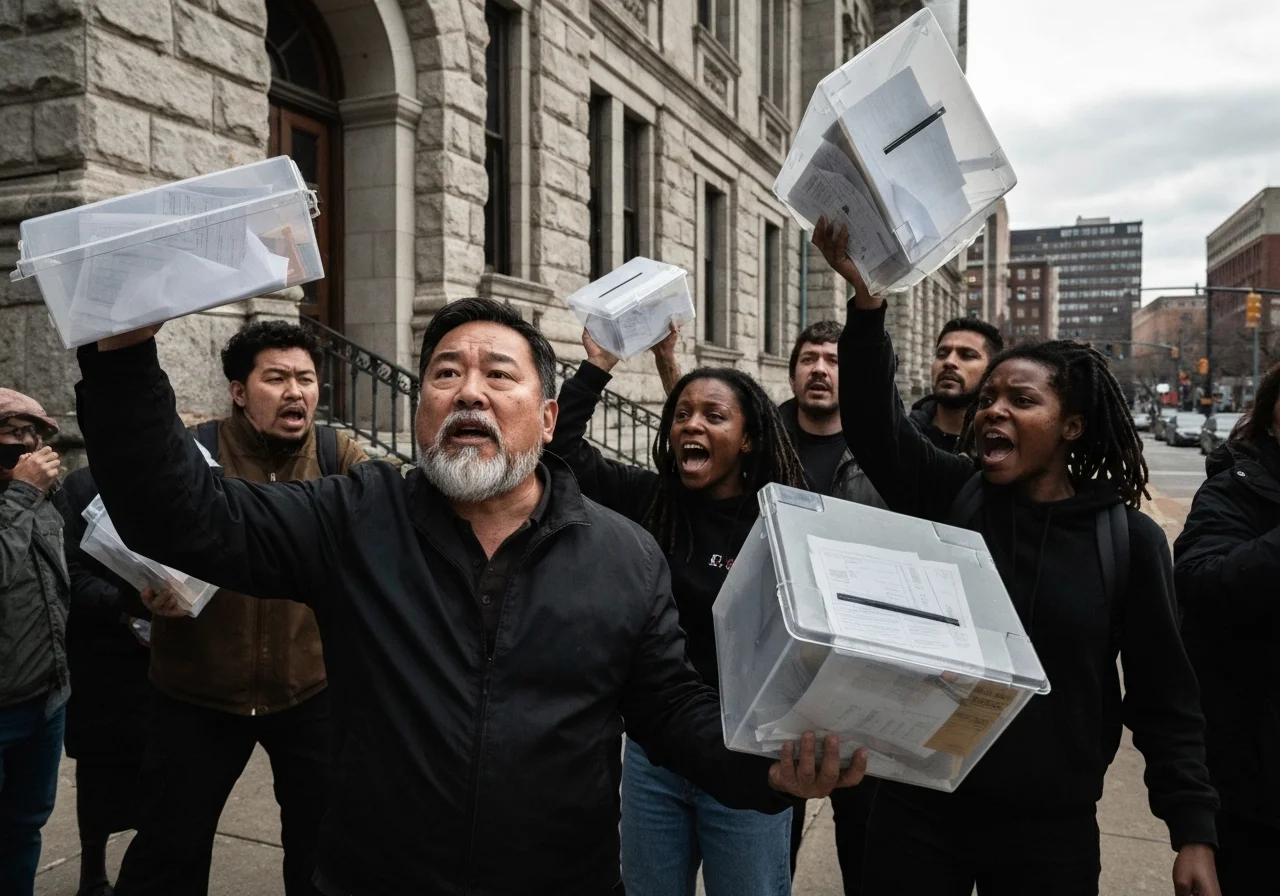
The numbers tell a messy story—Biya's camp flashing a 53.7% win like a GAAP-compliant balance sheet, while the opposition's 54.8% counterclaim reads like aggressive revenue recognition. This isn't just spreadsheet warfare; it's systemic credibility decay playing out in real time. The Constitutional Council's dismissal of parallel tabulations mirrors an auditor ignoring material misstatements. When 10 petitions alleging malpractice get tossed faster than a bad earnings report, you've got a textbook case of institutional short selling of public trust.
Historical context of prolonged rule
Biya's 43-year tenure makes even the most entrenched corporate CEOs look like interim hires. The 2008 term limit abolition was his equivalent of a poison pill—a governance maneuver that'd make any activist investor blanch. At 92, he's essentially the Berkshire Hathaway of African autocrats—no succession plan, no clear exit strategy, just compounding control. The violent protests in Garoua and Douala? That's the market correcting for overvaluation of political stability.
Deadly clashes in urban centers
Four lives lost in Douala isn't just a body count—it's the human cost of political illiquidity. Security forces clamping down near opposition strongholds resembles a hostile takeover defense gone kinetic. These aren't random volatility spikes; they're the predictable crashes when you've artificially suppressed dissent like an overleveraged balance sheet.
Economic and social repercussions
Yaoundé's "graveyard silence" after results dropped? That's the sound of a nation's risk premium spiking. Business closures and shuttered schools aren't temporary impairments—they're write-offs of social capital. With 31% youth unemployment, Cameroon's demographic dividend is looking more like a distressed asset every day.
Public discontent with political stagnation
The northern motorcycle brigades aren't just protesters—they're living short positions against the status quo. When your leadership's average age rivals the S&P 500's oldest components, generational arbitrage becomes inevitable. Economic stagnation and corruption aren't bugs in this system—they're features of a governance model running on legacy code.
International scrutiny of electoral integrity
Ten dismissed petitions aren't due process—they're regulatory capture in HD. The CPDM's dismissal of opposition tallies would make even the most compromised audit committee blush. When your judicial system treats electoral challenges like toxic assets, international observers aren't just watching—they're recalculating your political risk metrics in real time.
Cameroon's Democratic Crossroads
The divergence between official results and opposition claims isn't just math—it's the political equivalent of creative accounting. Biya's potential centenarian rule isn't stability—it's governance by zombie company logic. And those northern motorcycle brigades? They're the vanguard of a demographic put option that's finally in the money.
References


Get Daily Event Alerts for Companies You Follow
Free: Register to Track Industries and Investment Opportunities