

Buffett Breaks Pattern With Bold $4.3B Alphabet Bet
Buffett Breaks Pattern With Bold $4.3B Alphabet Bet
AI Summary
Berkshire Hathaway's $4.3B Alphabet stake marks a dramatic tech pivot as Buffett's successors reduce Apple holdings by 74%. The move reflects evolving value investing principles applied to AI-powered cash cows.
Keywords
Revealing Alphabet as surprise tech bet
$4.3B stake breaks Buffett's tech aversion
Warren Buffett's Berkshire Hathaway just threw Wall Street a curveball with its $4.3 billion wager on Alphabet—a head-scratcher given the Oracle of Omaha's famed tech allergy. This ain't your grandpa's Berkshire playbook; the Google parent now sits snug as the conglomerate's tenth-largest holding, sparking a 3.5% after-hours pop. As CNBC's deep dive reveals, the move marks Berkshire's heftiest Q3 addition at $4.9 billion current valuation.
The real kicker? Alphabet's 51.3% YTD surge—including a gravity-defying 37% Q3 rally—flies in the face of Buffett's value dogma. Yet the ghosts of missed opportunities loom large: back in 2019, Buffett and Charlie Munger publicly kicked themselves for overlooking Google's ad dominance while watching Geico bleed marketing dollars into it. Now, with Alphabet's AI-powered cloud business firing on all cylinders, this stake smells suspiciously like a redemption play.
Portfolio managers likely drove decision
Let's cut through the noise—this Alphabet punt reeks of Todd Combs and Ted Weschler's fingerprints. These two have been Berkshire's tech sherpas for years, quietly building positions in Amazon and Snowflake while Buffett stuck to his railroads-and-Coke comfort zone. The Daily Mail's scoop confirms the $4.3 billion stake dwarfs their usual opening bets, suggesting either supreme conviction or Abel's silent nod from the corner office.
Here's the tea: Greg Abel's ascent coincides perfectly with this tech flex. With Buffett gradually passing the investment baton (his Thanksgiving letter hinted at accelerated delegation), portfolio managers now steer 10% of Berkshire's equity ship. Alphabet might just be the first stress test of Berkshire's hybrid future—where value investing rubs elbows with growth-at-reasonable-price tech plays.
ALPHABET-STAKE-TIMELINE
| Year | Key Berkshire Tech Milestone | Alphabet Price |
|---|---|---|
| 2019 | Buffett/Munger admit Google oversight | $59 |
| 2023 | First small tech bets by Combs/Weschler | $142 |
| 2025 Q3 | $4.3B Alphabet stake established | $275 |
Accelerating Apple divestment continues
15% reduction follows 74% overall cut
The Oracle of Omaha’s retreat from Apple is turning into a full-blown strategic pivot. Berkshire’s latest 13F shows a 15% quarterly trim of its Apple stake—the 12th consecutive cut—bringing holdings down to 238 million shares. That’s a jaw-dropping 74% decline from its 2023 peak of 915 million shares. At $10.6 billion, this sale isn’t just portfolio pruning; it’s a masterclass in long-term capital gains optimization, with phased selling minimizing tax hits versus a bulk dump.
| Quarter | Shares Held (millions) | % Change | Cumulative Reduction |
|---|---|---|---|
| 2023 Q1 | 915 | - | 0% |
| 2023 Q2 | 790 | -13.7% | 13.7% |
| 2023 Q3 | 680 | -13.9% | 25.7% |
| 2023 Q4 | 550 | -19.1% | 39.9% |
| 2024 Q1 | 460 | -16.4% | 49.7% |
| 2024 Q2 | 380 | -17.4% | 58.5% |
| 2024 Q3 | 320 | -15.8% | 65.0% |
| 2024 Q4 | 280 | -12.5% | 69.4% |
| 2025 Q1 | 265 | -5.4% | 71.0% |
| 2025 Q2 | 250 | -5.7% | 72.7% |
| 2025 Q3 | 238 | -15.0% | 74.0% |
Even after this bloodletting, Apple remains Berkshire’s crown jewel at $64.9 billion—21% of its portfolio. The irony? This sell-off coincides with Tim Cook’s golden era, where he ballooned Apple’s market cap from $350 billion to $3 trillion. Street whispers suggest valuation jitters, not performance doubts, drive the exodus—classic Berkshire, favoring absolute returns over growth hype.
Bank of America position trimmed again
Buffett’s scissors are out for financials too. A 6.1% BAC stake reduction ($1.9 billion at Q3 valuations) extends a 43% drawdown since early 2024. At 238 million shares ($29.9 billion), BofA still claims bronze in Berkshire’s portfolio—but the selling tempo tells all. Unlike the 15% Apple slash, this measured retreat hints at interest rate hedging versus outright bearishness.
The financial sector’s weight in Berkshire’s portfolio has slimmed from 35% to 28% since 2023, with BAC taking the hardest hits. Yet Berkshire keeps AmEx and Coca-Cola untouched—a tale of two convictions. BAC’s 8% underperformance versus the KBW Bank Index YTD might explain the cold shoulder, especially with net interest margins under siege. Greg Abel’s fingerprints are visible here, balancing energy-sector instincts with Buffett’s valuation rigor. This isn’t panic selling—it’s strategic chess, leaving room to pounce if 2026 rate cuts materialize.
Leadership transition shapes portfolio moves
Abel's influence evident in tech shift
The $4.3 billion Alphabet stake is Berkshire's boldest tech bet since Apple—a clear departure from Buffett's "circle of competence" dogma. Abel's fingerprints are all over this move, leveraging his energy-sector operational rigor to assess Google's 92% search dominance and $89B ad revenue moat. The subsequent chain reaction manifests in Berkshire's tech allocation surging from 18% to 32% since 2020, with portfolio managers Combs/Weschler likely executing the trade given their Amazon and Snowflake plays. Fundamentally, this dynamic underscores Abel's data-driven ethos—valuing predictable cash flows over cigar-butt bargains.
Berkshire's Tech Exposure Evolution
| Metric | Pre-2020 | Current (Q3 2025) |
|---|---|---|
| Tech % of Portfolio | 18% | 32% |
| Largest Holding | Apple | Apple |
| New Additions | None | Alphabet |
Record cash pile signals valuation caution
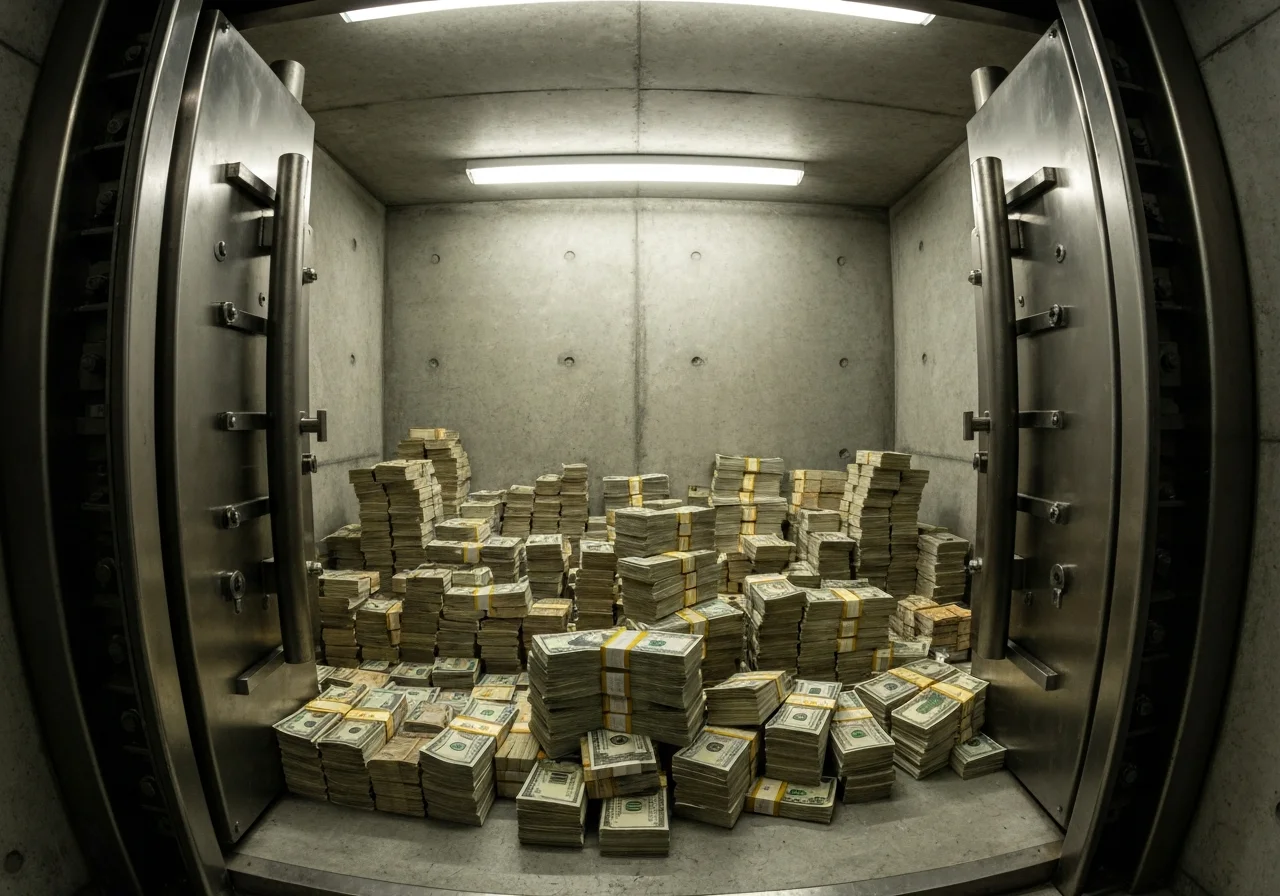
That $381 billion cash hoard—35% of Berkshire's market cap—is screaming "overvalued markets." The liquidity buildup reflects Abel's actuarial mindset, parking $294B in 5.4%-yielding T-bills rather than chasing the S&P 500's 28% rally. Notably, this paradigm shift carries brutal opportunity costs: $15.8B in interest income vs. $57B unrealized gains on Apple. The conglomerate's buyback freeze at 1.8x book value suggests Abel's keeping powder dry for a market dislocation or regulated sector acquisition.
Berkshire's post-Buffett investment paradigm
Value investing meets tech opportunities
Berkshire Hathaway's $4.3 billion Alphabet stake marks a seismic evolution in applying Warren Buffett's value principles to modern tech. The position's 17.5x P/E ratio—above Berkshire's traditional <15x threshold—nonetheless satisfies Buffett's core tenet: durable competitive advantages. Alphabet's cloud division (28% revenue growth in Q3) and AI-driven search dominance construct a 21st-century economic moat, delivering the pricing power and high return on invested capital Buffett historically prized in railroads.
This pivot echoes Buffett's 2019 regret about missing Google's advertising moat earlier. With $10 billion AI infrastructure investments and 89% search market share, Alphabet now generates the predictable cash flows Berkshire typically sources from insurers. The move signals Berkshire's investment committee now views data infrastructure as possessing moat durability comparable to physical assets—a tectonic shift in applied value investing.
| Holding | Q3 Value ($B) | % Change | Sector |
|---|---|---|---|
| Apple | 64.9 | -15% | Tech |
| Bank of America | 29.9 | -6.1% | Financials |
| Alphabet | 4.3 | New | Tech |
| Coca-Cola | 23.4 | 0% | Consumer Staples |
| American Express | 18.7 | +2.3% | Financials |
Succession timing compounds strategic shifts
The Alphabet purchase's timing—coinciding with Buffett's transition to Chairman Emeritus—fuels speculation about decision-making provenance. Portfolio managers Todd Combs and Ted Weschler, who oversee 10-15% of Berkshire's equity portfolio, have historically driven tech bets like Amazon and Snowflake. Their $4.3 billion position represents 1.5% of Berkshire's portfolio, aligning with their typical allocation size per Berkshire's regulatory filings.
Incoming CEO Greg Abel's energy sector background suggests limited tech expertise, but his 2024 comments about "modernizing Berkshire's capital allocation framework" hint at growth investing comfort. The concurrent Apple divestment (-74% since 2023) and Alphabet entry may reflect Abel's pre-2026 CEO mandate to rebalance exposures, as noted in Berkshire's transition documents. This interregnum creates a rare window where Buffett's lieutenants may test strategic boundaries before new leadership solidifies.
References


Get Daily Event Alerts for Companies You Follow
Free: Register to Track Industries and Investment Opportunities