

Can Boeing Regain Trust? FAA Loosens 737 Max Production Limits
Can Boeing Regain Trust? FAA Loosens 737 Max Production Limits
AI Summary
The FAA's decision to raise Boeing's 737 Max production cap to 42 units monthly follows 18 months of stringent safety audits. This conditional approval reflects improved quality controls but maintains enhanced oversight, balancing growth with aviation safety imperatives.
Keywords
Regulatory Decision on Production Limits
FAA lifts 737 Max output restrictions
The Federal Aviation Administration's (FAA) decision to raise Boeing's 737 Max production cap from 38 to 42 monthly units marks a watershed moment for the embattled manufacturer. This 10.5% capacity bump—the first meaningful loosening of restrictions since the infamous Alaska Airlines door plug incident—signals cautious regulatory confidence in Boeing's retooled quality controls.
Notably, the FAA maintained its direct production monitoring program, embedding inspectors like financial auditors inside Renton's assembly lines. The phased approval suggests regulators remain wary of repeating 2024's mistakes, when torque verification lapses nearly grounded Boeing's cash cow.
Safety review process preceding approval
Before greenlighting higher output, FAA teams conducted forensic-level audits worthy of forensic accountants—validating digital traceability systems and workforce training protocols. The agency's 18-month review process specifically targeted bolt-torque procedures, the Achilles' heel in the NTSB's door plug investigation.
As CNBC's regulatory team reported, Boeing had to demonstrate supplier quality controls akin to a just-in-time inventory system before earning back trust. This surgical approach reflects aviation regulators' new paradigm: treat production lines like balance sheets—every decimal matters.
BOEING-CAP-CHANGES
| Period | Monthly Cap | Key Trigger Event |
|---|---|---|
| Jan 2024 | 38 | Alaska Airlines door plug failure |
| Q2 2024 | 38* | Machinists' strike (8-week disruption) |
| Oct 2025 | 42 | FAA safety audit completion |
*Actual production fell below cap during strike period
Boeing's Manufacturing Challenges
Impact of 2024 Alaska Airlines incident
The Alaska Airlines door plug debacle in January 2024 wasn't just another PR nightmare for Boeing—it was a regulatory earthquake. When that 737 Max 9 shed its door plug like a snake shedding skin, it exposed more than just missing bolts; it revealed systemic cracks in Boeing's quality control armor. The NTSB's forensic teardown showed assembly line documentation had more holes than Swiss cheese, triggering an immediate FAA production freeze at 38 jets monthly. This wasn't just about one faulty door—it was about restoring shattered confidence after the 2018-2019 Max crashes.
Boeing's Renton plant became ground zero for what happens when production speed trumps precision. The $3.1 million in proposed fines between late 2023 and early 2024 was just the financial tip of the iceberg—the real cost was in lost trust. The FAA's subsequent safety audit mandate forced Boeing to rebuild its processes brick by brick, proving that in aviation, shortcuts always circle back to bite you.
737max-safety-events
<div data-table-slug="737max-safety-events">| Event Date | Incident Description | Regulatory Response |
|---|---|---|
| Oct 2018 | Lion Air Flight 610 crash (189 fatalities) | Global 737 Max grounding |
| Mar 2019 | Ethiopian Airlines Flight 302 crash (157 fatalities) | FAA assumes certification authority |
| Jan 2024 | Alaska Airlines door plug blowout | Production capped at 38/month |
| Oct 2025 | FAA approves production increase to 42/month | Maintains enhanced oversight |
Operational disruptions affecting output
While regulators were tightening the screws, Boeing's production lines were getting squeezed from all sides. The 2024 machinists' strike wasn't just about paychecks—it was a full-blown mutiny against what workers saw as corner-cutting culture. For eight grueling weeks, IAM 751's walkout turned Boeing's delivery schedules into fiction, proving that even the most sophisticated aerospace supply chain is only as strong as its weakest human link.
Then came the supplier domino effect. Spirit AeroSystems and other vendors became bottlenecks in Boeing's recovery pipeline, caught between Boeing's quality demands and their own operational realities. Even after hitting the 38-jet monthly ceiling in 2025, Boeing's actual output limped along at 31 planes for most of 2024—a stark reminder that in aerospace manufacturing, theoretical capacity and real-world throughput are often worlds apart. The painstaking ramp-up strategy that finally earned FAA approval wasn't glamorous, but it proved slow and steady sometimes does win the race.
Aviation Safety Oversight Framework
FAA's enhanced monitoring protocols
The Federal Aviation Administration isn't taking its foot off the gas when it comes to Boeing oversight, even as it greenlights a 10.5% production bump for the 737 Max. Behind the scenes, FAA safety inspectors have been crawling over Boeing's production lines like forensic accountants auditing a dodgy balance sheet. Their verdict? Manufacturing processes finally meet the stability threshold to justify increasing output from 38 to 42 jets monthly—but with strings attached.
This isn't your grandfather's regulatory approval. The FAA has deployed a trifecta of surveillance tools:
- Boots-on-the-ground inspectors conducting surprise factory raids
- Blockchain-level component tracking across the aerospace supply chain
- Zero-tolerance anomaly reporting protocols
Crucially, this production hike doesn't dilute the enhanced oversight framework born from the 2024 Alaska Airlines door plug debacle. Special inspection teams remain embedded at Boeing facilities like internal auditors in a post-Enron corporation.
Boeing's regained certification authority
After six years in regulatory purgatory, Boeing just scored its equivalent of an investment-grade credit rating—the reinstatement of final safety inspection privileges for 737 Max aircraft. The FAA had seized these rights in 2019 following the Lion Air and Ethiopian Airlines tragedies, marking the most aggressive regulatory intervention since the DC-10 grounding.
BOEING-CERTIFICATION-EVENTS
| Date | Regulatory Action | Significance |
|---|---|---|
| Mar 2019 | FAA assumes 737 Max certification authority | Response to Lion Air/ET302 crashes |
| Jan 2024 | Production cap imposed (38/month) | Door plug blowout incident |
| Sep 2025 | Final inspection privileges restored | After 18-month quality control review |
| Oct 2025 | Production limit increased to 42/month | Conditional approval with oversight |
The reinstatement follows Boeing's implementation of revised quality management systems—think Sarbanes-Oxley for aircraft manufacturing. But here's the fine print: the FAA keeps a revocation trigger finger poised like a hawkish Fed chair ready to hike rates at the first sign of inflation.
Executive assurances to lawmakers
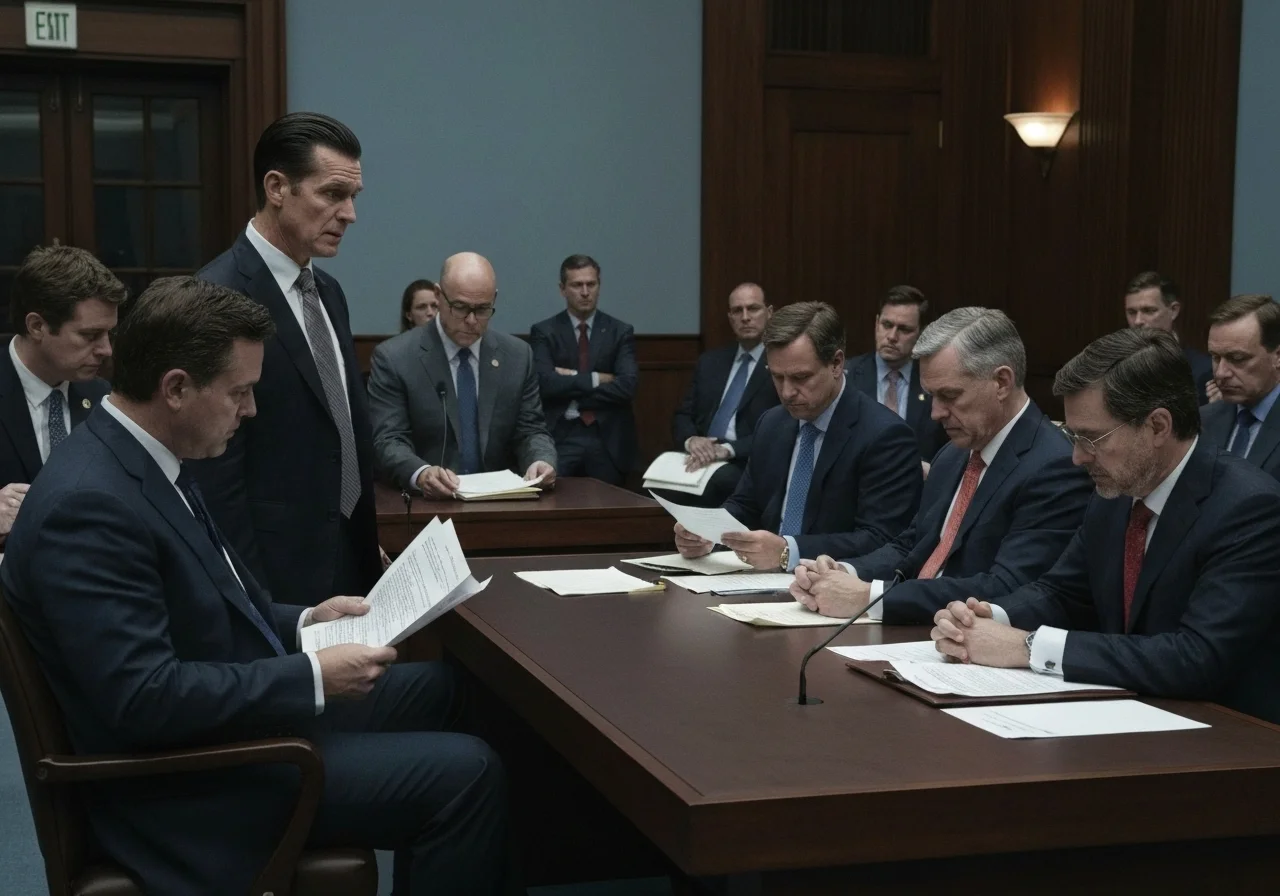
Let’s cut through the corporate speak—Boeing’s CEO Kelly Ortberg wasn’t just testifying to Congress; he was playing defense in a high-stakes credibility game. Under oath, Ortberg pledged a "disciplined process" for production increases, essentially telling lawmakers, "We won’t chase output numbers if the system isn’t ready." (Source: Japan Today). This came after the Alaska Airlines door plug debacle exposed gaping holes in Boeing’s quality control—both literally and figuratively.
The FAA’s nod to boost 737 Max production from 38 to 42 monthly jets suggests regulators bought into Boeing’s operational fixes. But let’s be real: this isn’t a full trust restoration. Enhanced oversight remains, and for good reason. The aviation giant’s balancing act between Wall Street’s growth demands and Main Street’s safety concerns is still wobbling.
Financial implications of safety violations
That $3.1 million FAA fine? Pocket change for Boeing’s $77.6 billion revenue machine. But here’s the kicker: the real damage lurks in the shadows of reputational erosion and investor jitters. As The Associated Press reported, the Alaska Airlines incident triggered a six-month sector underperformance of 18%—a clear market verdict on systemic risks.
Safety lapses don’t just drain cash; they throttle future revenue. Think deferred orders, pricier compliance audits, and a brand equity hangover that lingers. Boeing’s financials now carry an invisible line item: "Cost of lost trust." And unlike regulatory fines, that tab keeps compounding.

Aviation Industry's Quality Control Crossroads
Manufacturing Scalability vs. Safety Compliance
The aviation sector's perennial tug-of-war between scaling production and maintaining ironclad safety standards has reached a critical inflection point. The FAA's greenlight for Boeing to ramp up 737 Max output to 42 monthly units—a 10.5% hike—comes with more strings attached than a marionette show. Following rigorous manufacturing audits, regulators essentially said: "Produce more, but we'll be watching like hawks." The ghost of the Alaska Airlines door plug debacle still haunts Boeing's factories, serving as a $3.1 million reminder (via FAA fines) that quality shortcuts carry existential risks.
Regulatory Oversight in High-Velocity Production
FAA Administrator Mike Whitaker's move resembles a parent giving car keys to a teenager—but installing a dashcam. The agency's enhanced surveillance framework creates a fascinating duality: Boeing regains final inspection privileges while operating under what amounts to regulatory probation. CEO Kelly Ortberg's Senate testimony about "stable production systems" wasn't corporate speak—it was survival strategy. The aviation supply chain's delicate ecosystem, where machinist strikes can ripple into part shortages, makes this balancing act more precarious than walking a tightrope during turbulence.
Financial Implications of Safety-Centric Operations
Here's the billion-dollar equation: 48 additional annual jets at $75 million apiece equals $3.6 billion in potential revenue—enough to make any CFO salivate. But Boeing's public safety pledge reveals the new math where reputational capital outweighs short-term gains. Those FAA fines? Just 0.2% of the revenue upside, but the real cost lives in airline boardrooms deciding future fleet orders. The FAA's insistence on maintaining onsite inspectors—even during government shutdowns—sends an unmistakable signal: In today's aviation landscape, safety isn't a cost center; it's the entire balance sheet.
The paradigm shift from throughput obsession to quality worship is rewriting aviation's operating manual. As Boeing's experience demonstrates, in an industry where trust takes years to build and seconds to lose, the most expensive component isn't titanium—it's credibility.
References


Get Daily Event Alerts for Companies You Follow
Free: Register to Track Industries and Investment Opportunities