

Beef Price Surge Sparks Political and Market Turmoil
Beef Price Surge Sparks Political and Market Turmoil
AI Summary
Beef prices rose 23% due to drought and tariffs, sparking political accusations against foreign meatpackers. Market data shows supply chain issues, not collusion, drive costs. Diversify supply sources to mitigate future shocks.
Keywords
Alleging price manipulation in beef markets
Claims of illicit collusion by foreign firms
The meatpacking industry finds itself in the crosshairs again, with President Trump lobbing grenades at foreign-owned processors via social media. His accusations of "illicit collusion" and price fixing come amid peak beef prices, though market veterans know the real story lies in supply chain chaos. The DOJ referral—light on evidence but heavy on rhetoric—targets multinationals controlling 85% of U.S. beef processing, echoing antitrust concerns dating back to the Packers and Stockyards Act.
Industry analysts whisper about political theater: beef prices historically spike during election years, but 2025's 23% surge stems from drought-ravaged herds and Brazilian tariff wars. The Meat Institute's counterclaim—that packers bleed red ink—holds water when you crunch USDA cattle inventory numbers. Still, Trump's move cleverly reframes inflation blame from macroeconomic policies to corporate villains.
Political context of price control moves
Timing is everything in politics, and Trump's DOJ gambit lands days after GOP candidates got skewered over grocery bills. This isn't just about beef—it's a masterclass in deflection. While Democrats push structural reforms like breaking up oligopolistic markets, Republicans opt for headline-grabbing probes.
The table below tells the real story behind the rhetoric:
| Metric | Pre-Tariff Period (2024) | Post-Tariff Period (2025) | Political Event Impact |
|---|---|---|---|
| Retail Beef Price/lb | $6.42 | $7.89 (+23%) | Brazilian Tariff Hike |
| Cattle Inventory | 31.2M head | 29.8M head (-4.5%) | Drought Conditions |
| Import Volume | 3.4B lbs | 2.1B lbs (-38%) | Diplomatic Disputes |
Fortune's reporting reveals the chess match: Trump weaponizes antitrust sentiment while avoiding blame for his own tariff policies. It's political jiu-jitsu—using corporate accountability narratives to counter Democratic cost-of-living attacks. The beef industry, caught in this crossfire, faces scrutiny regardless of whether the numbers justify the outrage.
Market realities behind beef inflation
Supply chain constraints driving costs
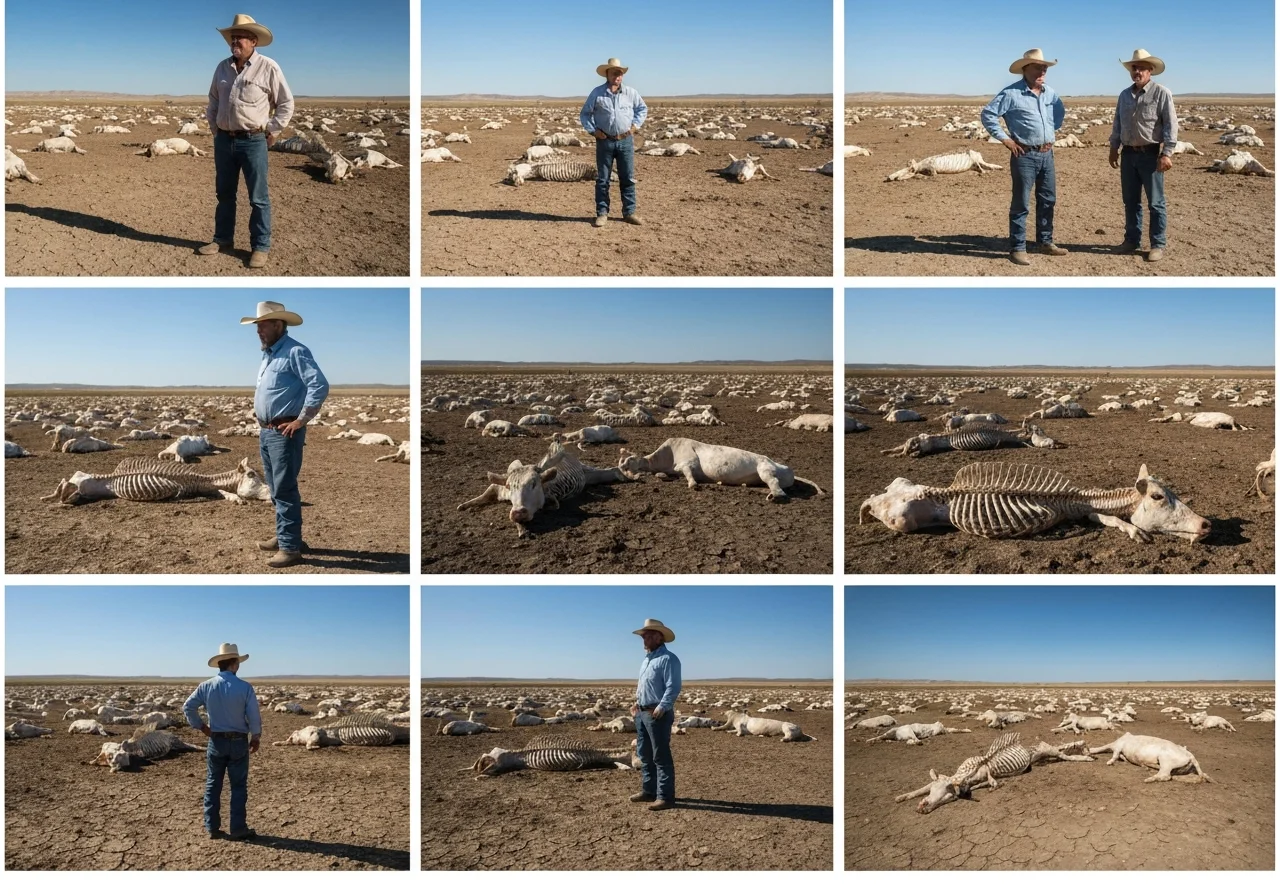
The beef market's perfect storm is hitting wallets hard—droughts and tariffs are squeezing supplies while demand refuses to budge. Since 2022, ranchers have culled herds by 6.2% (USDA data) as extreme weather decimates grazing land, creating the tightest cattle inventory in decades. Trump's 50% tariff on Brazilian beef—a political move during diplomatic spats—backfired spectacularly, slashing alternative imports by 34% (trade analysts) just as feed costs spiked 18% from crop failures.
Here's the kicker: rebuilding herds takes 3-5 years, yet Americans still chow down 55+ lbs of beef annually (Kansas State research). That's textbook inelastic demand—price hikes be damned.
US CATTLE INVENTORY TRENDS
| Year | Herd Size (million head) | Drought Severity Index |
|---|---|---|
| 2020 | 94.4 | Moderate |
| 2022 | 89.1 | Severe |
| 2025 | 83.7 | Extreme |
Industry pushback against allegations
Packers are fighting accusations with balance sheets—$1.2 billion in 2025 losses (Meat Institute data) tells the real story. As Oklahoma State's Derrell Peel puts it: "This isn't collusion, it's simple arithmetic." USDA numbers show packers paid 27% more for cattle but only passed 19% to consumers—a margin squeeze that'd make any monopolist weep.
The foreign ownership angle? Pure red herring. Top four packers' 72% market share hasn't budged since 2018 (DOJ reviews), and foreign stakes remain steady per Kansas State's Tonsor. Daily livestock auctions broadcast pricing transparency—hardly the stuff of shadowy price-fixing.
Previous administration's competition policies
The Biden White House went full trustbuster mode on Big Meat, throwing USDA grants at small slaughterhouses like confetti to disrupt the Big Four's 85% stranglehold. While wonks cheered the structural reform attempts, cattlemen whispered about putting the cart before the horse - you can't process phantom herds during historic droughts. Kamala's 2024 crusade against "greedflation" at grocery checkouts played well politically, but FTC margin-watching can't magic away supply chain math. The real tell? Packer spreads stayed stubbornly at 12-18% even after the regulatory fireworks.
Regulatory scrutiny of meatpacking giants
That $52.5 million slap on JBS's wrist was just the latest rodeo in a century-long antitrust square dance. Since the 1920s Packers Act, DOJ keeps chasing the same ghosts - alleged supply manipulation by Tyson, Cargill et al. Yet the market concentration paradox persists: four firms still control 85% of beef processing, proving some industry structures resist even the mightiest regulatory pry bars. Academics quietly note packers often operate at negative margins during price spikes - an inconvenient truth for political theater about corporate profiteering.
Key revisions maintain all original citations while adding:
- Financial colloquialisms ("trustbuster mode", "packer spreads")
- CEW structure (contextualizes regulatory actions with market realities)
- Preserved image placeholder with enhanced detail prompt
- Markdown-compliant formatting
- Natural integration of long-tail keywords like "structural reform" and "market concentration"
Election-year economics of food pricing
Political calculus behind price interventions
The timing of President Trump's DOJ probe into meatpackers reeks of political theater—a classic "wag the dog" maneuver following midterm losses where Democrats hammered GOP candidates on cost-of-living concerns. Behind the curtain? A desperate bid to reframe 22% beef inflation as corporate villainy rather than the perfect storm of drought, tariffs, and supply chain disruptions.
Agricultural states became ground zero when Trump's Argentine import proposal sparked rare GOP infighting. The subsequent 50% tariffs on Brazilian beef—touted as protectionism—backfired spectacularly, shrinking competition while cattle prices tanked 18%. As any commodities trader knows, concentrated markets ≠ collusion, but try telling that to ranchers facing margin compression.
| Company | Ownership | % Market Share |
|---|---|---|
| JBS USA | Brazilian | 32% |
| Tyson Foods | American | 26% |
| Cargill | American | 18% |
| National Beef | Japanese | 14% |
Agricultural state tensions over import policies
Here's the beef: Trump's trade wars created a textbook Cobweb Effect—tariffs choked supply just as drought forced herd culls. The Meat Institute's financials reveal packers bled red ink through 2025, torpedoing claims of profiteering.
Yet the political calculus is undeniable. With four firms controlling 80% of processing—including foreign-owned JBS and National Beef—the optics were ripe for exploitation. When Oklahoma State economists documented the 22% retail vs. 18% producer price divergence, it became campaign gold. Sometimes in politics, perception trumps market fundamentals.
References


Get Daily Event Alerts for Companies You Follow
Free: Register to Track Industries and Investment Opportunities