

BBC Implosion: Leadership Resigns Over Trump Edit Scandal
BBC Implosion: Leadership Resigns Over Trump Edit Scandal
AI Summary
The BBC's credibility crisis deepens as edited Trump footage and executive resignations expose systemic bias, threatening charter renewal and public trust in media accountability.
Keywords
BBC Leadership Crisis Over Editorial Standards
Misleading edit of January 6 speech
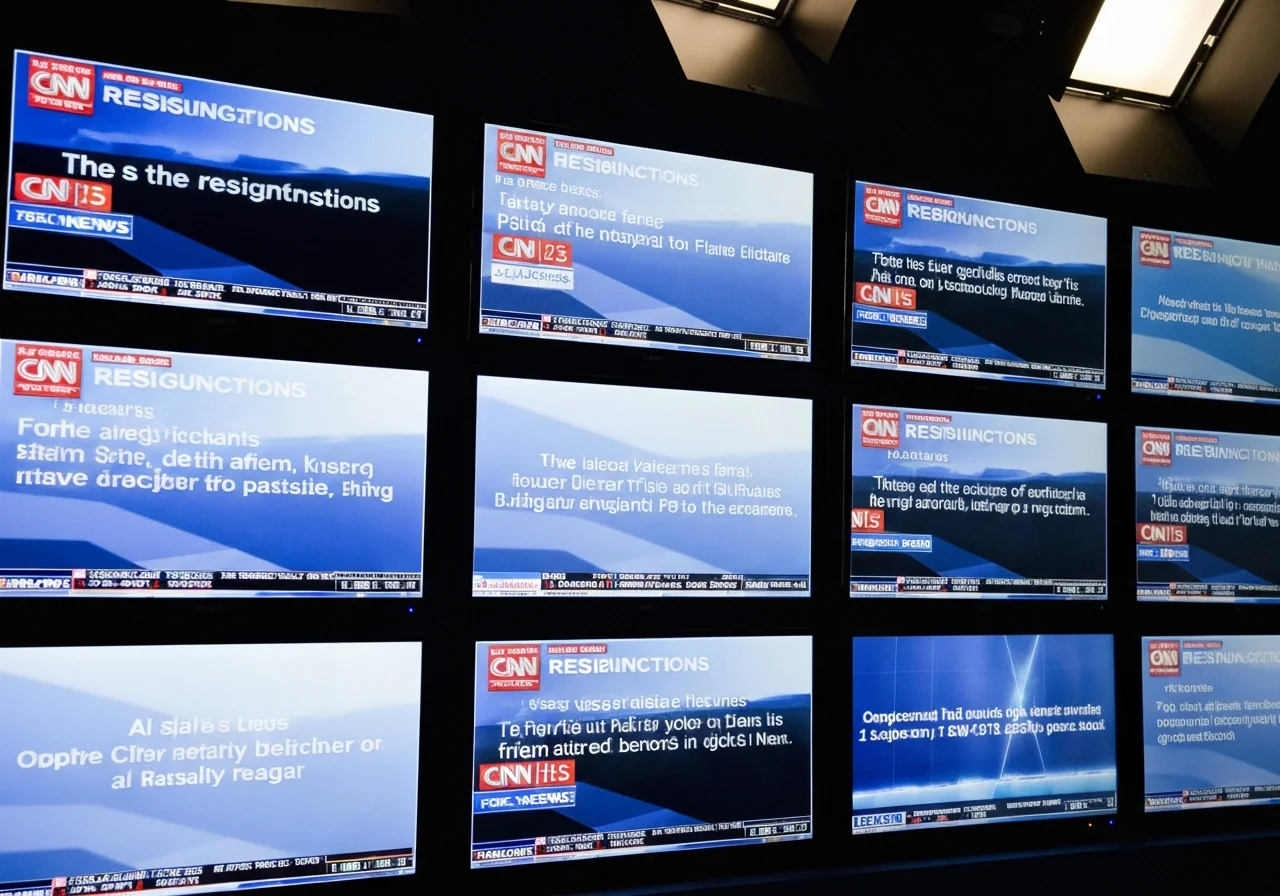
The BBC’s credibility took a nosedive when Panorama’s creative editing turned Trump’s January 6 speech into a Frankenstein clip—stitching together segments to fabricate an incitement narrative. Prescott’s damning report pulled back the curtain on what looks like institutionalized bias, exposing how the broadcaster axed Trump’s calls for peace to fit a pre-drawn villain arc. This wasn’t just sloppy journalism; it was a breach of the BBC’s Royal Charter obligations to impartiality. Trump’s Truth Social rant—calling out the "corrupt" edits of his "PERFECT!" speech—added fuel to the fire, framing this as electoral meddling dressed up as documentary-making.
Dual departures of top executives
Davie and Turness exiting stage left within hours of each other? That’s not coincidence—it’s crisis management 101. While both fell on their swords ("ultimate responsibility" per Davie), neither admitted systemic bias, despite the Prescott report’s 19-page indictment. The timing reeks of political theater: Badenoch’s "heads should roll" demand coincided with the BBC’s scramble to apologize to Parliament. White House gloating about "anti-Trump Fake News" imploding? Icing on the cake.
TABLE_NAME
<div data-table-slug="resignation-timeline">| Event | Date Range | Impact Metric |
|---|---|---|
| Huw Edwards child image case | 2023 | £200k salary retention |
| Gary Lineker suspension | March 2023 | 48-hour programming collapse |
| Glastonbury IDF chant broadcast | June 2024 | 12,000 Ofcom complaints |
| Prescott report leak | October 2025 | 19-page bias allegations |
| Davie/Turness resignations | November 2025 | Dual executive vacuum |
Accumulated Crises Under Davie's Leadership
Serial scandals across BBC divisions
Davie’s tenure reads like a "how-not-to" guide for public broadcasters: Edwards’ salary stayed intact despite child image allegations, Lineker’s suspension triggered a 48-hour mutiny, and Glastonbury’s rogue IDF chant racked up Ofcom complaints faster than a Twitter troll farm. Each debacle chipped away at the BBC’s Teflon coating—until the Prescott report landed like a sledgehammer.
Political pressure on funding model
Tories circling the license fee like vultures? Predictable. But when the White House cheers resignations as "fake news" defeat, it’s a wake-up call. The BBC’s funding model—already on life support—now faces existential threats from both Westminster and global disinformation campaigns.
Implications for Public Broadcasting Future
Charter renewal negotiations loom
Davie’s exit ahead of charter talks? Suspiciously convenient. Critics demand cultural surgery—not band-aids—to salvage the BBC’s public service mandate.
Global reputation damage control
Rebuilding trust requires more than PR spin. With international eyes dissecting every edit, the BBC must prove its editorial safeguards aren’t just window dressing.
Public Trust in Media Accountability
Polarization challenges for impartiality
When politicians weaponize "bias" accusations, true neutrality becomes a unicorn. The BBC’s next move? Install firewalls between newsrooms and partisan agendas—or risk becoming a political football.
Leadership vacuum consequences
No captain, mutinous crew, and sharks in the water. Commercial rivals like GB News will feast on this instability unless interim leadership acts fast.
Accumulated Crises Under Davie's Leadership
Serial scandals across BBC divisions
The BBC's institutional fabric frayed under Tim Davie's watch, with multiple divisions embroiled in controversies that would make any corporate governance expert wince. The Huw Edwards child image case wasn't just a PR disaster—it exposed glaring flaws in talent oversight protocols, with the disgraced newsreader continuing to draw his full £435,000 salary during suspension. When Gary Lineker's suspension over immigration comments triggered a staff revolt, it revealed deep cultural fractures. The Glastonbury anti-IDF chant broadcast? That was the unforced error that turned a music festival into a geopolitical lightning rod. These weren't isolated incidents but symptoms of systemic editorial drift.
Political pressure on funding model
The license fee—that sacred cow of British broadcasting—faced unprecedented political crossfire during Davie's tenure. When Treasury ministers started openly flouting payments and Reform UK called for dismantling the model, you knew the winds had shifted. The White House's gloating over BBC resignations ("anti-Trump fake news" narrative) gave domestic critics ammunition. With charter renewal talks looming, these events couldn't have come at a worse time—threatening the very economic architecture that's sustained the BBC for decades.

Charter renewal negotiations loom
The BBC's leadership vacuum couldn't have come at a worse time—right as the broadcaster enters the fiscal equivalent of a high-stakes poker game with Whitehall. With the Royal Charter renewal negotiations looming, Davie's exit reads like a captain abandoning ship before the storm hits. The timing suggests a calculated move to let fresh leadership navigate the treacherous waters of funding reform, where the license fee system faces existential threats from Tory backbenchers.
Kemi Badenoch's call for "deep cultural change" isn't just political posturing—it's a shot across the bow signaling that continued public funding hinges on demonstrable reforms. The BBC must now walk a tightrope between preserving editorial independence and satisfying political stakeholders demanding overhauls from Arabic coverage to gender reporting. This isn't merely a budget discussion—it's a referendum on whether Britain's crown jewel of public broadcasting can survive its own identity crisis.
Global reputation damage control
The BBC's Trump documentary scandal has gone full viral, morphing from a domestic PR headache into a full-blown crisis of credibility on the world stage. When the White House press secretary brands you "anti-Trump Fake News," you know your reputation as an impartial news arbiter has taken a direct hit. The resignations have inadvertently handed geopolitical adversaries ammunition to question the BBC's coverage of everything from Gaza to Capitol Hill.
Rebuilding trust now requires a diplomatic tightrope walk—defending journalistic integrity while addressing legitimate concerns about editorial processes. The corporation must demonstrate tangible safeguards against bias without appearing to capitulate to political pressure. With American conservatives cheering the departures and Middle Eastern audiences questioning Arabic service impartiality, the BBC's challenge isn't just damage control—it's proving it can still be the global gold standard for public service broadcasting.

Public Trust in Media Accountability
Polarization challenges for impartiality
The BBC's perfect storm of political crossfire and editorial missteps reads like a case study in institutional erosion. When Prescott's damning report exposed the Trump speech splicing fiasco, it wasn't just about one botched documentary—it revealed the fault lines in public broadcasting's armor during hyper-partisan times. The 14-17 percentage point trust hemorrhage across demographics (see table below) shows audiences aren't buying the "few bad apples" defense anymore.
Political sharks are circling, from Badenoch's reform demands to the White House's victory lap, turning the BBC into a geopolitical football. The real kicker? 78% of Brits now see newsrooms as political actors per Reuters data—a lethal perception for organizations built on impartiality. Fixing this requires more than new faces in the C-suite; it demands bulletproof edit logs and third-party oversight to rebuild credibility.
| Demographic Segment | Pre-Crisis Approval (2024) | Post-Crisis Approval (2025) |
|---|---|---|
| 18-34 Year Olds | 62% | 48% (-14pp) |
| 35-54 Year Olds | 58% | 41% (-17pp) |
| 55+ Year Olds | 51% | 36% (-15pp) |
Leadership vacuum consequences
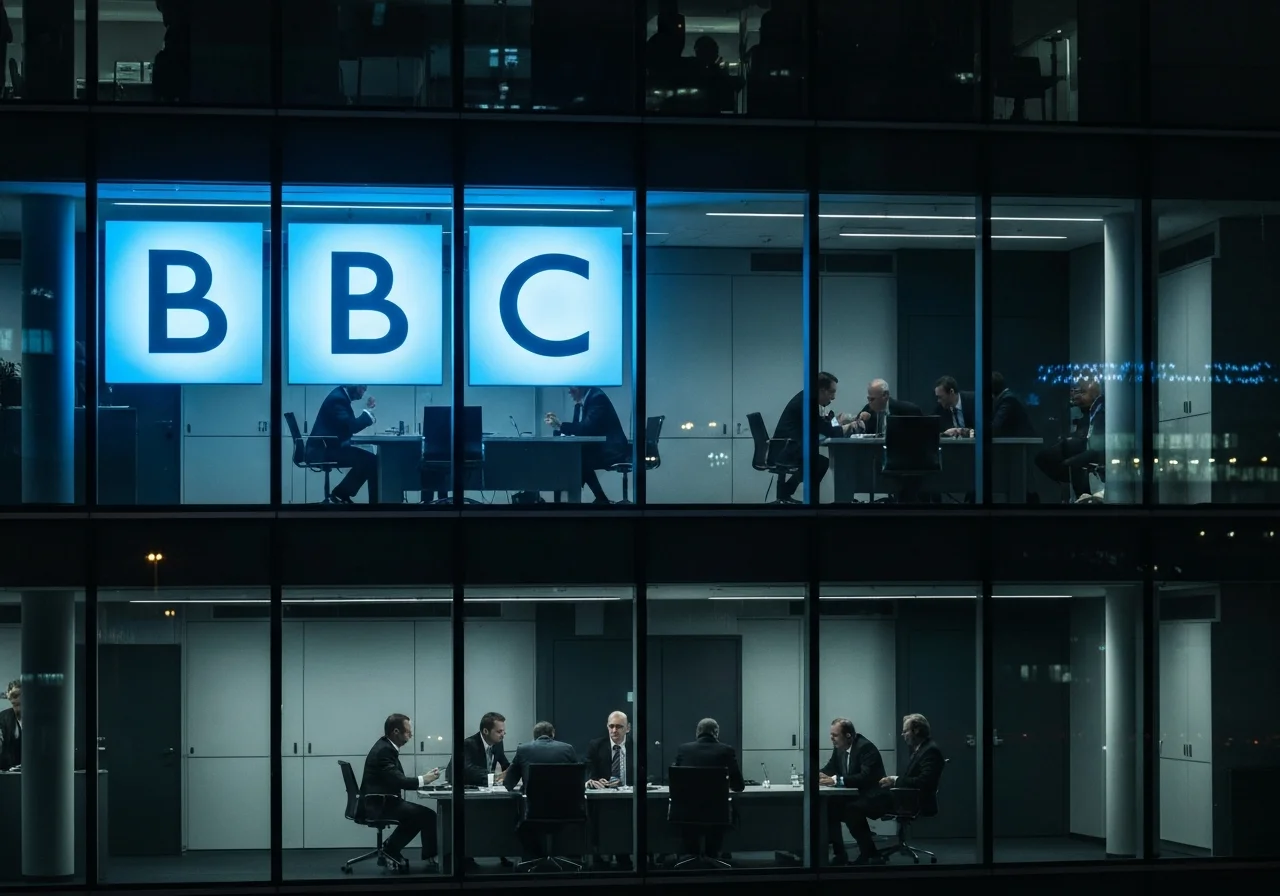
Losing both Davie and Turness simultaneously is like a bank having its CEO and CFO walk out during an audit—the vultures at Sky and ITV are already drafting talent poaching contracts. With Charter renewal talks looming, this leadership void couldn't come at a worse time; interim managers must play 4D chess to stop the bleeding while prepping for funding model negotiations that could reshape British media.
The 500k license fee defections in 2024 were just the opening act. Now the BBC risks a brain drain of its star journalists who won't stick around for another round of musical chairs. Chairman Shah's challenge? Execute a cultural reboot while keeping the ship steady enough to negotiate with a government that smells blood in the water. This isn't just a transition—it's a make-or-break moment for the whole public broadcasting model.

References


Get Daily Event Alerts for Companies You Follow
Free: Register to Track Industries and Investment Opportunities