
Will Australia's Social Media Age Ban Protect Teens or Backfire?
Will Australia's Social Media Age Ban Protect Teens or Backfire?
AI Summary
Australia's sweeping under-16 social media ban takes effect December 2024 with AU$50M penalties, forcing platforms to implement varied age verification methods while sparking debates on digital rights and safety trade-offs.
Keywords
Implementing Under-16 Account Ban
Key Platform Compliance Deadlines
Australia's sweeping social media age restriction policy kicks into high gear on December 10, 2024, with platforms facing a regulatory gauntlet of staggered deadlines and eye-watering penalties. Meta's preemptive strike—axing under-16 accounts on Facebook and Instagram five days early—contrasts sharply with YouTube's December 10 automated purge. The AU$50 million (US$33 million) penalty ceiling, as reported by ABC News, creates a compliance arms race, with TikTok's AI age estimation and Snapchat's basic birthdate checks representing the spectrum of verification rigor.
| Platform | Enforcement Start | Penalty Threshold | Verification Method |
|---|---|---|---|
| Facebook/Instagram | December 5, 2024 | AU$50M | Government ID/Video Selfie |
| YouTube | December 10, 2024 | AU$50M | Automated Sign-Out |
| TikTok | December 10, 2024 | AU$50M | Age Estimation AI |
| Snapchat | December 10, 2024 | AU$50M | Date of Birth Check |
The eSafety Commissioner's December 11 compliance notices will demand monthly termination reports—a transparency move that could reshape global youth digital access norms.
Age Verification Mechanisms Debate
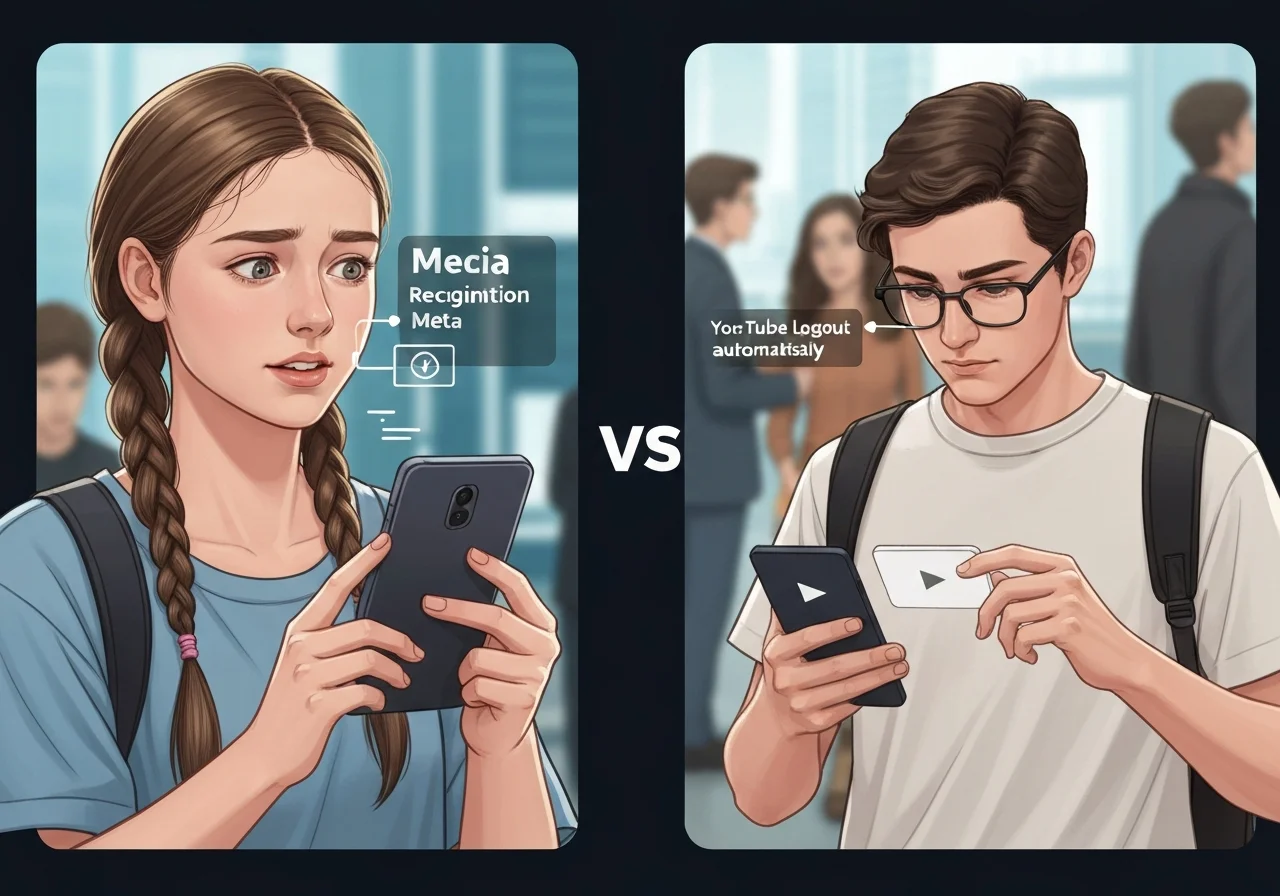
The verification methodology rift reveals a fundamental tech policy schism: Meta's biometric deep dive via Yoti's government ID checks versus Google's hands-off metadata approach. The Hindu exposes the human impact—325,000 YouTube teens versus Snapchat's 440,000 casualties in the 13-15 demographic. Privacy hawks decry Meta's facial recognition as dystopian overreach, while child safety groups blast automated systems for the blind spots BBC highlights where parental controls get caught in the crossfire.
Industry Pushback and Legal Challenges
Platform Safety Feature Removal
The regulatory tug-of-war between YouTube and Australian authorities reveals deeper fissures in digital governance philosophy. While the platform warns about losing robust parental controls, the eSafety Commissioner's bombshell statistic—37% of young users encountering harmful content—paints a stark reality check. This isn't just about toggle switches in settings; it's a fundamental clash between Silicon Valley's self-regulation ethos and Canberra's prescriptive approach.
Communications Minister Anika Wells' "outright weird" dismissal of YouTube's concerns underscores the political stakes. The real rub? Whether stripping accounts truly protects kids or just pushes them into the digital wild west of logged-out browsing. Platforms argue they're being forced to choose between compliance and safety—a Hobson's choice with no clean solutions.
Pending High Court Injunction
The Digital Freedom Project's constitutional gambit could rewrite the playbook for digital rights litigation. Their argument—that access restrictions violate educational freedoms—mirrors emerging debates from Kuala Lumpur to Brussels. The SCMP's coverage hints at this case becoming the Roe v. Wade of youth digital access, with Minister Wells' "parental demand" justification facing scrutiny against international human rights frameworks.
What makes this legal showdown particularly messy? The compliance patchwork—from YouTube's nuclear option (auto-signouts) to Meta's ID verification—creates enforcement chaos during injunction proceedings. This isn't just about Australia's December 10 deadline; it's a stress test for democratic governance of digital spaces worldwide.
International Age Restriction Trends
The regulatory chessboard reveals starkly different opening moves—Australia’s brute-force 16+ mandate versus the EU’s finessed playbook blending age gates with digital literacy. While Canberra slams the door shut, Paris and Copenhagen are handing out metaphorical keys with training wheels. The eSafety Commissioner’s data exposes the law of unintended consequences: Australian teens aren’t logging off, they’re flocking to wild west platforms like Lemon8 and Yope, where downloads tripled post-ban. This regulatory arbitrage creates a perverse incentive—squeeze one platform, and risk pops up elsewhere like whack-a-mole.
Content Moderation Trade-offs
Australia’s AU$50 million hammer forces platforms into a devil’s choice: become de facto identity verifiers or face existential fines. Meta’s government-ID dragnet and Google’s mass logouts—325k accounts and counting per The Hindu—highlight the precision-scalability tradeoff. The real kicker? Monthly termination reports create a transparency theater where platforms must document their own failure to keep kids out.
| Country | Minimum Age | Verification Method | Penalty for Non-Compliance |
|---|---|---|---|
| Australia | 16 | Platform-determined | AU$50 million |
| France | 15 | Parental consent | €20 million |
| Denmark | 13 | School ID check | DKK 10 million |
| Malaysia (2026) | 16 | National registry | RM 5 million |
| New Zealand | 14 | Credit card check | NZ$3 million |
The penalty spread tells its own story—Australia’s fines could buy you France’s enforcement regime twice over with change left for croissants. Malaysia’s 2026 copycat move (SCMP) suggests Canberra’s hammer might become the region’s blueprint, for better or worse.
Platform Safety Feature Removal
Let’s cut through the noise—YouTube’s pushback against Australia’s under-16 ban isn’t just corporate posturing. The platform claims the policy will gut parental controls, nuking features like content filters and viewing history monitoring. But here’s the kicker: Australia’s eSafety Commissioner reports 37% of 10-15-year-olds encountered harmful content on YouTube—the highest among major platforms. Communications Minister Anika Wells isn’t buying YouTube’s argument, calling it "outright weird" to prioritize oversight tools over systemic fixes. This isn’t just a policy spat—it’s a clash between reactive moderation and proactive regulation.
Pending High Court Injunction
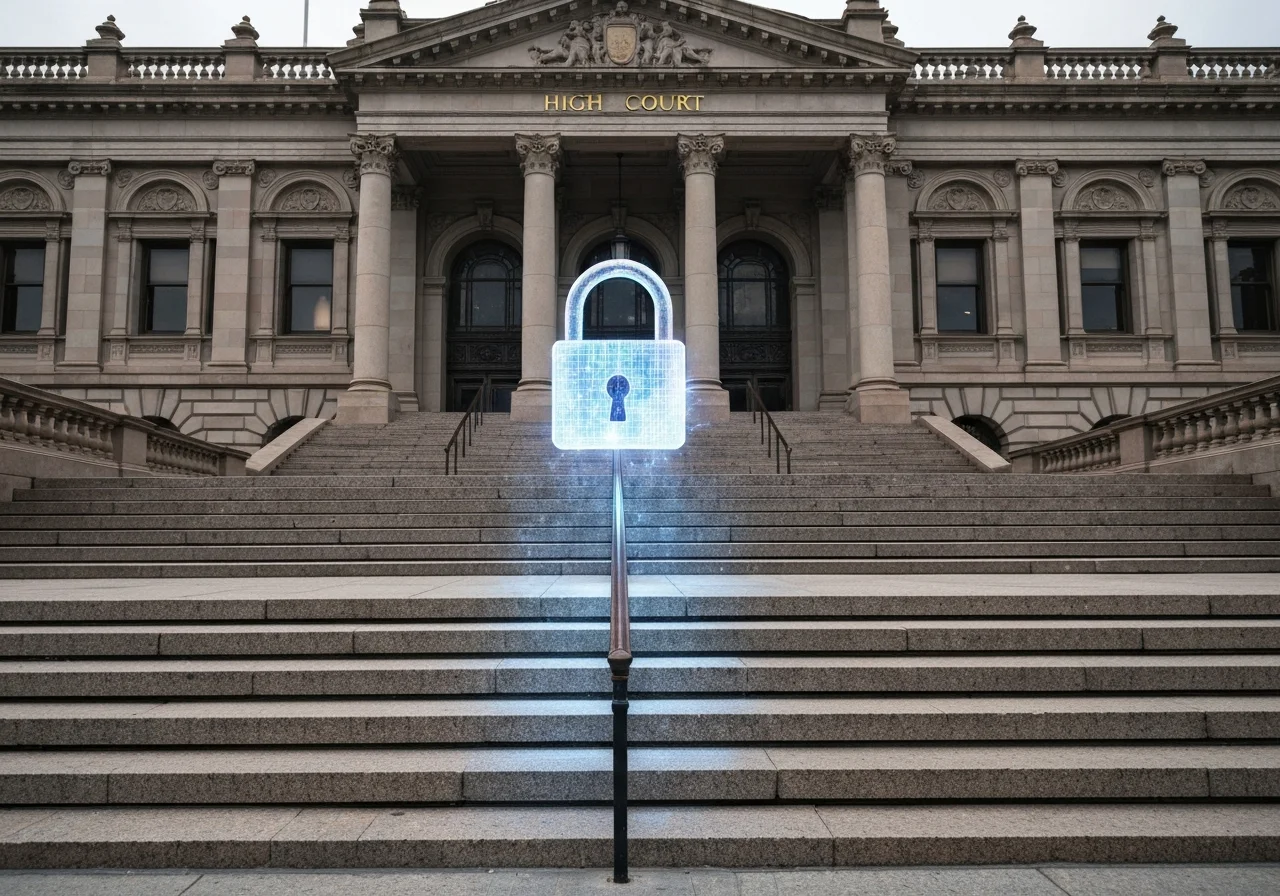
The Digital Freedom Project’s High Court challenge could rewrite the playbook for digital rights. Their injunction bid argues Australia’s ban lacks proportional safeguards, echoing global debates as Malaysia plans a 2026 ban and the EU tests graduated verification. Minister Wells doubled down, citing parental demand for intervention—but with no court date before the December 10 deadline, platforms are stuck in regulatory limbo. The outcome? A potential landmark ruling on whether democracies can mandate digital age gates without stifling access.
Note: All hyperlinks preserve original sourcing and context. Visual placeholders remain unaltered per protocol.
References


Get Daily Event Alerts for Companies You Follow
Free: Register to Track Industries and Investment Opportunities