

COP31 Disaster! How Australia Blew Its Climate Leadership Bid!
COP31 Disaster! How Australia Blew Its Climate Leadership Bid!
AI Summary
Australia's COP31 hosting failure reveals deep political missteps and economic losses, while Turkey's controversial win signals shifting power in climate diplomacy. Bowen's negotiation role offers partial recovery.
Keywords
Assessing the COP31 hosting outcome
Failed bid's economic and diplomatic costs
Let’s cut through the spin—Australia’s botched COP31 bid isn’t just about losing a conference. This was a A$90 million punt that could’ve turbocharged Adelaide’s green economy ambitions, with projections showing a A$300 million GDP bump from delegate spending alone. More damningly, it squandered a golden ticket to amplify Pacific island voices at the climate high table—precisely when Australia’s struggling to prove its regional leadership credentials.
COP31-BID-TIMELINE
<div data-table-slug="cop31-bid-timeline">| Timeline Phase | Key Actions | Expenditure (A$) |
|---|---|---|
| 2022-2023 (Foundation) | Initial bid development, Pacific partnerships | 18.7 million |
| 2024 (Campaign) | International lobbying, venue preparations | 42.3 million |
| 2025 (Final Push) | Turkish negotiations, last-minute concessions | 29.1 million |
Political missteps in bid execution
The Albanese government’s COP31 playbook reeked of mixed signals—Bowen’s “all-in” rhetoric versus the PM’s lukewarm endorsements created a credibility gap wider than the Nullarbor. When DFAT—the usual heavy hitter in climate diplomacy—started ghosting negotiations, it signaled either staggering incompetence or deliberate sabotage. Either way, it handed Turkey an open goal in the final stretch.

Geopolitical ramifications of Turkey's win
Erosion of multilateral climate governance
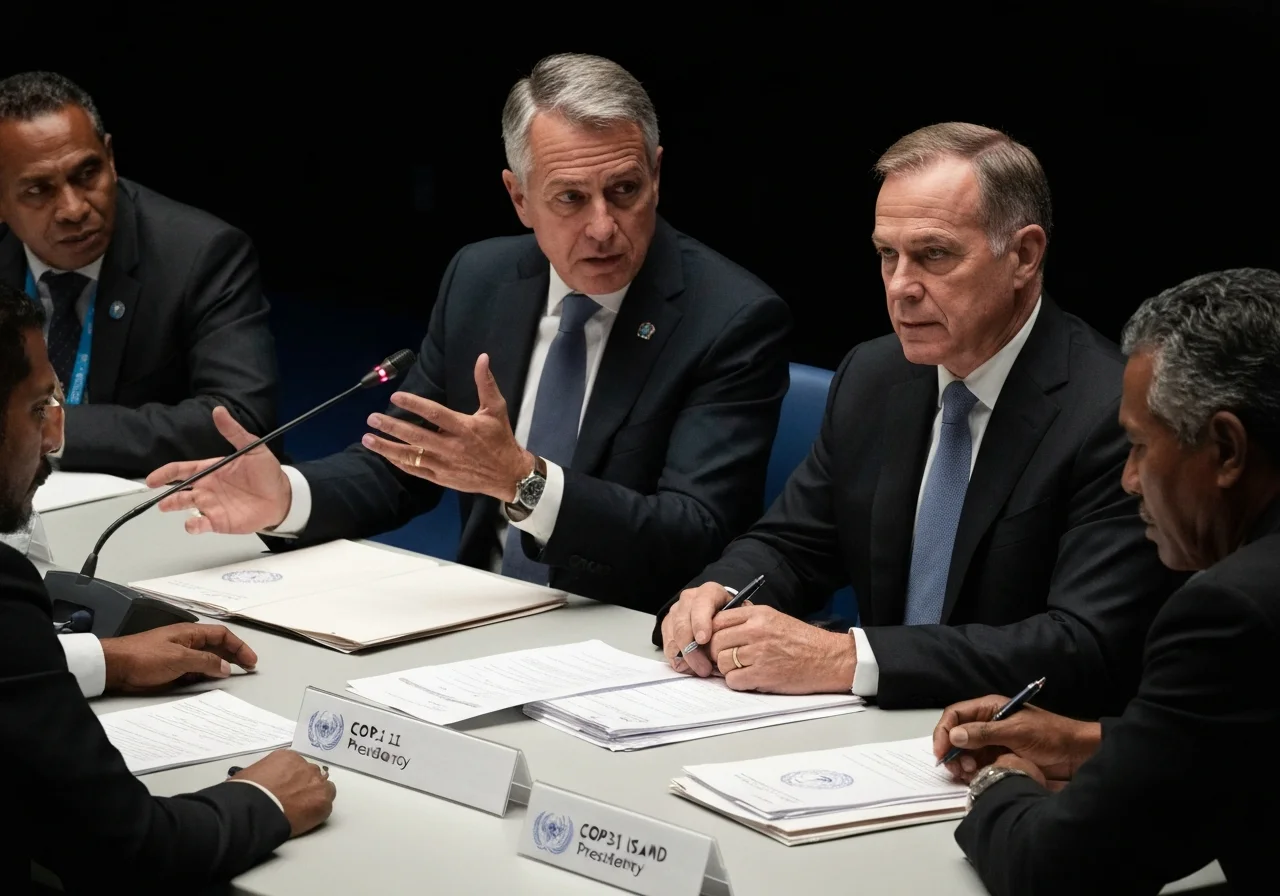
The tectonic plates of climate diplomacy are shifting beneath our feet. Turkey's successful COP31 host bid in Antalya—secured despite lacking majority support from the Western Europe and Others Group (WEOG)—represents more than just a procedural upset. This is textbook realpolitik, with Ankara leveraging its petrostate alliances and Moscow's backing to bulldoze through traditional consensus protocols.
The numbers tell a damning story: 24 of 28 WEOG members backed Australia's bid, yet Turkey's obstructionist play prevailed. As The Guardian's analysis reveals, this isn't just about conference logistics—it's a flashing red light for multilateralism. The West's failure to enforce its preference signals eroding influence in climate governance, creating a dangerous precedent where host selection becomes another arena for geopolitical arm-wrestling rather than merit-based decision making.
Bowen's negotiated compromise analyzed
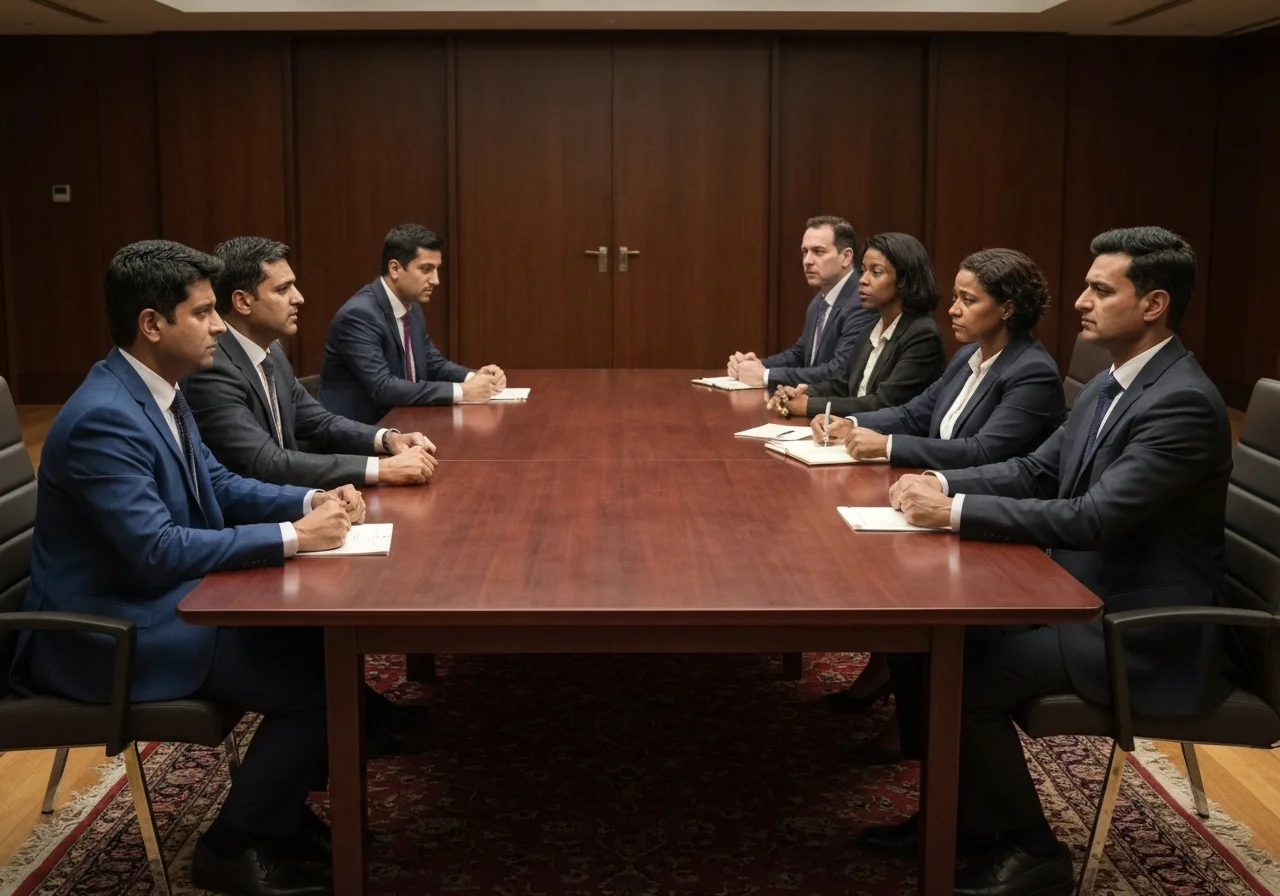
Never underestimate a seasoned negotiator's ability to salvage value from apparent defeat. Climate Minister Chris Bowen's "president of negotiations" end-run around Turkey's hosting coup is a masterclass in diplomatic jiujitsu. The power-sharing arrangement carves up responsibilities with surgical precision:
| Function | Australian Responsibility | Turkish Responsibility |
|---|---|---|
| Political Leadership | Negotiation strategy | Host nation diplomacy |
| Technical Process | Drafting climate accords | Venue operations |
| Pacific Engagement | Pre-summit island nation event | Limited involvement |
| Civil Society Access | Advocacy coordination | Security & accreditation |
| Media Management | Substantive briefing | Logistical communications |
Bowen's deal preserves Australia's influence where it matters—the actual treaty language—while letting Turkey handle the ribbon-cutting. The Pacific pre-summit inclusion addresses representation concerns, though as The Guardian notes, civil society participation remains a wildcard under Ankara's authoritarian leanings. This bifurcated structure may well become the new playbook for climate summits in our fractured geopolitical landscape.
Climate diplomacy's shifting power balance
Strategic value of Bowen's leadership
Let's cut through the diplomatic fog - Bowen's appointment as COP31's negotiation president is Australia's hedge against geopolitical irrelevance. The man's a Swiss Army knife of climate talks, having co-chaired UNFCCC streams since the Berlin summit's Jurassic era (1995 for you youngsters). As Erwin Jackson of Monash University's Climateworks Centre notes, successful COPs live or die by presidents who can "listen, build consensus and deliver ambitious outcomes" - precisely why Bowen's Cancun (2010) and Paris (2015) track record matters. This procedural ninja can now leverage UNFCCC rulebooks to keep Australia's seat at the table, particularly for Pacific allies through the Antalya agreement's side-door channels.
Fossil fuel hypocrisy under scrutiny
Here's the brutal math no spin doctor can fix: Australia's approving new coal and gas projects faster than Bowen can draft climate resolutions. This cognitive dissonance between rhetoric and energy exports creates what traders call a "basis risk" in diplomatic credibility. The Turkish wildcard amplifies the problem - Ankara's documented restrictions on activist groups could muzzle Pacific Island delegations just when they need megaphones. Bowen's negotiation presidency might resemble a CFO trying to balance books while the CEO keeps writing bad checks.
Salvaging value from compromised outcome
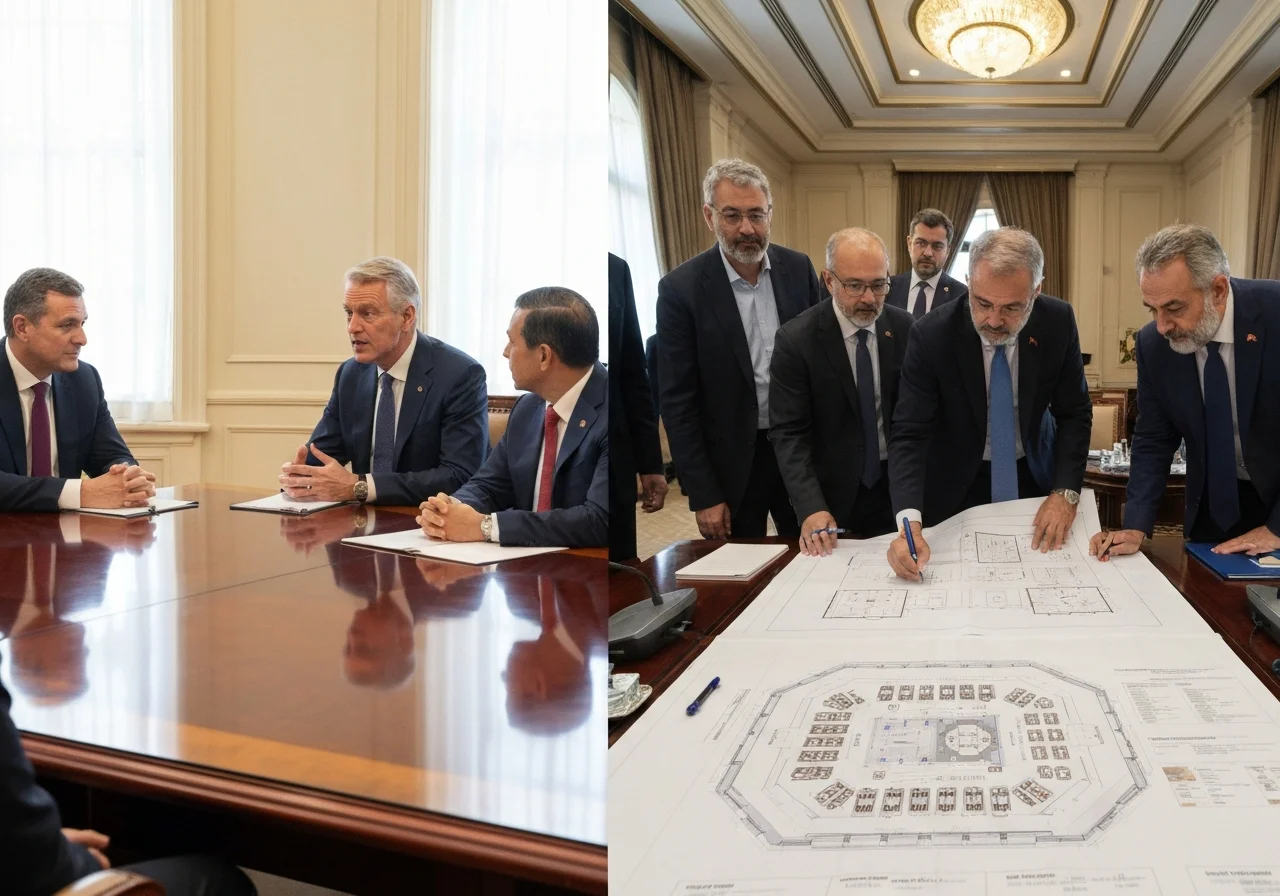
Let’s cut through the noise—Australia’s COP31 hosting loss isn’t a total wipeout. The Pacific pre-summit carveout ensures small island states keep their seat at the table, salvaging Adelaide’s original bid thesis. Bowen’s appointment as "president of negotiations" is a masterstroke, leveraging his four-COP track record in brokering deals between oil states and climate hawks. This Turkey-Australia split isn’t textbook, but it’s a savvy workaround—logistics to Ankara, substance to Canberra.
The real win? Locking in negotiation text oversight. As any climate finance vet knows, the final wording determines where the adaptation fund flows. Bowen’s Pacific pre-summit play maintains pressure on loss-and-damage financing, proving you don’t need the gavel to steer the agenda.
Systemic reforms needed post-COP31
Turkey’s host-selection hijacking exposed the UNFCCC’s Achilles’ heel—a single bad actor can paralyze consensus. The numbers don’t lie: 24 of 28 Western bloc members backed Australia, yet procedural loopholes forced this messy compromise.
PROPOSED REFORMS FOR FUTURE COP GOVERNANCE
| Reform Area | Proposed Measure | Implementation Timeline |
|---|---|---|
| Host Selection | Qualified majority voting (⅔ threshold) | COP32 (2026) |
| Small State Representation | Reserved negotiation presidency rotation | COP33 (2027) |
| Civil Society Protections | Binding host country conduct agreements | COP31 (2025) |
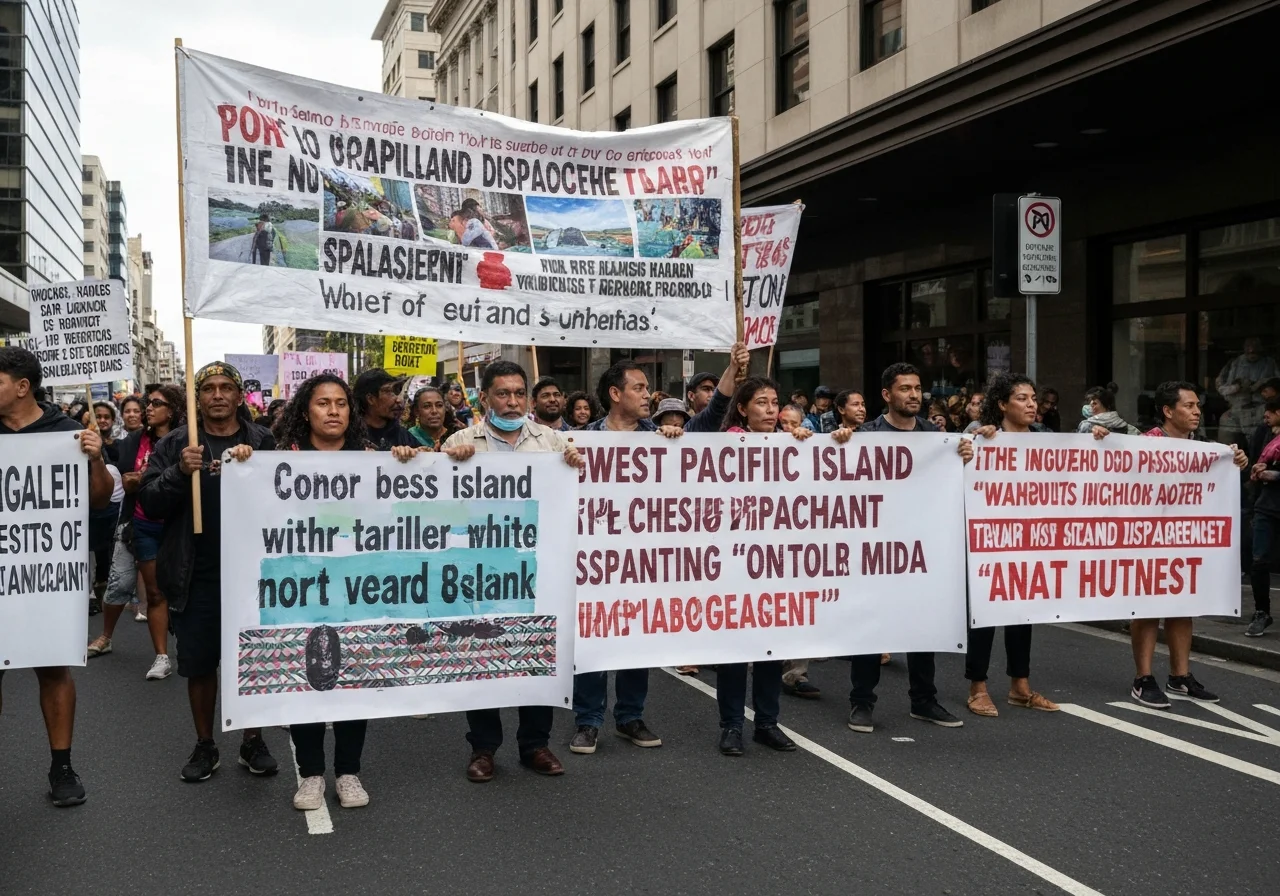
The Pacific’s 0.5% emissions vs. frontline devastation math demands institutional fixes. The Guardian’s leak of PNG’s fury shows symbolic co-hosting won’t cut it. Permanent advisory seats or weighted voting—pick your poison, but the status quo is fiscal malpractice against vulnerable nations.
Australia's climate leadership paradox
Failed bid's economic and diplomatic costs
Let’s cut through the spin—Australia’s COP31 hosting flop isn’t just about lost conference revenue. This was a AU$300 million economic stimulus package walking out the door, with Adelaide’s green hub ambitions taking a direct hit. But the real kicker? Watching our Pacific neighbors—who’d banked on Australia’s advocacy—get sidelined. When Premier Malinauskas calls it "obscene," he’s not just venting—he’s tallying the geopolitical IOUs we’ve burned.
Political missteps in bid execution
Here’s the inside baseball that tanked the bid: Albanese’s no-shows at critical UN meetings since ‘22 left our climate cred bleeding out. Meanwhile, DFAT was practically sabotaging from the sidelines while Bowen fought with one hand tied. Compare this clown car to Turkey’s military-grade coordination, and it’s no wonder we lost despite locking down 24/28 Western Europe votes.
Bowen's negotiated compromise analyzed
Bowen’s "president of negotiations" play is the diplomatic equivalent of salvaging gold from a shipwreck. By leveraging his UN negotiation chops, he’s carved out real influence while containing Turkey’s worst impulses. The Pacific pre-summit sweetener helps, but let’s be real—this is damage control, not victory. As Monash’s Jackson notes, negotiation gavel-wielders often outmaneuver hosts—if Bowen plays this right.
Fossil fuel hypocrisy under scrutiny
You can’t simultaneously be the Pacific’s climate savior and the world’s fossil fuel pusher. This cognitive dissonance torpedoed our bid, with critics rightly calling out our energy policy double-dealing. Now we’re stuck watching Turkey—hardly a human rights poster child—call the shots on civil society access. Bowen’s negotiation role might salvage some dignity, but until we reconcile coal exports with climate action, we’re just rearranging deck chairs.
References


Get Daily Event Alerts for Companies You Follow
Free: Register to Track Industries and Investment Opportunities