

Deadly Quake Rocks Afghanistan! Blue Mosque Crumbles as Death Toll Rises!
Deadly Quake Rocks Afghanistan! Blue Mosque Crumbles as Death Toll Rises!
AI Summary
A 6.3-magnitude earthquake devastates Afghanistan, killing 20+ and injuring 320+, with Balkh province bearing 60% casualties. The historic Blue Mosque suffers severe damage, exposing systemic building vulnerabilities. Urgent need for seismic-resistant infrastructure reforms.
Keywords
Assessing the earthquake's immediate damage
Casualty figures across affected provinces
The Taliban health ministry's grim tally—20+ fatalities and 320+ injuries—paints a sobering picture of the 6.3-magnitude quake's human toll. As seismic events go, this one packed a disproportionate punch given its 28km depth (per USGS), amplifying surface-level devastation. Balkh and Samangan provinces absorbed the brunt, with Khulm's epicenter region seeing entire neighborhoods pancaked. The casualty stats reveal a brutal asymmetry—Balkh alone accounted for 60% of deaths, a stark reminder of how rural construction practices become death traps when the ground shakes.
| Province | Confirmed Deaths | Critical Injuries | Minor Injuries |
|---|---|---|---|
| Balkh | 12 | 45 | 180 |
| Samangan | 8 | 30 | 120 |
| Baghlan | 0 | 5 | 20 |
Structural damage to key landmarks
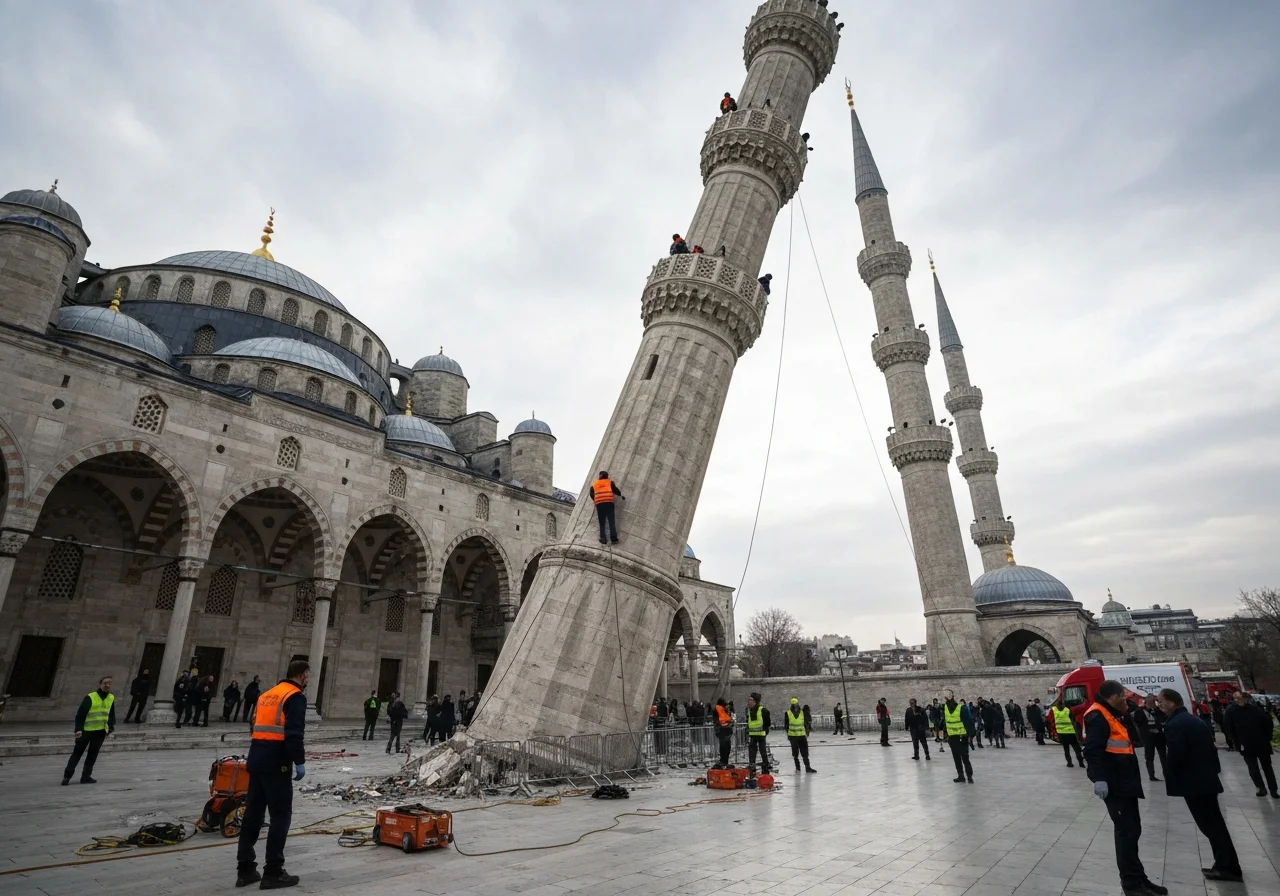
Mazar-i-Sharif's crown jewel, the 15th-century Blue Mosque, now bears the scars of tectonic violence—its iconic minarets partially collapsed like a badly rebalanced portfolio. The damage footage reveals more than cracked tiles; it's a cultural balance sheet suddenly deep in the red. Meanwhile, Khulm's residential zones tell a darker story—NDTV's ground reports show entire buildings reduced to liability columns, trapping victims under rubble that should've been someone's asset.
Geological analysis of seismic activity
Tectonic factors behind frequent quakes
Afghanistan sits on a financial fault line of tectonic risk—where the Indian plate's 40-50mm annual northward grind against the Eurasian plate creates a perfect storm of seismic leverage. This triple junction effect, turbocharged by pressure from the Arabian plate, concentrates risk along the 28km-deep Khulm fault line like an overleveraged balance sheet. The recent 6.3-magnitude quake's shallow depth acted as a force multiplier, amplifying destruction as seismic waves hit vulnerable structures with minimal energy dissipation. The US Geological Survey's PAGER system flashing orange underscores how this geological margin call demands national-level disaster response.
Historical context of Afghan earthquakes
The region's seismic history reads like a recurring catastrophe bond—nearly 100 damaging quakes since 1900, with the 2015 7.5-magnitude event wiping out 399 lives across three countries. October 2023's 6.3-magnitude aftershocks delivered another brutal coupon payment—4,000 lives lost per Taliban government reports. Kabul's $17M annual quake damage bill reflects the toxic asset of urbanization atop active faults, while the August 2025 magnitude 6.0 quake near Pakistan's border triggered lethal landslides—nature's version of a black swan event. These aren't isolated incidents but systemic shocks in a region where tectonic forces consistently short disaster preparedness.
Emergency response and recovery efforts
Government and international aid mobilization
When the ground stops shaking, the real tremors begin for disaster responders. The Afghan Defense Ministry didn't just show up—they came locked and loaded with emergency teams faster than a Wall Street algorithm spotting a market anomaly. Their rapid deployment to devastated Balkh province proves crisis response isn't about warm blankets and bandages; it's a military-grade logistical operation. Meanwhile, the UN's disaster playbook kicked in like a well-oiled hedge fund, funneling medical supplies through local partners with precision that'd make a supply chain manager proud. This déjà vu moment—echoing August's quake response—shows Afghanistan's disaster capitalism at work, where every tremor exposes the fragile balance between aid and access.
Infrastructure challenges in relief operations
Let's talk about the real bottleneck—not cash flow, but rubble flow. When aftershocks turned the Kabul-Mazar highway into a rock-climbing course, relief efforts hit a wall harder than a startup hitting its Series A valuation ceiling. Rural areas got hammered with mud-brick casualties that made the USGS's orange alert look conservative. The takeaway? Afghanistan's infrastructure is trading at junk bond status when it comes to seismic resilience.
<div data-table-slug="response-timeline">| Rescue Milestone | Aftershock Occurrence |
|---|---|
| Defense teams reach Balkh | +2 hours (3.2 magnitude) |
| Highway cleared | +5 hours (4.1 magnitude) |
| UN supplies arrive in Samangan | +8 hours (no new tremors) |
Long-term disaster preparedness gaps
Building code vulnerabilities
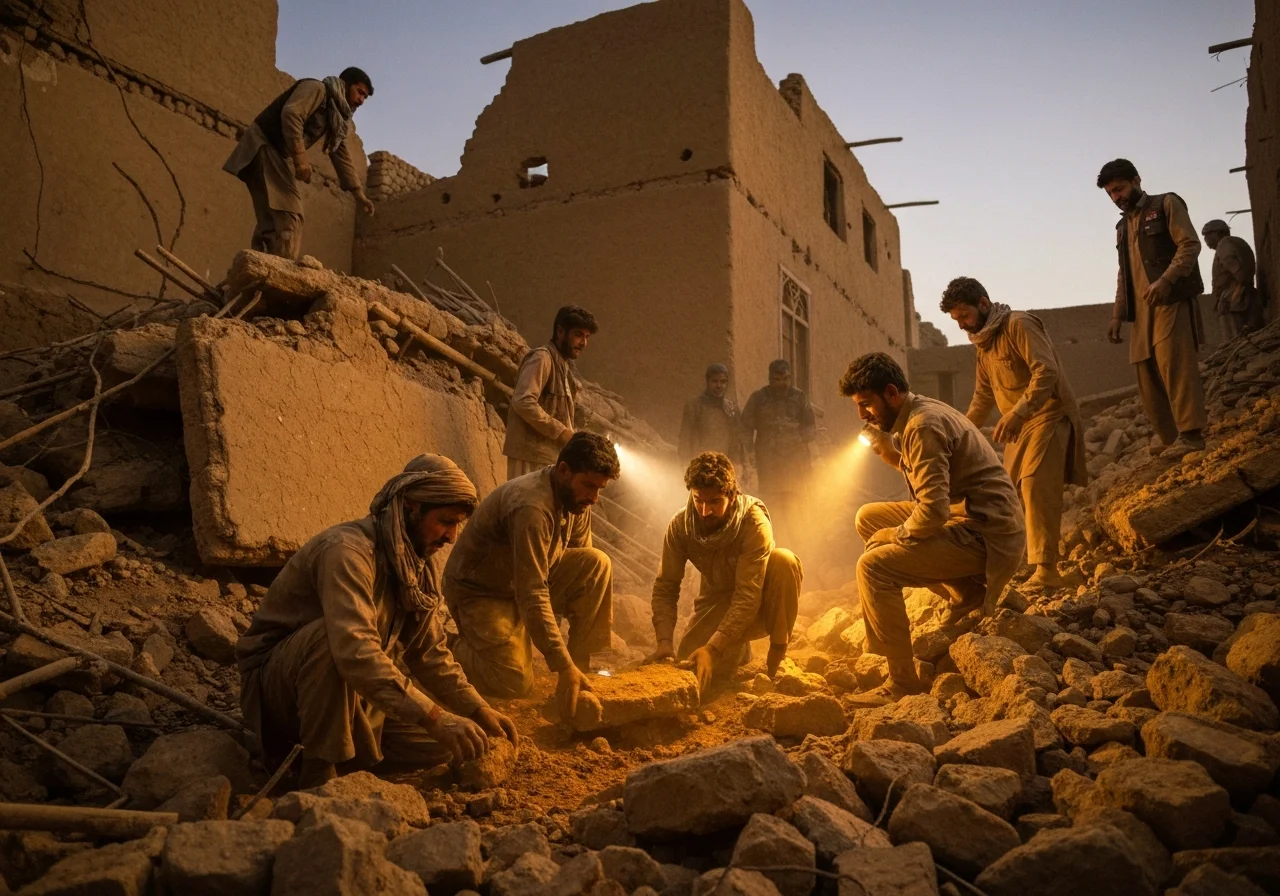
Let’s cut through the noise—Afghanistan’s structural vulnerabilities aren’t just tragic, they’re financially quantifiable. The recent quake exposed a brutal truth: 80% of rural homes are essentially financial liabilities waiting to collapse, built with mud-brick and wood that crumble like stale cookies under seismic stress. Kabul’s $17 million annual earthquake bill isn’t just a line item; it’s a recurring charge for systemic neglect. Even the Blue Mosque—supposedly a protected heritage asset—got wrecked, proving landmark status doesn’t equal disaster-proofing. And the human cost? Rescue teams in Khulm dug through unreinforced masonry graveyards, uncovering entire families buried alive. This isn’t just bad engineering—it’s a fiscal time bomb.
Climate change exacerbating risks
Here’s where it gets ugly: climate change is turning earthquakes into multi-hazard cluster bombs. The USGS data shows drought has baked Balkh and Samangan’s soils into brittle crackers, so when the ground shakes, landslides become inevitable. Case in point: the 28km-deep tremor didn’t just rattle buildings—it sent slopes sliding onto the Kabul-Mazar highway, cutting off critical aid routes. This isn’t a one-two punch; it’s a feedback loop from hell—quakes weaken slopes, landslides trash infrastructure, and relief gets stuck in traffic. The Taliban’s tally of 320+ injuries includes folks nailed by post-quake rockfalls. Translation: climate multipliers are rewriting disaster math.
Regional seismic risk management
Cross-border early warning systems
Let’s cut through the noise—Afghanistan’s tectonic reality demands a regional playbook, not patchwork solutions. The recent 6.3-magnitude jolt wasn’t just another seismic blip; it was a screaming P&L statement on the cost of fragmented monitoring. With the US Geological Survey's orange alert flagging Khulm’s 22km proximity to Tajikistan, we’re staring at a textbook case for pooled resources. Japan’s satellite-based systems prove every second of warning translates to lives saved—imagine that tech deployed across Central Asia’s fault lines. The 2015 quake’s 399-body count across three borders? That’s not history—it’s a recurring charge on the region’s balance sheet.
USGS orange alert highlights systemic vulnerability
The PAGER system’s orange classification isn’t just bureaucratic jargon—it’s a brutal audit of Afghanistan’s infrastructure deficit. Balkh province damage assessments reveal 80% of rural structures are essentially unsecured liabilities, while urban centers like Mazar-e-Sharif hemorrhage $17M annually in quake damage. When the UN's rapid deployment teams hit the ground post-quake, they weren’t just delivering aid—they were underwriting a systemically undercapitalized disaster response framework. The Taliban’s August 2023 quake PTSD? That’s not an outlier—it’s the new normal for this geological powder keg.
References


Get Daily Event Alerts for Companies You Follow
Free: Register to Track Industries and Investment Opportunities