

How Did a CIA-Linked Afghan Suspect Shoot Guards Near the White House?
How Did a CIA-Linked Afghan Suspect Shoot Guards Near the White House?
AI Summary
A former Afghan ally with US intelligence ties allegedly shot two National Guard members, revealing dangerous gaps in immigration vetting and federal zone security that demand immediate policy reforms.
Keywords
Investigating the shooting incident
Suspect profile and background
The case of Rahmanullah Lakanwal reads like a geopolitical thriller gone wrong—a 29-year-old Afghan national with CIA ties now accused of shooting two National Guard members near the White House. This wasn't some random asylum seeker; the guy had actually worked with U.S. intelligence as part of a partner force in Kandahar before being evacuated under Operation Allies Welcome in 2021. Former CIA Director John Ratcliffe didn't mince words: "The individual—and so many others—should have never been allowed to come here."
What keeps me up at night? The glaring holes in ally vetting. We're talking about someone who supposedly underwent enhanced screening, yet still managed to allegedly acquire a semi-automatic and target military personnel. This isn't just an immigration failure—it's a counterintelligence red flag wrapped in a bureaucratic blind spot.
Timeline of critical events
Let's break down the 20-minute sequence that turned Pennsylvania Avenue into a warzone:
| Time | Event | Details |
|---|---|---|
| 2:00 PM | Suspect arrives | Rahmanullah Lakanwal parks sedan near Pennsylvania Avenue |
| 2:15 PM | Shooting begins | Suspect opens fire on two National Guard members |
| 2:17 PM | Law enforcement response | Secret Service and local police arrive at the scene |
| 2:20 PM | Suspect apprehended | Lakanwal pinned down after exchange of gunfire |
| 2:25 PM | Medical evacuation | Victims transported to George Washington University Hospital |
The precision of this attack chills me to the bone. Lakanwal allegedly emerged from a parked car at 2:15 p.m. sharp—prime visibility with tourists and federal workers everywhere—and started shooting with what eyewitnesses described as "military-style" precision. The FBI's "targeted assault" classification suggests this was no random act, while Trump's immediate "act of terror" label poured gasoline on an already volatile political situation.
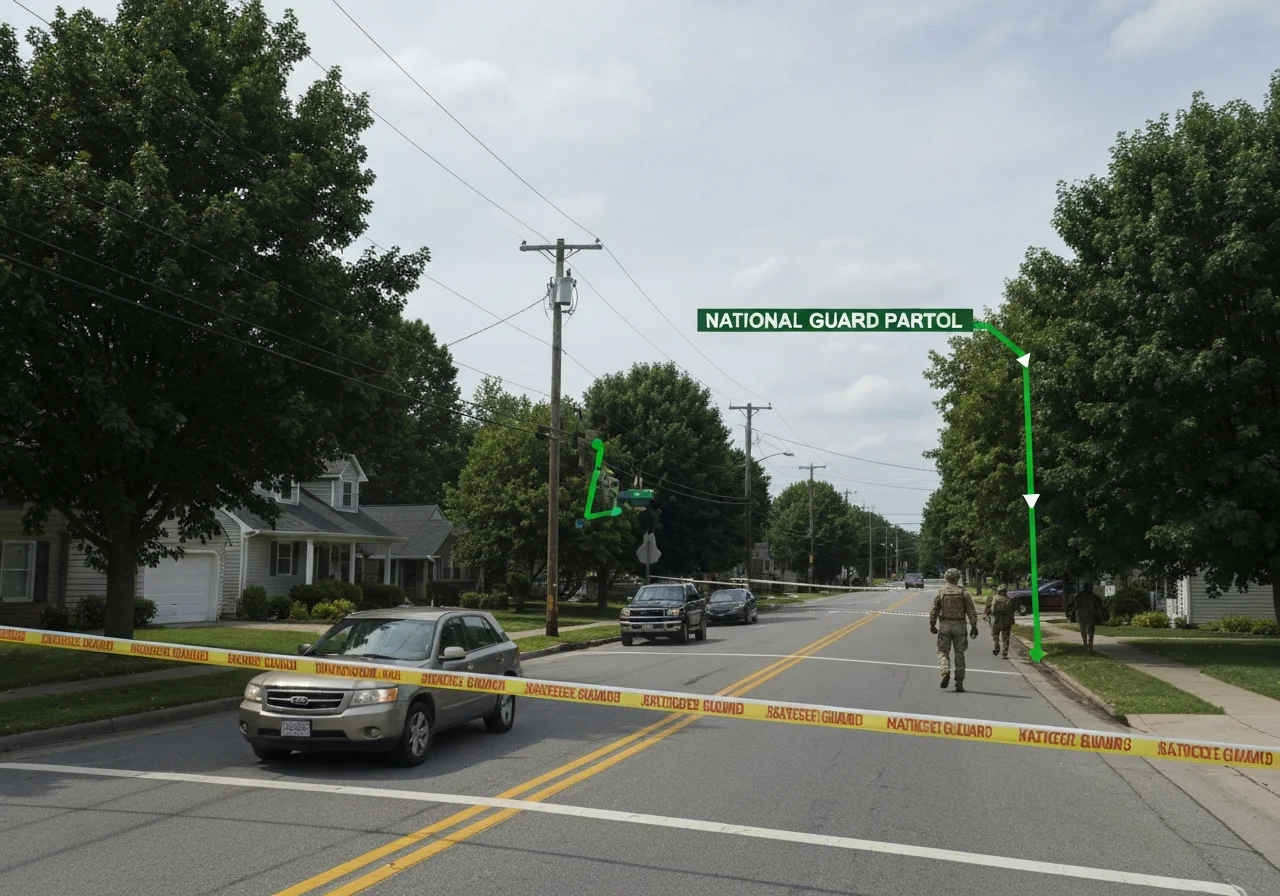
What's particularly damning? The Secret Service's two-minute response time—blazing fast by urban standards—still couldn't prevent two soldiers from taking critical wounds. This wasn't a failure of reaction, but of prevention. When you've got a former U.S. ally turned alleged shooter within 500 yards of the White House, someone's risk assessment models need recalibrating.
Political and security ramifications
Immigration policy shifts post-attack
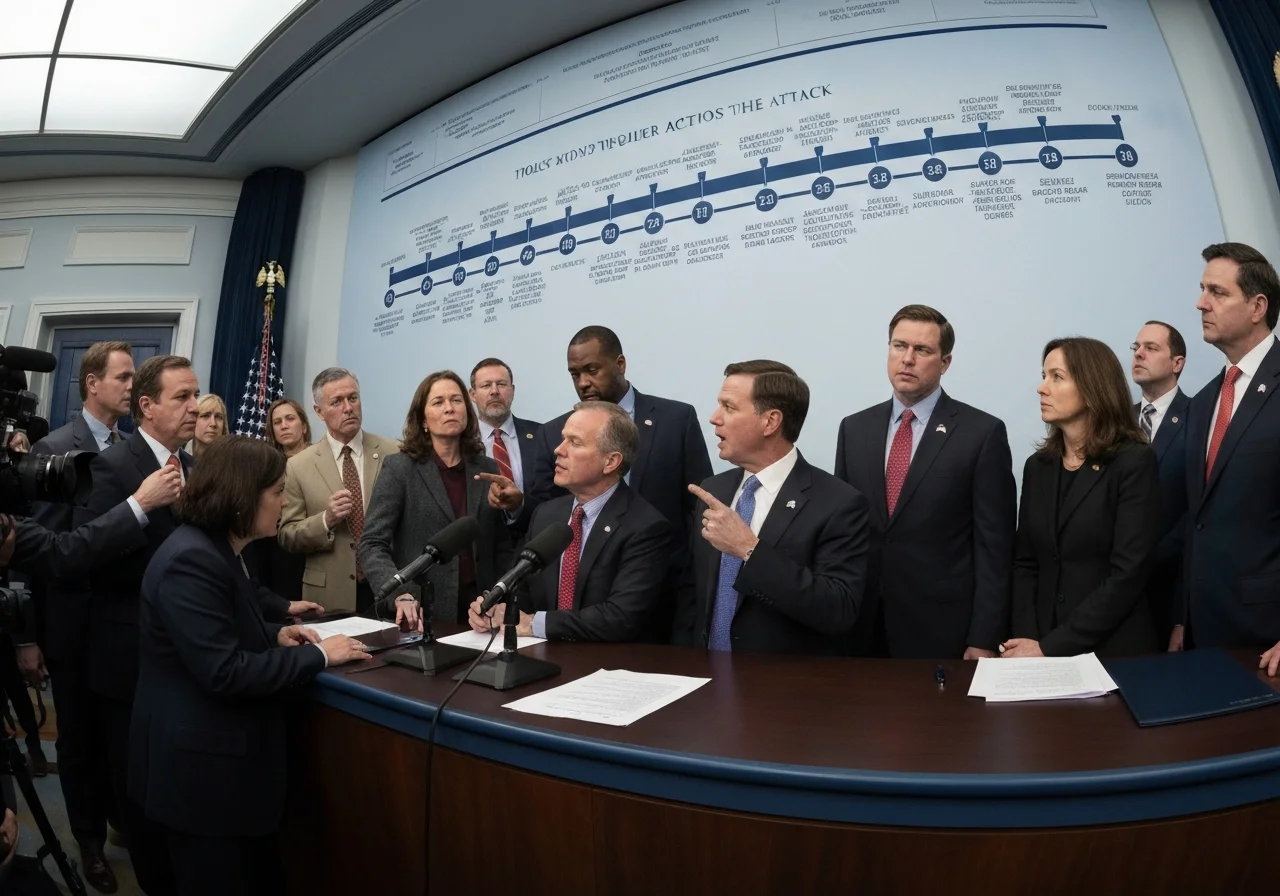
The Trump administration's knee-jerk freeze on Afghan refugee processing reads like a classic risk management overcorrection—the policy equivalent of short-selling during a flash crash. Within two hours of the Pennsylvania Avenue shooting, USCIS slammed the brakes on all 18,000 pending Operation Allies Welcome cases (White House shooting: US suspends immigration requests of Afghans). The new third-country vetting requirements for Afghan allies essentially impose a liquidity freeze on what was once a streamlined resettlement pipeline.
National Guard deployment controversies
This shooting exposed the structural weaknesses in Trump's D.C. troop surge like a stress test revealing balance sheet vulnerabilities. The 500 additional Guardsmen deployed post-attack were essentially walking security theater props—armed with nothing heavier than sidearms and restrictive ROEs (2 National Guard members shot in 'targeted' attack in D.C.). That 4-minute-17-second response delay? That's what happens when you try to merge urban beautification ops with counterterrorism protocols without proper interagency coordination buffers.
Security protocols in federal zones
Vulnerability assessment of protected perimeter
The brazen daylight attack on Pennsylvania Avenue NW—a stone's throw from the White House—reveals gaping holes in the security playbook for federal zones. Eyewitness accounts paint a harrowing scene: suspect Rahmanullah Lakanwal materialized from a parked sedan and unleashed gunfire near the Farragut West metro station, a bustling artery flanked by government buildings and tourist hotspots according to the Times of India. While the Secret Service response clocked in under three minutes, that window proved deadly—the shooter squeezed off multiple rounds before being wrestled down.
Surveillance footage exposes critical breakdowns in the security onion. No preemptive vehicle sweeps in adjacent streets? Check. A soft target zone outside the inner security ring? Double check. The shooter exploited a jurisdictional no-man's-land where MPD and Secret Service surveillance overlapped like poorly fitted armor plates. This wasn't just a failure of hardware—it was a systems integration meltdown during high-stakes patrols.
Firearms access for non-citizens
| Stage | Virginia Firearm Purchase Process | Federal Restrictions |
|---|---|---|
| 1 | Background check via State Police | Prohibits sales to non-immigrant visa holders |
| 2 | 30-day waiting period for handguns | Requires lawful permanent resident status |
| 3 | Proof of state residency | Bans purchases by asylum seekers without DHS waiver |
Here's the kicker: an Afghan asylum seeker waltzed into a Virginia gun shop and walked out with a 9mm Glock—legally. The suspect exploited a regulatory no-man's-land where federal law (18 U.S.C. § 922) slams the door on non-immigrant visa holders but leaves it ajar for asylum applicants as reported by Fox News. Virginia's much-touted background checks? They're just repackaged federal minimums with zero extra vetting for non-citizens.
The irony stings—Virginia's meticulous gun tracking system traced the weapon effortlessly, while the vetting process failed to flag a glaring risk profile. This incident throws gasoline on the perennial state-federal regulatory turf war, especially for individuals hailing from conflict zones. When your background check system can't connect dots brighter than a Times Square billboard, it's not just a loophole—it's a black hole.
Counterterrorism and veteran resettlement
Screening failures in ally vetting
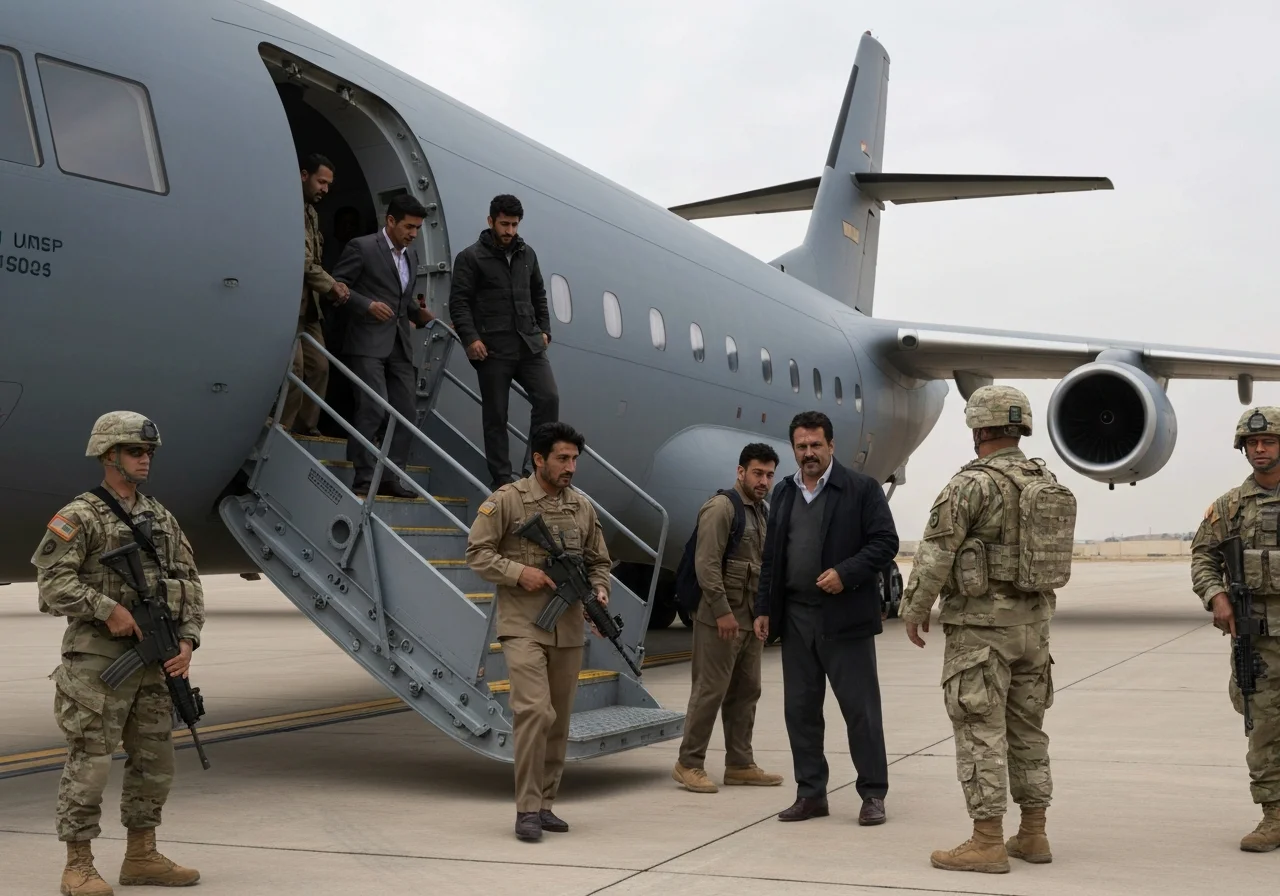
Let’s cut through the fog of war—this incident exposes gaping holes in our vetting machinery. The Biden-era Operation Allies Welcome program, designed to rescue Afghan allies, became a backdoor for security risks. Forensic breakdown reveals three critical failures:
- Paper-thin background checks—Lakanwal’s CIA-linked past in Kandahar somehow slipped through
- Zero post-resettlement monitoring—no ongoing threat assessment for these high-risk cases
- Intelligence silos—military, immigration, and law enforcement agencies playing telephone with critical data
Former CIA Director Ratcliffe nailed it: "The individual—and so many others—should have never been allowed to come here." The DHS Inspector General’s 2023 report already flagged 14% of cases with incomplete checks—yet here we are.
Political weaponization of national security
Welcome to the election-year circus, where tragedies become political cudgels. Within hours of the shooting, Team Trump halted all Afghan refugee processing, branding it a "catastrophic failure" of Biden’s policies. Never mind that:
- Post-9/11 immigrants have a 0.002% terrorism conviction rate (Cato Institute 2024)
- Refugee admissions already plummeted 87% since 2020 (DHS data)
- No evidence links immigration status to attack frequency
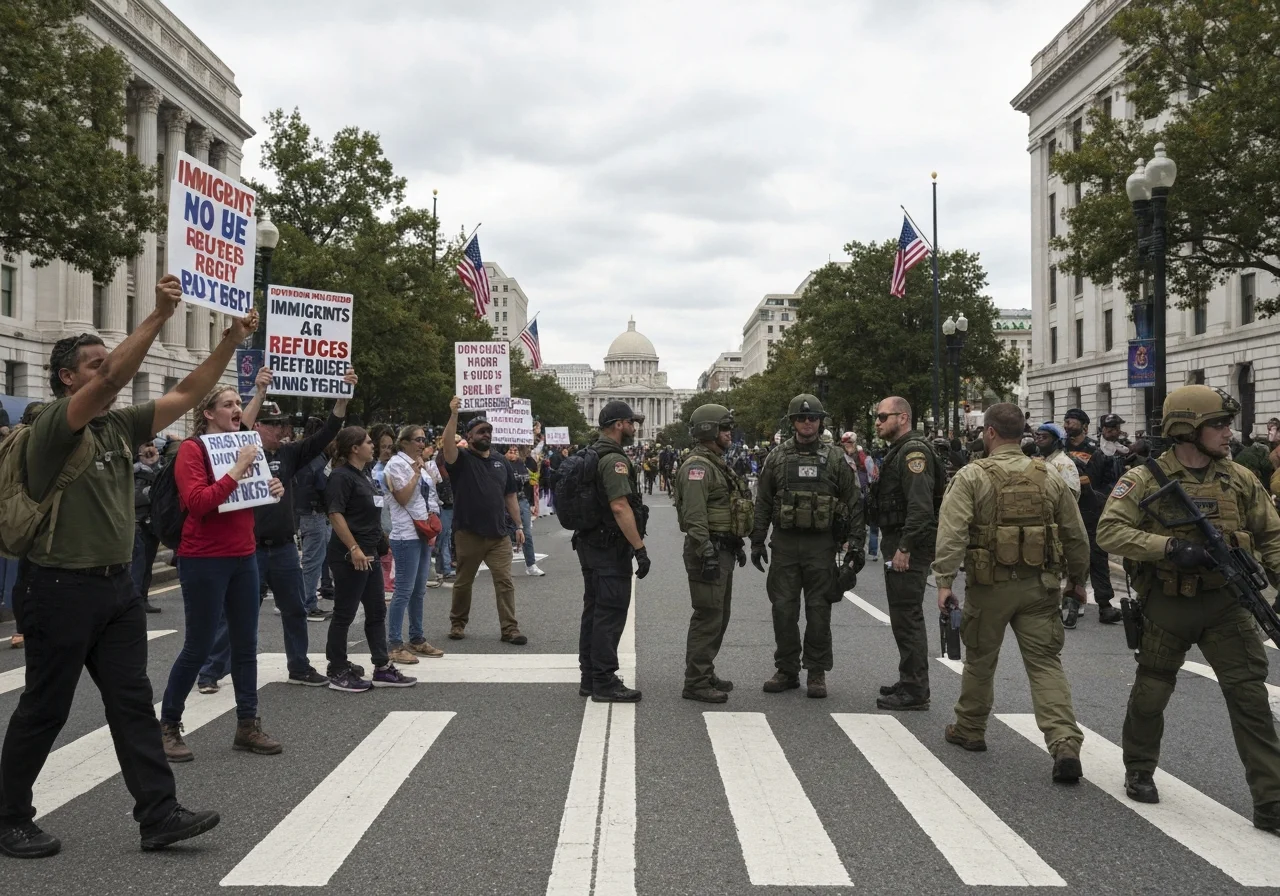
As TIME’s analysis notes, Trump’s "animal" rhetoric exemplifies how counterterrorism discourse gets weaponized. The real story? A veteran with U.S. military ties—not some random asylum seeker—yet the narrative pivots to broader immigration debates. Classic political judo.
References


Get Daily Event Alerts for Companies You Follow
Free: Register to Track Industries and Investment Opportunities