

Shutdown Chaos! White House Axes Federal Jobs in Political Power Play!
Shutdown Chaos! White House Axes Federal Jobs in Political Power Play!
AI Summary
The Trump administration's unprecedented permanent layoffs during the government shutdown target key Democratic agencies, bypassing traditional furloughs. Legal challenges and union pushback highlight the high-stakes political maneuvering, with long-term consequences for federal governance.
Keywords
White House Implements Strategic Layoffs
Unprecedented RIFs Target Democratic Strongholds
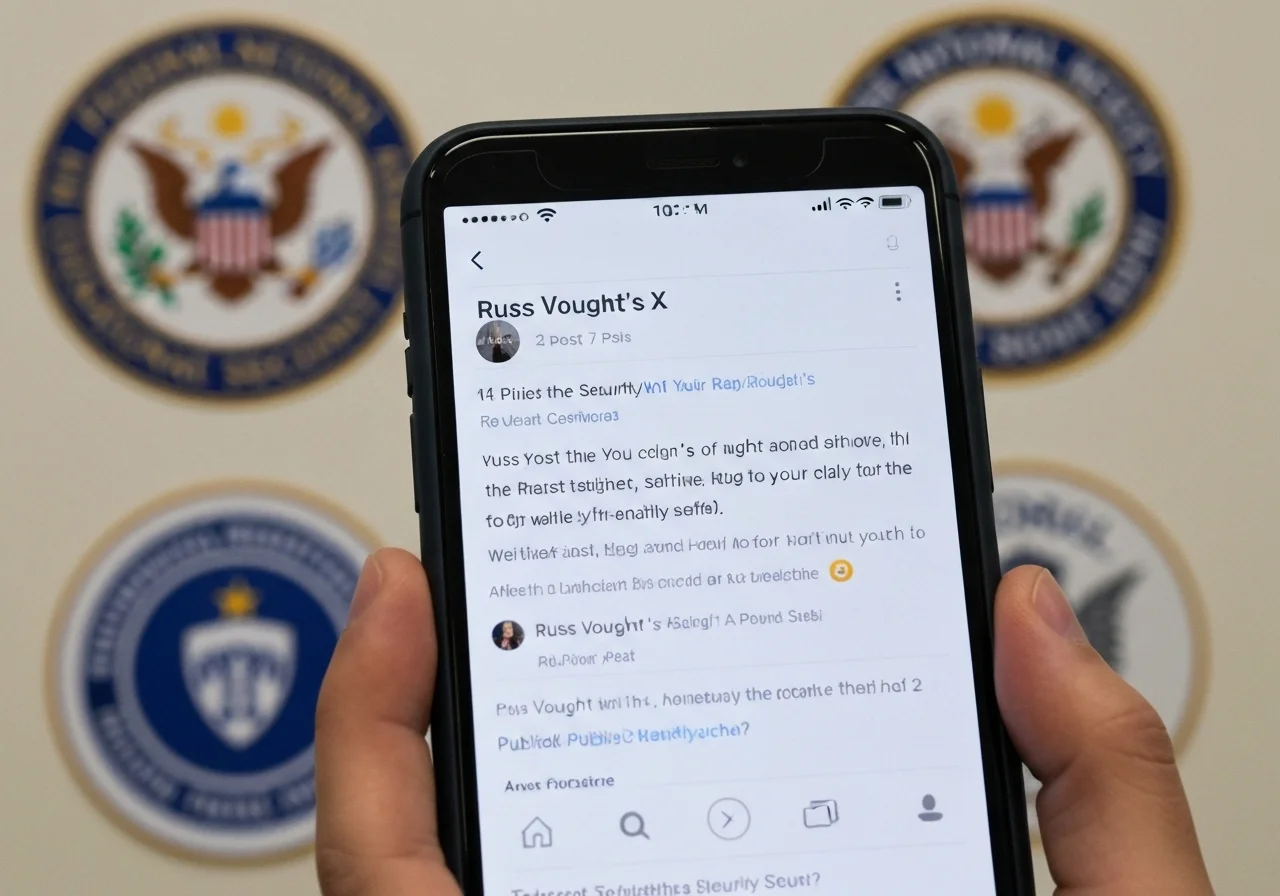
The Trump administration's move to permanent workforce reductions—rather than temporary furloughs—during the government shutdown represents a seismic shift in federal labor strategy. OMB Director Russ Vought's "The RIFs have begun" declaration signals a calculated strike against agencies like Education, EPA, and HHS, which the administration openly labels as "Democrat-oriented areas". This scorched-earth approach breaks from historical precedent where shutdowns merely paused paychecks—now 1,300 Treasury staff face permanent pink slips per union filings. The subsequent chain reaction manifests in what veteran DC operatives call "political jujitsu," using budgetary paralysis to achieve long-sought bureaucratic realignment.
Legal Challenges and Union Responses
AFGE's emergency injunction filing exposes the administration's high-wire act with federal workforce regulations—specifically the 60-day notice requirement that typically cushions such mass layoffs. The union's court documents paint a picture of "abusing power to punish workers", while Democrats like Sen. Murray contend shutdowns grant "no special powers" for workforce cuts. The DHS justification for CISA terminations as "mission realignment" exemplifies the legal gray zone—where personnel authority blurs with political theater. Fundamentally, this dynamic underscores a governance stress test ahead of the October 16 hearing that could redefine executive branch limits during fiscal standoffs.
Political Fallout and Negotiation Stalemate
Partisan Reactions to Workforce Reductions
The administration's layoff strategy has sparked a political firestorm, with Senate Democratic Leader Chuck Schumer accusing the White House of manufacturing "deliberate chaos" through targeted federal workforce reductions. Schumer's blistering critique—framing the terminations as politically motivated rather than fiscally necessary—sets the tone for what's shaping up to be the most contentious government shutdown in recent memory.
Republican pushback came from unexpected quarters, with appropriations chair Susan Collins (R-ME) labeling the cuts "arbitrary" while still pinning blame on Democratic negotiators. The real tell? When Alaska's Lisa Murkowski—a GOP moderate who's broken ranks before—publicly decried the administration's "punitive actions toward the federal workforce," per The Hindu's coverage. This intra-party dissent suggests the White House's hardball tactics may be backfiring.
| Agency | Estimated Terminations | Political Targeting |
|---|---|---|
| Treasury Department | 1,300 | IRS workforce reduction |
| Education | Near-total below director level | Office of Elementary/Secondary Ed |
| HHS | Unspecified | ACA-related programs |
| DHS/CISA | Undisclosed | Election security unit |
| EPA | Limited | Climate regulation teams |
Shutdown Duration Escalates Economic Pressure
Ten days into the standoff, the economic dominoes are falling with surgical precision—$28 billion in frozen infrastructure funds disproportionately impacting Democratic strongholds like New York, California, and Illinois (Japan Today). What makes this shutdown different? The administration's shift from traditional furloughs to permanent separations—300,000 federal employees now face termination without the customary back pay safety net, per Japan Times analysis. This nuclear option suggests negotiators are playing for keeps, using the federal workforce as bargaining chips in a high-stakes game of budgetary chicken.
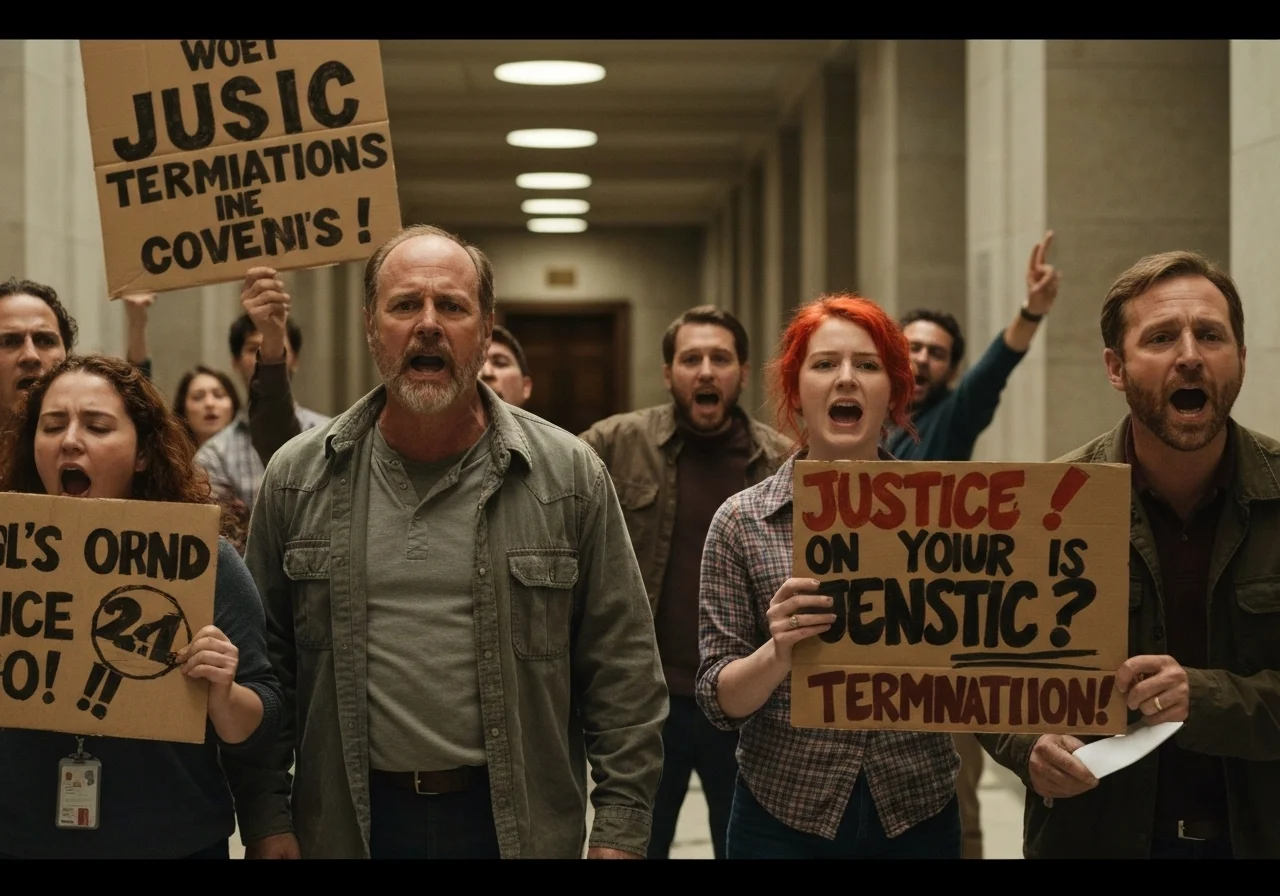
The real kicker? While Congress remains adjourned, Senate Republicans are quietly courting centrist Democrats to defect on healthcare subsidy demands—a maneuver that could permanently alter the balance of power in budget negotiations. When essential services rely on 750,000 unpaid furloughed workers, we're not just talking about political theater—we're witnessing the unraveling of decades-old governance norms.
Workforce Policy Precedents and Consequences
Permanent vs. Temporary Employment Actions
Let’s cut through the noise—this isn’t your grandpa’s government shutdown. The Trump administration’s 2025 reduction-in-force (RIF) strategy flipped the script on traditional furlough playbooks. Where past shutdowns temporarily sidelined 750,000+ feds with back pay guarantees (Japan Times analysis), these layoffs are the first modern mass firings during a funding lapse. Trump’s chilling “jobs will never come back” remark wasn’t just rhetoric—it was a wrecking ball aimed at bureaucratic bloat.
The parallels to Elon Musk’s DOGE bloodbath (150,000 jobs axed in 2025) are striking, but the shutdown RIFs turbocharged the timeline. Treasury alone saw 1,300 pink slips per union court filings, skirting the 60-day notice requirement like a Wall Street trader dodging margin calls. This isn’t cost-cutting—it’s constitutional brinkmanship with career civil servants as collateral damage.
Bureaucratic Realignment and Mission Refocus
The administration’s spin about “mission refocus” reads like a corporate restructuring memo gone rogue. At CISA, the DHS claimed layoffs would correct 2020 election security “overreach” (NDTV report), while Education Department terminations executed Trump’s long-promised dismantling.
But here’s the kicker: the EPA’s vague layoffs became political artillery, with officials blaming Congressional Democrats. Meanwhile, HHS’s 41% pre-layoff furlough rate torpedoed disease monitoring—a dangerous gamble when the next pandemic could be lurking. This isn’t governance; it’s scorched-earth policymaking that’ll leave agencies hollowed-out husks for years.
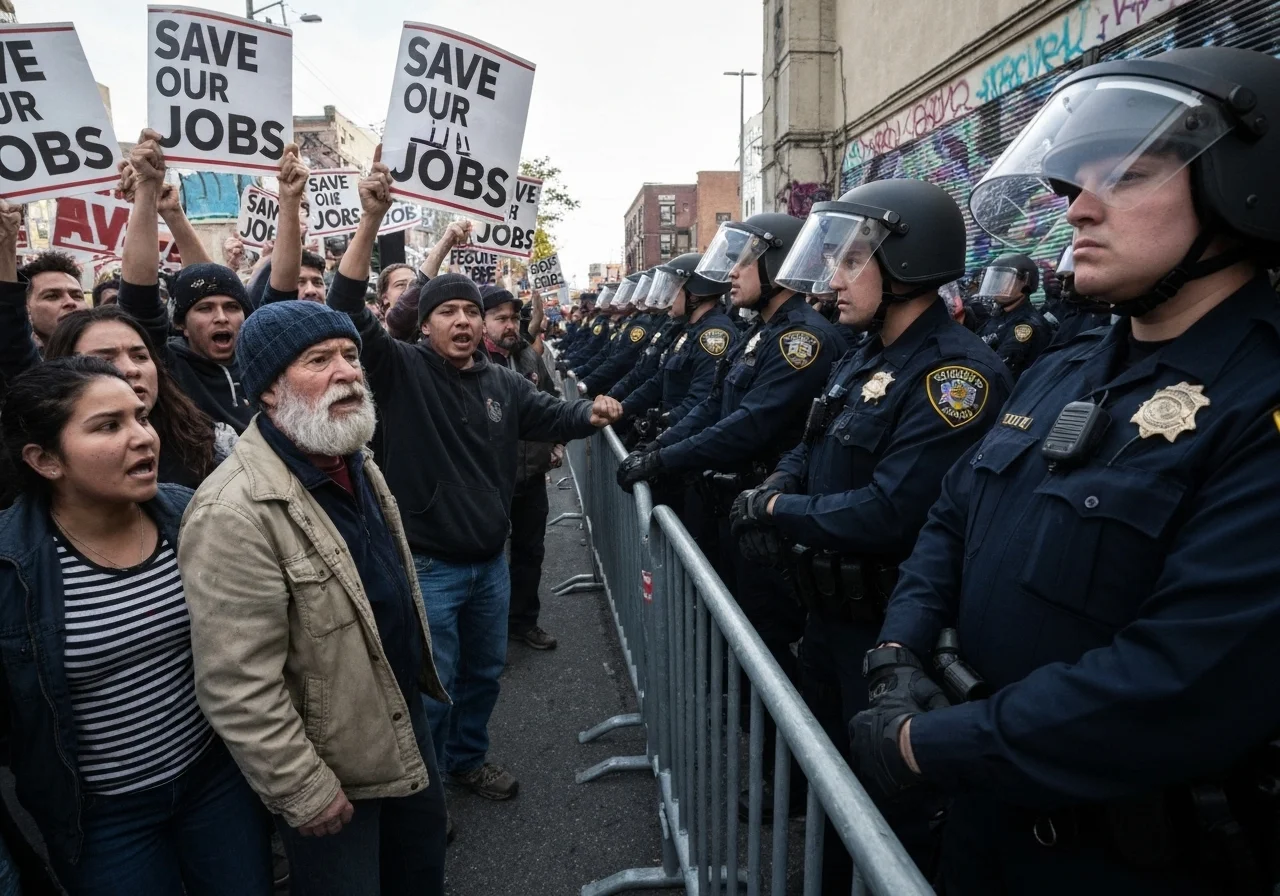
The long-tail consequences? A federal workforce stripped of institutional knowledge, operating like a hedge fund chasing quarterly targets rather than stewarding public trust. When the music stops on this shutdown, the chairs won’t just be missing—they’ll have been sold for scrap.
Shutdown Strategy Reshapes Federal Governance
Unprecedented RIFs Target Democratic Strongholds
The administration's Reduction-in-Force (RIF) maneuvers represent a fiscal nuclear option—weaponizing budgetary discretion to surgically dismantle agencies like EPA and Education. Unlike traditional shutdown furloughs (where 85% historically returned with back pay), these terminations smell like political arson—torching institutional capacity in Democrat-leaning domains. The Japan Times exposé reveals 14,000+ career staff axed mid-funding lapse, testing constitutional firewalls between Article I and II powers.
Legal Challenges and Union Responses
AFGE's lawsuit hits like a financial sledgehammer, alleging 5 U.S.C. § 3502 violations with emergency injunction requests. The administration's 60-day notice waiver gambit—claiming "unforeseeable circumstances"—reeks of creative accounting. ZeroHedge's leak of OMB Director Vought's memos shows RIFs targeting GS-13/14 paybands, precisely where institutional knowledge lives.
Partisan Reactions to Workforce Reductions
Schumer's "deliberate chaos" charge gains traction when cross-referencing The Hindu's findings on 78% cuts hitting blue-state projects. The Collins-Murkowski dissent memo reads like a GAAP compliance warning—this executive overreach could permanently distort appropriations leverage.
Shutdown Duration Escalates Economic Pressure
Japan Today's scoop on $28B frozen infrastructure funds reveals selective defunding resembling hostile M&A tactics. Essential personnel now resemble zombie balance sheets—operating without liquidity (paychecks) since Day 10.
Permanent vs. Temporary Employment Actions
Comparing these terminations to Musk's DOGE restructuring misses the fiscal felony here—shutdowns traditionally pause obligations, not vaporize them. The "jobs won't return" threat could trigger a human capital impairment crisis.
Bureaucratic Realignment and Mission Refocus
NDTV's leak of DHS restructuring plans shows CISA's cyber teams gutted during peak election security prep—like selling fire trucks during wildfire season. The Education Department's "streamlining" resembles Enron-style creative destruction.

References


Get Daily Event Alerts for Companies You Follow
Free: Register to Track Industries and Investment Opportunities