

Explosive DC Attack! National Guard Responds to Terror Threat!
Explosive DC Attack! National Guard Responds to Terror Threat!
AI Summary
The November 2025 attack near the White House triggered rapid National Guard deployment and reignited debates on Afghan refugee vetting. Security protocols face scrutiny as legal battles over troop presence unfold. Enhanced vetting and policy reviews are likely.
Keywords
Assessing the Washington DC Attack
Shooting Timeline and Immediate Aftermath
The November 26, 2025 ambush near the White House metro station unfolded with chilling precision—two West Virginia National Guard members caught in a point-blank assault by 29-year-old Afghan national Rahmanullah Lakanwal. BBC's reconstructed timeline shows the 2:15 PM EST attack lasted mere seconds, with surveillance footage confirming the gunman's calculated approach before discharging his weapon. First responders battled to stabilize the critically wounded soldiers on a debris-littered sidewalk, performing emergency CPR amid chaotic scenes. Initial fatality reports proved premature after West Virginia Governor Patrick Morrisey clarified both Guardsmen survived—a rare bright spot in an otherwise grim tableau. The subdued suspect's non-life-threatening injuries and recovered handgun (ballistically matched per FBI Director Kash Patel) completed this tragic triptych.
Federal Response and Troop Deployment
The Trump administration's countermove came hard and fast—500 additional National Guard troops rolling into DC within hours, swelling ranks to 2,688 personnel. Defense Secretary Pete Hegseth's "cowardly, dastardly act" condemnation (via The Hindu) set the tone for this show-of-force response. The deployment math tells its own story:
| Unit Type | Pre-Incident Deployment | Post-Incident Reinforcement | Total |
|---|---|---|---|
| Infantry Battalions | 1,200 | +300 | 1,500 |
| Military Police | 588 | +150 | 738 |
| Logistics Support | 400 | +50 | 450 |
This muscle-flexing occurred against a contentious legal backdrop—a federal judge's pending Home Rule Act-driven troop withdrawal order temporarily stayed for 21 days, giving the administration breathing room per The Guardian's analysis. The calculus here? Deterrence through visible force projection, whatever the judicial headwinds.
Political and Immigration Policy Repercussions
Trump's Critique of Biden's Afghan Refugee Policy
Let’s cut through the noise—Trump’s latest broadside against Biden’s Afghan refugee policies isn’t just political theater. In a video statement, he directly tied the National Guard shooting to what he called "reckless immigration decisions," alleging the suspect entered during the chaotic 2021 evacuation. The Times of India captured his escalation, branding the incident as terrorism. But here’s the kicker: mass rescreening of 76,000+ refugees would strain asylum systems and likely violate international law.
National Security Implications
When Defense Secretary Pete Hegseth greenlit 500 additional troops, it wasn’t just about manpower—it signaled a pivot toward militarized domestic security. The FBI’s "targeted shooting" designation raises existential questions: Is this transnational terrorism or homegrown extremism? Either way, Trump’s push for ideological vetting could redefine global refugee admissions overnight.
AFGHAN-EVACUATION-TIMELINE
| Event | Date | Impact on U.S. Policy |
|---|---|---|
| Taliban capture Kabul | August 15, 2021 | Triggered emergency evacuations |
| Operation Allies Welcome launch | September 2021 | Admitted 76,000+ Afghan refugees |
| First security incident | November 2021 | Prompted enhanced vetting |
| National Guard shooting | November 26, 2025 | Catalyzed refugee policy review |

Ongoing Court Battles Over Guard Deployment
The legal chess match over National Guard deployments just got more complex. A federal judge’s ruling challenging the Trump administration’s authority to keep troops in DC has thrown the playbook into disarray—think of it like an unexpected force majeure clause triggering a 21-day stay. The court’s decision hinges on the Home Rule Act, which acts as a constitutional speed bump against federal overreach in local policing. Critics are crying foul, arguing the prolonged deployment violates the Posse Comitatus Act, the financial equivalent of mixing commercial and investment banking—a no-no. The administration’s counter? A 37% spike in violent crime justifies the move, like a distressed asset needing immediate intervention.
Investigative Findings and Motive Analysis
Forensic accountants—er, investigators—are combing through Rahmanullah Lakanwal’s background like a suspicious balance sheet. The 29-year-old Afghan national entered the U.S. under Operation Allies Welcome, a Biden-era program now under Trump’s audit microscope. Surveillance footage shows the suspect’s actions were less "random market fluctuation" and more "premeditated short attack." The FBI’s digging into potential ideological motives—was this an isolated insider threat or part of a broader extremist portfolio? With the suspect clamming up during interrogations, the White House’s refusal to declassify his immigration file leaves analysts stuck in due diligence limbo.

Security Protocols in the National Capital Region
Executive Branch Protection Measures
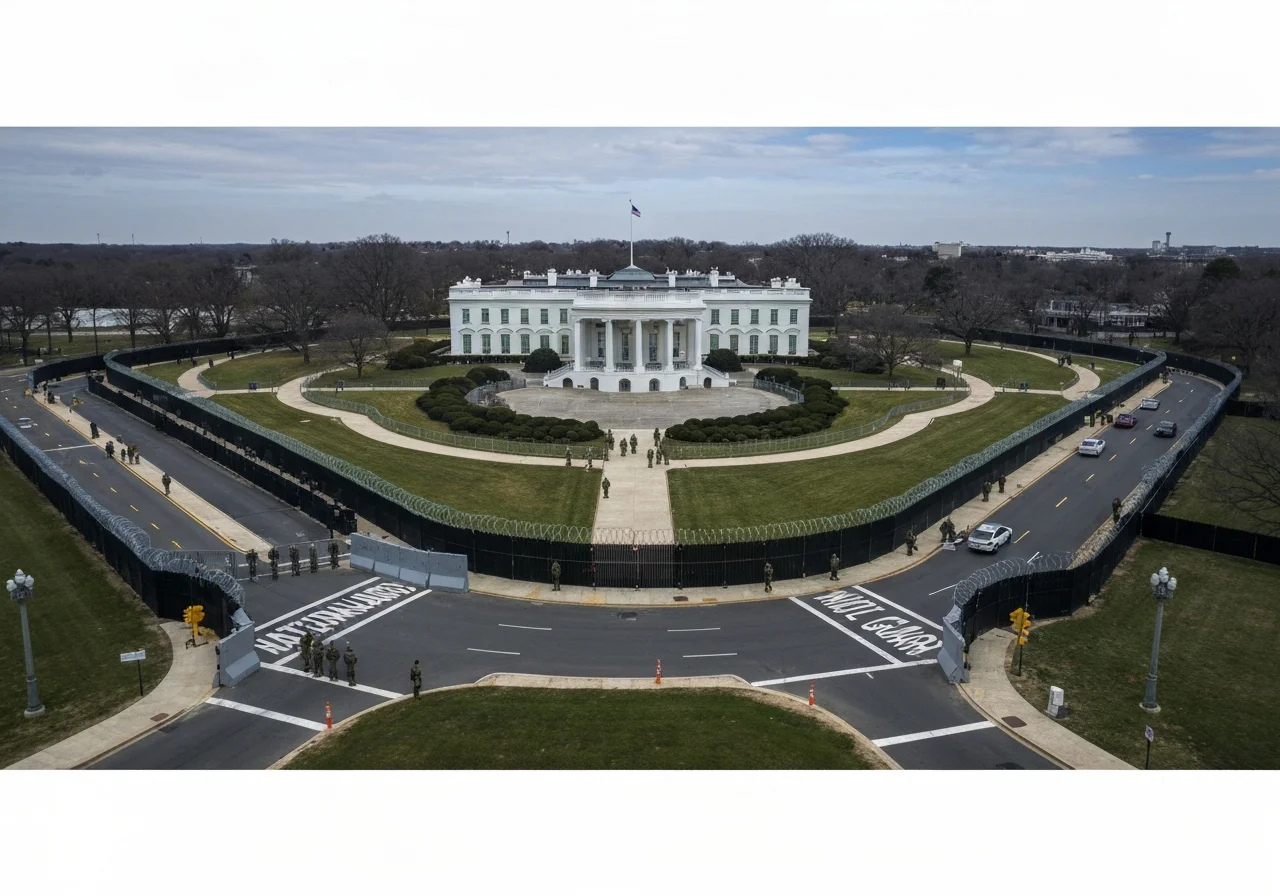
The recent shooting near the White House has exposed both the strengths and chinks in the armor of interagency coordination. Surveillance footage analyzed by authorities revealed the gunman "rounding the corner and opening fire almost immediately," as DC police executive assistant chief Jeffrey Carroll described. This breach occurred despite 2,188 National Guard troops being deployed—a number confirmed by government deployment updates.
The response showcased critical operational linkages: Guard members rushed to restrain the shooter while Secret Service agents provided medical aid, captured in graphic scene footage. This multilayered defense highlights the delicate balance between rapid response and systemic vulnerabilities in Executive Branch security protocols.
Long-term Military-Civilian Policing Balance
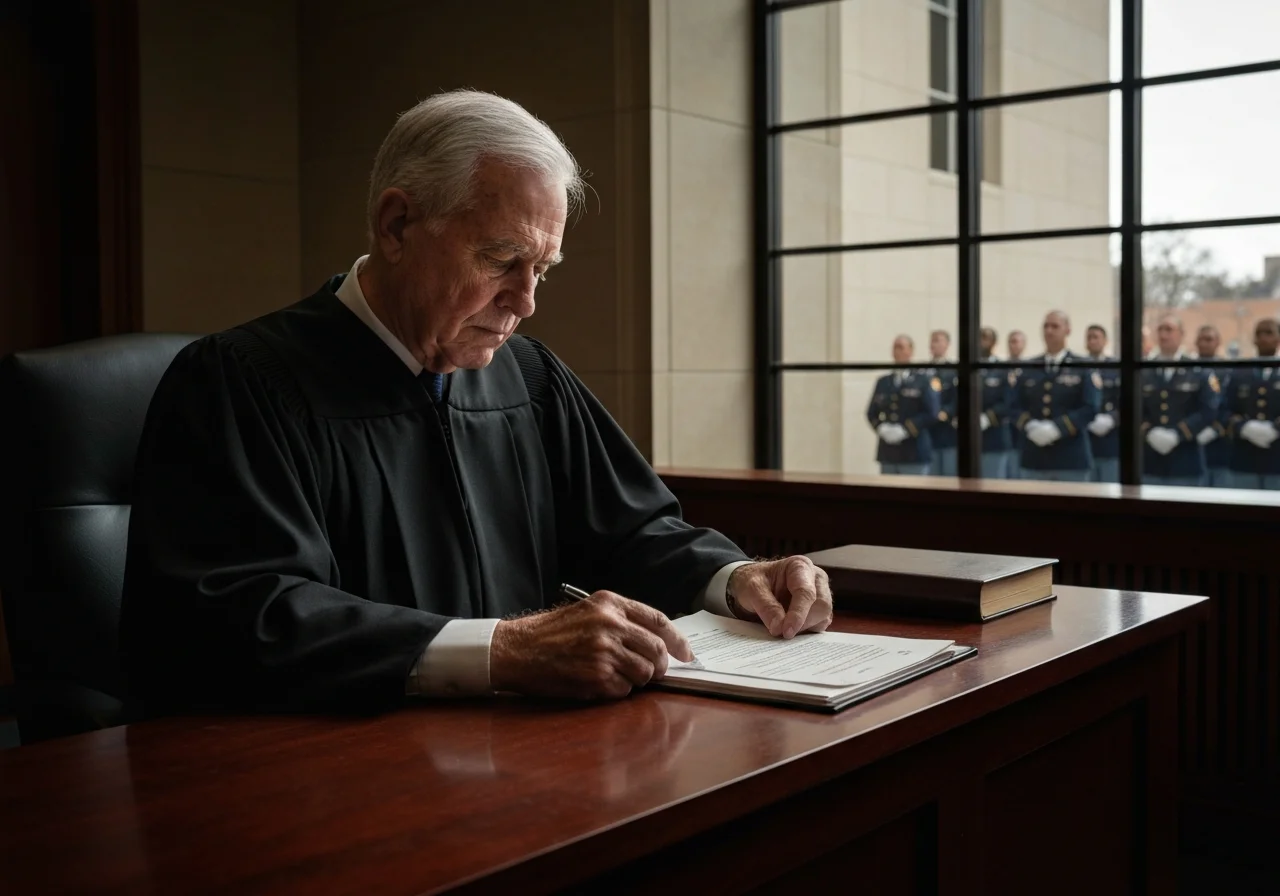
The Trump administration's emergency order—deploying Guard units from eight states—has opened a Pandora's box of constitutional questions under the Posse Comitatus Act. A federal judge recently ordered the deployment to end while allowing a 21-day stay, as detailed in court documents.
This incident fuels the debate about militarized domestic security. Guard members have been performing everything from neighborhood patrols to trash collection. The shooting's proximity to the White House may test legal interpretations of the "insurrection exception," especially given President Trump's characterization of the attack as an "act of terror". With 500 additional troops deploying, this constitutional tightrope walk shows no signs of resolution.
References


Get Daily Event Alerts for Companies You Follow
Free: Register to Track Industries and Investment Opportunities