

Why Is the US Military Striking Drug Boats in the Pacific?
Why Is the US Military Striking Drug Boats in the Pacific?
AI Summary
The Pentagon's aggressive counter-narcotics campaign has escalated with three strikes killing 14 alleged traffickers, raising legal and strategic concerns. Experts question military overreach and lack of evidence linking victims to cartels. Diplomatic tensions rise as regional protocols diverge.
Keywords
US Conducts Pacific Drug Boat Strikes
Three strikes kill 14 alleged traffickers
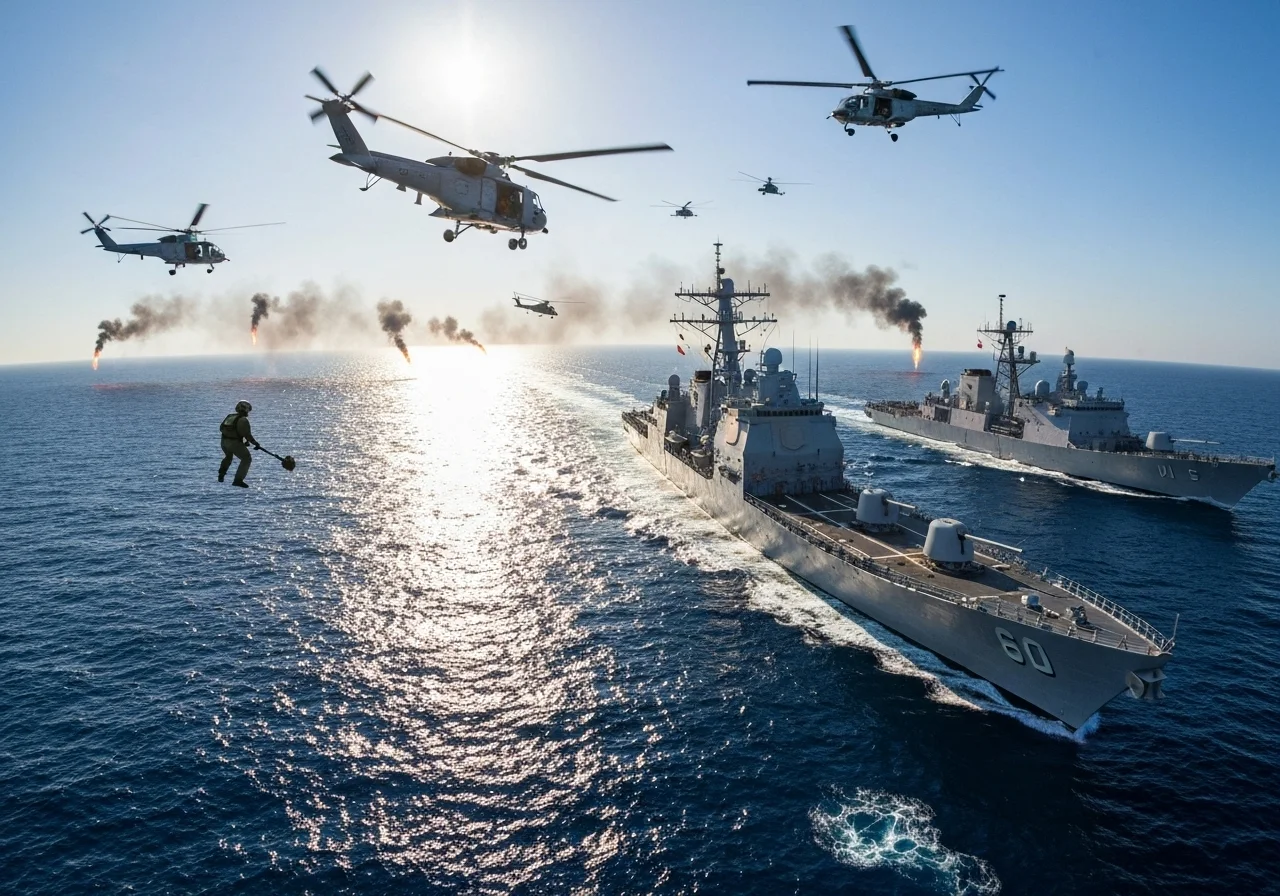
The Pentagon's latest counter-narcotics blitz saw three surgical strikes obliterate four drug-laden vessels off Colombia's coast—a textbook example of kinetic interdiction. Footage released by Defense Secretary Pete Hegseth shows the brutal efficiency: one overloaded "go-fast" boat detonating mid-transit, its cargo of white bundles vaporizing in the blast. The BBC's casualty breakdown reveals 14 traffickers KIA across sequential engagements, with a lone survivor fished from the wreckage—now cooling his heels in Mexican custody rather than being repatriated like September's survivors.
Escalation timeline since September
This 24-hour triple play marks a stark departure from September's cautious weekly strikes, with the BBC's running tally now showing 57 bodies piled up across 13 ops. The theater's expanded too—what began as Caribbean whack-a-mole now includes Pacific engagements near key trafficking chokepoints. When the AP timeline shows this tempo, you know someone's turned the heat to "broil."
Legal and Strategic Controversies
Questions over military vs law enforcement role
The Trump administration's pivot to military strikes against suspected drug traffickers—bypassing traditional Coast Guard interdiction protocols—has legal eagles squawking. As highlighted in PerthNow's report, maritime law specialists see this as a dangerous jurisdictional overreach, violating decades of precedent under Title 14 USC. The ABC News coverage reveals bipartisan congressional concerns about applying Law of Armed Conflict principles without declared war status or judicial oversight. This legal gray area becomes particularly murky given the administration's reliance on post-9/11 authorization frameworks—a stretch when no clear links exist between strike victims and specific cartel violence against U.S. citizens.
Cartel-terrorism comparison draws scrutiny
Defense Secretary Hegseth's "narco-terrorist" rhetoric is raising eyebrows faster than Treasury yields during a Fed meeting. While he claims cartels outkill Al-Qaeda, Fortune's investigation notes the Pentagon's evidentiary gap—zero verified data connecting the 57 fatalities to cartel operations. The BBC's analysis shows this semantic shift is already burning diplomatic bridges, with Colombia and Venezuela crying sovereignty violations after the October 28 strikes. Legal scholars warn this framing could become a slippery slope, expanding presidential war powers while eroding international norms governing military engagements.
TABLE_STRIKE-CASUALTY-BREAKDOWN
| Operational Phase | Fatalities | Geographic Focus |
|---|---|---|
| September 2025 | 22 | Caribbean Sea |
| October 2025 | 35 | Pacific Ocean |
| Single-Day Strike (Oct 28) | 14 | Colombian Waters |
Geopolitical Ramifications of Narcotics Campaign
Military buildup in Caribbean theater
The Pentagon’s latest chess move? Deploying the Ford carrier strike group to the Caribbean—a power play that’s got analysts buzzing. This isn’t your grandpa’s drug interdiction; we’re talking F-35s, guided-missile destroyers, and even a nuclear submarine lurking beneath the waves, per ABC News. PerthNow flags this as the first time counternarcotics ops have gotten wartime-level hardware. The message? Uncle Sam’s done playing whack-a-mole with drug runners—this is full-spectrum dominance.
Regional backlash and survivor protocols
Here’s where it gets messy: Mexico’s playing hardball with the lone survivor from Monday’s strikes (Fortune), while Colombia and Ecuador cut folks loose when evidence dried up (BBC). This patchwork of survivor protocols is fueling tensions faster than a cocaine-fueled stock rally—especially with Venezuela’s Maduro screaming foul over 50+ fatalities since September. When due process depends on which flag flies over the detention center, you’ve got a compliance nightmare brewing.
Counter-Narcotics as National Security Priority
Legal Frameworks and Transparency Gaps
The Trump administration's controversial use of post-9/11 counterterrorism statutes to authorize lethal strikes against alleged drug traffickers has raised eyebrows among legal eagles and policymakers alike. Defense Secretary Pete Hegseth's bold claim that cartels "have killed more Americans than Al-Qaeda" leans heavily on the 2001 AUMF—a legal framework originally crafted for dismantling terrorist networks. Yet, Fortune's investigative piece exposes glaring evidentiary holes, noting the administration's failure to connect the 14 Pacific strike victims to specific cartels or drug shipments. This opacity echoes BBC's findings regarding unidentified casualties across 13 prior operations.
The Pentagon's stonewalling on operational intelligence—think intercepted comms or cargo manifests—stands in stark contrast to the evidentiary rigor of the war on terror era. While CBS News parrots Hegseth's "narco-terrorist" labeling, the absence of judicial review or congressional oversight smacks of due process shortcuts. Legal scholars cited by PerthNow question why the Coast Guard—the designated maritime law enforcer—was sidelined in favor of kinetic strikes.
Strategic Implications of Militarized Enforcement
The administration's pivot from interdiction to full-blown kinetic operations signals a paradigm shift—treating drug trafficking as an existential threat worthy of military-grade solutions. ABC News tracks the strategic chess moves: Ford carrier groups and nuclear submarines now prowl the Caribbean, backing Hegseth's Twitter bravado about "hunting and killing" cartel operatives as combatants.
But this hardline approach risks diplomatic blowback. BBC's analysis spotlights Mexico's custody of Monday's sole survivor—a departure from prior repatriations to Colombia and Ecuador—exposing inconsistent protocols that could fray regional alliances. The fog of war thickens with Fortune's revelation about strikes in Colombian territorial waters, further complicating cooperation with key partners.
CARIBBEAN-DEPLOYMENT-MAP
<div data-table-slug="caribbean-deployment-map"> | Asset Type | Location | Quantity | |---------------------|------------------------|----------| | Carrier Strike Group | Eastern Caribbean | 1 | | Guided-Missile Destroyers | Near Venezuela | 3 | | F-35 Fighter Jets | Puerto Rico Base | 12 | | Nuclear Submarine | Classified | 1 | </div>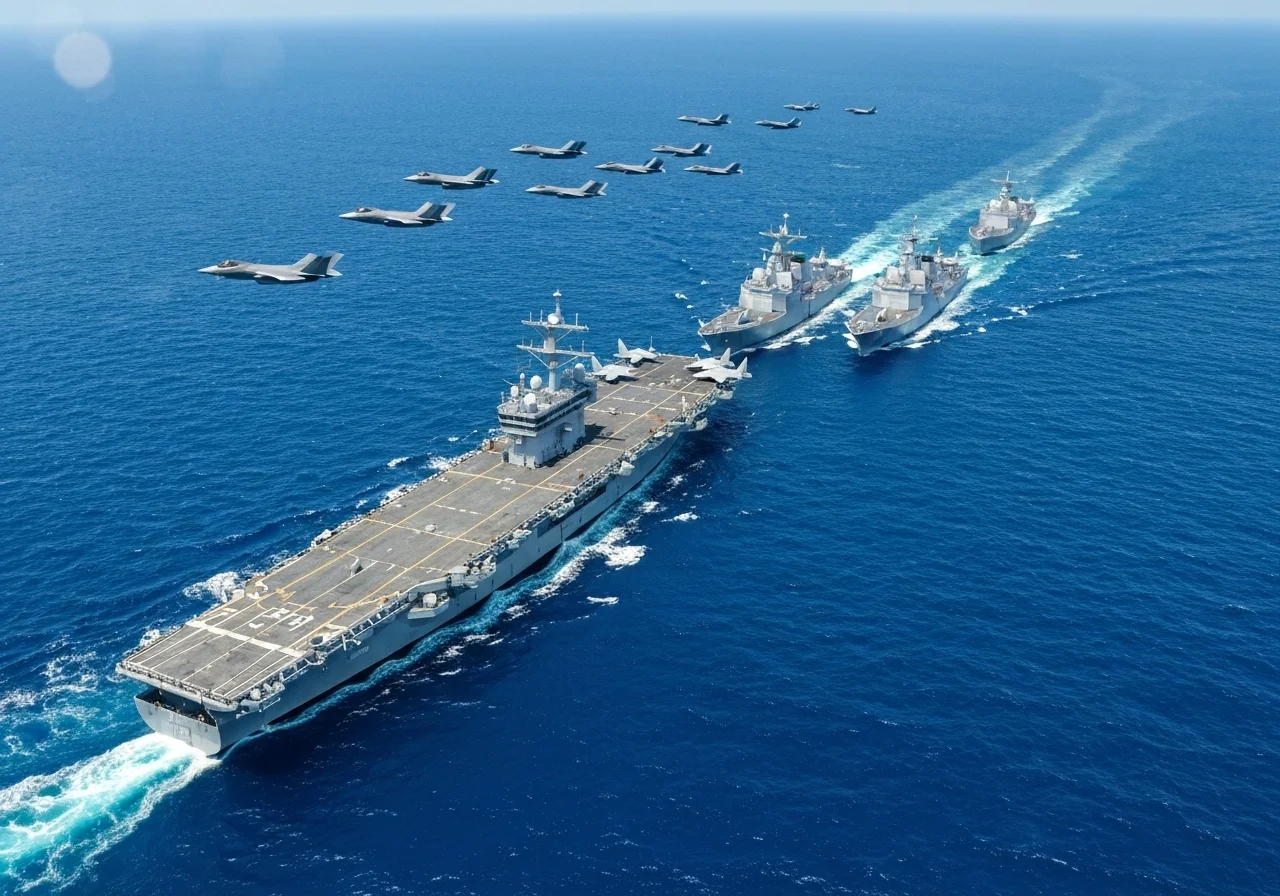
References


Get Daily Event Alerts for Companies You Follow
Free: Register to Track Industries and Investment Opportunities