

Trade War Escalation! Soybean Crisis & Rare Earth Showdown!
Trade War Escalation! Soybean Crisis & Rare Earth Showdown!
AI Summary
Trump's 'economically hostile' label on China's soybean halt triggers agricultural market instability while rare earth controls threaten tech sectors. Strategic cooking oil tariffs expose biofuel vulnerabilities in this precision economic warfare.
Keywords
Escalating Trade Tensions Between US and China
Trump labels soybean halt as "economically hostile"
The former president's fiery rhetoric isn't just political theater—it's a calculated move that reframes trade disputes through a national security lens. By branding China's soybean import suspension as "economically hostile", Trump effectively weaponizes agricultural trade policy. This semantic shift matters because it triggers different legal and diplomatic protocols than standard trade remedies.
Midwest farmers are caught in the crossfire, with China historically absorbing 60% of US soybean exports. The administration's framing suggests they're viewing this not as market fluctuation, but as coordinated economic warfare—a dangerous precedent that could justify more aggressive countermeasures.
Cooking oil proposed as retaliatory measure
Here's where it gets interesting—the selection of cooking oil as a retaliatory target reveals the chess match beneath the trade war headlines. Unlike blanket agricultural tariffs, this move surgically targets a $500 million import sector where China holds just 19% market share (see table below).
US-CHINA COOKING OIL TRADE
| Year | US Imports (USD millions) | Chinese Market Share |
|---|---|---|
| 2021 | 487 | 18% |
| 2022 | 532 | 21% |
| 2023 | 498 | 19% |
The biofuel angle adds complexity—China supplies 15% of US used cooking oil for ethanol production. This retaliatory measure walks the tightrope between political messaging and maintaining renewable energy supply chains. Trade veterans see this as a calibrated warning shot rather than full decoupling.
US soybean farmers face market instability
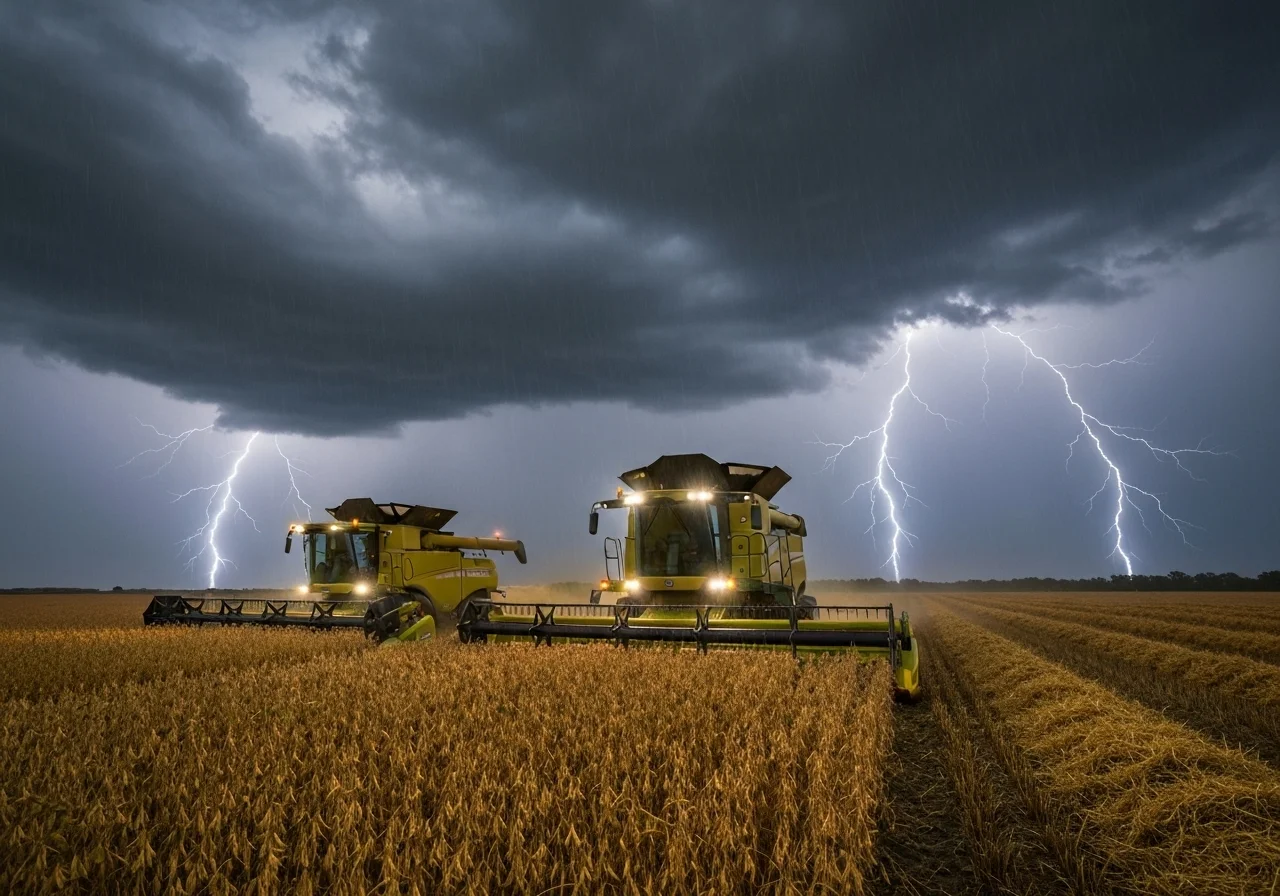
The Midwest’s soybean belt is staring down a perfect storm—China’s abrupt import freeze has sent shockwaves through America’s agricultural heartland. With over 80% of US soybeans grown across Iowa, Illinois, and Minnesota, regional producers are scrambling as prices teeter on collapse and grain bins near capacity. China’s 60% share of US soybean exports isn’t just a market segment—it’s the linchpin of rural economies.
Farmers now face a liquidity crunch as unsold inventories pile up, forcing the USDA to consider activating Price Loss Coverage programs to stave off defaults. Trump’s characterization of China’s move as an "economically hostile act" underscores the high-stakes brinksmanship at play.
SOYBEAN PRODUCTION CONCENTRATION
| State | % of US Production | Primary Harvest Period |
|---|---|---|
| Illinois | 15.2% | September - November |
| Iowa | 14.6% | September - October |
| Minnesota | 11.8% | August - September |
| Indiana | 9.4% | September - October |
Biofuel sector vulnerabilities exposed
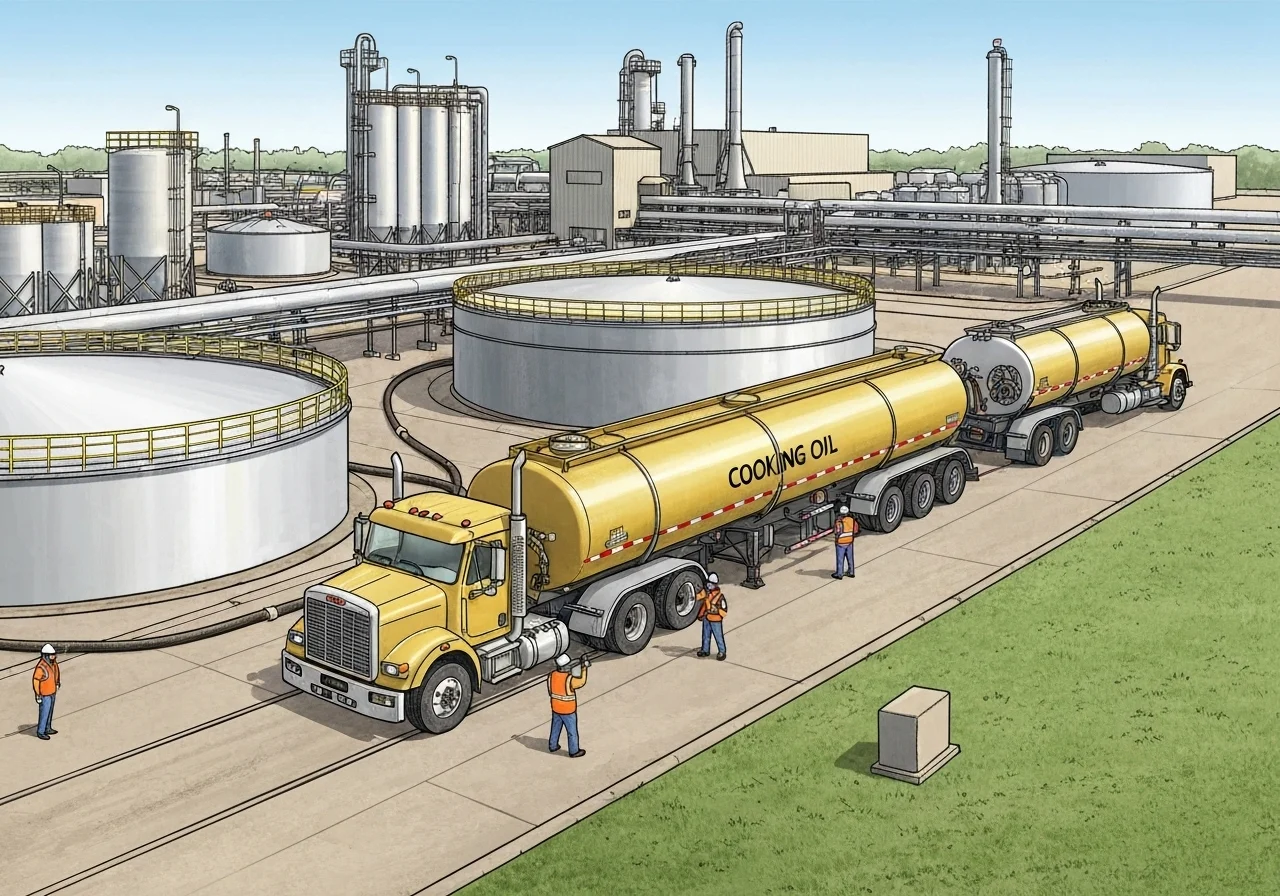
China’s retaliatory trade play has exposed a hidden fault line in America’s energy matrix—its grip on recycled cooking oil supplies. Nearly one-fifth of US biofuel feedstock flows from Chinese-sourced used cooking oil, putting ethanol producers in a bind as compliance costs for the Renewable Fuel Standard could spike 12-15%.
The $26 billion biofuel industry’s reliance on this niche import reveals how trade wars now ricochet across sectors. As the South China Morning Post reports, the soybean spat has morphed into an energy security headache, with Midwestern refineries scrambling to secure alternative feedstocks.
Geopolitical Calculus Behind Trade Threats
Rare earth elements factor into strategic standoff
China's rare earth export controls aren't just a trade skirmish—they're a masterclass in economic judo. By restricting 17 critical minerals like dysprosium and terbium (80% of global supply), Beijing's hitting where it hurts: semiconductors, EV batteries, and defense tech. This mirrors their 2010 squeeze play against Japan, proving they've kept this ace up their sleeve. The timing? Impeccable—hours after Trump's cooking oil volley, as SCMP reports. For U.S. manufacturers scrambling for alternatives, the message is clear: in the rare earth game, China holds all the chips.
Tariff threats signal hardening negotiation stance
Trump's 100% tariff gambit—floated via Twitter diplomacy—smacks of either brinksmanship or a seismic policy shift. Economists are split: is this just another pressure tactic in the playbook since 2018's opening salvos, or a genuine red line? As NDTV notes, the cooking oil threat ($1.2B biofuel feedstock trade) is niche but symbolic—a surgical strike in this economic cold war. The table below tells the story of a conflict that's gone from skirmishes to potential mutually assured disruption.
| Period | US Action | Chinese Countermeasure |
|---|---|---|
| March 2018 | 25% steel/aluminum tariffs | $3B retaliatory tariffs on US ag |
| July 2018 | 25% on $34B tech imports | Matching tariffs on US autos/soybeans |
| September 2018 | 10% on $200B consumer goods | 5-10% on $60B US chemicals |
| May 2019 | 25% hike on $200B list | Suspended soybean purchases |
| August 2024 | 100% tariff threat (proposed) | Rare earth export controls |
The escalation ladder keeps climbing, with both sides now playing for keeps in this high-stakes game of chicken. Rare earths and cooking oil might seem worlds apart, but in the geopolitics of trade, they're just different weapons from the same arsenal.
Commodity Markets as Geopolitical Leverage
The soybean-cooking oil faceoff shows how agricultural supply chains have morphed into economic chess pieces, with retaliatory tariffs sending shockwaves through interconnected sectors. This isn't your grandpa's trade war—it's precision-targeted economic statecraft where both superpowers strategically pick battles that sting the opponent while cushioning domestic blowback.
US-China Trade War Escalation Through Agricultural Commodities
When Trump blasted China's soybean freeze as an "economically hostile act", he wasn't just firing tweets—he was revealing the new playbook for commodity warfare. The proposed cooking oil embargo hits a sweet spot: a $2.1 billion pressure point that avoids immediate US grocery aisle chaos. This tit-for-tat tango exposes how today's trade conflicts weaponize supply chain dependencies rather than just slapping blanket tariffs.
Biofuel Supply Chain Vulnerabilities
Here's the kicker—China supplies 15% of the used cooking oil that fuels America's ethanol machines, as SCMP's analysis reveals. The soybean spat could jam gears in renewable energy production, proving how modern trade battles ricochet across industries you'd never connect. One minute it's about farm exports, next thing you know biofuel plants are sweating inventory reports.
Rare Earth Elements Trade Parallels
While soybeans and cooking oil dominate headlines, China's rare earth export controls quietly tighten the vise. This dual-front commodities squeeze—agricultural and technological—showcases 21st-century economic warfare where trade in physical goods becomes negotiation leverage. The soybean-oil clash isn't just about crops; it's a masterclass in surgically precise supply chain coercion.

References


Get Daily Event Alerts for Companies You Follow
Free: Register to Track Industries and Investment Opportunities