

Peace Deal Breakthrough: Will Ukraine's Agreement End the War?
Peace Deal Breakthrough: Will Ukraine's Agreement End the War?
AI Summary
Ukraine has formally accepted a US-mediated peace framework with Russia, signaling a potential end to the conflict. Key negotiation points and international responses analyzed, with insights into geopolitical and energy market consequences. Monitor implementation for lasting stability.
Keywords
Ukraine Accepts Core Peace Terms
US-brokered agreement framework
The geopolitical chessboard just witnessed a major move—Ukraine’s formal acceptance of the U.S.-mediated peace framework. This isn’t just diplomatic window dressing; it’s a hard-won consensus after Geneva’s marathon negotiations, as The Daily Signal exclusively reported. Rustem Umerov’s social media confirmation signals more than progress; it’s a potential inflection point in a four-year stalemate. The White House’s "tremendous" assessment, coupled with Army Secretary Driscoll’s Abu Dhabi shuttle diplomacy, underscores the Trump administration’s kinetic involvement. But let’s not pop the champagne yet—security guarantees and territorial provisions remain under wraps until Moscow weighs in.
Outstanding negotiation points
Here’s where the rubber meets the road: those pesky "minor details" CBS News flagged are actually make-or-break elements. Verification protocols and withdrawal sequencing aren’t footnotes—they’re the fine print that’ll determine whether this deal holds or unravels. The trilateral technical teams now face the grind of converting handshakes into enforceable mechanics before Zelenskyy’s DC touchdown.
| Negotiation Phase | Completion Status | Key Stakeholders |
|---|---|---|
| Framework Agreement | Signed (Geneva) | US-Ukraine Bilateral |
| Technical Annexes | Drafting Stage | Trilateral Working Groups |
| Implementation Protocols | Pending | EU Observers Required |
The phased rollout isn’t just procedural—it’s a risk mitigation playbook. By layering implementation, parties can build trust while keeping hardliners in check. Ukraine’s explicit EU outreach? That’s the geopolitical hedge—ensuring the settlement doesn’t live or die by bilateral dynamics alone.
International Response Dynamics
US diplomatic engagement
The White House's "tremendous progress" declaration signals a potential inflection point in this geopolitical saga. Army Secretary Dan Driscoll's shuttle diplomacy in Abu Dhabi reflects Washington's full-court press to lock down terms before election-year politics muddy the waters. The BREAKING: Ukraine Agrees to Peace Deal to End War report reveals textbook crisis negotiation tactics—front-load concessions to create irreversible momentum.
Russia's delayed reaction
Moscow's radio silence post-Kyiv's acceptance smells like classic Kremlin rope-a-dope. As Details on Ukraine's agreement to peace proposal notes, this strategic pause likely masks factional infighting over whether to cash in diplomatic chips or hold out for better terms. The delayed reaction window gives Putin crucial leverage to re-tweak the agreement's fine print.

| Event | Location | Key Participants | Outcome |
|---|---|---|---|
| Framework Negotiation | Geneva | U.S. & Ukrainian delegations | Agreement on core peace terms |
| Finalization Talks | Abu Dhabi | Army Secretary Driscoll, Russia | Presentation of U.S. peace plan |
Zelenskyy's pending US visit
The upcoming Washington summit represents the financial diplomacy equivalent of a term sheet signing—where handshakes transition to hard commitments. Zelenskyy's face-to-face with Trump serves as the final due diligence checkpoint before treaty ratification, mirroring corporate dealmaking's closing conditions phase. Geneva's "common understanding" on core terms now requires the precision of an accounting reconciliation, with White House officials signaling 90% of contentious items are already in the pro forma column.
European coordination needs
Kyiv's EU outreach operates like a capital call—seeking liquidity injections for post-conflict reconstruction. Umerov's public appeal functions as a roadshow pitch for transatlantic investors, where energy infrastructure and border security projects demand Brussels' balance sheet. The multilayered approval process echoes syndicated loan dynamics, with sanctions relief clauses requiring unanimous consent from all stakeholder nations.

Geopolitical Consequences of Settlement
Regional Power Rebalancing
The Ukraine-Russia peace deal isn't just a ceasefire—it's a geopolitical earthquake shaking Eastern Europe's foundations. NATO's eastern flank now faces a strategic dilemma: how to recalibrate defense postures when the frontline suddenly shifts. The BREAKING: Ukraine Agrees to Peace Deal to End War report reveals Moscow's potential to consolidate gains in Donbas under the guise of "disputed territories." That Kremlin radio silence noted in Details on Ukraine's agreement to peace proposal? Classic Russian strategic ambiguity—the diplomatic equivalent of a loaded gun left on the negotiation table.
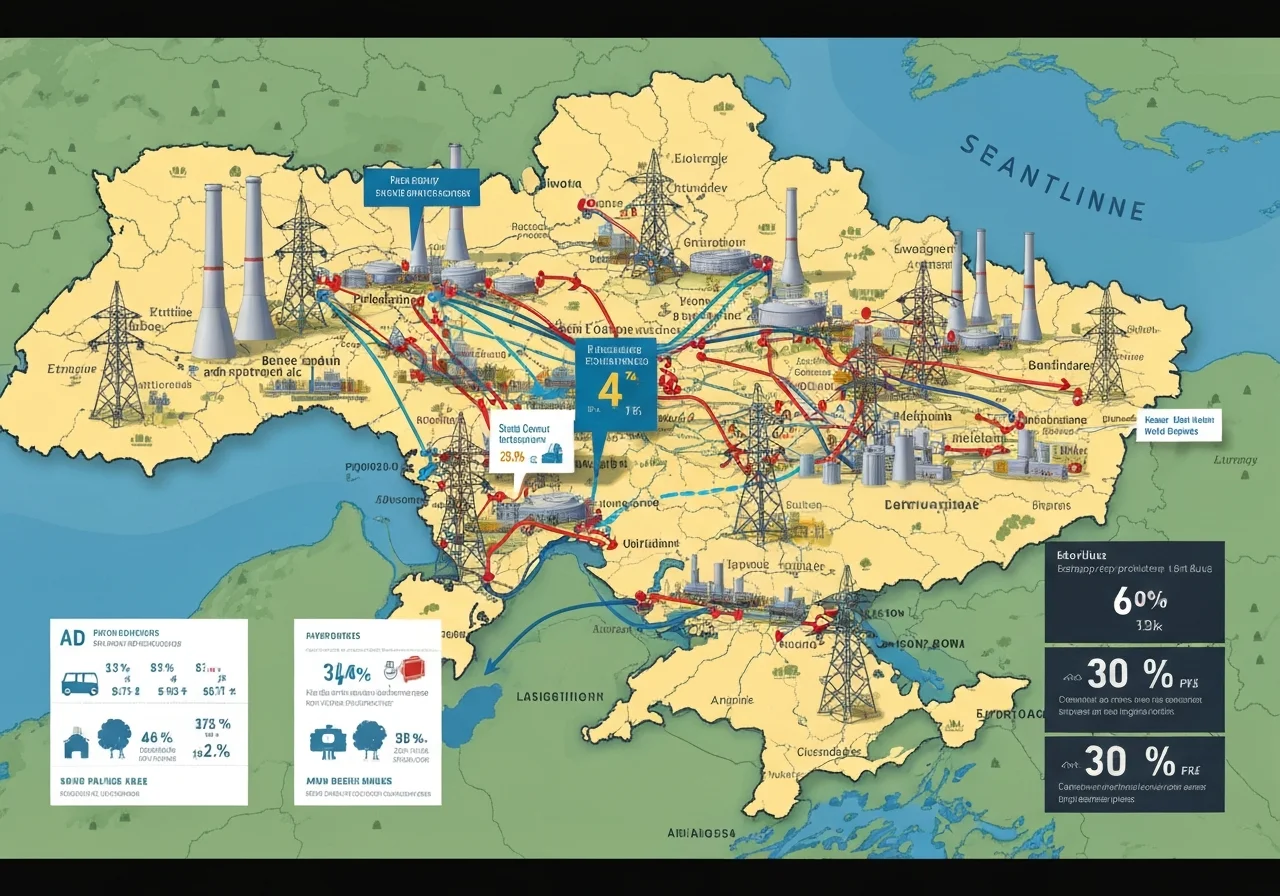
Energy Market Implications
Here's where the rubber meets the pipeline route. Ukraine's energy transit fees—the lifeblood of its war-torn economy—now hang in the balance. The Ukrainians react as U.S. official signals progress in peace proposal with Russia piece exposes Brussels' tightrope walk: guarantee Ukrainian energy revenues without triggering Russian supply cuts. Market veterans know this dance—when geopolitics meets gas contracts, expect 12-18 months of pricing volatility as traders digest new pipeline governance terms.
Global Diplomatic Precedents
Washington just wrote the playbook for frozen conflict resolution—but will the pages stick? The What we know about Ukraine agreeing to a proposed peace plan with Russia analysis reveals the art of incremental concessions, while Ukraine agrees to peace proposal, with "minor details" to settle, official says; no word from Russia exposes the Achilles' heel: enforcement mechanisms. From Taiwan to Transnistria, every revisionist power now studies how Moscow turned battlefield stalemate into strategic gains without firing another shot.
References


Get Daily Event Alerts for Companies You Follow
Free: Register to Track Industries and Investment Opportunities