

Typhoon Fung-wong's Deadly Wrath: 1.4 Million Lives Upended
Typhoon Fung-wong's Deadly Wrath: 1.4 Million Lives Upended
AI Summary
Typhoon Fung-wong caused 6 deaths and displaced 1.4 million in the Philippines, with 1,000+ homes destroyed. Climate change is increasing typhoon intensity, demanding better disaster preparedness and international cooperation.
Keywords
Assessing the immediate human toll
Fatalities and displacement statistics
The human cost of Typhoon Fung-wong presents a textbook case of disaster reporting discrepancies—official tallies oscillate between 4-6 fatalities like a volatile stock ticker. The CBS News report catalogs six casualties including three pediatric cases in Nueva Vizcaya landslides, while NPR's coverage consolidates at four with emphasis on Kayapa town's child victims.
Displacement metrics tell a more consistent—and alarming—story. Over 1.4 million residents became involuntary participants in what amounts to the Philippines' largest forced migration event this quarter, per ABC News and The Hindu. The 318,000 still in shelters as of Monday reflect systemic infrastructure fragility—a sobering metric for disaster recovery analysts.
Infrastructure and property damage
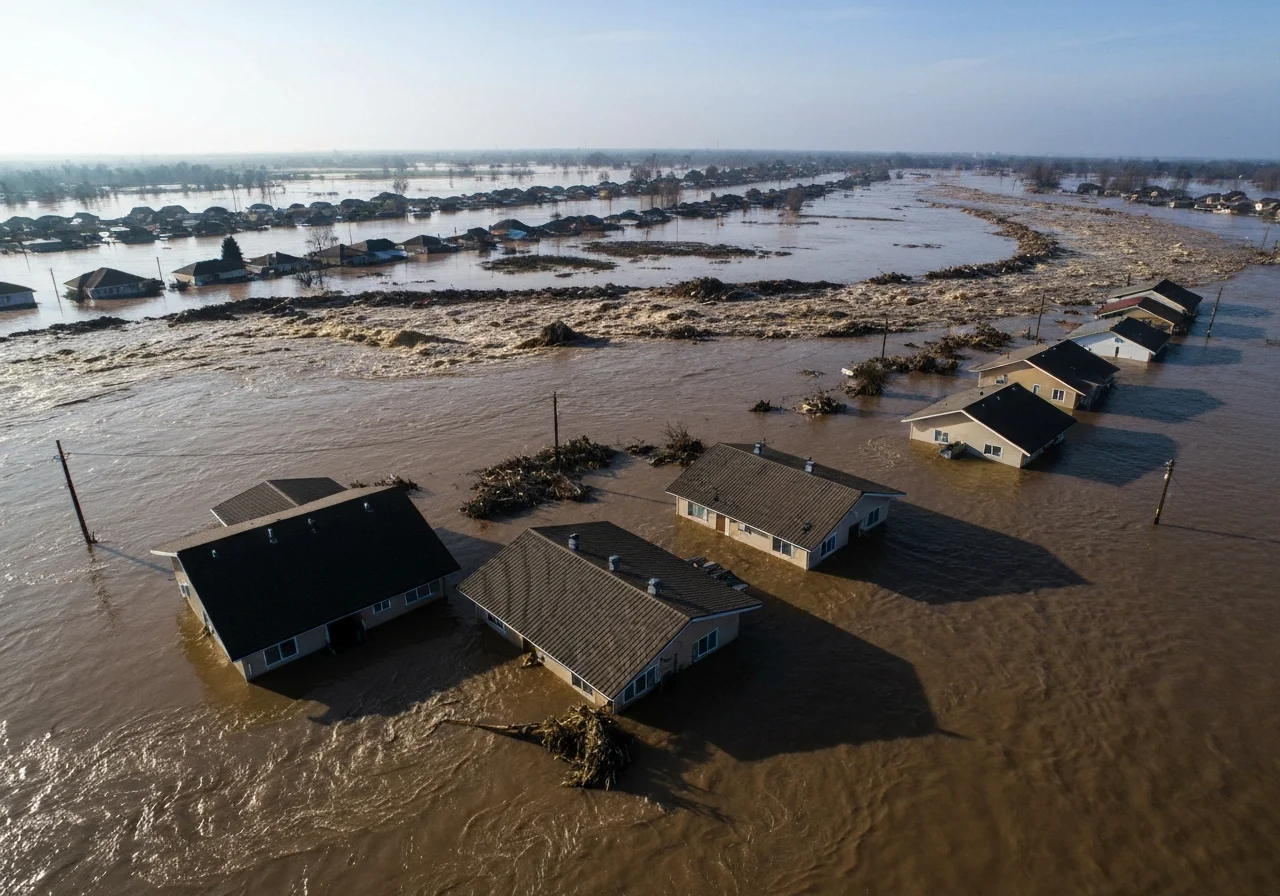
Northern Luzon's agricultural plains absorbed the brunt like an overleveraged balance sheet, with 1,000+ residential structures written off as total losses. The Hindu's report details three towns rendered inaccessible—nature's version of force majeure clauses playing out through landslide-blocked arteries.
The cascading failures read like a risk manager's nightmare: 115 mph winds triggered province-wide blackouts in Aurora and La Union, while transport networks experienced their own liquidity crisis—325 domestic flights grounded, 61 international routes suspended, and 6,600 maritime workers stranded by coast guard prohibitions. The 132 flooded villages, some requiring rooftop rescues, underscore the nonlinear escalation of water-related hazards.
Crisis response and regional implications
Emergency measures and evacuation protocols
The Philippine government's evacuation protocols demonstrated marked efficiency, relocating 1.4 million residents preemptively—with 318,000 occupying emergency shelters as Fung-wong made landfall. This response eclipsed measures during Typhoon Kalmaegi, where delayed evacuations contributed to higher casualties (224 deaths). Critical infrastructure failures persisted, however, with power outages paralyzing entire provinces and 1,000+ homes damaged by 143 mph gusts, as documented in Super Typhoon Fung-wong batters the Philippines.
EVACUATION_METRICS
| Province | Shelter Occupancy Rate | Key Infrastructure Impact |
|---|---|---|
| Aurora | 87% | Power grid collapse |
| Nueva Vizcaya | 92% | Landslide-blocked highways |
| La Union | 78% | Port closures |
| Metropolitan Manila | 65% | Flight cancellations |
Climate change and typhoon intensification
Meteorological data reveals a troubling trend: Fung-wong's rapid intensification to super typhoon status (115+ mph winds) aligns with the Philippines' 20 annual cyclones—a frequency increasing by 4% annually since 2000 due to warming seas. As noted in Typhoon Fung-wong blows out of Philippines, warmer oceans enable storms to absorb 7% more moisture per degree Celsius, exacerbating rainfall intensity. This climatic shift demands recalibration of disaster models, particularly for sequential events like Fung-wong following Kalmaegi’s devastation.
Compounding disasters in the Pacific Rim
Sequential storm impacts on recovery
The Philippines got sucker-punched by a one-two typhoon combo that would make any risk manager sweat. After Typhoon Kalmaegi left 224 bodies in its wake, Fung-wong came barreling in before the ink dried on damage assessments—classic "disaster stacking" that's becoming the new normal in our climate-changed world. The numbers tell a brutal story: 318,000 souls crammed into evacuation centers while civil defense teams played whack-a-mole with landslides in Nueva Vizcaya, where three kids got swallowed by mudslides.
Here's the kicker—Fung-wong didn't just add fresh damage; it torpedoed ongoing repairs from Kalmaegi, creating a logistical nightmare that stretched Manila's disaster playbook to its limits. When 1,000+ homes get tagged by consecutive storms, even the best emergency protocols start looking threadbare.
International preparedness for extreme weather
Watching the U.S. and Japanese forces snap to attention was like seeing contingency plans spring to life—a masterclass in disaster capitalism. While Manila hadn't even finished taking inventory of Kalmaegi's damage, Yokosuka Naval Base already had choppers spinning up. That's the paradox of modern crisis response: regional allies can deploy faster than local governments can say "state of emergency."
President Marcos Jr.'s dual-event emergency declaration was a slick move—the bureaucratic equivalent of killing two birds with one stone. But let's not kid ourselves; when 61 flights get grounded during Fung-wong, it exposes the cracks in our shiny new multilateral systems. The real test? Whether these ad-hoc task forces can morph into standing capacity before the next climate-fueled haymaker lands.
References


Get Daily Event Alerts for Companies You Follow
Free: Register to Track Industries and Investment Opportunities