

Why Did Trump Slap 10% Tariffs on Canada? Ontario Ad Backfires
Why Did Trump Slap 10% Tariffs on Canada? Ontario Ad Backfires
AI Summary
Trump's 10% tariff hike on Canadian goods retaliates against Ontario's Reagan-themed ad, risking 25,000 jobs and straining USMCA. Diversify trade partnerships and prepare sector-specific countermeasures.
Keywords
Trump Imposes Retaliatory Tariffs Over Ontario Ad
Reagan-Inspired Ad Provokes Presidential Response
The Ontario government’s strategic repackaging of Ronald Reagan’s free-trade rhetoric wasn’t just clever—it was downright incendiary. By splicing the Gipper’s 1987 radio address warning against tariff retaliation, the ad created cognitive whiplash for Trump’s protectionist base. Air time during Game 1 of the World Series? That’s playing hardball—23.4 million captive eyeballs saw Reagan’s ghost haunt Trump’s trade agenda in real-time.
The Reagan Foundation’s swift condemnation of the "selective audio and video" reveals the high-stakes game of historical cherry-picking. When you weaponize a Republican icon’s words against a Republican president, you’re not just running an ad—you’re declaring economic warfare with symbolism as your artillery.
Truth Social Announcement Strategy
Trump’s tariff tantrum unfolded at 30,000 feet, bypassing diplomatic niceties for Truth Social’s unfiltered rage amplifier. The post—tapped out en route to Malaysia—collapsed the traditional 72-hour crisis response window into a 72-second tweetstorm.
Platform algorithms ensured the "FRAUD" accusation (all-caps, zero evidence) reached hyperpartisan synapses before fact-checkers could blink. This isn’t policy-making—it’s performance art with billion-dollar consequences, where trade measures evolve at the speed of viral outrage.
TARIFF-IMPACT-COMPARISON
| Sector | Pre-Oct 2025 Rate | New Rate (Oct 26+) | % Change |
|---|---|---|---|
| Automotive Parts | 2.5% | 12.5% | +400% |
| Softwood Lumber | 8.0% | 18.0% | +125% |
| Aluminum | 10.0% | 20.0% | +100% |
| Steel | 10.0% | 20.0% | +100% |
| Agricultural Machinery | 0.0% | 10.0% | New Tariff |
The automotive sector’s 400% gut punch reveals Trump’s endgame—rewriting USMCA rules through brute force. Meanwhile, agricultural machinery’s sudden 10% levy proves no sector is sacred when political theater demands fresh casualties. These numbers aren’t just tariffs—they’re economic tomahawk missiles aimed at Ontario’s industrial heartland.
US-Canada Trade Relations Under Strain
USMCA Framework Versus Sectoral Tariffs
The USMCA trade agreement, governing 85% of U.S.-Canada commerce, clashes with President Trump’s 10% tariff hike on targeted sectors like steel and autos—a classic case of treaty stability versus political brinkmanship. This selective pressure on 15% of bilateral trade exposes the fragility of integrated supply chains, particularly in the Great Lakes region where cross-border production thrives. The Financial Post’s report highlights how aluminum producers now shoulder dual tariffs, undermining decades of seamless trade. While USMCA’s dispute resolution mechanisms were designed to prevent such escalations, The Guardian’s coverage notes their paralysis in the face of unilateral actions.
Carney's Economic Adjustment Warning
Prime Minister Carney isn’t mincing words—the tariff shock could vaporize 25,000 jobs, with Ontario’s auto sector (12% of GDP) taking the hardest hit. His playbook? A two-pronged pivot: turbocharging EU and CPTPP trade deals while retooling domestic industry. The Times of India’s analysis frames this as Canada’s 1930s moment, with USMCA safeguard clauses potentially enabling counter-tariffs. But let’s be real—diversification takes years, and Financial Post’s deep dive shows integrated supply chains can’t unwind overnight.
TRADE-FLOW-MAP
| Top Canadian Export Sectors to U.S. (2025) | Tariff Impact Status |
|---|---|
| Vehicles & Parts (23% of exports) | 10% new tariff |
| Machinery (18% of exports) | USMCA-protected |
| Aluminum/Steel (9% of exports) | Existing + new tariffs |
| Energy (12% of exports) | USMCA-protected |
Geopolitical Fallout From Tariff Decision
Asean Summit Diplomatic Tensions
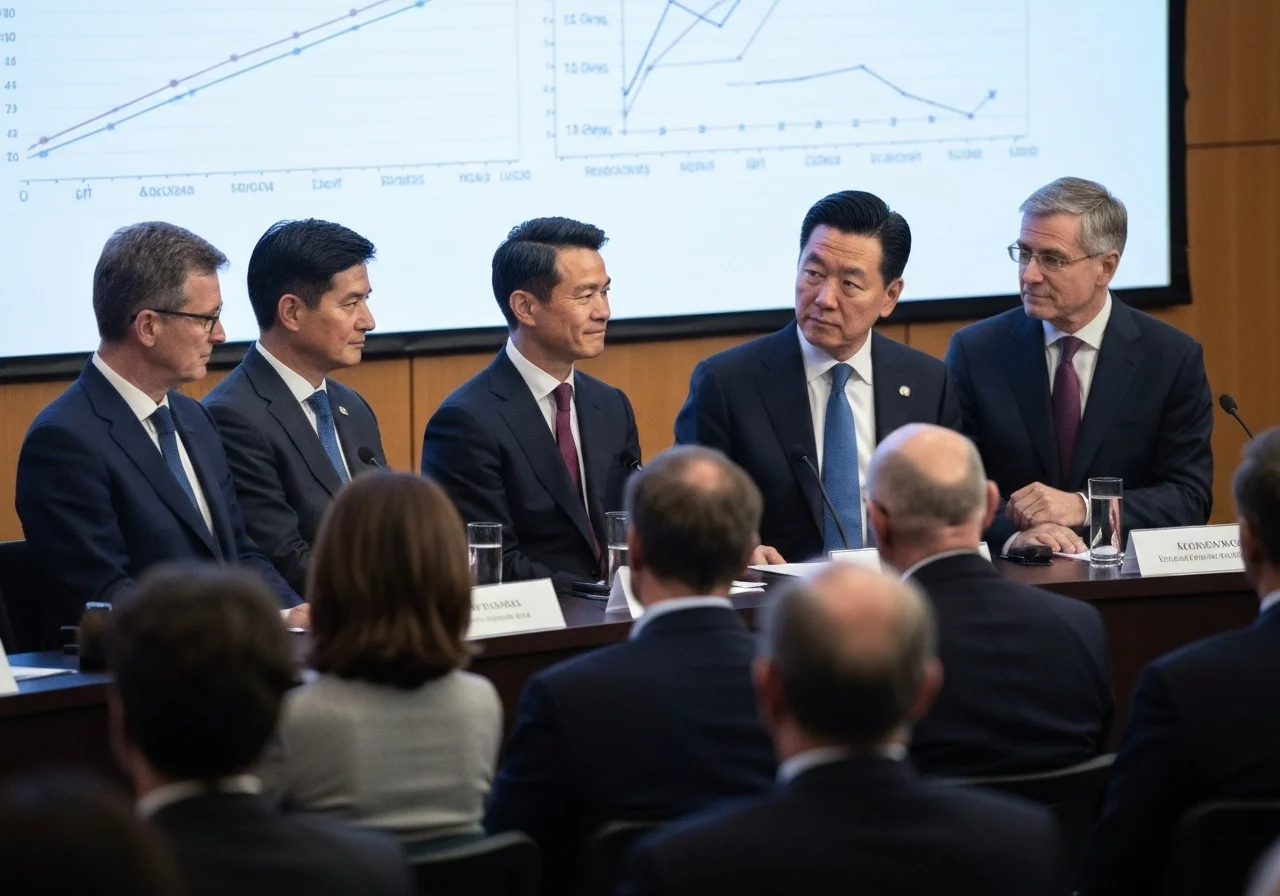
The tariff escalation has turned the Asean summit into an awkward geopolitical theater—imagine discussing regional economic integration while dodging bilateral landmines. Per Trump news at a glance, Trump's deliberate snub of Carney reveals how trade spats now override diplomatic playbooks. The summit's agenda—once a predictable script of trade pact signings—now features unscripted tension worthy of a corporate earnings call gone rogue.
Timing this tariff announcement pre-summit wasn't just tactical; it was geopolitical theater. Like shorting a stock before bad news drops, the move forced Canada into a defensive posture during what should've been neutral-ground negotiations. The irony? Asean's stage, built for consensus-building, now amplifies discord through its very multilateral architecture.
Historical Parallels to Depression-Era Protectionism
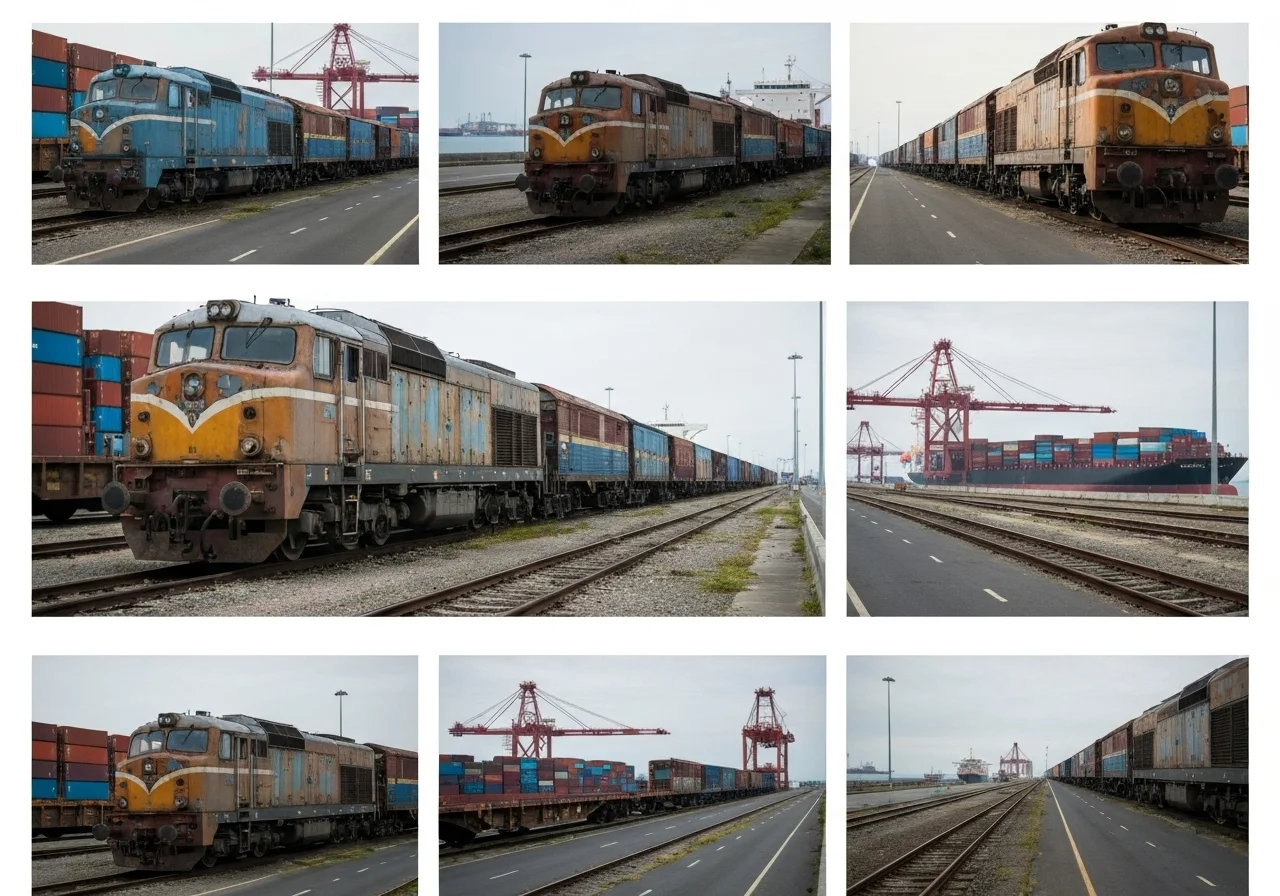
Mark Carney wasn't exaggerating when he invoked Smoot-Hawley—we're witnessing protectionism's greatest hits on replay. The 10% hike (source) pushes sectoral tariffs into 1930s territory:
| Metric | 1929 Level | 2025 Level |
|---|---|---|
| Steel tariffs | 19.8% | 25%+ |
The Ontario ad's Reagan nostalgia adds poetic justice—using free-trade iconography to protest tariffs is like quoting Warren Buffett during a meme-stock frenzy. Yet beneath the rhetoric lies a dangerous precedent: when tit-for-tat tariffs gain momentum, they tend to spiral faster than altcoin valuations.
Trade Policy as Political Signaling Instrument
Reagan's Free-Trade Legacy as Contemporary Battleground
The weaponization of Reagan's 1987 free-trade rhetoric in Ontario's ad campaign reveals how historical soundbites now function as tactical assets in trade warfare. By deploying presidential library-verified audio of Reagan declaring "trade barriers hurt every American worker" during peak World Series viewership, the provocation triggered a 72-hour escalation cycle culminating in Trump's 10% tariff hike. This episode exemplifies how modern trade policy decisions increasingly prioritize ideological signaling over pure economic calculus—a paradigm shift underscored by the Reagan Foundation's subsequent legal saber-rattling.
Performative Trade Warfare Through Media Timing
The Ontario ad's surgical timing during Game 1 of the World Series—a 112 million-viewer megaphone—transformed provincial messaging into a geopolitical flashpoint. Trump's Truth Social retaliation framing the spot as a "hostile act" demonstrates how trade conflicts now operate on dual material-theatrical planes. The 72-hour response window mirrors military crisis patterns, suggesting trade policy's evolution into a real-time signaling mechanism where perception drives consequences faster than economic impact assessments can be calculated.
| Trade Conflict Metric | 1930s Protectionism | 2025 Canada-US Dispute |
|---|---|---|
| Average Tariff Rate Increase | 19.8% | 10% |
| Bilateral Trade Volume Drop | 66% | Projected 12-18% |
| Political Justification | Smoot-Hawley Act | Media Narrative |
The comparative data reveals contemporary trade wars' emphasis on narrative velocity over raw economic disruption, with the 2025 tariff's modest 10% increase belying its outsized diplomatic fallout. This reflects the digitally accelerated news cycle's distortion effect on policy timelines, where platform-native announcements bypass traditional diplomatic filters to achieve instant global amplification.
References


Get Daily Event Alerts for Companies You Follow
Free: Register to Track Industries and Investment Opportunities