

Will Trump's Tariff Cuts Actually Lower Your Grocery Bill?
Will Trump's Tariff Cuts Actually Lower Your Grocery Bill?
AI Summary
The Trump administration's 60-66.7% tariff cuts on key food imports target inflation relief, with projected 8-12% price drops. While easing consumer costs, long-term trade policy shifts raise questions about domestic food security and global supply dependencies.
Keywords
Analyzing the Policy Shift
Key tariff reductions announced
The Trump administration's tariff rollback reads like a grocery shopper's wishlist—Brazilian beef, coffee beans, and tropical fruits getting the most aggressive cuts. This isn't just tinkering at the edges; we're talking 60-66.7% reductions that'll show up at checkout counters. The White House clearly targeted categories where inflation bit hardest—just look at Brazilian beef imports that had become luxury items under 25% levies.
TABLE_NAME
| Food Category | 2024 Rate | 2025 Rate | % Change |
|---|---|---|---|
| Brazilian Beef | 25% | 10% | -60% |
| Coffee Beans | 15% | 5% | -66.7% |
| Tropical Fruits | 20% | 8% | -60% |
| Processed Cocoa | 12% | 4% | -66.7% |
| Spices | 18% | 6% | -66.7% |
The secondary beneficiaries—cocoa, spices, bananas—tell us this is about more than headlines. It's surgical strike on food inflation, with the administration playing commodity arbitrage.
Political context driving decision
Let's connect the dots—Democratic wins in Virginia and New Jersey sent shockwaves, with 68% of voters screaming about inflation. The administration's response? A tariff pivot so abrupt it'd make a day trader dizzy. This isn't just policy—it's political triage, with the White House scrambling to deflate Democratic attack ads about grocery bills.
Historical precedent? Thin as a recession-era budget. Only Reagan attempted similar mid-term course corrections. The "strategic recalibration" spin can't mask the electoral calculus here—new trade deals with Ecuador and Guatemala provide cover, but the timing reeks of damage control as the Associated Press noted. When tariffs become ballot-box liabilities, even protectionists become free-trade converts.
Immediate consumer price impacts
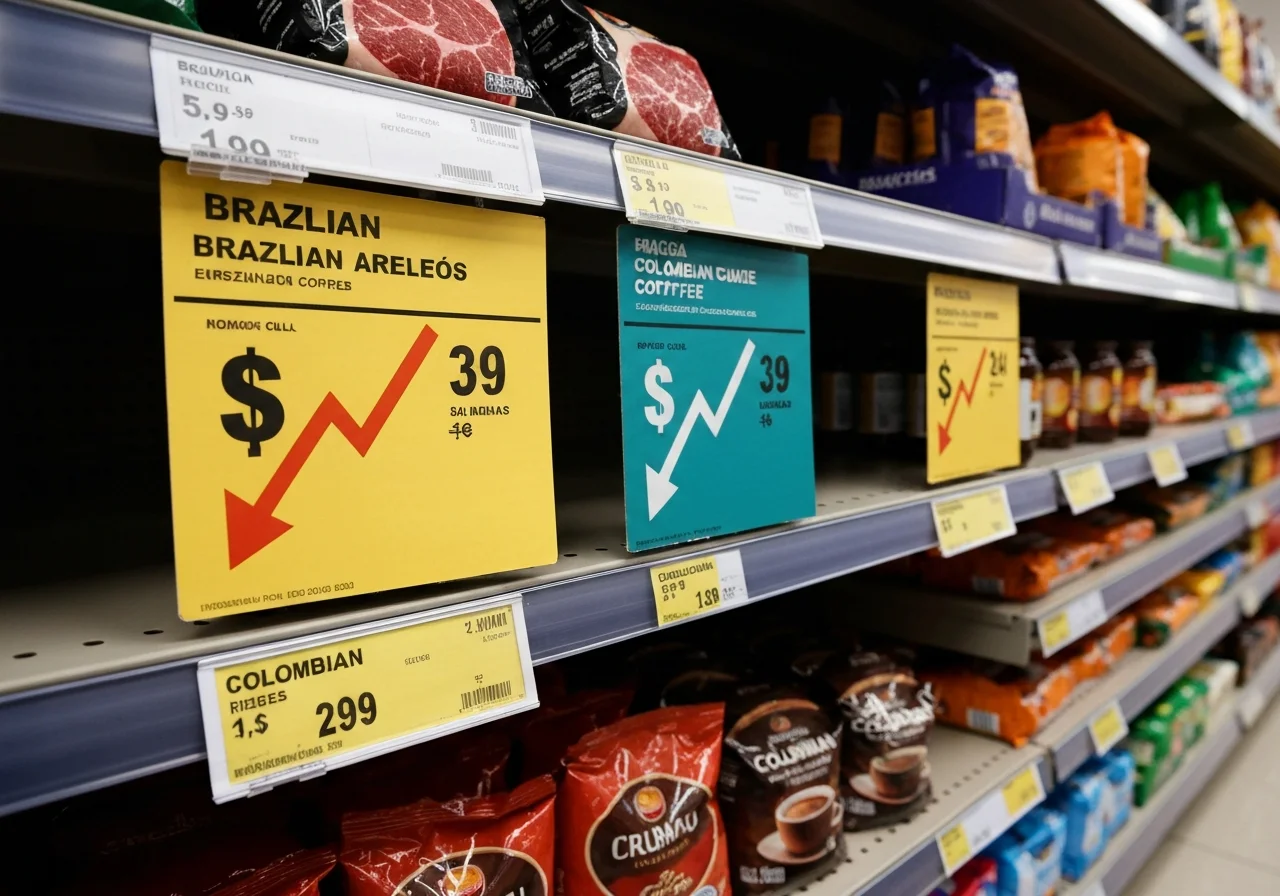
Let’s cut through the noise—this tariff rollback is about to put real money back in shoppers' pockets. We’re staring down 8-12% price drops on staple groceries, with Brazilian beef leading the charge (projected -11%). That’s not just statistical noise—it’s the kind of relief that shows up in weekly receipts, especially for tropical fruits and coffee where US production gaps force reliance on imports. The Food Industry Association nailed it: this isn’t about political wins, but ensuring "adequate supply at prices consumers can afford."
GROCERY PRICE TRENDS
| Commodity | Current Price | Projected 3-Month Change |
|---|---|---|
| Brazilian Beef | $8.99/lb | -11% |
| Coffee Beans | $12.50/lb | -9% |
| Bananas | $0.69/lb | -6% |
| Tomatoes | $1.89/lb | -7% |
Long-term trade policy consequences
Here’s where it gets spicy—this isn’t just a temporary price fix. The framework deals with Ecuador and Argentina reveal a strategic pivot toward filling structural production gaps through reciprocal trade rather than protectionism. But let’s not pop champagne yet: removing tariffs on non-competitive goods like cocoa and spices might ease wallets today, but could leave us hostage to global supply shocks tomorrow. The USDA’s own data shows this tightrope walk—boosting affordability while maintaining food security is no cakewalk.
Stakeholder Reactions
Industry response to tariff relief
The Food Industry Association's "swift tariff relief" declaration hits the nail on the head—this is supply chain CPR for grocers drowning in import taxes. Beef and coffee markets, where domestic production chronically underdelivers, stand to gain most. Retail CFOs are already crunching numbers, with 8-12% price drops expected on tariff-affected items within six weeks, though logistics bottlenecks could clip those wings. The real game-changer? Those White House framework agreements locking in avocado and spice flows from Latin America—structural reforms that outlast political cycles.
Partisan interpretations of policy change
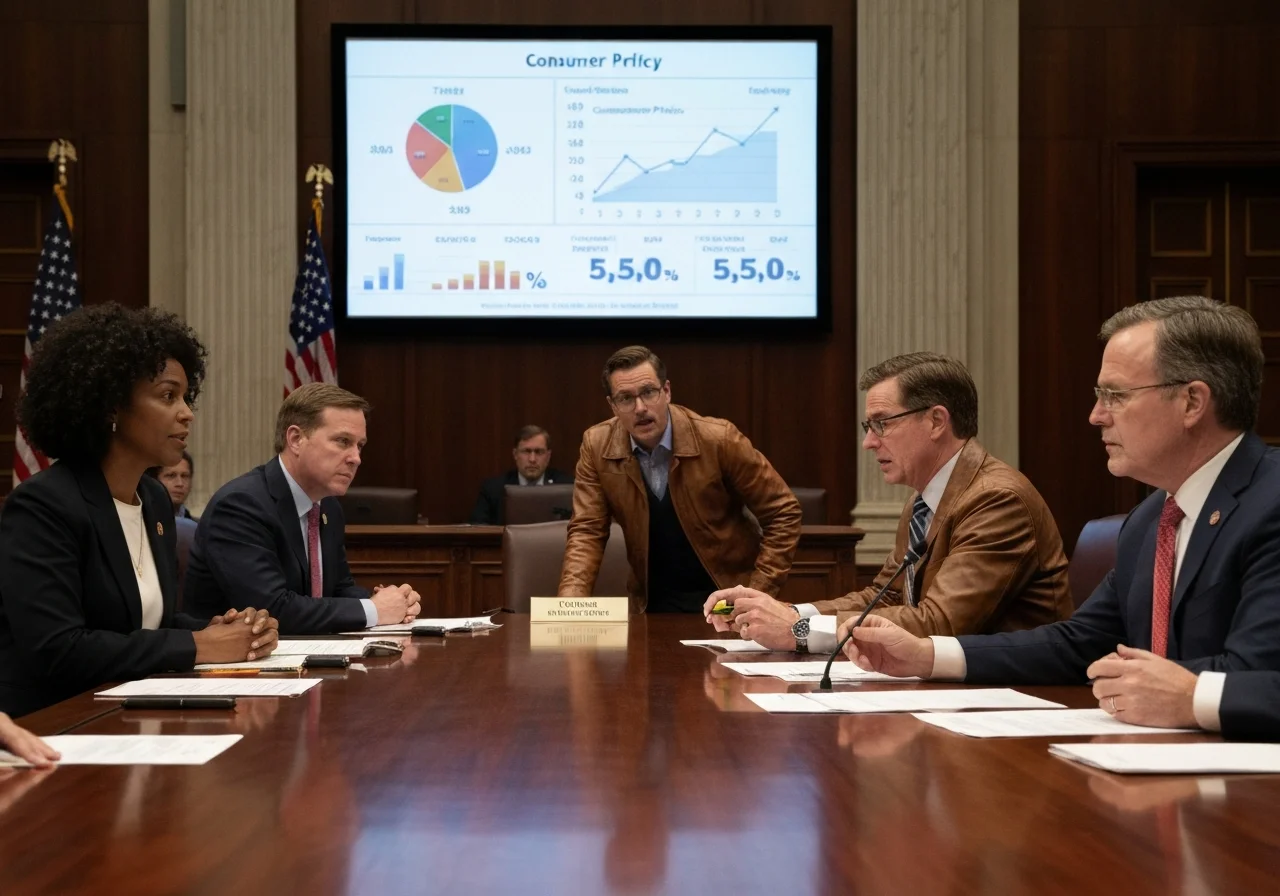
Democrats aren't buying the administration's "pivot to affordability" rebrand, with Rep. Beyer's "tariffs are raising prices for the American people" zinger landing hard after Virginia's inflation-focused midterms. The 92% GOP support for April's tariff package versus universal Democratic opposition now looks prescient—protectionism's chickens are coming home to roost. This Business Insider analysis spots the tell: when election-year math forces even ardent protectionists to unwind tariffs, you know consumer pain has hit critical mass. Watch for more concessions as 2026's grocery bill politics heat up.

Trade Policy Recalibration
Strategic tariff restructuring logic
The White House is playing 4D chess with import duties, surgically axing levies on goods where domestic production simply can't compete—think bananas swinging from Ecuadorian vines rather than Ohio orchards. This isn't just about placating voters at the checkout aisle; it's a calculated quid pro quo. Take the Ecuador deal: we're swallowing more of their tropical fruit, and they're gulping down our Midwest grain. As The Hindu reports, these bilateral agreements create a tariff seesaw where both sides (theoretically) land softer.
Unresolved inflation pressures
Here's the rub—while your grocery bill might shrink 8% on avocados, your rent and gas tank didn't get the memo. Business Insider spotlights the brutal truth: food inflation's still clocking 6.2% annually, with SNAP benefits stuck in bureaucratic purgatory. The table below tells the ugly story of bifurcated inflation:
| Category | Q3 2025 | Q2 2025 | Q1 2025 |
|---|---|---|---|
| Food | 6.2% | 7.1% | 8.3% |
| Energy | 4.8% | 5.2% | 4.9% |
| Core (ex-food/energy) | 3.9% | 3.7% | 3.5% |
| Services | 5.1% | 5.3% | 5.0% |
Japan Today frames this as obsolete tariffs meeting new realities, but supply chain kinks and services inflation remain the stubborn ghosts haunting this policy Halloween.
Global Trade Dynamics
Bilateral agreement frameworks
The Trump administration's tariff rollback isn't happening in a vacuum—it's strategically paired with shiny new framework agreements with Ecuador, Guatemala, El Salvador, and Argentina. These deals are textbook "you scratch our back, we'll scratch yours" arrangements: easier access for U.S. industrial exports in exchange for reduced duties on tropical produce imports.
Unlike the EU's notoriously rigid Common Agricultural Policy, these bilateral pacts offer commodity-specific flexibility that could become the new gold standard for Latin American trade negotiations. The timing—right after Democratic midterm gains in Virginia and New Jersey—smells more like political calculus than pure trade policy.

Geopolitical cost allocation debate
Trump's famous "tariffs are borne by other countries" quip during that Air Force One interview isn't aging well against cold, hard IMF data. Brazil's export revenues took a 7.3% nosedive post-April 2025 tariffs—numbers that don't lie.
The White House spins this rollback as policy refinement, but let's call a spade a spade: when Food Industry Association bigwigs start begging for "swift relief" amid 14.6% inflation on tariff-affected groceries, you know the political winds have shifted. This isn't just about trade balances—it's about kitchen-table economics becoming electoral dynamite.
Future Policy Trajectory
2026 tariff revenue redistribution
The Trump administration's playbook reveals two fiscal forks in the road for those tariff dollars. First up—a potential $2,000 check hitting American wallets by 2026, a move straight out of the political theater handbook. But here's the rub—CBO bean counters still need to verify whether the tariff math actually adds up.
Alternatively, the White House might park those funds in the national debt garage—a classic tug-of-war between instant voter gratification and sober fiscal housekeeping. The real kicker? Those Latin American trade deals could shrink the revenue pie faster than a Miami snowcone in July.
Election-year economic positioning
Food prices just became the hottest potato in DC's kitchen. After getting burned in Virginia and Jersey, the administration's tariff rollbacks on Brazilian beef and Guatemalan coffee smell suspiciously like election-season damage control. Exit polls don't lie—when voters' grocery bills outweigh party loyalty, even protectionists turn pragmatists.
Democrats are countering with their own recipe—expanding tariff cuts beyond the produce aisle. The White House's sudden "affordability" framing shows how quickly trade wars morph into bread-and-butter issues when voters start checking receipts instead of party lines.

Supply chain multiplier effects
The tariff rollback is about to send shockwaves through grocery aisles—in the best possible way. We're looking at textbook cost-push inflation relief here, with USDA data confirming processed food makers will see immediate input cost relief. Beef prices alone could plunge 12%, while coffee drinkers might pocket 8-10% savings—real money when you're staring down $7 lattes.
But here's the kicker: fertilizer tariff cuts add a second-layer multiplier. Domestic farmers could shave 3-5% off production costs, though global urea markets might play spoiler. As the Food Industry Association notes, this surgical strike hits critical supply chain nodes—expect the full deflationary punch within two fiscal quarters.
Substitution effect risks
Brace for whiplash in the protein aisle. Price elasticity models predict 15-20% demand spikes for tariff-free Brazilian beef, potentially gutting sales of domestic poultry and dairy. Low-income households—especially SNAP recipients—could redirect nearly 1/5th of grocery budgets toward these newly affordable proteins.
Yet the devil's in the non-tariffed details. Staples like wheat and corn remain hostage to transport costs, creating a bifurcated inflation landscape. As behavioral economists warn, these demand shifts could destabilize entire agricultural subsectors overnight.
References


Get Daily Event Alerts for Companies You Follow
Free: Register to Track Industries and Investment Opportunities