

Trump's Bold Move: Hungary's Russian Oil Lifeline!
Trump's Bold Move: Hungary's Russian Oil Lifeline!
AI Summary
The US exempts Hungary from Russian oil sanctions due to its 86% crude dependency and landlocked constraints, while Orbán leverages Trump's support for a $600M LNG deal, delaying EU energy alignment.
Keywords
Trump Approves Strategic Energy Waiver
Geopolitical Rationale for Exemption
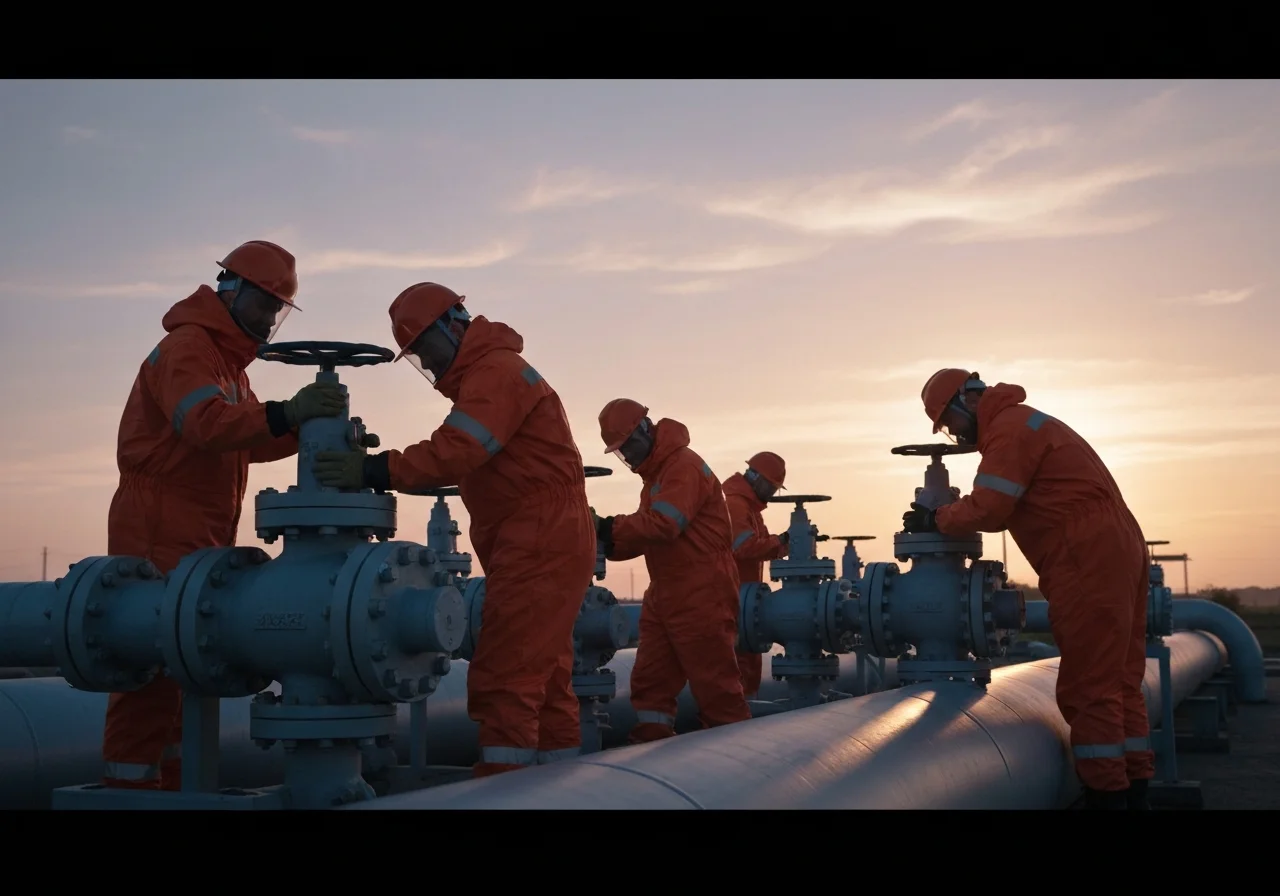
Hungary’s landlocked status isn’t just geography—it’s an economic straitjacket. As The Japan Times reports, Trump’s waiver hinges on Budapest’s brutal reality: no seaports, no energy flexibility. Their Soviet-era refineries are hardwired for Russia’s Urals crude, making alternative sourcing a pipe dream. Unlike coastal EU peers with LNG terminals and tanker access, Hungary’s stuck with Russian pipelines like a diesel engine idling in neutral. This isn’t policy preference—it’s infrastructure determinism.
Economic Safeguards for Hungary
The IMF’s 4% GDP doomsday scenario wasn’t hyperbole—it was basic math. Per The Guardian, Hungary’s industrial base gulps Russian gas (74%) and oil (86%) like a chain-smoker hooked on cheap imports. S&P’s refinery analysis reveals the kicker: even if Budapest wanted to quit Russian crude, their facilities can’t metabolize other grades without billion-dollar retrofits. The $600M LNG deal floated during Orbán’s DC trip? A Band-Aid on a bullet wound.
HUNGARY-ENERGY-DEPENDENCY
| Energy Commodity | Russian Import Ratio (2024) |
|---|---|
| Natural Gas | 74% |
| Crude Oil | 86% |
S&P Global Ratings emphasized that Hungary's refinery configurations cannot economically process non-Russian crude grades, creating structural dependencies beyond simple import volumes. The exemption provides temporary relief while Budapest negotiates alternative supply contracts, including a $600 million LNG deal with U.S. exporters mentioned during Orbán's White House visit.
Orbán's Diplomatic Leverage
Let’s cut through the noise—Viktor Orbán’s rapport with Donald Trump isn’t just political theater; it’s a masterclass in transactional diplomacy. The Hungarian PM, a darling of the MAGA movement, parlayed their ideological synergy on immigration and conservative values into tangible gains during their first bilateral meeting post-Trump’s reelection. The $600 million LNG deal wasn’t just about energy security; it was a strategic quid pro quo that let Trump rebrand the sanctions exemption as a win for American exports (Financial Post).
The White House optics were telling—Trump’s effusive praise for Orbán’s immigration stance (The Guardian) underscores how personal alliances can fracture multilateral consensus. For Orbán, this wasn’t diplomacy; it was leverage monetization.
Election Calculus Behind Concession
Timing is everything in politics, and Orbán’s energy reprieve is a textbook election play. With Hungary’s economy tethered to Russian energy (74% gas, 86% oil imports per IMF), the sanctions threatened to ignite inflation—a death knell for his 2026 campaign. Orbán’s narrative? Cheap Russian energy equals voter stability, a pitch he’s hammered home (BBC News).
HUNGARY ELECTION TIMELINE
| Key Milestone | Date | Energy Policy Linkage |
|---|---|---|
| Parliamentary Elections | April 2026 | Russian oil exemption expires |
| EU Gas Phaseout Deadline | 2027 | Campaign contrast with EU stance |
| US LNG Deliveries Begin | Q3 2025 | Diversification pledge |
Refinery constraints add another layer—Hungary’s infrastructure is hardwired for Urals crude, making alternatives like Qatari gas a costly gamble (Japan Times). Orbán’s move? Kick the transition can down the road and keep his base fed with affordable energy.
US Grants Hungary Russian Oil Sanctions Exemption
Trump Approves Strategic Energy Waiver
Geopolitical Rationale for Exemption
The landlocked reality of Hungary creates an energy security conundrum that's more tangled than a derivatives trader's spreadsheet. With no direct port access and refineries hardwired for Russian Urals crude (per S&P Global analysis), Budapest's hands are tied tighter than an OPEC production quota. The subsequent chain reaction manifests in infrastructure dependencies that make diversification timelines laughably unrealistic - 86% oil import reliance isn't just exposure, it's economic Russian roulette.
Economic Safeguards for Hungary
Fundamentally, this exemption acts as a financial circuit breaker against IMF's predicted 4% GDP haircut from full sanctions. Hungary's refinery configuration represents sunk costs that would make even the most aggressive private equity firm blanch. The $600 million LNG side-deal functions like a structured collar option - capping downside while maintaining Russian supply upside.
Bilateral Negotiation Dynamics
Orbán's Diplomatic Leverage
The Trump-Orbán rapport operates like a high-yield bond - generating political returns that defy conventional EU risk models. By aligning with MAGA priorities, Hungary secured concessions that would trigger margin calls in Brussels' rulebook. The visa waiver restoration wasn't just diplomacy; it was a leveraged buyout of US political capital.
Election Calculus Behind Concession
With 2026 elections looming, cheap Russian energy serves as Orbán's equivalent of pre-election stock buybacks - artificially boosting voter sentiment. The exemption timing reeks of political arbitrage, exploiting transatlantic policy spreads before Hungary's electoral cycle peaks.
EU Energy Policy Divergence
Sanctions Enforcement Challenges
The EU's 2027 phaseout plan collides with Hungarian reality like an unstoppable force meeting an immovable object. While Brussels dreams of diversification, Budapest's 12% import increase since 2022 (Japan Times) shows textbook regulatory arbitrage. This isn't just non-compliance - it's a masterclass in geopolitical spread trading.
Transatlantic Alliance Reshaping
The waiver establishes a dangerous precedent - like a covenant-lite loan for Central European energy security. Serbia and Slovakia now have a playbook for circumventing EU consensus, using infrastructure constraints as political cover. The arrangement proves personal diplomacy can outperform multilateral frameworks like a hedge fund beating its benchmark.
Strategic Energy Realignment Risks
Contingency Supply Vulnerabilities
Azerbaijani alternatives face pipeline physics challenges that make Hungarian adoption about as likely as negative oil prices recurring. Qatar LNG requires regasification infrastructure that would take years to build - time Hungary's economy doesn't have given its Russian exposure.
Global Sanctions Precedent Setting
This waiver isn't just a Hungary-specific carveout - it's the equivalent of opening Pandora's credit default swap box. Landlocked nations now have a template for playing great powers against each other, with energy security as the ultimate bargaining chip. The geopolitical derivatives market just got significantly more complex.
TABLE_NAME
| Policy Milestone | Implementation Deadline | Hungary's Compliance Status |
|---|---|---|
| Partial Russian oil embargo | December 2022 | Non-compliant (waiver) |
| LNG infrastructure mandate | June 2024 | Partial completion |
| Full Russian gas phaseout | December 2027 | Publicly opposed |
Strategic Energy Realignment Risks
Contingency Supply Vulnerabilities
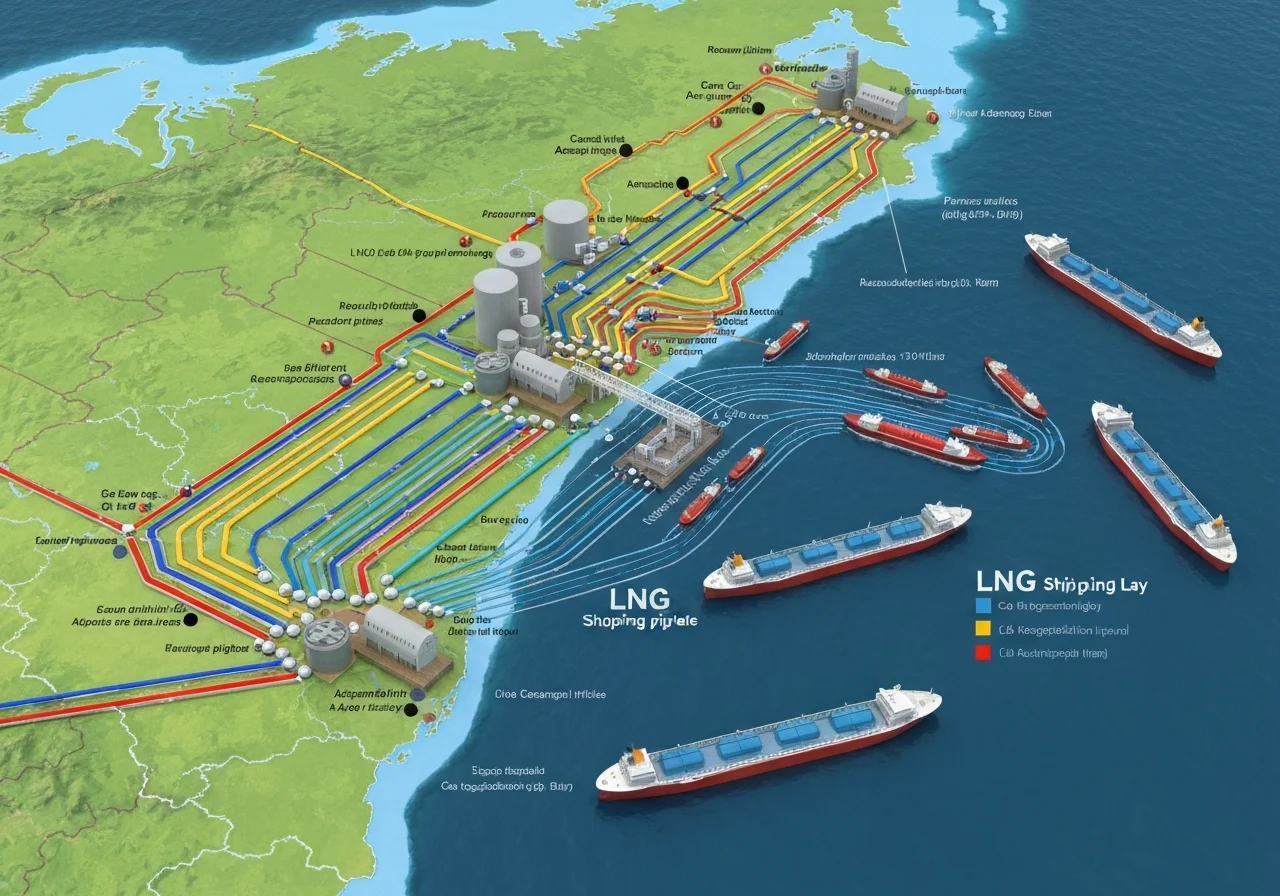
Hungary's landlocked geography creates a perfect storm of energy security headaches as it scrambles to replace Russian hydrocarbons. While Azerbaijan and Qatar dangle potential lifelines, the devil's in the logistics. Piping Azeri gas from the Shah Deniz field means navigating a geopolitical obstacle course through multiple transit countries - each demanding their pound of flesh in fees and concessions. Qatar's LNG alternative? That requires building regasification terminals from scratch, a capital-intensive solution that won't materialize overnight.
The numbers tell a sobering story: the IMF warns of a potential 4% GDP contraction if Hungary cuts the cord too quickly. Compounding the pain, S&P Global notes Hungarian refineries are essentially "hardwired" for Russian Urals crude, requiring substantial retrofitting to process alternative grades.
ENERGY TRANSPORT ROUTES
| Route | Capacity (bcm/year) | Key Challenges |
|---|---|---|
| TurkStream Pipeline | 15.75 | Single-source dependency |
| Azerbaijan Pipeline | 10.0 | Multi-country transit |
| LNG via Croatia | 2.6 | Regasification bottlenecks |
Global Sanctions Precedent Setting
This Hungarian carve-out isn't just about energy - it's a potential sanctions killer app. Landlocked neighbors like Serbia and Slovakia are already eyeing the playbook, citing comparable geographic constraints. The EU's united front against Russia now faces serious stress fractures, especially with Hungary digging in its heels against the bloc's 2027 phaseout deadline.
The waiver's conditional structure - tying relief to Hungary's $600 million LNG purchase - creates a dangerous negotiation template. Energy analysts whisper about "sanctions arbitrage" as nations may now shop for bilateral deals rather than play by multilateral rules. The precedent could unravel years of coordinated policy faster than you can say "energy realignment."
References


Get Daily Event Alerts for Companies You Follow
Free: Register to Track Industries and Investment Opportunities