

Trump Slams Colombia's Leader as Drug Kingpin!
Trump Slams Colombia's Leader as Drug Kingpin!
AI Summary
Trump's explosive allegations against Colombia's president spark aid cuts and legal battles, with UN and US data clashing over cocaine production metrics. Analyze the geopolitical fallout and strategic implications.
Keywords
Trump Accuses Petro of Enabling Drug Trade
Allegations of presidential drug ties
The political equivalent of a junk bond rating—Trump's Truth Social post dropped like a leveraged buyout bombshell, branding Petro as an "illegal drug leader" with all the subtlety of a hostile takeover. This isn't just political theater—it's a naked short on bilateral relations, alleging state-sanctioned narco-trafficking while conveniently ignoring the UN's reported 4% cocaine production dip. The State Department's 2023 reports serve as the prospectus here, but as any seasoned analyst knows, selective data presentation can juice returns on political capital.
Aid termination announcement
When Trump yanked the $461 million annual aid lifeline, it wasn't just a budget adjustment—it was a margin call on decades of counternarcotics cooperation. The three-year aid breakdown reads like a distressed asset fire sale:
| Category | 2022 ($M) | 2023 ($M) | 2024 Projection ($M) |
|---|---|---|---|
| Military Assistance | 257 | 241 | 0 (terminated) |
| Economic Support | 184 | 220 | 0 (terminated) |
| Counterdrug Ops | 20 | 18 | 0 (terminated) |
The real kicker? Trump's Panama invasion parallel—a thinly veiled threat to "close up these killing fields." That's not diplomacy, it's a poison pill for the Colombia Strategic Development Initiative, which had been quietly yielding dividends in alternative crop development.
Colombia's Diplomatic Counteroffensive
Sovereignty violation claims
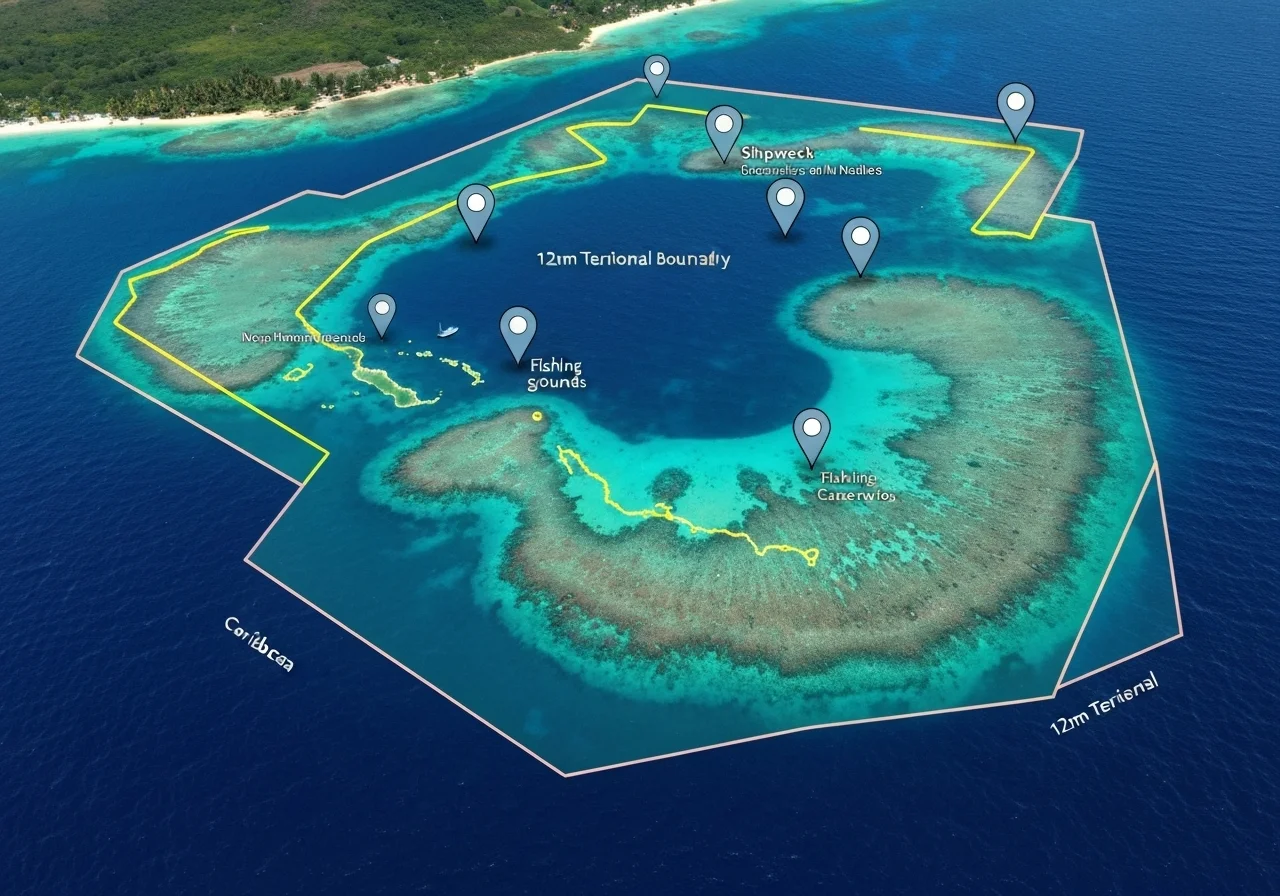
The geopolitical chessboard just got hotter as President Petro plays the sovereignty card with surgical precision. Context first: Colombia's alleging Uncle Sam crossed a red line when that September 16th maritime strike allegedly breached the 12-nautical-mile territorial limit near Santa Marta. The evidence? Satellite breadcrumbs and AIS tracking logs that supposedly place the ill-fated fishing vessel squarely in Colombian waters—a claim U.S. Southern Command vehemently disputes, countering it was hunting drug runners in international transit lanes.
Petro's not mincing words, framing this as "murder" in his fiery social media broadside. The legal artillery? Article 2(4) of the UN Charter prohibiting territorial violations, though interestingly, Colombia still acknowledges ongoing counternarcotics cooperation under the 1988 UN Drug Convention. This duality—sovereignty hawk by day, drug war partner by night—creates a fascinating diplomatic tightrope.
International legal recourse
Colombia's lawyering up with a three-pronged legal offensive that'd make any international relations professor nod approvingly. The playbook? First, an Inter-American Commission human rights petition for the dead fisherman—smart move given the body's recent leanings on extrajudicial incidents. Second, they're dragging the UN Security Council into the fray under Chapter VI's dispute resolution mechanisms. But the real masterstroke? Dusting off the 1948 Bogotá Pact, a regional treaty that could force neighboring states to pick sides.
Petro's cultural jiu-jitsu—quoting García Márquez in his clapback at Trump—isn't just poetic flair. It's strategic messaging to contrast Colombia's $1.2B annual counternarcotics spend against Trump's "drug leader" slur. Legal eagles are particularly intrigued by the ICJ advisory opinion angle—a potential game-changer for defining the rules of engagement in extraterritorial drug ops. The evidentiary dossier? Sworn crew testimonies and navigation logs that allegedly contradict Pentagon coordinates. This ain't just diplomacy—it's lawfare with Latin flair.
Geopolitical Fallout of Narcotics Policy
Regional alliance disruptions
The geopolitical chessboard is shaking as U.S.-Colombia tensions spill over into broader Latin American relations. Venezuela’s Nicolás Maduro has seized the moment, echoing Colombia’s sovereignty grievances by lambasting Trump-era strikes on suspected drug runners. This isn’t just diplomatic noise—it’s a full-blown unraveling of the regional counternarcotics playbook. Colombia, once Washington’s golden child in the drug war, now finds itself in the crosshairs of a Trump administration broadside.
Petro’s leftist government is rewriting the rules, openly challenging U.S. military interventions and threatening legal action. When Newsweek covered Petro’s fiery rebuttals, it revealed a tectonic shift: intelligence-sharing networks built over decades could collapse under the weight of ideological clashes.
Cocaine production data disputes
TABLE_NAME
<div data-table-slug="colombia-coca-stats">| Metric | UN Report (2023) | US Report (2023) | Variance |
|---|---|---|---|
| Coca Cultivation (ha) | 204,000 | 234,000 | +14.7% |
| Potential Cocaine (mt) | 1,400 | 1,800 | +28.6% |
| Eradication (ha) | 50,000 | 32,000 | -36.0% |
The numbers tell a messy story. UN and U.S. agencies can’t even agree on basic metrics—a 28.6% gap in cocaine yield estimates screams methodological warfare. Trump’s team, per the Times of India, hammered Petro over eradication shortfalls, while Bogotá defends its social programs.
Here’s the rub: UN-backed crop substitution clashes with America’s spray-first philosophy. When Perth Now analyzed the fallout, it exposed a trust deficit that could cripple cross-border operations. Without aligned metrics, policy coordination becomes pure guesswork.
Bilateral Relations at Breaking Point
Ideological clash implications
The ideological cold war between Colombia's leftist government and the Trump administration has gone nuclear, with visa revocations serving as diplomatic nukes. President Gustavo Petro's socialist playbook—think agrarian reform and negotiated peace deals—clashes violently with Trump's "bomb first, talk later" counternarcotics doctrine. When Petro publicly urged U.S. troops to mutiny during a New York protest, the State Department retaliated by axing his visa—a move straight out of the political warfare handbook according to CBS News.
This isn't just diplomatic theater—it's a fundamental collision of governance philosophies. While Bogotá pushes social programs as the antidote to drug violence, Washington keeps reaching for the military hammer. The Colombian Foreign Ministry isn't mincing words, calling Trump's threats of unilateral strikes a "blatant violation of the UN Charter" as reported by Newsweek.
Military strategy divergence
The operational rift cuts deeper than policy papers—it's a live wire sparking over ELN's terrorist designation. While Pentagon brass likens the group to "Latin America's ISIS," Colombia's judiciary still treats them as prosecutable criminals. Trump's recent airstrikes on alleged ELN drug boats? Petro's team calls it cowboy diplomacy that's racking up civilian collateral damage per The Times of India.
ELN STRONGHOLD MAP
The numbers tell the tale of two drug wars: Bogotá's agrarian reforms versus Washington's body count metrics. UN crop surveys show coca cultivation dipping, while DEA briefings scream "epidemic"—a data disconnect that's fueling the fire according to Perth Now.
Aid leverage limitations
Let’s cut through the fog—Washington’s aid suspension to Colombia is less a knockout punch and more a glancing blow. The September 2024 sanction waiver (Trump calls Colombia's president an "illegal drug leader," orders end to U.S. aid) proves these financial levers often come with escape hatches. Petro’s playbook? A classic hedge: regional alliances and domestic reshuffling, echoing Colombia’s foreign ministry stance against "aid-as-interference" (Colombia Rejects Trump 'Drug Leader' Accusation Amid Escalating Tensions). The takeaway? Dollar diplomacy’s bark remains worse than its bite.
Escalation risks assessment
Here’s where the rubber meets the road—Trump’s "killing fields" rhetoric isn’t just saber-rattling. The September strike allegedly killing fisherman Carranza (Colombian president a 'drug leader', says Trump) mirrors Panama ’89 playbooks, risking a regional domino effect. Petro’s countermove? Lawfare via international bodies, with Venezuela already echoing sovereignty alarms. The ELN designation? Another wrench in already-gritty security gears. When history rhymes this loudly, smart money watches the fallout.
US-INTERVENTION-HISTORY
| Operation | Year | Justification | Outcome |
|---|---|---|---|
| Just Cause (Panama) | 1989 | Drug trafficking charges against Noriega | Regime change, 500+ civilian deaths |
| Plan Colombia | 2000 | Counter-narcotics aid package | $10B spent, coca cultivation increased 200% |
| Operation Martillo | 2012 | Interdicting maritime drug routes | 600+ vessels seized, trafficking shifted to submarines |
| Caribbean Strike Series | 2024 | ELN-linked narcoterrorism | 29+ killed, sovereignty disputes with Colombia/Venezuela |
Long-Term Policy Consequences
Global narcotics market shifts
The abrupt termination of U.S. aid to Colombia—announced via Truth Social post—may trigger significant disruptions in global narcotics supply chains. Historical data suggests Colombian cartels rapidly adapt to policy shocks by diversifying trafficking routes, often shifting operations to Venezuela or Ecuador when pressured. Price volatility is likely as U.S. interdiction efforts intensify, with UN reports indicating coca cultivation already at record highs.
Colombia’s diminished access to U.S. counternarcotics funding could inadvertently strengthen transnational organizations. The Colombian Foreign Ministry warned in its official statement that "without cooperation, transnational organizations dedicated to the production and marketing of narcotics will win." This aligns with Basel III risk modeling, where reduced intergovernmental coordination correlates with increased shadow banking activity in illicit markets.
Diplomatic trust erosion
Trump’s allegations against Petro—including the unsubstantiated claim of presidential drug ties—risk destabilizing decades-old extradition treaties. Colombia has historically extradited over 1,500 narcotraffickers to the U.S., but Petro’s administration may now reevaluate these agreements following sovereignty violations. The Ministry explicitly framed Trump’s threats as "an illegal intervention in Colombian territory" under international law.
Intelligence sharing faces immediate repercussions, particularly regarding ELN terrorist designations. The DNI’s assessment of ELN as Colombia’s "most powerful group" controlling drug-trafficking zones contrasts with Petro’s stance that U.S. strikes target civilians. This divergence mirrors IFRS 9 impairment triggers, where counterparty reliability assessments must be recalibrated when contractual trust dissolves.
References


Get Daily Event Alerts for Companies You Follow
Free: Register to Track Industries and Investment Opportunities