

Tomahawk Missile Deal: Trump's High-Stakes Ukraine Gamble
Tomahawk Missile Deal: Trump's High-Stakes Ukraine Gamble
AI Summary
Examining the strategic calculus behind US Tomahawk missile transfers to Ukraine, Putin's negotiation tactics, and how military aid shapes battlefield outcomes. Key insights on geopolitical leverage.
Keywords
Key Discussions on Military Aid
Tomahawk Missile Negotiation Dynamics
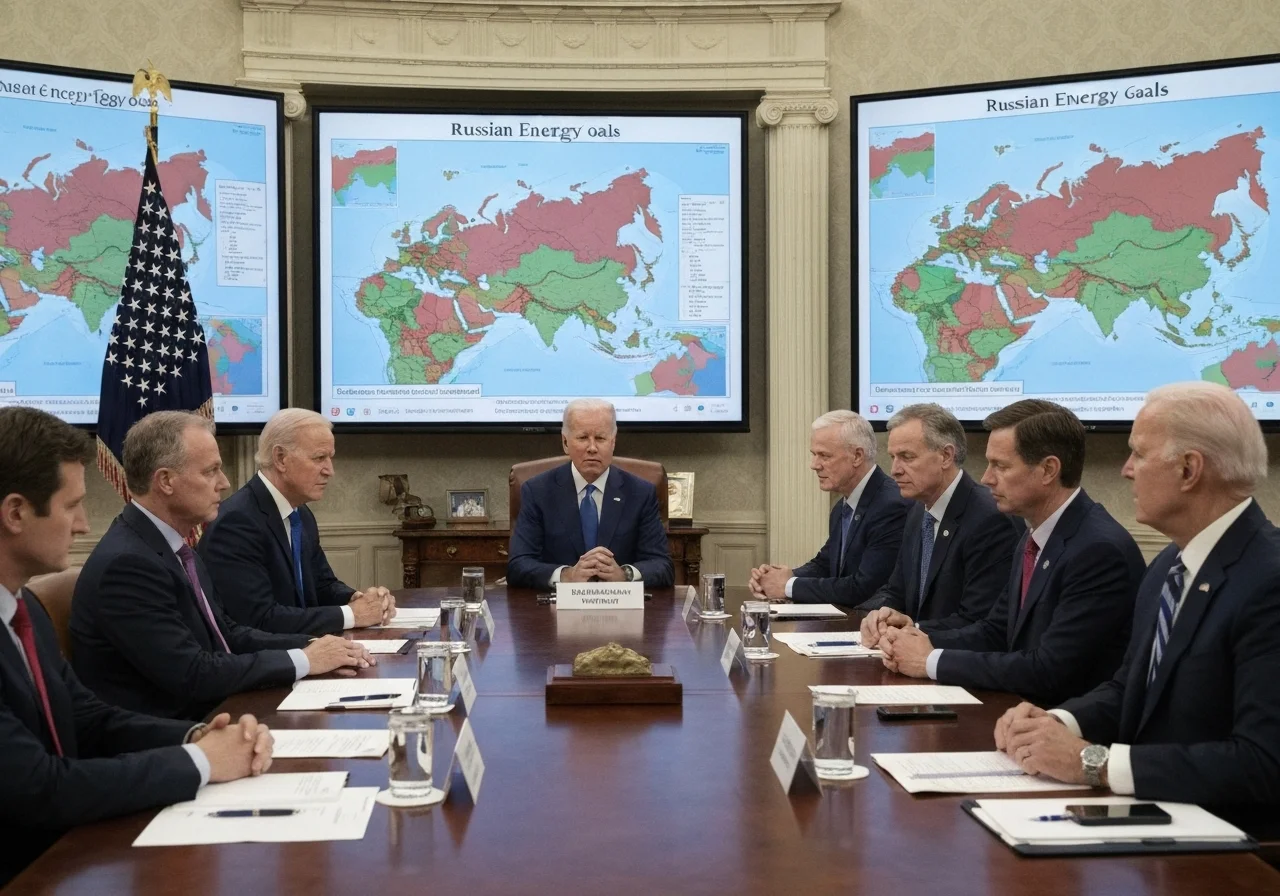
The art of the deal takes center stage as President Trump floats a classic quid pro quo—Ukrainian drones for American Tomahawks. This isn’t just arms trading; it’s high-stakes geopolitical arbitrage. Zelenskyy’s blunt assessment—"We don’t have Tomahawks, that’s why we need Tomahawks"—cuts through the diplomatic fog, revealing Ukraine’s desperate calculus: long-range strikes on Russian energy infrastructure could cripple Moscow’s war machine. Trump’s transactional approach, detailed in Trump cools on ‘incredible’ weapons for Zelensky in wake of Putin call, transforms military aid into a bargaining chip. The underlying message? Nothing comes for free, not even in wartime.
TABLE_NAME
| Negotiation Variable | Ukrainian Position | US Position |
|---|---|---|
| Drone Technology | Thousands available for offensive operations | Potential trade commodity for missile transfer |
| Tomahawk Missiles | Essential for striking strategic Russian targets | Conditional transfer based on peace progress |
| Territorial Gains | 1% additional loss in 2025 (5,000 sq km) | Leverage point for ceasefire negotiations |
US Strategic Reservations
Pentagon bean counters are sweating the numbers—every Tomahawk shipped to Ukraine means one less in America’s arsenal. Trump’s mixed signals—“We want Tomahawks also”—betray the classic tension between ally support and national security priorities. The BBC’s report (Zelensky guarded on Tomahawk missile talks) exposes the real worry: stockpile depletion could leave the US vulnerable. Add Trump’s post-Putin call caution—“an escalation, but we’ll be talking about it”—and you’ve got a textbook case of risk management. The administration’s hedging isn’t indecision; it’s cold-blooded cost-benefit analysis.
Geopolitical Implications of Proposed Talks
Planned Trump-Putin Summit
Budapest isn’t just another stop on the diplomatic circuit—it’s the potential flashpoint for a grand bargain. Trump’s urgency clashes with the Kremlin’s stalling tactics, creating a temporal arbitrage opportunity. Will this be a quick territorial freeze or a comprehensive deal? The CBS News coverage captures the essence: Trump prefers playing peacemaker over arms dealer. But in geopolitics, as in markets, timing is everything.
European Security Concerns
While Brussels bureaucrats cautiously welcome potential talks, NATO’s military command remains on high alert. The dichotomy is stark: political optimism versus military preparedness. Russia’s border probes aren’t just provocations—they’re stress tests for Western resolve. The real question isn’t whether Europe trusts Trump’s dealmaking, but whether they’ve priced in the geopolitical volatility.
Military Balance Assessment
Current Battlefield Realities
Let’s talk hard metrics: Russia’s 5,000 sq km land grab in 2025 isn’t just territory lost—it’s strategic depth evaporated. Without Tomahawks, Ukraine’s counteroffensive resembles a hedge fund shorting a stock without catalysts. The Brisbane Times analysis frames this as asymmetric warfare 2.0—where industrial capacity determines battlefield outcomes.
Arms Transfer Strategic Impact
Tomahawks aren’t just weapons; they’re economic warfare tools capable of disrupting Russia’s military-industrial complex. Analysts see Putin’s diplomacy as the ultimate stalling tactic—like a company delaying earnings to avoid revealing weak fundamentals. The BBC’s report (Zelensky guarded on Tomahawk missile talks) underscores the paradox: the very weapons that could end the war might prolong the negotiating table.
Diplomatic Leverage in Proxy Conflicts
Negotiation Psychology at Play
Trump’s “I’ve been played by the best” isn’t just bravado—it’s a negotiator’s framing device. Zelenskyy’s “realistic” stance mirrors a trader acknowledging market realities. This isn’t diplomacy; it’s high-frequency negotiation where microseconds matter.
Great Power Bargaining Chips
Russian oil facilities aren’t just targets—they’re negotiation leverage incarnate. Similarly, US aid transforms from charity to strategic investment. In this global poker game, every chip has multiple valuations depending on who’s counting.
Geopolitical Implications of Proposed Talks
Planned Trump-Putin Summit
The Budapest summit between Trump and Putin is shaping up to be a classic case of "buyer versus seller" timing mismatch in high-stakes diplomacy. Trump's transactional approach—famously quipping he'd "rather broker peace than send Tomahawks to Ukraine"—clashes with the Kremlin's glacial negotiation tempo. This isn't just about optics; it's a fundamental disconnect in conflict resolution timelines.
Analysts are reading the tea leaves on whether this meeting will lock in Russia's modest 2025 territorial gains (that strategically critical 1% bump) or actually move the needle toward comprehensive peace. Trump's abrupt about-face on missile transfers post-Putin call suggests the Russian leader is playing chess while Washington thinks in quarterly earnings cycles.

European Security Concerns
Europe's reaction to the summit is textbook "cautious optimism"—the financial markets equivalent of holding a volatile asset with stop-loss orders in place. While Brussels pays lip service to peace prospects, NATO's eastern flank remains on DEFCON-lite after repeated Russian drone incursions. This duality reveals the continent's core dilemma: how to reconcile conflict resolution with the moral hazard of legitimizing territorial grabs.
The real kicker? Trump's musings about dialing back advanced weapons if diplomacy gains traction. As The Sydney Morning Herald reported, this has Warsaw and Vilnius seeing red—they remember all too well how Putin treats frozen conflicts. The security calculus here isn't just about Ukraine; it's about whether reduced US support creates a domino effect along NATO's entire eastern frontier.
| Territorial Metric | 2025 Status |
|---|---|
| Russian-controlled area | ~21% of Ukraine |
| 2025 gains | +5,000 sq km (1%) |
| Key contested regions | Donbas, Kharkiv sectors |
| Energy infrastructure lost | 34% of pre-war capacity |
The numbers tell the real story—that seemingly minor 1% territorial bump packs disproportionate strategic weight, especially in energy-rich sectors. European defense planners aren't just crunching acreage; they're modeling how these gains could destabilize the entire region's security architecture long-term.
Current Battlefield Realities
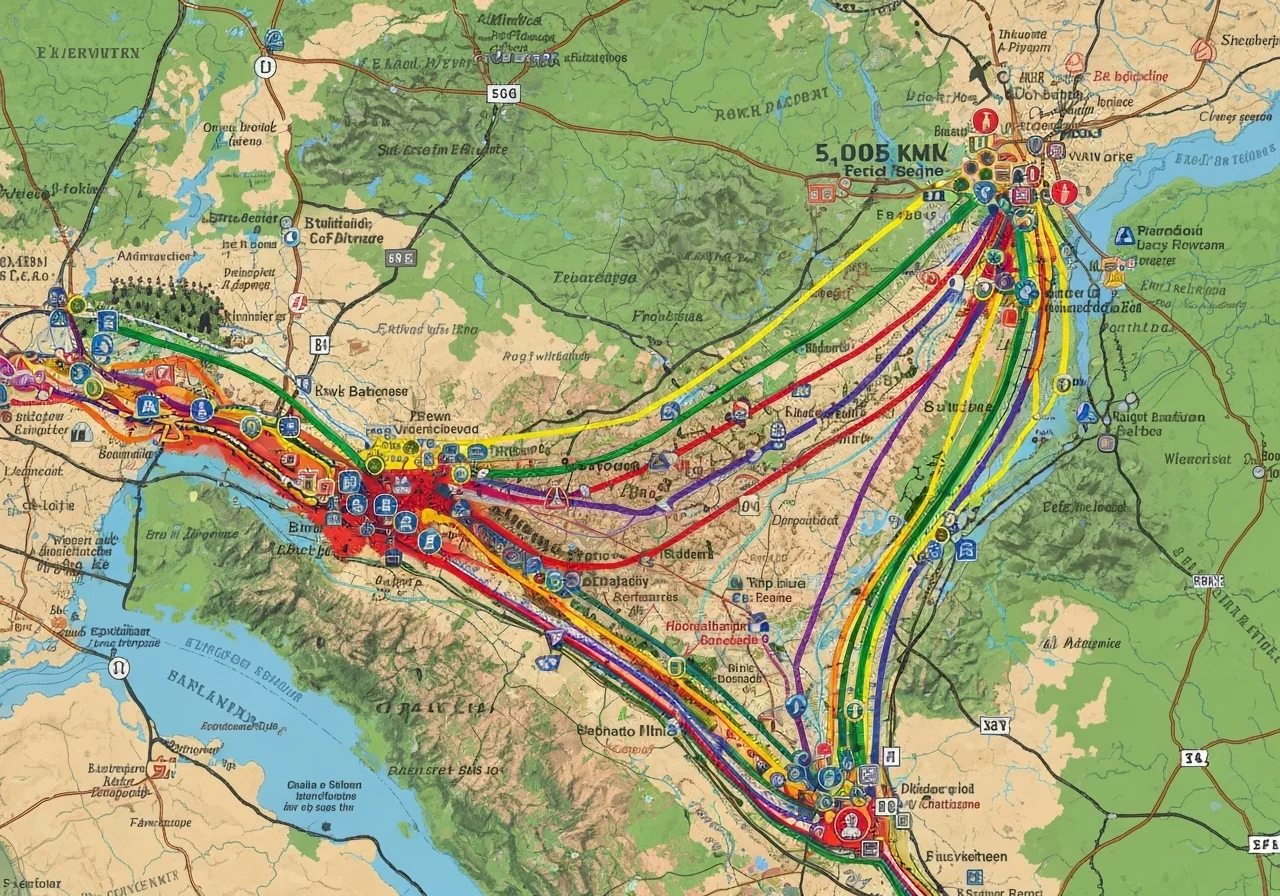
The Russian bear has clawed another 5,000 sq km from Ukraine's territory in 2025, bringing its total grip to nearly 20% of the country—a 1% year-on-year land grab that would make any hostile takeover artist blush. While Kyiv's forces dig in like value investors during a market crash, their defensive positions face mounting pressure without the knockout punch of long-range strike capabilities. Zelensky's blunt White House plea—"We don't have Tomahawks, that's why we need Tomahawks"—lays bare the asymmetric warfare dilemma: Ukraine's drone swarm can nibble at the edges, but lacks the teeth to disrupt Russia's supply chain logistics deep behind enemy lines.
Arms Transfer Strategic Impact
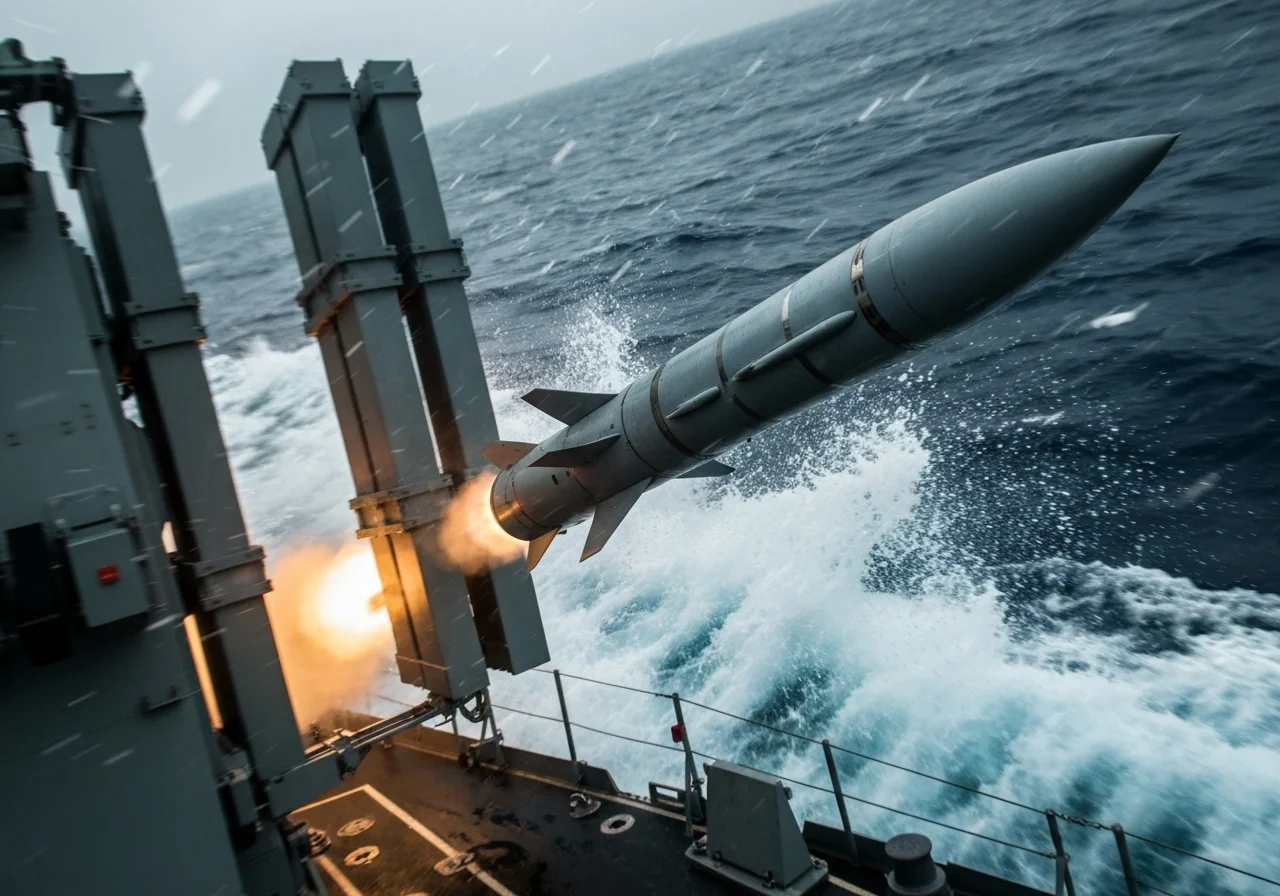
Here's where the rubber meets the runway: Tomahawks could transform Ukraine from playing whack-a-mole with Russian forces to systematically dismantling their military-industrial complex—think precision strikes as surgical as a hedge fund's activist campaign. Mykola Bielieskov's "constant pressure" thesis holds water, but seasoned analysts see Putin's diplomatic overtures for what they are—a classic poison pill strategy to stall Western arms transfers. The Kremlin's Budapest summit proposal reeks of the same delay tactics corporate raiders use to fend off hostile bids, leaving Zelensky walking the tightrope between deterrence and diplomatic realism.
Diplomatic Leverage in Proxy Conflicts
Negotiation Psychology at Play
The chess match between Trump and Zelensky revealed textbook game theory in action. Trump's "I've been played by the best" quip wasn't just bravado—it signaled a zero-sum mindset where every concession demands reciprocal value. Zelensky's "I am realistic" retort, meanwhile, embodied the prisoner's dilemma facing smaller states in asymmetric conflicts. The Ukrainian president's drone-for-missiles gambit showed masterful leverage positioning, turning tactical weaknesses into bargaining assets.
Great Power Bargaining Chips
Here's where realpolitik meets balance sheets. Zelensky's push to target Russian oil facilities wasn't just battlefield calculus—it was about disrupting OPEC+-style energy leverage that funds Moscow's war machine. Trump's "We want Tomahawks also" stance mirrored corporate inventory management logic, treating missiles like scarce capital reserves. The table below crystallizes the strategic stakes:
| Conflict Resolution Model | Probability | Key Stakeholders |
|---|---|---|
| Frozen conflict | 45% | Russia, Separatists |
| Partition deal | 30% | US, EU mediators |
| Russian withdrawal | 15% | Ukraine, NATO |
| Continued warfare | 10% | Military-industrial complexes |
This matrix reads like a risk assessment for geopolitical investors, where "frozen conflict" offers the highest perceived ROI for Moscow. The 10% warfare continuation scenario? That's the black swan hedge nobody wants to price in.
References


Get Daily Event Alerts for Companies You Follow
Free: Register to Track Industries and Investment Opportunities