

Russia's Syrian Retreat: How Moscow is Losing Its Mediterranean Grip
Russia's Syrian Retreat: How Moscow is Losing Its Mediterranean Grip
AI Summary
Russia's military footprint in Syria is shrinking, with reduced operations at Hmeimim and Tartus, while Damascus negotiates new terms. Moscow leverages Assad's exile for continued influence, balancing Gulf investments and Western sanctions.
Keywords
Redefining bilateral ties post-Assand
Key negotiation priorities
The chessboard of Syrian-Russian relations hinges on Moscow's Mediterranean power plays. The Tartus naval facility and Hmeimim airbase aren't just real estate—they're Russia's unsinkable aircraft carriers in the Levant. Satellite imagery analyzed by The Hindu shows Moscow playing hardball, dismantling S-400 batteries while keeping runway operations humming. Damascus walks a tightrope: President Sharaa's "respect all agreements" pledge smells like a face-saving formula to renegotiate base access without triggering Kremlin alarm bells.
Extradition demands vs humanitarian asylum
| Legal Framework | Syrian Position | Russian Position |
|---|---|---|
| Extradition | Seeks Assad's return for war crimes prosecution | Considers extradition politically untenable |
| Asylum Criteria | Rejects humanitarian claims | Cites "risk of physical elimination" (BBC report) |
| Precedent Cases | References ICC warrants for similar cases | Points to protections granted to Yanukovych |
This legal tug-of-war exposes Moscow's playbook: transforming war criminals into geopolitical bargaining chips. While Damascus waves ICC arrest warrants, the Kremlin counters with its own "regime change immunity" doctrine—a precedent that keeps client regimes loyal. The BBC caught the irony: Assad still sips tea in Moscow suburbs while Sharaa's extradition demands gather dust.
From battlefield enemies to negotiating partners
Evolution of HTS-Russia conflict dynamics
The 2015-2024 period witnessed a brutal showdown between Russian forces and Hayat Tahrir al-Sham (HTS), with Moscow unleashing over 18,000 airstrikes on Idlib province—Syria’s last rebel bastion. Russia’s intervention turned the tide against HTS advances, deploying thermobaric weapons and cluster munitions. Ironically, these strikes hardened HTS’s resilience, compressing its leadership and spurring innovations like tunnel warfare.
A pivotal shift came in late 2023 when Russia withdrew S-400 defenses from Hmeimim airbase, signaling waning support for Assad. This retreat enabled HTS’s lightning offensive, capturing Damascus in 72 hours—a collapse that stunned Moscow, which once maintained 63 military facilities across Syria.
Pragmatism in post-conflict diplomacy
Current talks reveal a transactional dance: Damascus gets discounted Urals crude (30% below market) and 1.2 million metric tons of wheat annually—lifelines for a nation with 90% infrastructure damage. In return, Moscow keeps Tartus naval facility, albeit downsized (4 warships vs. 11 pre-2024).
Russia’s Syrian Industrial Investments portfolio fuels reconstruction, creating 23,000 jobs while securing long-term basing rights. Hmeimim airbase now blends military and commercial interests, hosting joint air traffic control—a masterclass in geopolitical hedging.
Sharaa's political rebranding timeline
| Period | Key Transformation Milestone | International Recognition |
|---|---|---|
| 2015-2019 | HTS military commander | US terrorist designation |
| 2020-2023 | Idlib civil administration | Turkish diplomatic ties |
| Dec 2024 | Assad overthrow | Arab League suspension |
| Oct 2025 | Kremlin summit | Sanctions relief |
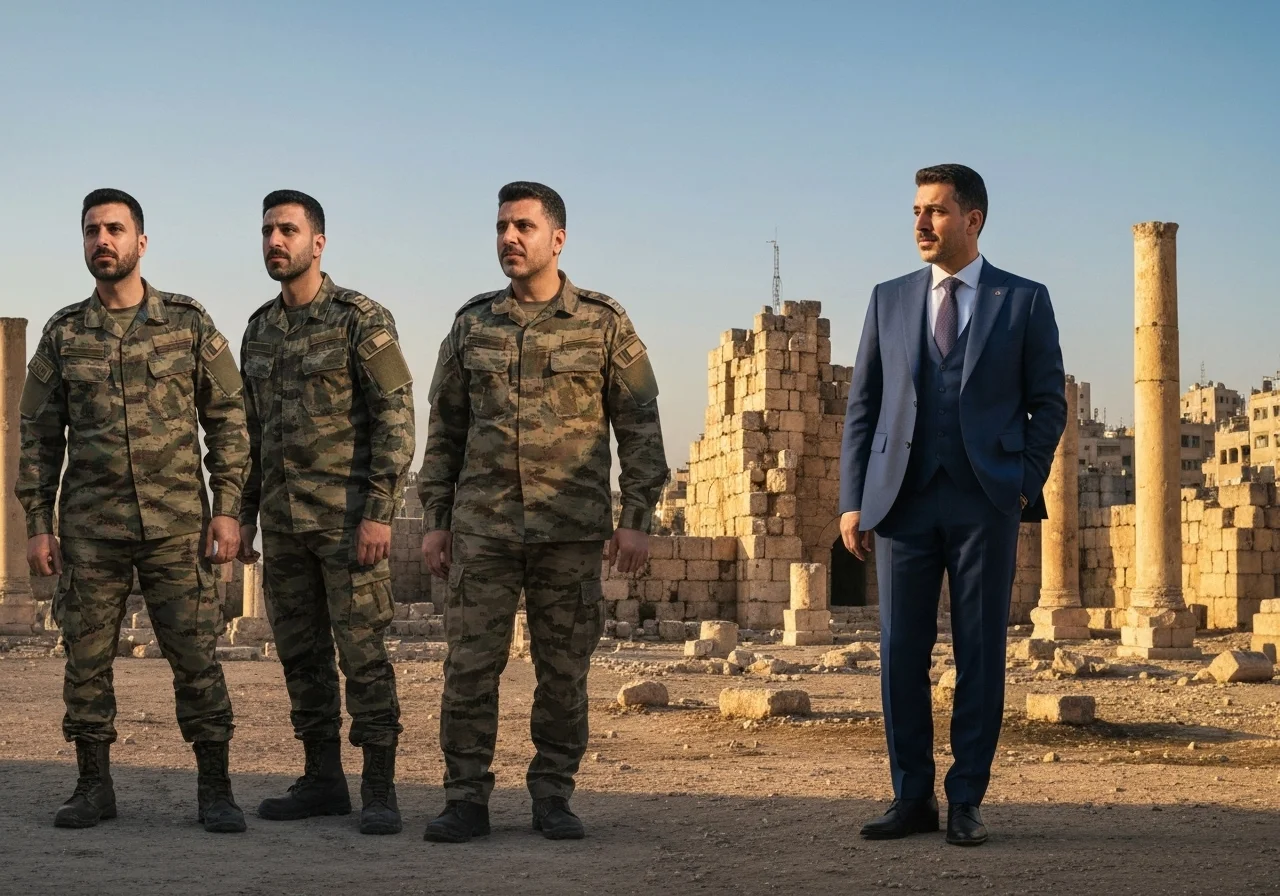
Mediterranean military footprint preservation
The Kremlin’s strategic playbook in Syria is undergoing a quiet but seismic shift—what was once a Mediterranean stronghold is now a carefully managed retreat. Satellite intel and regional whispers confirm the dismantling of air defense radars and a naval drawdown at Tartus, as The Guardian’s coverage notes. Hmeimim airbase, once the launchpad for Russian sorties, now operates at half-throttle—a stark contrast to its pre-2024 heyday when it projected power across MENA. The Japan Times report captures the delicate dance: Moscow clings to strategic assets while dancing to Damascus’ sovereignty tune.
New alliance geometry testing Western sanctions
Here’s where it gets spicy—Russia’s handing Tartus port’s keys to UAE’s DP World in a $1.2 billion logistics tango, per The Hindu’s deep dive. This isn’t retreat; it’s reshuffling. Moscow still pumps discounted oil and grain into Syria, keeping the lifeline intact while Gulf money builds new leverage. The BBC’s report nails it: Western sanctions are getting outflanked as Russia and Gulf states carve parallel supply chains. The result? A patchwork of competing influences where energy exports buy military privileges—geopolitics on a razor’s edge.
Assad's exile and Moscow's strategic calculus
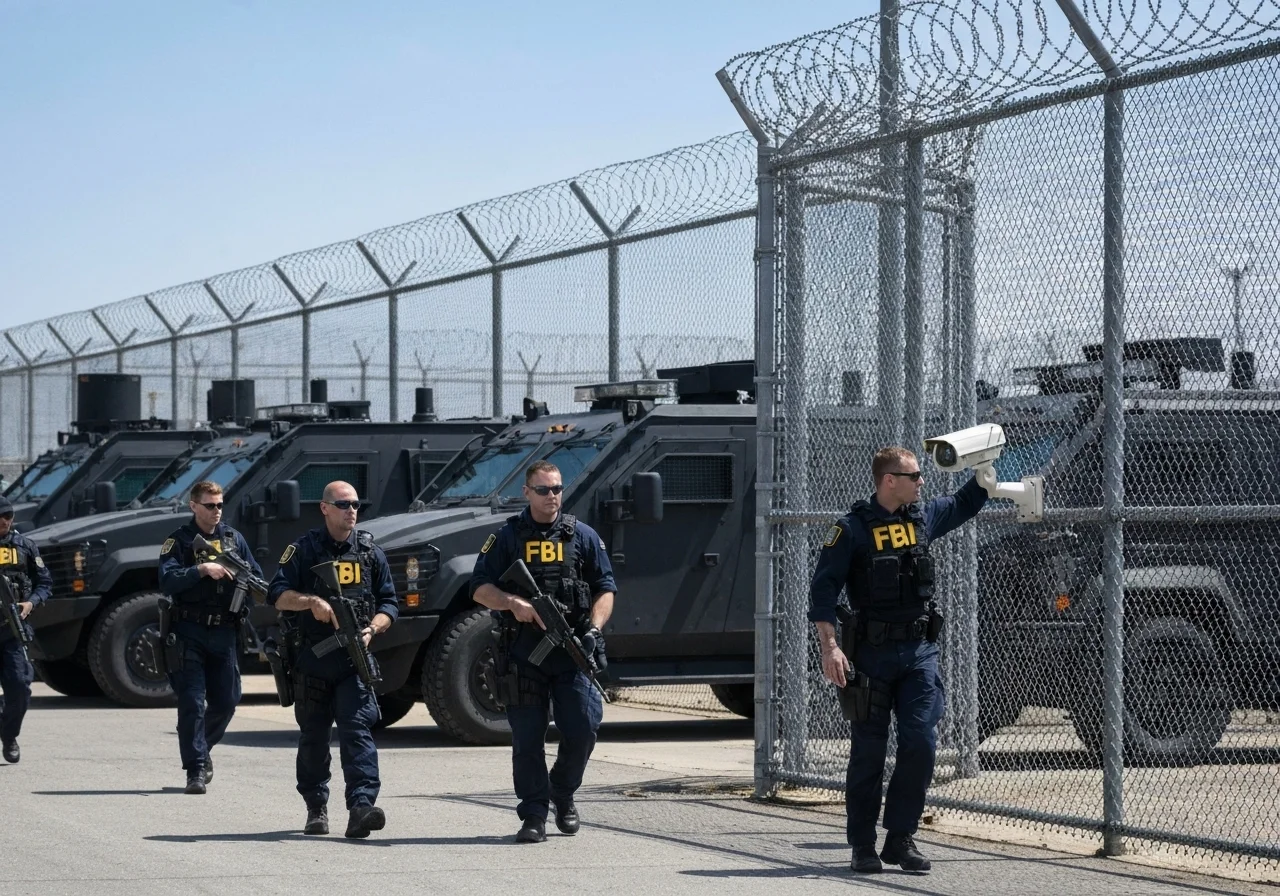
The Kremlin's geopolitical chess move with Bashar al-Assad reads like a distressed debt restructuring—out with the old regime, in with strategic leverage. Moscow's hosting of the ousted Syrian leader isn't charity; it's a classic holdco play where political asylum becomes collateral. Lavrov's "physical elimination" defense (per BBC) rings hollow when you see the FSB's ironclad security detail—more golden handcuffs than protective custody.
TABLE_NAME
| Security Detail | Operational Impact |
|---|---|
| 24/7 FSB protection | Limits extradition feasibility |
| Restricted movement radius | Prevents media access |
| Electronic surveillance | Ensures political neutrality |
Satellite intel from The Guardian confirms this isn't transitional housing—that Rublyovka dacha screams permanent "strategic asset" with its elite zip code and VIP medical access.
Russian military footprint recalibration
Moscow's Syrian bases are undergoing the geopolitical equivalent of rightsizing—Tartus and Hmeimim now operate on leaner staffing but retain knockout potential. The Hindu's 40% personnel cut smells like cost optimization, while S-400 redeployments to Kaliningrad (per ZeroHedge) show Europe's the priority theater.
TABLE_NAME
| Base | Strategic Value | Current Status |
|---|---|---|
| Tartus Naval Facility | Only Mediterranean warm-water port | Reduced berthing capacity |
| Hmeimim Airbase | Power projection into Levant | Limited sortie rate |
| Latakia EW Station | Electronic surveillance | Partially dismantled |
The extradition-leasehold paradox
This is Moscow's version of a sale-leaseback—trading Assad's scalp for continued base access. Japan Times whispers of Taliban-style "leasehold diplomacy" reveal the playbook: jurisdictional concessions today, Black Sea Fleet access tomorrow. The Kremlin's running a geopolitical special situations fund, where every former enemy is a potential distressed asset.
References


Get Daily Event Alerts for Companies You Follow
Free: Register to Track Industries and Investment Opportunities