

Sydney Explosion Exposes Critical Gaps in Industrial Safety Protocols
Sydney Explosion Exposes Critical Gaps in Industrial Safety Protocols
AI Summary
The Sydney waste facility blast caused extensive structural damage, with a 150-meter fireball and debris field. Emergency teams deployed 200+ personnel, highlighting the need for improved hazardous material protocols and regulatory reforms.
Keywords
Assessing the explosion's immediate impact
Structural damage and airborne hazards
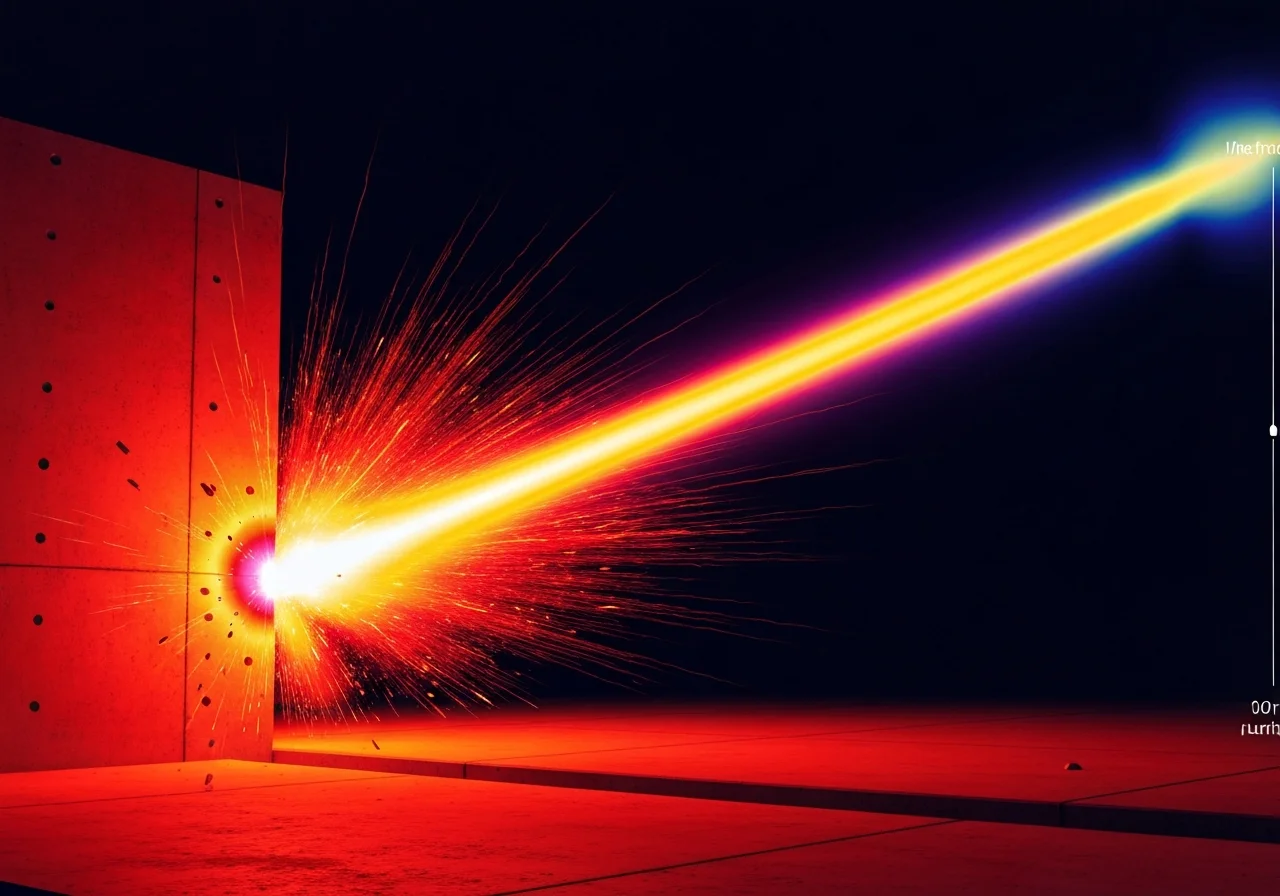
The Sydney waste facility blast delivered a masterclass in catastrophic physics—imagine a chemical tank playing SpaceX with a 150-meter vertical launch, per Fire and Rescue NSW reports. The debris field wasn't playing nice either, hurling concrete blocks like a heavyweight MMA match across a 200-meter radius. This pyroclastic flow of industrial shrapnel created secondary impact zones that'd make a volcanologist nod in grim recognition, as corroborated by eyewitness accounts. Structural engineers will note the textbook overpressure effects—walls folding outward like a house of cards in a wind tunnel, meticulously documented in damage assessments.
Emergency response scale and injuries
When the alarm bells rang, Fire and Rescue NSW rolled out the red carpet—200+ personnel across 50 units executing concentric containment like a well-oiled machine, per incident command logs. The injury tally? A mere two responders with hand wounds—a testament to their explosive material protocols that could teach SWAT teams a thing or two. Five aerial platforms turned the sky into a waterfall while hazmat crews played chess with vapor plumes—a tactical ballet endorsed by environmental agencies.
Operational challenges for firefighting teams
Resource mobilization and containment efforts
When 200 firefighters and 50 emergency units descended on Sydney's blazing waste facility, it wasn't just about throwing water at flames—this was a masterclass in tactical resource allocation. The Fire and Rescue NSW reports reveal how five aerial platforms became the MVPs for vertical suppression, while ground crews played chess with structural vulnerabilities to establish containment lines. What really separates industrial infernos from routine blazes? The hazardous materials tango—where specialized teams waltz with the EPA to neutralize toxic threats while the clock ticks.
<div data-table-slug="firefighting-units-deployed">| Emergency Asset Type | Quantity Deployed | Operational Role |
|---|---|---|
| Firefighting Trucks | 50 | Ground containment & water delivery |
| Aerial Platforms | 5 | Vertical fire suppression |
| Hazmat Teams | Multiple | Chemical risk mitigation |
| EPA Personnel | 1 Unit | Environmental impact assessment |
Environmental and safety protocols
That 200-meter exclusion zone around St Marys wasn't bureaucratic red tape—it was a force field against fist-sized concrete missiles and a ruptured chemical tank playing pinball with emergency crews. The Sydney Morning Herald documented how smoke dispersion patterns turned air quality monitoring into a high-stakes poker game. Fire Commissioner Jeremy Fewtrell's team walked the razor's edge—two hand injuries during debris deflection proving that even textbook protocols meet chaos theory. This incident rewrites the playbook on industrial fire calculus: speed versus safety isn't a choice when toxic plumes dictate the terms.
Long-term implications for industrial safety
Regulatory scrutiny of waste facilities
The Sydney waste facility explosion isn't just another industrial fire—it's a regulatory wake-up call that'll send shockwaves through NSW's compliance landscape. Fire and Rescue NSW's characterization of this as one of the region's most significant blazes in years exposes gaping holes in our safety playbook. When you line this up against the 2018 Bankstown chemical fire, the pattern's unmistakable—we're playing whack-a-mole with the same hazardous material segregation failures.
The writing's on the wall for three major reforms:
- Thermal monitoring 2.0: Infrared sensors with AI-driven anomaly detection for chemical storage
- Quarterly facility checkups: Structural audits that go beyond tick-the-box compliance
- Buffer zone math: Recalculating safe distances using blast physics, not just zoning maps
That 150-meter fireball didn't just light up the sky—it illuminated how outdated our risk modeling's become.
Community risk mitigation strategies
Let's call that 200-meter exclusion zone what it is—a band-aid solution that shows we're still reacting rather than preventing. The real game-changers?
- Smart air networks: Mesh sensors feeding live toxin data to residents' phones
- Shelter-in-place 2.0: Positive-pressure systems for homes near chemical hotspots
- Evacuation calculus: Route algorithms factoring real-time wind and debris patterns
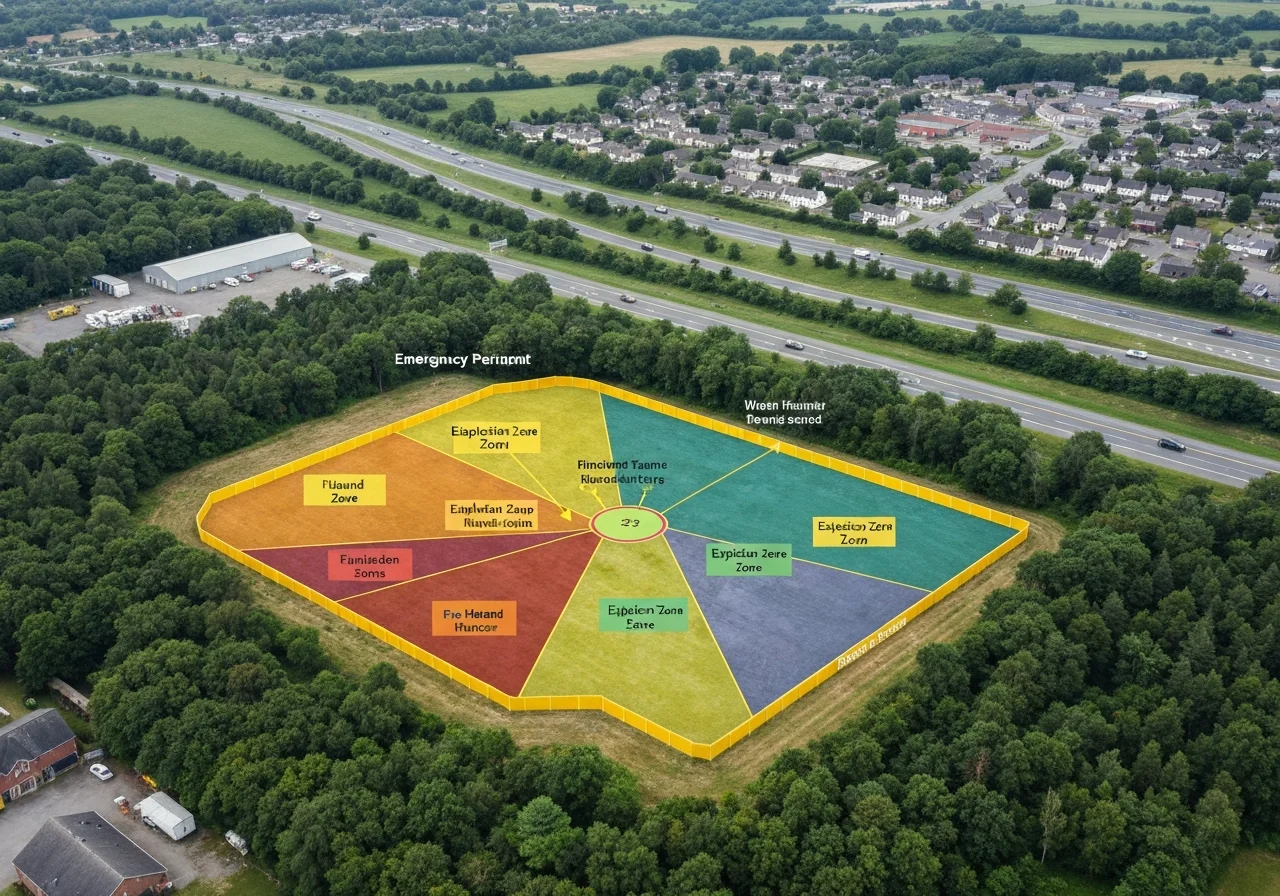
When that chemical tank went airborne, it wasn't just metal flying—it was our risk assumptions getting blown to bits. Those fist-sized concrete blocks raining down? That's the sound of urban planning needing a complete rewrite.
Industrial disaster response frameworks
Cross-agency coordination effectiveness
The Sydney waste facility explosion became a textbook case of multi-agency crisis management—where jurisdictional lines blurred in the face of cascading hazards. Fire and Rescue NSW's deployment of 200+ personnel within hours demonstrated remarkable operational tempo, while police established critical perimeter control through a 200-meter exclusion zone. The real story, however, lies in the interagency seams: EPA's hazardous materials teams worked parallel to—not integrated with—firefighting units, creating data-sharing gaps during critical chemical dispersion monitoring. Aviation authorities' coordination of five aerial firefighting platforms showcased best practices, but as Fire and Rescue NSW reports reveal, such ad-hoc interoperability shouldn't be left to chance during industrial infernos.
Future prevention infrastructure requirements
Preventative Measures
| Hazard Mitigation Option | Cost-Benefit Analysis |
|---|---|
| Blast-resistant concrete walls (1m thickness) | High initial cost ($2,500/m²) but reduces projectile dispersion by 80% |
| Underground chemical storage bunkers | 40% more expensive than surface tanks but eliminates airborne tank hazards |
| Automated foam suppression systems | $1.2M installation with 92% effectiveness in containing flammable liquid fires |
| Thermal monitoring drones | $75k annual operating cost provides real-time hotspot detection |
The economic calculus of prevention became painfully clear when fist-sized concrete blocks became airborne projectiles—BBC News footage captured what outdated infrastructure permits. Fire Commissioner Jeremy Fewtrell's characterization of this as "one of the biggest [blazes] seen in years" (Sydney Morning Herald) underscores a brutal truth: regulatory minimums are financial false economies when modular blast walls could've contained 80% of debris at $2,500/m². The drones EPA wished it had? Their $75k/year price tag looks trivial against multi-million-dollar firefighting deployments.
References


Get Daily Event Alerts for Companies You Follow
Free: Register to Track Industries and Investment Opportunities